

Time management
168 Hours: You Have More Time Than You Think by Laura Vanderkam — Summary, Key Ideas & Quotes
2010272 pages✦ 3-min Big ideas★ 3.0 (2)
Rate it
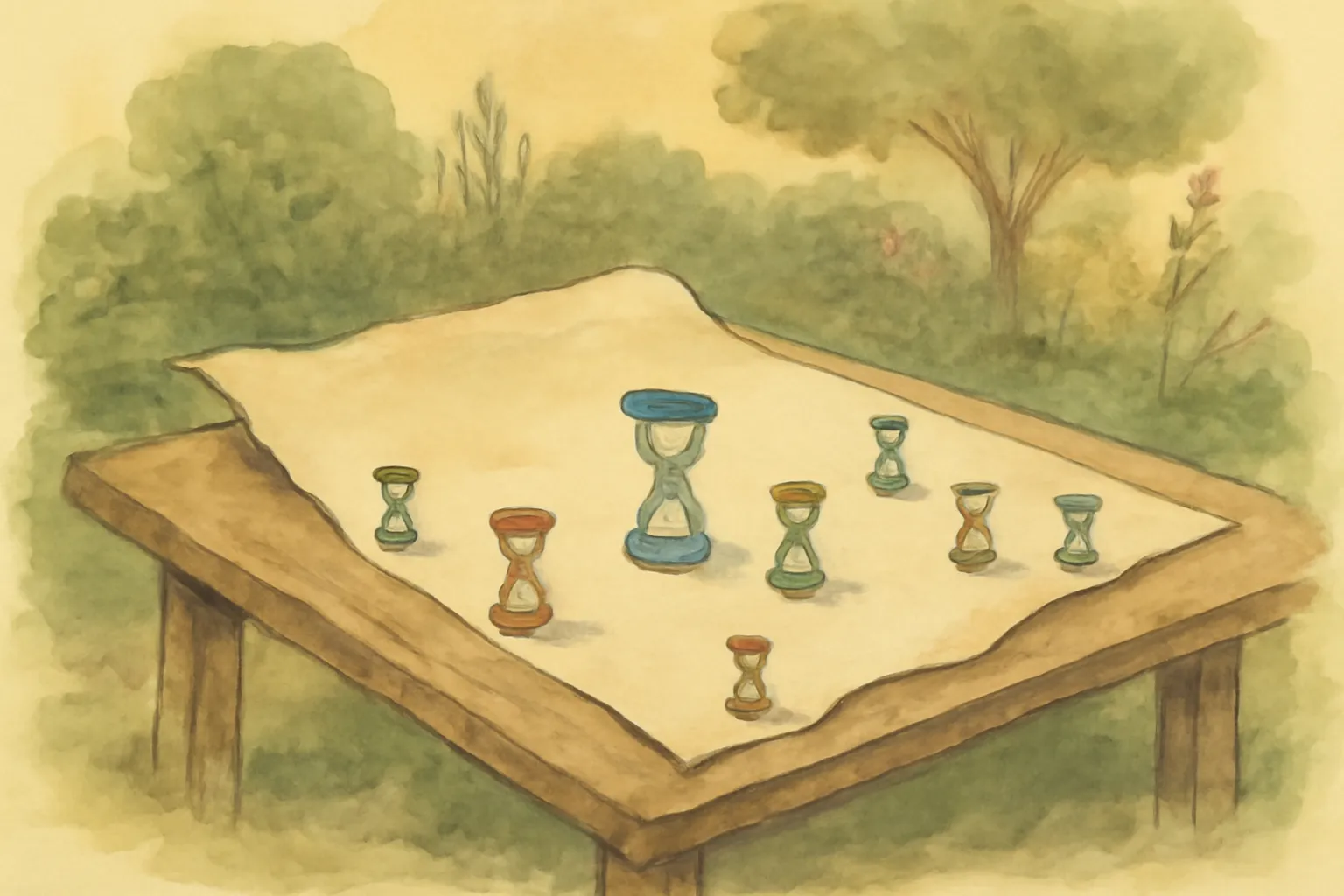
Vanderkam's central idea is that everyone has the same 168 hours in a week, and how we choose to fill those hours determines our satisfaction and success. Instead of focusing on daily to-do lists, she urges readers to look at their time in weekly blocks, which provides a more realistic and flexible view of how we actually spend our time. This shift helps identify hidden pockets of time and encourages more intentional choices.
The book emphasizes the importance of identifying your 'core competencies'—the activities that are most meaningful, productive, or enjoyable to you. Vanderkam argues that by focusing on these and minimizing time spent on less important tasks, you can maximize both productivity and happiness. This means learning to delegate, outsource, or simply let go of tasks that don't align with your strengths or values.
“You have the exact same number of hours in your day as Beyoncé.”
“There are 168 hours in a week. This is your blank slate.”