Fiction
A Tale of Two Cities by Charles Dickens — Summary, Key Ideas & Full Text
450 pages45 chapters9h 2m read6h 25m speed read✦ 8-min Big ideas★ 3.8 (204)Free · no account
Rate it
A Tale of Two Cities reveals the profound dualities of human experience against the backdrop of revolution and personal sacrifice
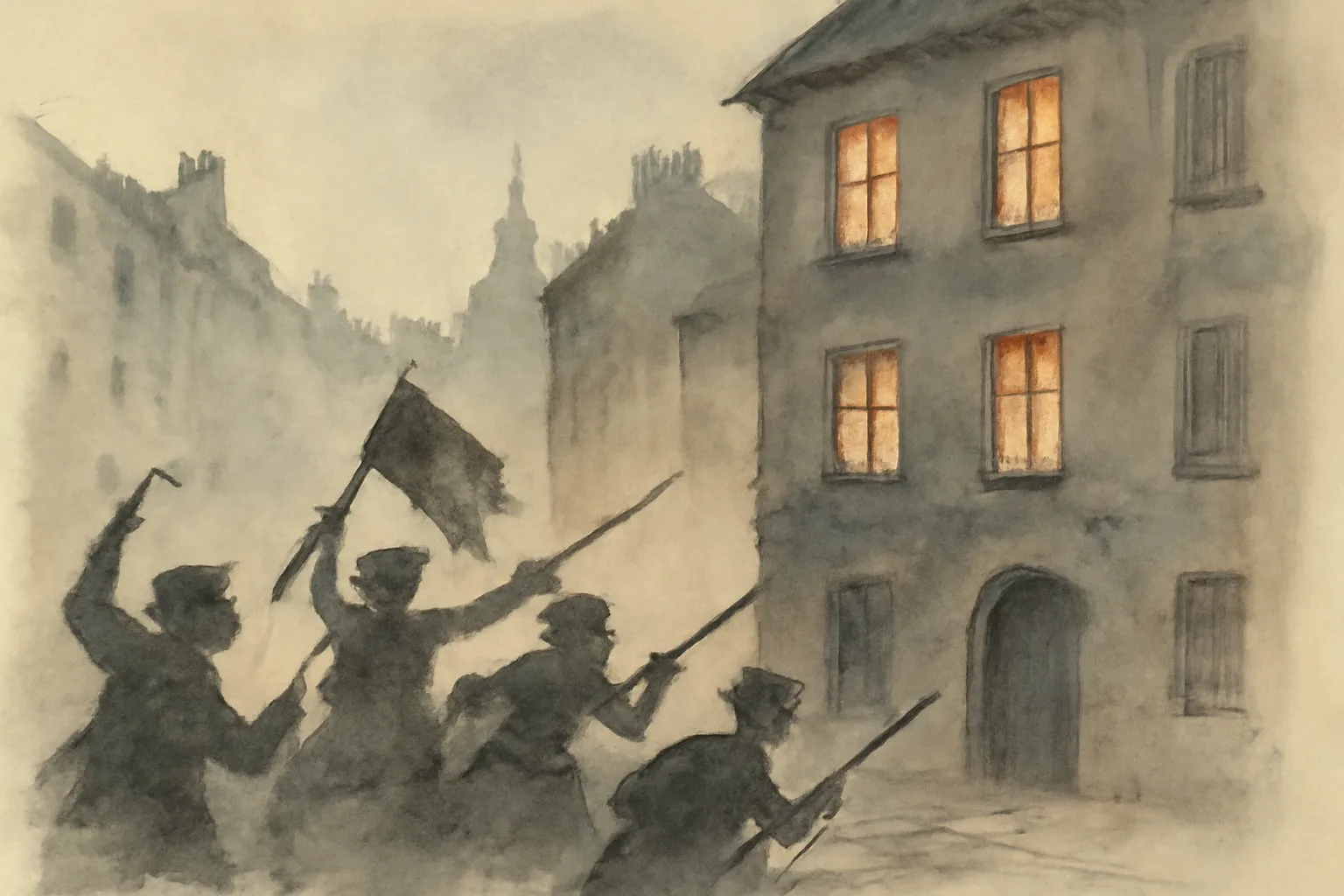
Set during the tumultuous times of the French Revolution, 'A Tale of Two Cities' by Charles Dickens explores the stark contrasts between life in England and France, delving into themes of resurrection, sacrifice, and the search for justice. Through a rich tapestry of characters, Dickens illustrates how personal destinies intertwine with the larger forces of history, revealing the impact of social injustice and the power of love and redemption. Readers will encounter unforgettable figures such as the noble Charles Darnay, the tragic Sydney Carton, and the compassionate Lucie Manette, whose lives are shaped by the era's upheaval. This summary distills the essence of Dickens' classic, providing insight into its enduring relevance and the moral questions it raises about sacrifice, fate, and the human condition.
'A Tale of Two Cities' remains a timeless exploration of the human condition, illustrating the profound complexities of love, sacrifice, and social justice. Through its richly drawn characters and interwoven narratives, Dickens challenges readers to confront the dualities of their own lives and the world around them. The novel's themes of redemption, the impact of memory, and the quest for justice resonate powerfully in today's society, reminding us of the enduring relevance of its message. As we reflect on the struggles of the past, we are called to consider our own responsibilities in shaping a more just and compassionate future. Ultimately, Dickens' masterpiece invites us to recognize the interconnectedness of our lives and the importance of empathy in an often divided world.
Charles Dickens has 9 works free to read on Lumina, including A Christmas Carol, Barnaby Rudge: A Tale of the Riots of 'Eighty, Bleak House