
An orphan’s rise through fortune and folly — ambition, class, and the making of a gentleman.
Read full overviewShow less›
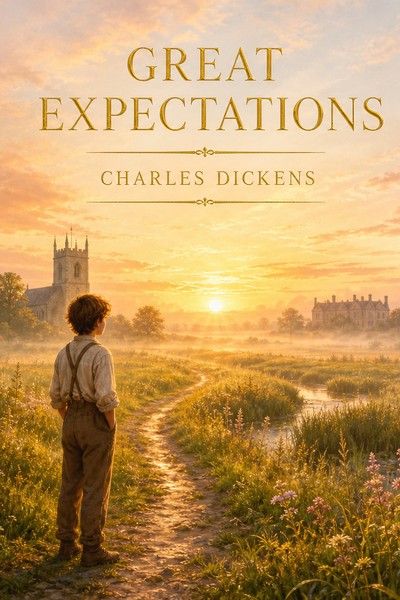
In 'Great Expectations,' Charles Dickens intricately weaves a tale of self-discovery and societal critique through the journey of Pip, a young boy who navigates the complexities of class, love, and ambition in Victorian England. The narrative explores Pip's evolution from a humble orphan to a gentleman, driven by his desire for social status and the affection of the mysterious Estella. Dickens employs rich characterizations and vivid settings to illuminate the harsh realities of class distinctions and the moral dilemmas that arise from them. Readers will engage with timeless themes of identity, societal expectations, and the true meaning of wealth, making this a profound reflection on the human condition and personal aspirations.
In 'Great Expectations,' Charles Dickens masterfully navigates the themes of ambition, class, and personal growth through the life of Pip, offering readers a profound exploration of the human experience. As Pip grapples with his identity and aspirations, he learns that true fulfillment is not found in wealth or social standing, but in the authenticity of relationships and the courage to confront one's past. The novel serves as a timeless reminder of the complexities of human nature and the moral dilemmas that arise from societal expectations. By the end of Pip's journey, readers are left with a deep understanding of the importance of loyalty, forgiveness, and self-discovery, making 'Great Expectations' a resonant and enduring classic.
- 1The Origins of Pip's Identity
- 2The Influence of Estella and Miss Havisham
- 3Ambition and Social Class
- 4The Complexity of Friendship and Loyalty
- 5The Impact of Wealth and Expectations
A glimpse inside

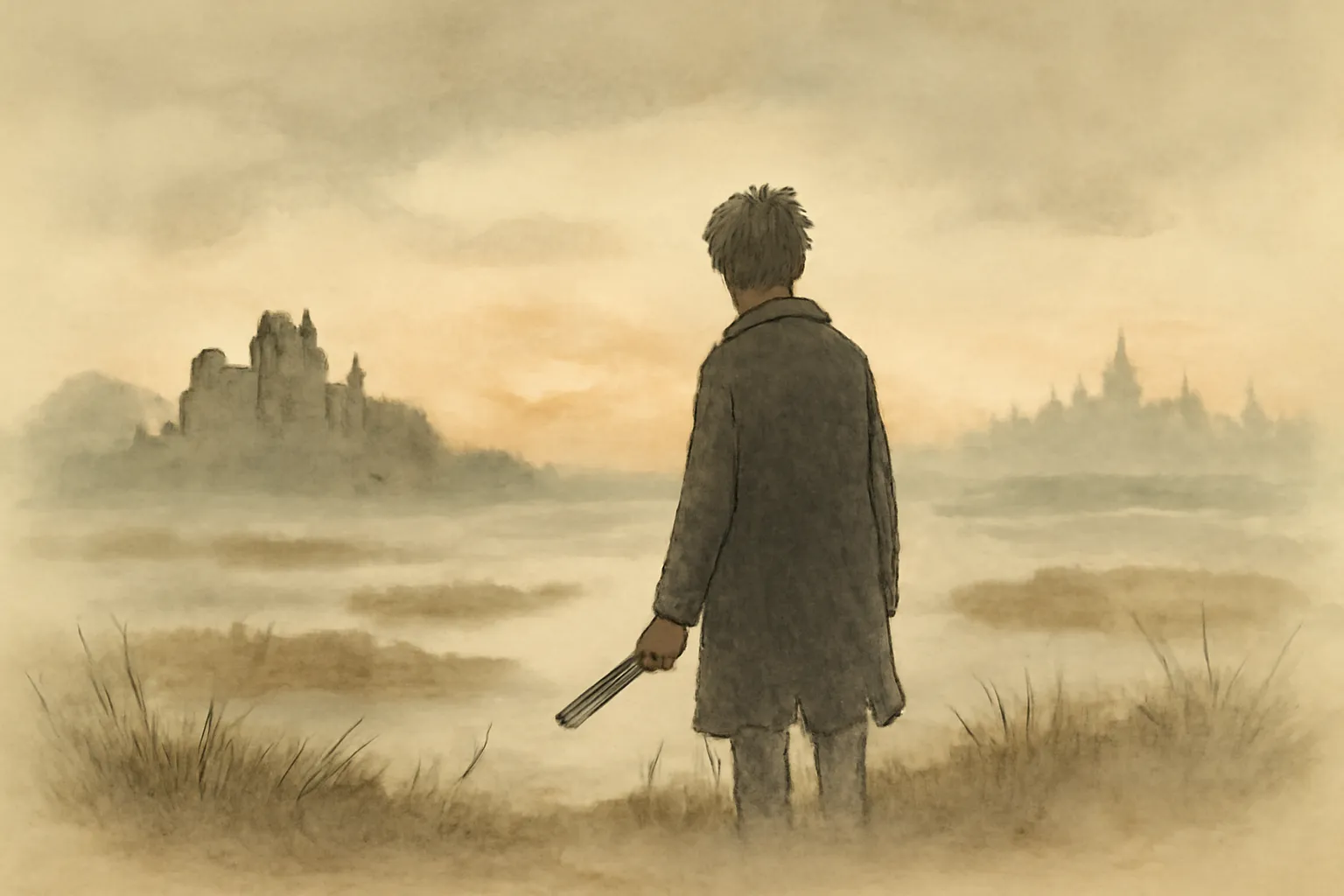
Pip's journey begins in the marshes of Kent, where he is introduced as an orphan raised by his sister Joe Gargery and her husband, the blacksmith. Read morePip's journey begins in the marshes of Kent, where he is introduced as an orphan raised by his sister Joe Gargery and her husband, the blacksmith. This humble background shapes his early perceptions of life and himself. The stark contrast between his origins and his aspirations becomes a driving force in his character development. Pip's first encounter with the convict Magwitch in the graveyard serves as a pivotal moment, instilling in him a sense of fear and guilt that follows him throughout his life. This initial impression of his identity as a 'common' boy versus his longing for something greater sets the stage for his internal struggles with self-worth and societal expectations. Show less
Estella, the beautiful but cold-hearted girl raised by Miss Havisham, becomes the object of Pip's infatuation and the embodiment of his aspirations. Read moreEstella, the beautiful but cold-hearted girl raised by Miss Havisham, becomes the object of Pip's infatuation and the embodiment of his aspirations. Miss Havisham, a jilted bride who lives in a decaying mansion, represents the destructive nature of unfulfilled dreams. Her manipulation of Estella to break men's hearts is a reflection of her own bitterness and serves as a warning about the consequences of allowing past traumas to dictate one's life. Pip's desire for Estella drives him to despise his own background, leading to a profound internal conflict as he grapples with his feelings of inadequacy and the societal pressures to elevate his status. The relationship between Pip, Estella, and Miss Havisham highlights the complexities of love, ambition, and the desire for validation. Show less
Read the full text — free
About the author
Charles Dickens has 6 works free to read on Lumina, including A Christmas Carol, A Tale of Two Cities, Bleak House.
All 6 books by Charles Dickens →Frequently asked
Worlds to get lost in
Take Lumina everywhere
Read offline, listen to AI summaries, speed-read, and sync your progress across devices — free on iPhone.
Download for iPhone