1.The Origins of Pip's Identity
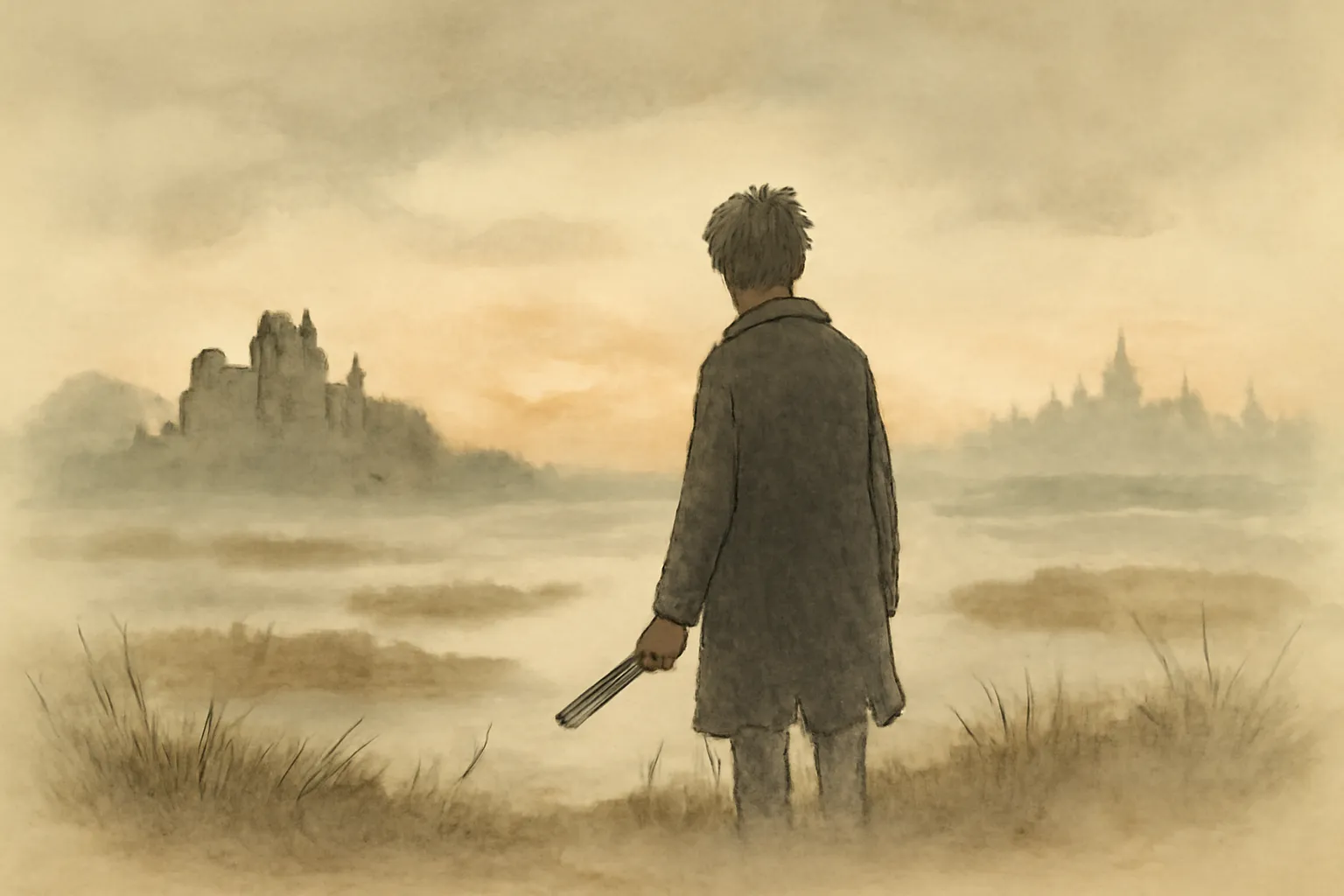
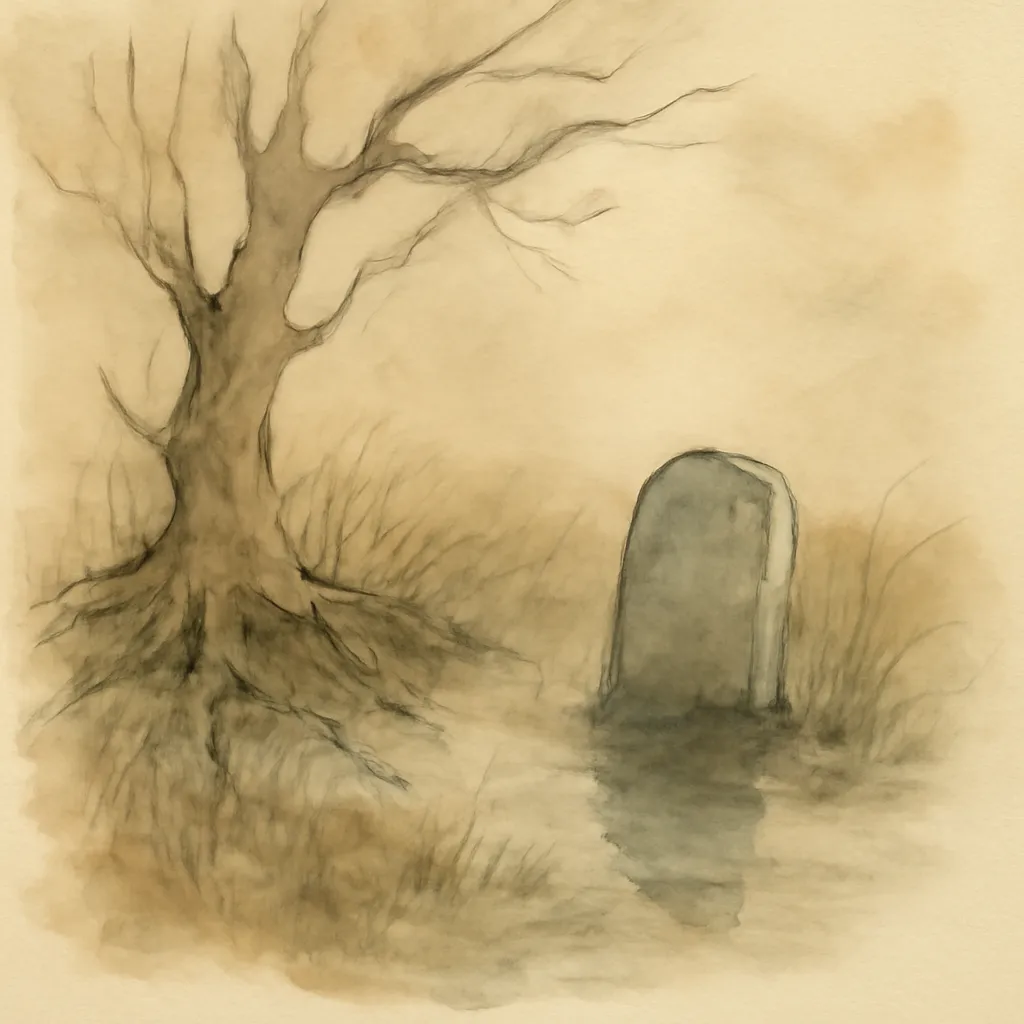
Pip's journey begins in the marshes of Kent, where he is introduced as an orphan raised by his sister Joe Gargery and her husband, the blacksmith. This humble background shapes his early perceptions of life and himself. The stark contrast between his origins and his aspirations becomes a driving force in his character development. Pip's first encounter with the convict Magwitch in the graveyard serves as a pivotal moment, instilling in him a sense of fear and guilt that follows him throughout his life. This initial impression of his identity as a 'common' boy versus his longing for something greater sets the stage for his internal struggles with self-worth and societal expectations.
2.The Influence of Estella and Miss Havisham
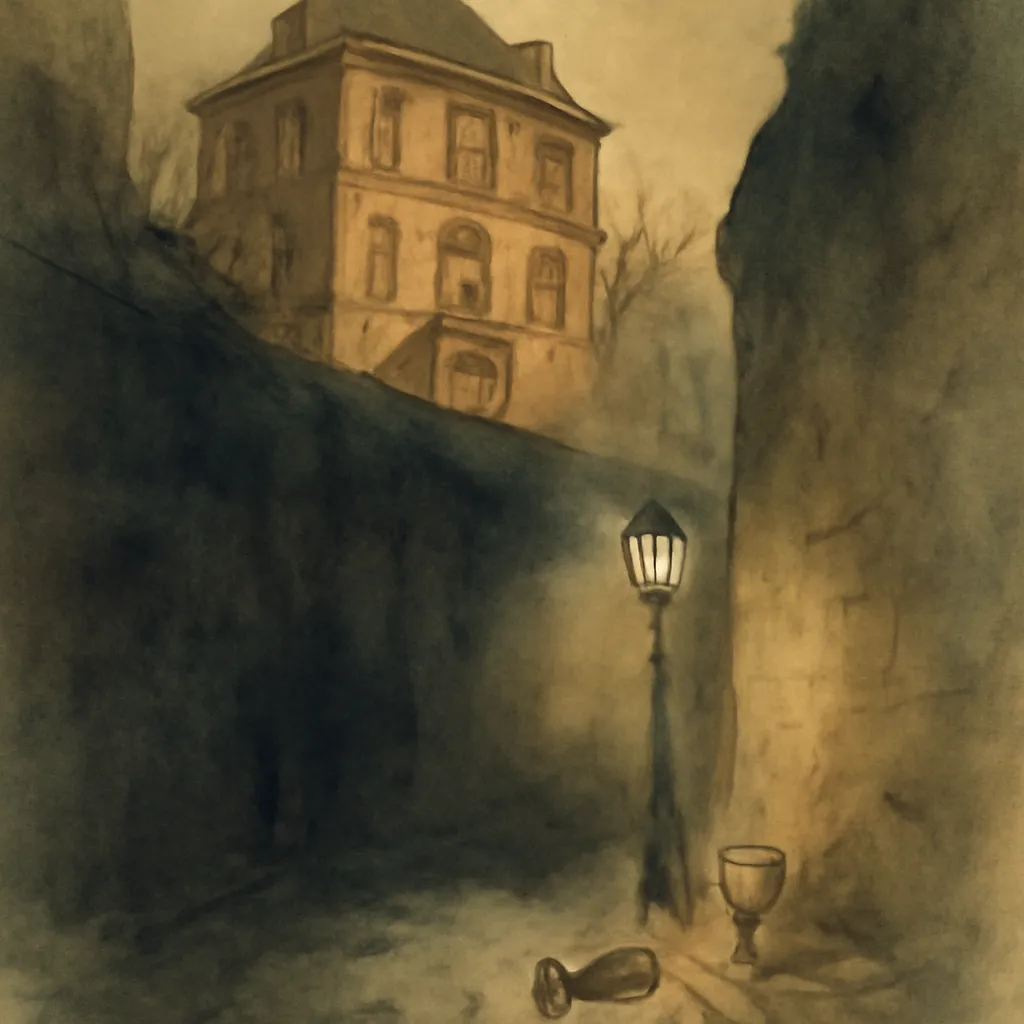
Estella, the beautiful but cold-hearted girl raised by Miss Havisham, becomes the object of Pip's infatuation and the embodiment of his aspirations. Miss Havisham, a jilted bride who lives in a decaying mansion, represents the destructive nature of unfulfilled dreams. Her manipulation of Estella to break men's hearts is a reflection of her own bitterness and serves as a warning about the consequences of allowing past traumas to dictate one's life. Pip's desire for Estella drives him to despise his own background, leading to a profound internal conflict as he grapples with his feelings of inadequacy and the societal pressures to elevate his status. The relationship between Pip, Estella, and Miss Havisham highlights the complexities of love, ambition, and the desire for validation.
3.Ambition and Social Class
Pip's aspirations to rise above his status as a blacksmith's apprentice are fueled by his experiences with the upper class. Upon receiving a fortune from an unknown benefactor, Pip believes he has been chosen to become a gentleman, which he equates with happiness and success. This shift in fortune symbolizes the allure of wealth and social standing, yet it also exposes the hollowness of such aspirations. Dickens critiques the rigid class system of Victorian England, illustrating how wealth does not inherently lead to moral superiority or happiness. Pip's journey through the upper echelons of society reveals the superficiality and moral decay that often accompany great wealth, forcing him to confront the true nature of his desires and the values he holds dear.
4.The Complexity of Friendship and Loyalty
Throughout the novel, Pip's relationships with characters like Joe and Biddy highlight the themes of loyalty and friendship. Joe, despite his humble station and lack of education, embodies genuine kindness and moral integrity. Pip's initial shame over Joe's social standing leads him to distance himself, illustrating the painful sacrifices made in pursuit of ambition. Biddy, another constant in Pip's life, represents the value of true companionship and understanding. Her unwavering support and practical wisdom stand in stark contrast to the manipulative nature of Estella. As Pip's journey unfolds, he learns the importance of loyalty to those who have supported him, ultimately realizing that true wealth lies in the bonds of friendship rather than in social status.
5.The Impact of Wealth and Expectations
The title 'Great Expectations' itself alludes to the pressures and burdens that accompany wealth and social ambition. Pip's expectations of becoming a gentleman lead him to believe that material wealth will bring him happiness and acceptance. However, as he navigates his new life, he discovers that wealth can be isolating and burdensome. The character of Magwitch, who is revealed to be Pip's benefactor, underscores the irony of wealth, as he is a convict who has risen from a life of crime to provide for Pip's future. This revelation forces Pip to reevaluate his perceptions of gentility and the values associated with it. Ultimately, Dickens suggests that the pursuit of wealth can lead to moral corruption and disillusionment, emphasizing the need for authenticity and integrity over superficial success.
6.The Role of Guilt and Redemption
Guilt permeates Pip's journey, shaping his actions and decisions throughout the narrative. His initial crime of stealing food for Magwitch instills a sense of guilt that haunts him, manifesting in his relationships and self-perception. As he ascends the social ladder, this guilt transforms into a sense of moral obligation towards Magwitch, who sacrifices his own freedom for Pip's benefit. This theme of redemption is central to the novel, as Pip learns that true honor lies not in wealth but in the recognition of one's past and the willingness to make amends. The eventual return of Magwitch to Pip's life serves as a catalyst for his transformation, forcing him to confront his own shortcomings and ultimately seek a path to redemption through acts of kindness and loyalty.
7.The Journey to Self-Discovery
Pip's journey is fundamentally one of self-discovery, as he grapples with his identity and aspirations. Initially driven by external validation and societal expectations, he undergoes a profound transformation as he confronts the realities of his choices. His experiences in London, coupled with the disillusionment that accompanies his newfound wealth, compel him to reflect on his values and relationships. By the end of the novel, Pip learns to appreciate the true meaning of personal worth, recognizing that it is not dictated by social class or material possessions. This journey towards self-acceptance is marked by a return to his roots, a reconciliation with Joe and Biddy, and a newfound understanding of what it means to be a gentleman in character rather than in status.
8.The Significance of Forgiveness
Forgiveness plays a crucial role in the resolution of Pip's conflicts and relationships. Throughout the novel, Pip struggles with feelings of resentment towards those who have wronged him, particularly Estella and Miss Havisham. However, as he matures, he learns the importance of letting go of grievances and embracing forgiveness. This evolution is particularly evident in his interactions with Magwitch, whom he ultimately comes to respect and care for despite their tumultuous beginnings. Pip's ability to forgive others reflects his growth as a character and his understanding of the complexities of human relationships. Dickens emphasizes that forgiveness is not only a means of personal liberation but also a pathway to healing and connection with others.
9.The Influence of Fate and Chance
Fate and chance are recurring themes in 'Great Expectations,' shaping the characters' lives in unexpected ways. Pip's encounter with Magwitch in the graveyard sets off a chain of events that alters his destiny, demonstrating how a single moment can lead to profound changes. The role of chance is further emphasized through the various coincidences that occur throughout the narrative, such as Pip's unforeseen inheritance and the eventual revelation of Magwitch as his benefactor. Dickens suggests that while individuals may strive for control over their lives, external forces often dictate their paths. This interplay between fate and personal agency invites readers to reflect on the unpredictability of life and the significance of embracing the journey, regardless of the outcome.
10.Class, Society, and Human Nature
Dickens intricately critiques the class structure of Victorian society through the lens of Pip's experiences and relationships. The stark divisions between the upper and lower classes are depicted vividly, highlighting the prejudices and inequalities that pervade social interactions. Characters like Estella and Miss Havisham embody the superficial values of the upper class, while Joe represents the dignity and authenticity of the working class. Through Pip's journey, Dickens challenges the notion that wealth equates to worth, illustrating the moral failings of those who prioritize social status over genuine human connections. This exploration of class and society serves as a powerful commentary on the human condition, urging readers to reconsider their own values and assumptions about success and happiness.