A timeless tale of redemption that unveils the transformative power of compassion and community
Read full overviewShow less›
In 'A Christmas Carol,' Charles Dickens presents a powerful narrative that explores the journey of Ebenezer Scrooge, a miserly old man who embodies the spirit of greed and isolation. Through a series of supernatural visits from the ghosts of Christmas Past, Present, and Future, Scrooge confronts the consequences of his actions and the emptiness of his life. This classic story serves as both a cautionary tale and an uplifting reminder of the importance of generosity, kindness, and human connection. Readers will discover how Scrooge's transformation reflects the potential for change in all of us, especially during the holiday season when the values of compassion and community shine brightest.
Charles Dickens' 'A Christmas Carol' transcends time and culture, delivering a profound message about the importance of compassion, community, and personal transformation. Through the journey of Ebenezer Scrooge, readers are reminded that it is never too late to change and embrace the values that make life meaningful. The narrative serves as a timeless call to action, encouraging individuals to reflect on their own lives and the impact they have on others. Ultimately, this story inspires a spirit of generosity that can illuminate the darkest corners of our world, fostering a sense of connection and hope during the holiday season and beyond.
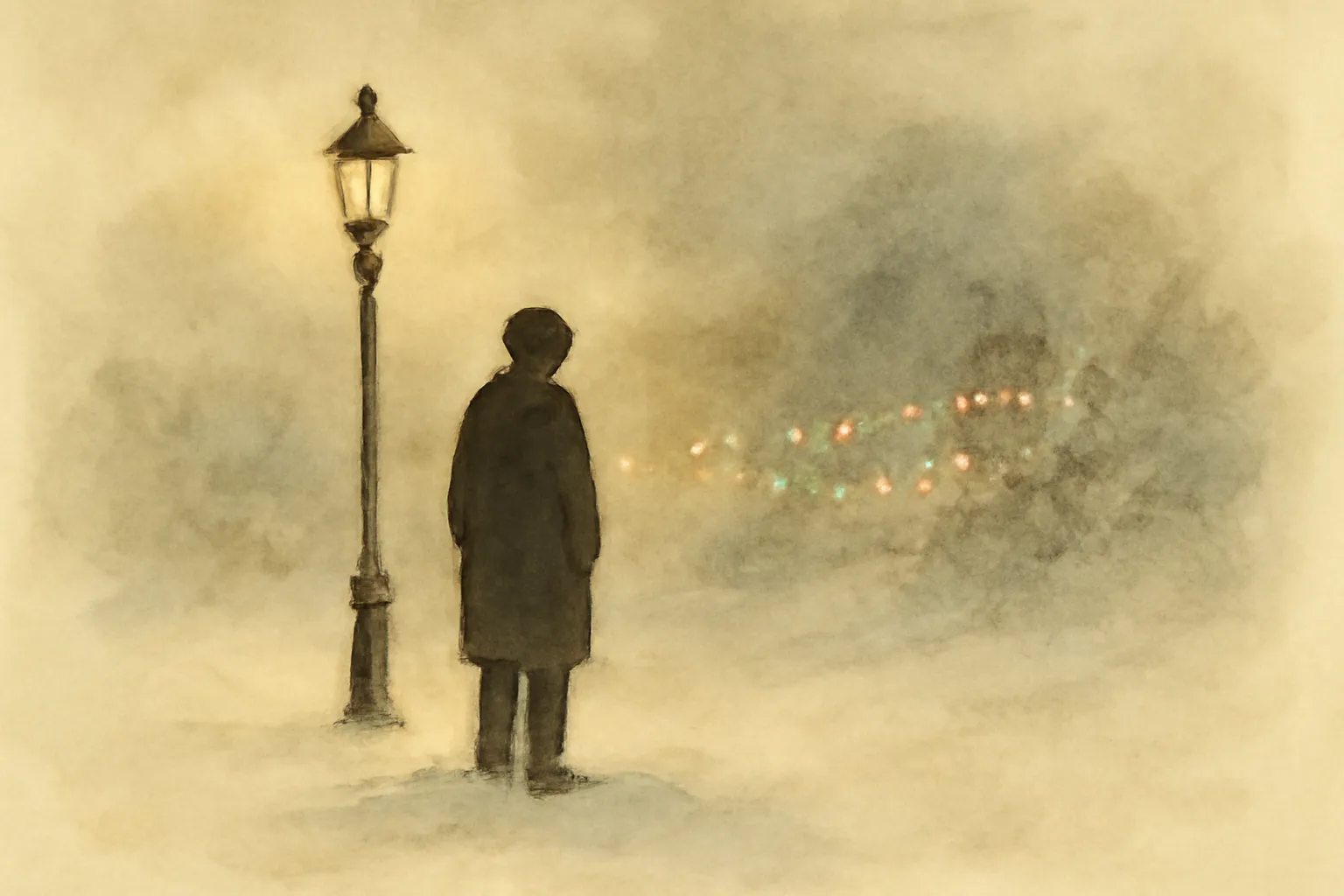
Ratings at a glance
- 1The Haunting Reality of Marley’s Ghost
- 2Confronting the Past
- 3The Joy of the Present
- 4The Shadows of the Future
- 5Transformation Through Awareness
A glimpse inside

The story begins with the undeniable fact of Jacob Marley’s death, which sets the stage for the supernatural events that follow. Read moreThe story begins with the undeniable fact of Jacob Marley’s death, which sets the stage for the supernatural events that follow. Scrooge, who is depicted as a cold-hearted miser, is haunted by Marley's ghost, who appears wrapped in chains, symbolizing the burdens of a life lived without compassion. Marley’s warning about the consequences of his greed serves as a catalyst for Scrooge's journey toward redemption. This initial encounter with the ghost establishes a theme of accountability, reminding readers that our choices shape our destiny. Marley's ghost, a representation of Scrooge’s potential fate, emphasizes the importance of recognizing one's life choices before it’s too late. Show less
The first spirit, the Ghost of Christmas Past, takes Scrooge on a journey through his own history, showcasing key moments that shaped his character. Read moreThe first spirit, the Ghost of Christmas Past, takes Scrooge on a journey through his own history, showcasing key moments that shaped his character. As they revisit scenes from his childhood and early adulthood, Scrooge is confronted with his former self—a young, hopeful man who slowly succumbed to greed and isolation. This exploration reveals how his early experiences with love and joy were overshadowed by his obsession with wealth. The spirit's revelations prompt Scrooge to reflect on the choices that led to his current state, illustrating the profound impact of our formative years. It serves as a reminder that understanding our past is essential for meaningful change, highlighting how nostalgia can evoke both regret and the desire for redemption. Show less
Read the full text — free
About the author
Charles Dickens has 9 works free to read on Lumina, including A Tale of Two Cities, Barnaby Rudge: A Tale of the Riots of 'Eighty, Bleak House