1.The Haunting Reality of Marley’s Ghost
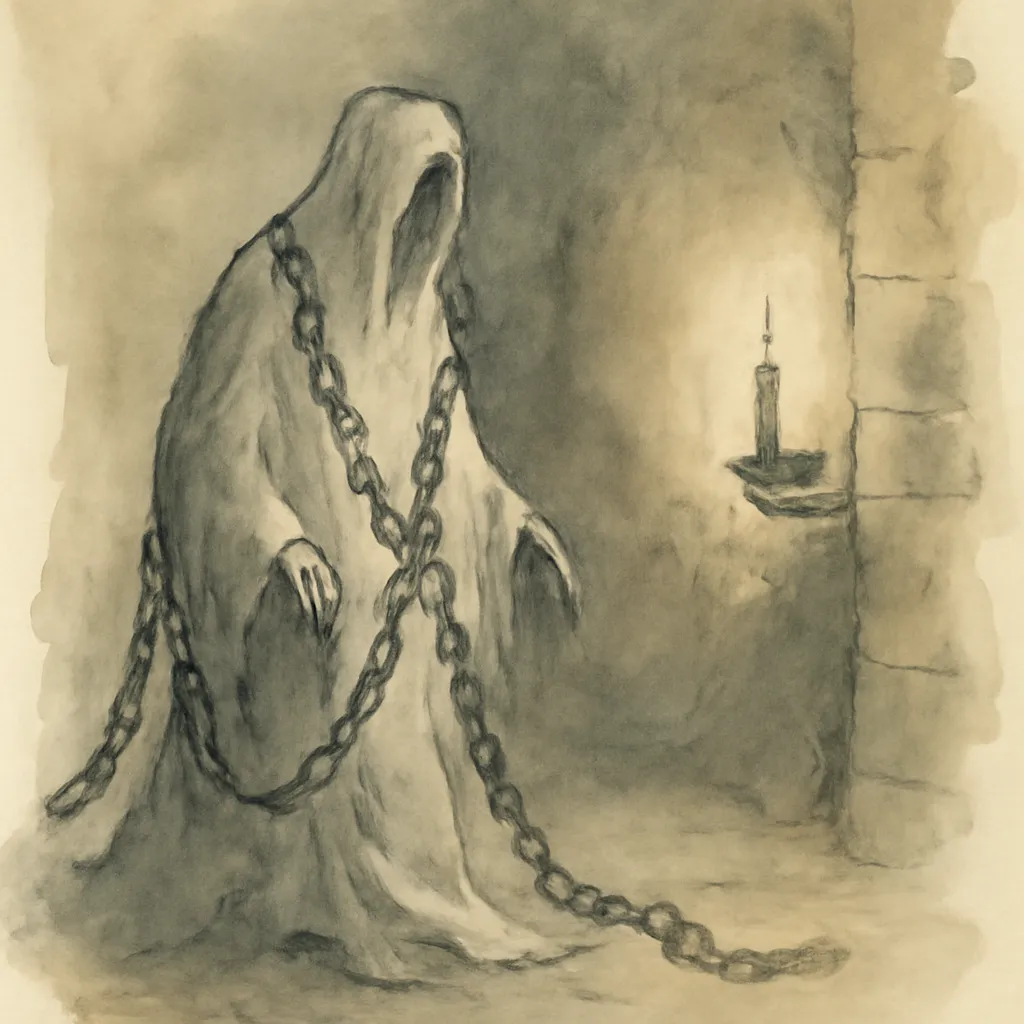
The story begins with the undeniable fact of Jacob Marley’s death, which sets the stage for the supernatural events that follow. Scrooge, who is depicted as a cold-hearted miser, is haunted by Marley's ghost, who appears wrapped in chains, symbolizing the burdens of a life lived without compassion. Marley’s warning about the consequences of his greed serves as a catalyst for Scrooge's journey toward redemption. This initial encounter with the ghost establishes a theme of accountability, reminding readers that our choices shape our destiny. Marley's ghost, a representation of Scrooge’s potential fate, emphasizes the importance of recognizing one's life choices before it’s too late.
2.Confronting the Past
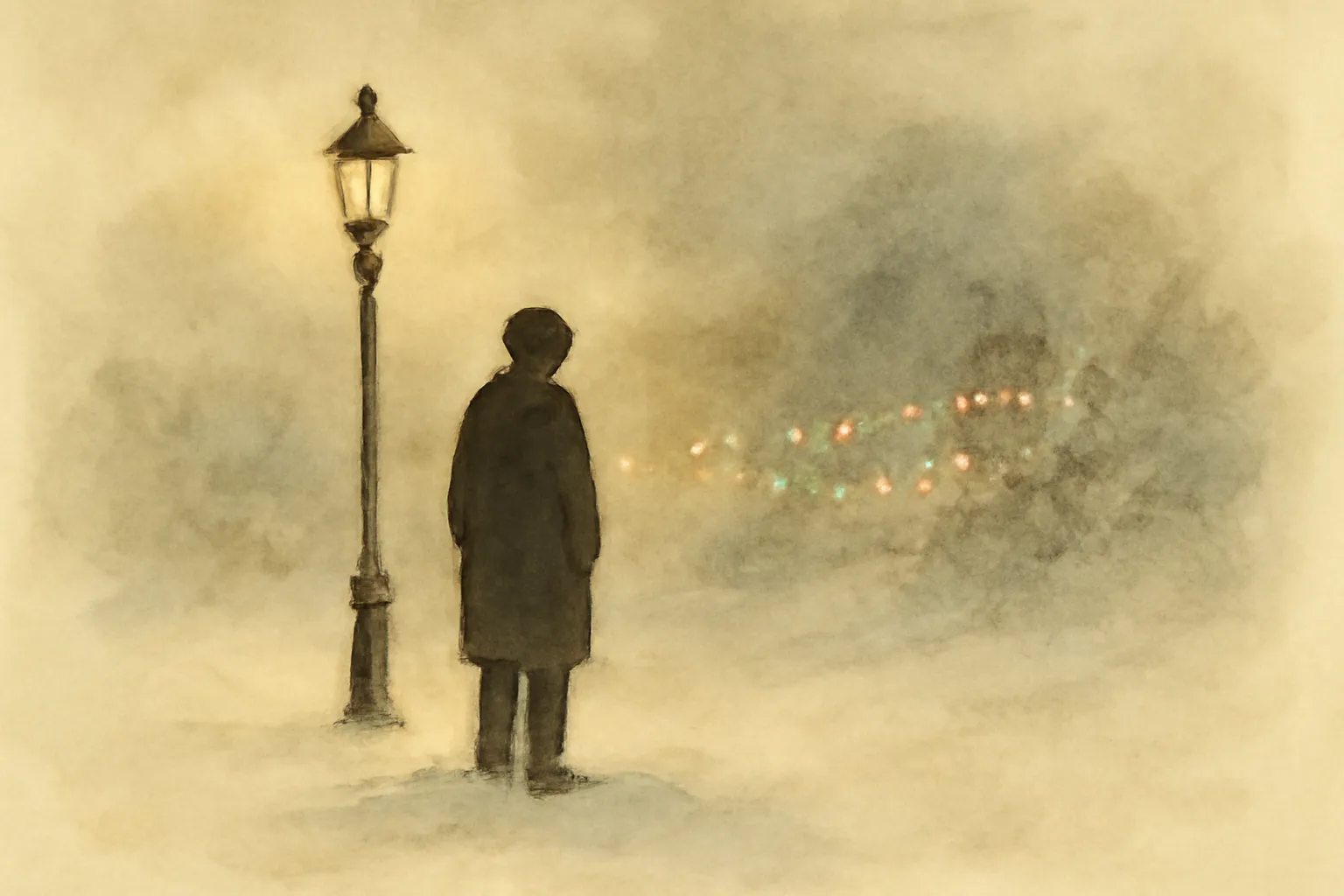
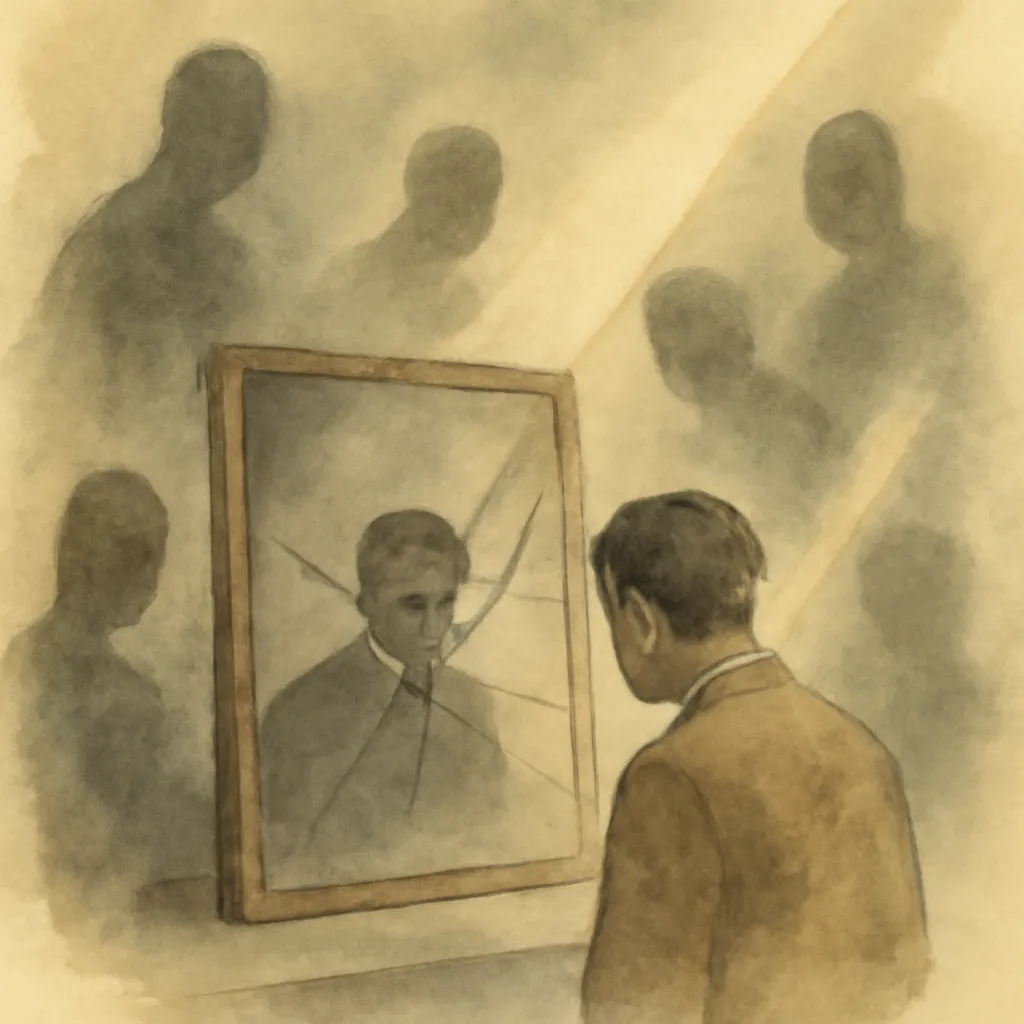
The first spirit, the Ghost of Christmas Past, takes Scrooge on a journey through his own history, showcasing key moments that shaped his character. As they revisit scenes from his childhood and early adulthood, Scrooge is confronted with his former self—a young, hopeful man who slowly succumbed to greed and isolation. This exploration reveals how his early experiences with love and joy were overshadowed by his obsession with wealth. The spirit's revelations prompt Scrooge to reflect on the choices that led to his current state, illustrating the profound impact of our formative years. It serves as a reminder that understanding our past is essential for meaningful change, highlighting how nostalgia can evoke both regret and the desire for redemption.
3.The Joy of the Present
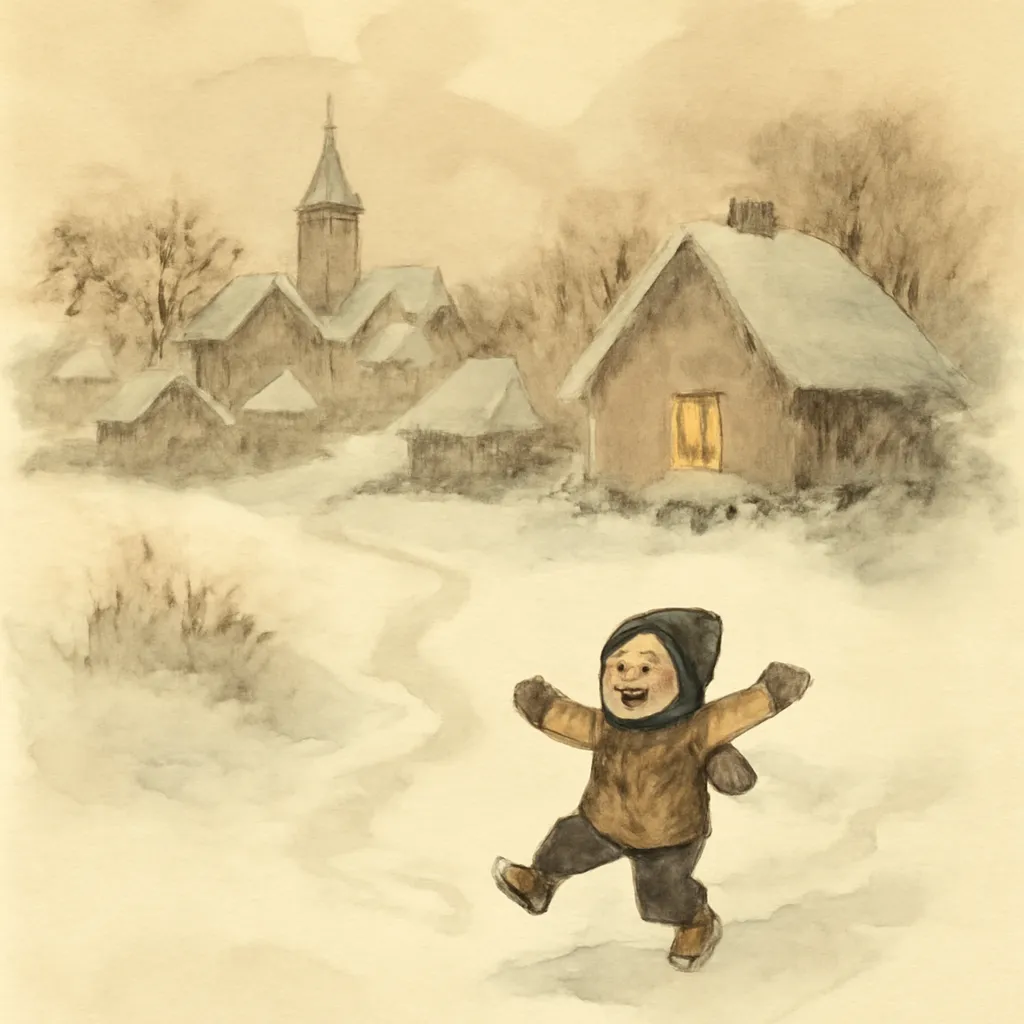
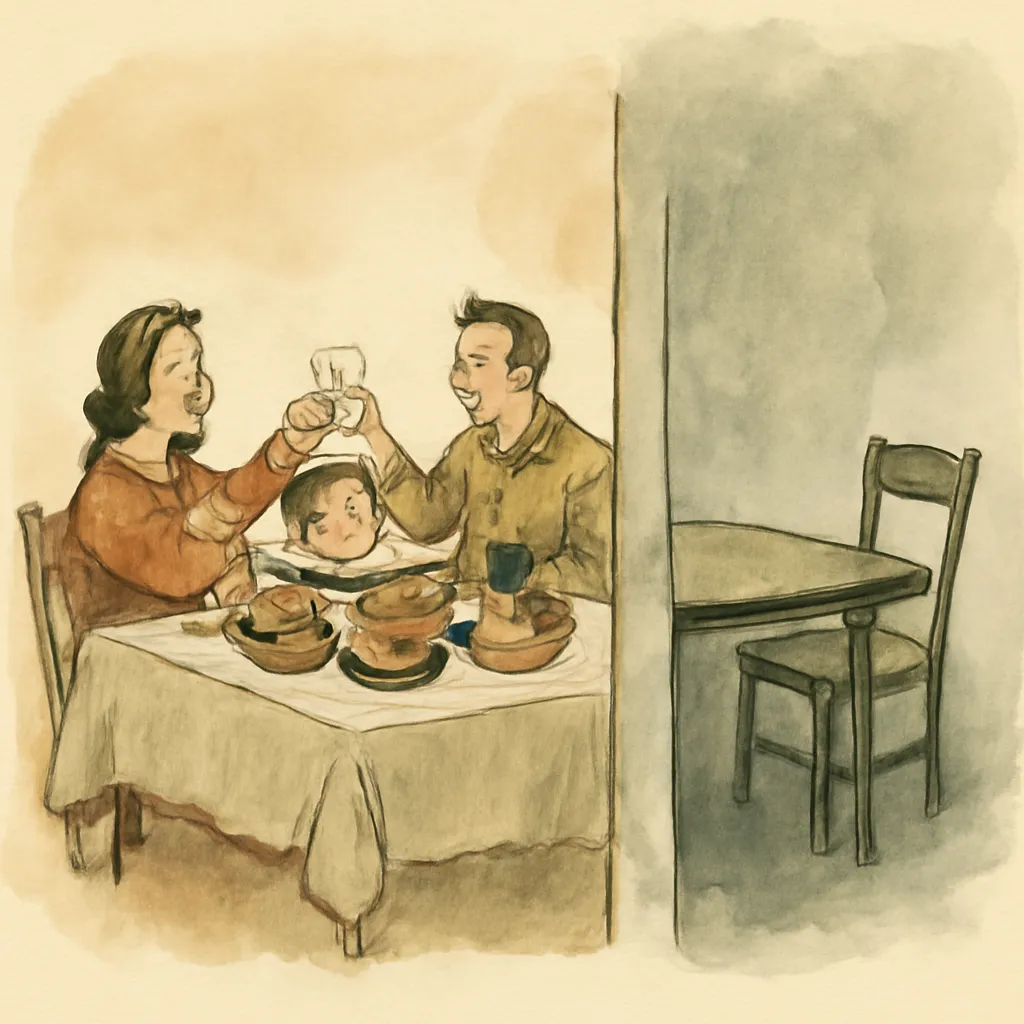
The second spirit, the Ghost of Christmas Present, introduces Scrooge to the warmth and joy of Christmas as it is celebrated in the present day. Through the spirit, Scrooge witnesses the Cratchit family, who, despite their poverty, embody love and gratitude. This stark contrast to Scrooge’s own lonely existence emphasizes the richness of human connection versus material wealth. The spirit reveals Tiny Tim, Bob Cratchit’s ailing son, whose optimistic spirit and resilience inspire Scrooge to reconsider his priorities. The scenes filled with laughter and generosity illustrate that true wealth lies in relationships and shared experiences, urging readers to embrace the spirit of giving and compassion that defines the holiday season.
4.The Shadows of the Future
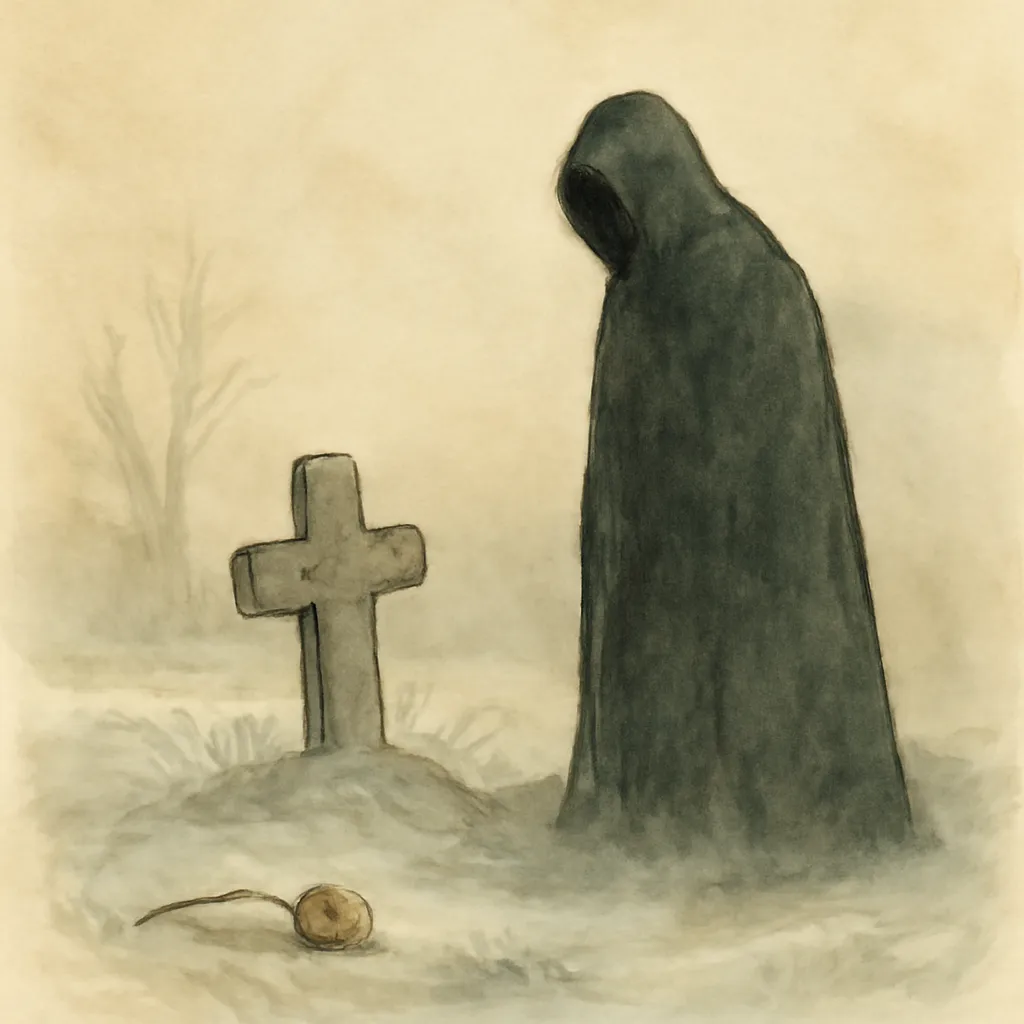
The final spirit, the Ghost of Christmas Yet to Come, presents a chilling vision of Scrooge’s potential future if he continues on his current path. The ghost, shrouded in darkness and silence, forces Scrooge to confront his own mortality and the legacy he will leave behind. In this vision, Scrooge's death is met with indifference and contempt, underscoring the consequences of a life lived in isolation and greed. The stark imagery of his unmarked grave shocks Scrooge into realizing that he has the power to change his fate. This haunting portrayal emphasizes the importance of legacy and the impact of our actions on others, urging readers to consider how they wish to be remembered.
5.Transformation Through Awareness
Scrooge’s transformation is catalyzed by his newfound awareness of the effects of his actions on others. Each ghost serves as a mirror, reflecting his past mistakes, present shortcomings, and potential future. This self-awareness is crucial in facilitating change, illustrating that recognizing one’s flaws is the first step towards redemption. Scrooge’s journey underscores the idea that it is never too late to change, as he ultimately embraces the spirit of Christmas with open arms. By choosing to live a life filled with generosity and compassion, Scrooge not only redeems himself but also enriches the lives of those around him. This message resonates deeply, reminding readers of the power of personal transformation.
6.The Importance of Community
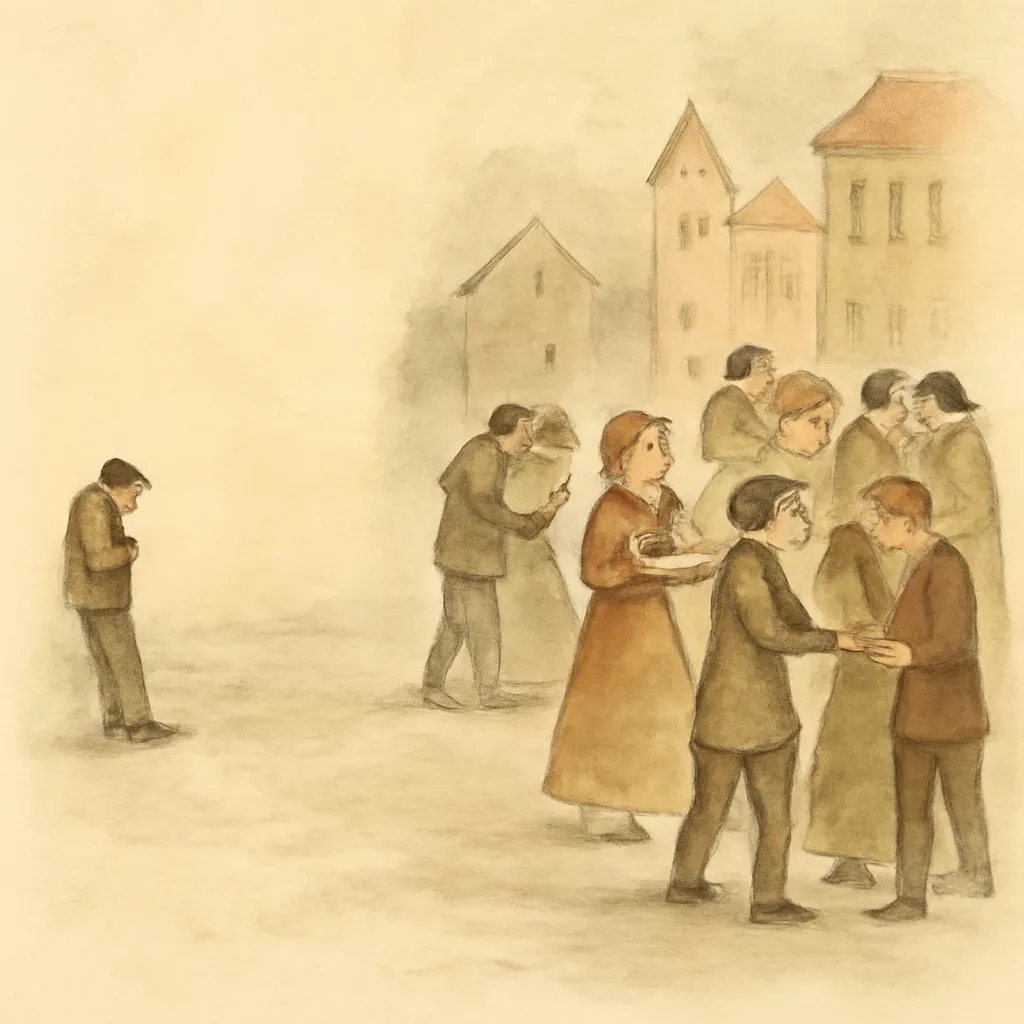
A recurring theme in 'A Christmas Carol' is the significance of community and human connection. Scrooge’s initial isolation starkly contrasts with the warmth of the Cratchit family and the joviality of his nephew Fred’s celebrations. Through these interactions, the narrative highlights how community fosters joy, support, and resilience. Scrooge’s eventual integration into this communal spirit reflects the idea that true fulfillment comes from relationships rather than wealth. Dickens emphasizes that during the holiday season, the bonds we create with others can uplift us and bring about profound change. This message encourages readers to cultivate connections and embrace the joy of giving during the festive season.
7.Redemption and Forgiveness
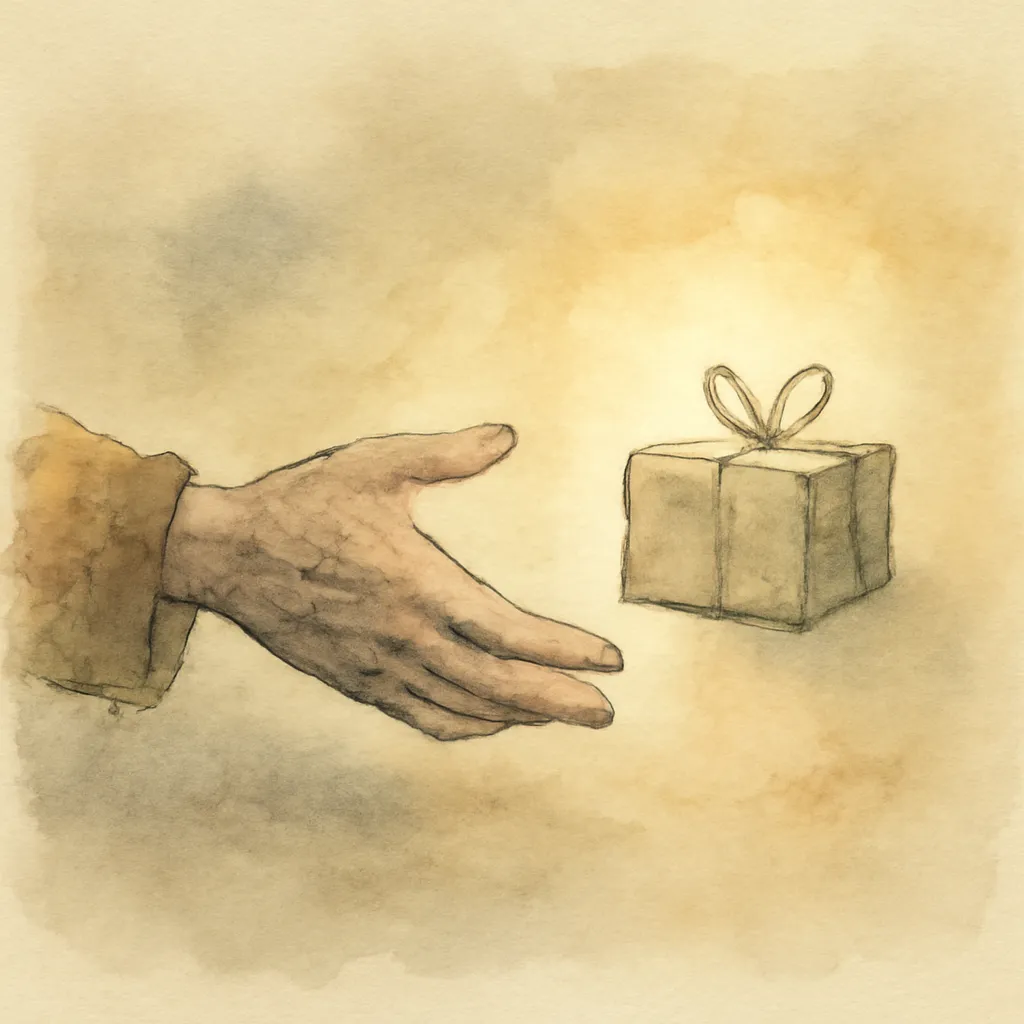
At its core, 'A Christmas Carol' is a story of redemption and the power of forgiveness. Scrooge’s transformation is not only about changing his own life but also about seeking forgiveness from those he has wronged. His interactions with the Cratchits and his nephew Fred reveal his desire to mend broken relationships and make amends. This pursuit of forgiveness illustrates that redemption is a two-way street; it involves both personal change and the willingness to reconnect with others. The narrative encourages readers to reflect on their own relationships and consider the importance of forgiveness in their lives. By embracing the spirit of forgiveness, individuals can experience their own transformations and foster healing within their communities.
8.The Spirit of Christmas
The overarching theme of 'A Christmas Carol' is the spirit of Christmas, which embodies generosity, kindness, and the joy of giving. Dickens paints a vivid picture of how these values can illuminate even the darkest of lives. Scrooge’s journey illustrates that the true spirit of Christmas lies not in material gifts but in the love and compassion we share with others. This message resonates deeply during the holiday season, reminding readers to prioritize kindness and community over consumerism. Scrooge’s ultimate embrace of Christmas spirit serves as a powerful call to action, urging individuals to embody these values year-round. The narrative posits that by fostering a spirit of generosity, we can create a more compassionate world.
9.The Role of Time
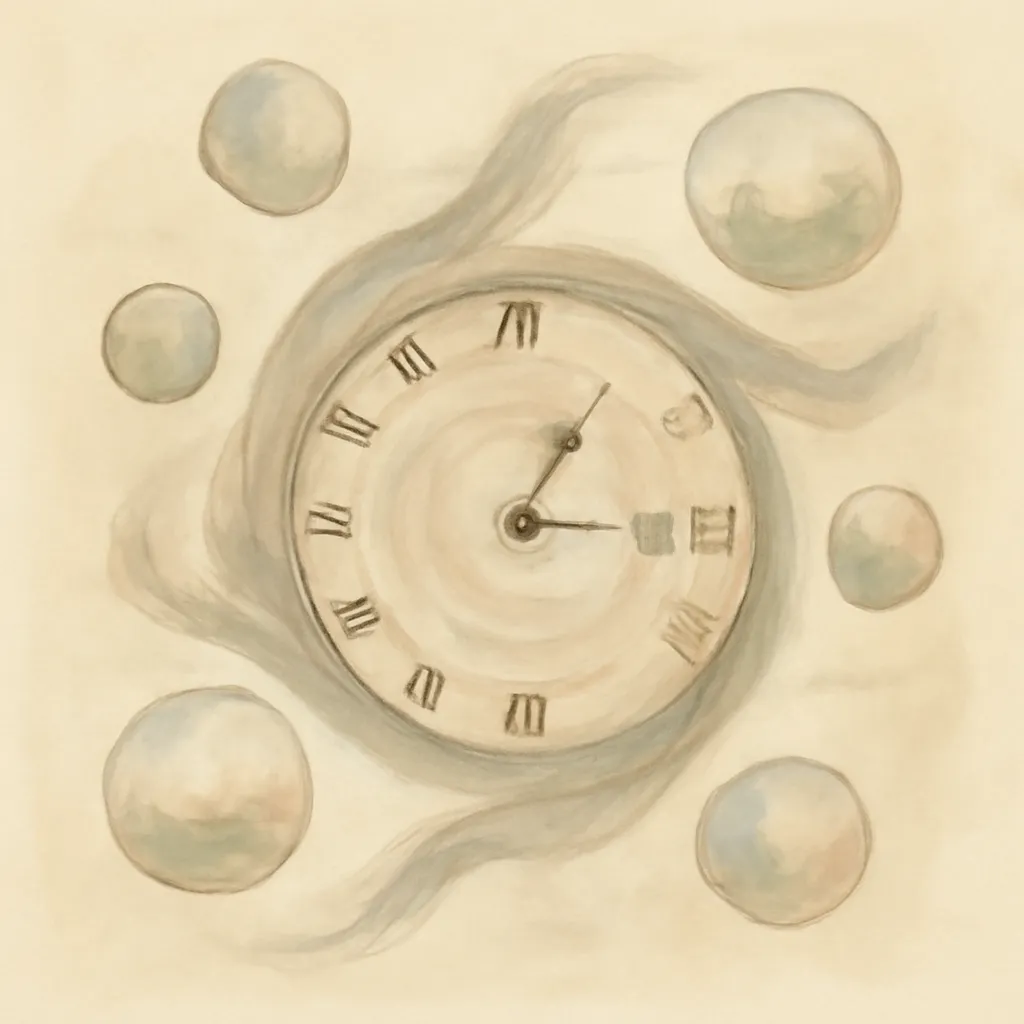
Time plays a significant role in 'A Christmas Carol,' as it is both a source of regret and a catalyst for change. Scrooge’s encounters with the three spirits emphasize the importance of living in the present while being mindful of the past and future. The narrative suggests that time is a precious resource that should be used wisely, as our choices today shape our tomorrows. Scrooge’s realization that he can change his fate highlights the idea that it is never too late to alter the course of one’s life. This reflection on time encourages readers to consider how they spend their days and to make conscious choices that align with their values. By valuing time and using it to foster connections, individuals can lead more fulfilling lives.