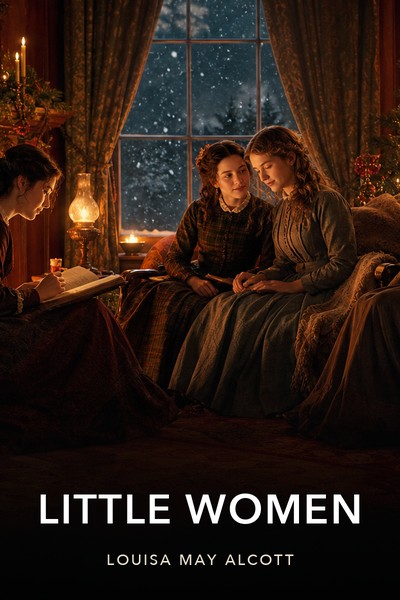

In 'Little Women', Louisa May Alcott captures the essence of family, sacrifice, and the pursuit of individuality amid societal expectations
Read full overviewShow less›
Set against the backdrop of the American Civil War, 'Little Women' follows the lives of the four March sisters—Meg, Jo, Beth, and Amy—as they navigate the challenges of growing up and the complexities of their dreams and relationships. Through their experiences, Alcott explores themes of poverty, gender roles, and personal ambition, presenting a rich tapestry of the joys and struggles of womanhood. Readers will find themselves drawn into the intimate world of the March family, where love, conflict, and resilience intertwine, revealing timeless lessons about what it means to be a woman in a changing world. This novel not only celebrates sisterhood but also encourages readers to reflect on their own aspirations and the sacrifices made in pursuit of them.
In 'Little Women', Louisa May Alcott crafts a timeless narrative that resonates with readers of all ages, exploring the complexities of womanhood, family, and personal aspiration. The March sisters' journeys reflect the struggles and triumphs that many face in their pursuit of identity and fulfillment. Alcott's rich characterizations and poignant themes invite readers to reflect on their own lives, encouraging them to cherish their relationships while pursuing their dreams. Ultimately, the novel serves as a celebration of resilience, love, and the indomitable spirit of women, making it a cherished classic that continues to inspire generations.
Ratings at a glance
- 1The Struggle with Poverty
- 2Individuality vs. Societal Expectations
- 3Sisterhood and Support
- 4The Role of Marriage
- 5The Importance of Personal Growth
A glimpse inside

From the very first chapter, the March sisters grapple with the realities of poverty and its impact on their lives. Jo's frustration at missing Christmas presents highlig… Read moreFrom the very first chapter, the March sisters grapple with the realities of poverty and its impact on their lives. Jo's frustration at missing Christmas presents highlights their financial struggles, setting the stage for the sacrifices they must make. Meg laments her old dress, while Amy expresses her envy of girls with plenty of pretty things. Yet, amidst their lamentations, Beth's contentment with family reflects a deeper understanding of wealth—one not measured by material possessions but by love and support. Alcott uses these contrasting perspectives to illustrate the varying responses to their shared hardships, emphasizing that true wealth lies in relationships rather than riches. Show less
Each sister embodies a distinct personality, representing different responses to societal norms. Meg, the eldest, yearns for wealth and status, aspiring to marry well and… Read moreEach sister embodies a distinct personality, representing different responses to societal norms. Meg, the eldest, yearns for wealth and status, aspiring to marry well and elevate her family's standing. Jo, fiercely independent and tomboyish, resists traditional gender roles, striving to be a writer in a male-dominated literary world. Amy, concerned with appearances and social acceptance, struggles with her vanity and the desire for artistic success. Beth, the gentle peacemaker, finds solace in service and music. Alcott masterfully portrays their journeys, revealing how societal expectations shape their choices and aspirations, and encouraging readers to consider the balance between personal desires and societal pressures. Show less
Read the full text — free
About the author
Louisa May Alcott has 2 works free to read on Lumina, including Moods
All 2 books by Louisa May Alcott →