Fiction · Short Reads
"And That's How It Was, Officer" by Ralph Sholto — Summary, Key Ideas & Full Text
37 pages4 chapters45 min read32 min speed read✦ 9-min Big ideasFree · no account
Rate it
A whirlwind of chaos and crime unfolds when a genius uncle takes matters into his own hands, leaving a newlywed couple in the crossfire
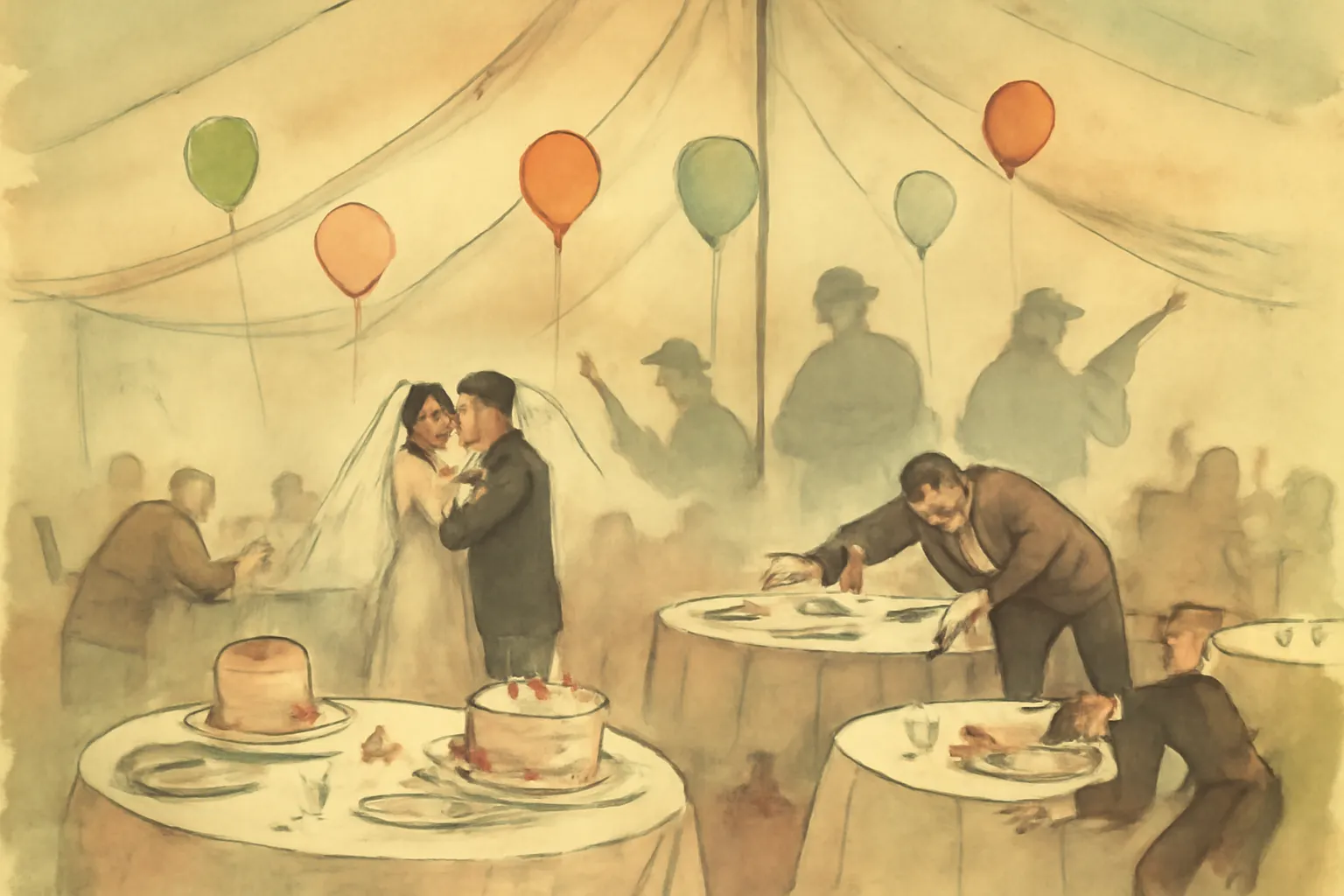
In 'And That's How It Was, Officer', Ralph Sholto crafts a humorous and chaotic tale that intertwines family dynamics, love, and the underworld of crime. The story begins with Homer Nicholas, a newlywed, who finds himself embroiled in a series of bizarre and dangerous events orchestrated by his eccentric Uncle Peter. As Homer navigates the fallout of Uncle Peter's unconventional methods to clean up Morton City, readers are treated to a blend of comedy, suspense, and a clever critique of morality. This narrative explores how good intentions can lead to unexpected consequences, and how the bonds of family can be both a source of strength and a catalyst for chaos. Prepare for a wild ride through a city shaken by crime and a wedding reception that turns into pandemonium.
Ralph Sholto's 'And That's How It Was, Officer' is a masterful blend of humor, chaos, and moral inquiry. Through the lens of a wedding gone awry and a family's unconventional methods of dealing with crime, the narrative explores profound themes of love, justice, and the consequences of our actions. The eccentric characters, particularly Uncle Peter, invite us to consider the complexities of genius and morality, while the unfolding chaos serves as a backdrop for deeper reflections on family dynamics and ethical dilemmas. In the end, the story challenges readers to ponder the nature of justice and the choices that define us, making it a compelling and thought-provoking read that resonates long after the final page is turned.
“And that's how it was, officer”
“Quite a while, Uncle Peter—off and on that is. I have some news for you. I am going to get married.”
“It's as plain as your nose! He's hand in glove with McCaffery and that blonde is bird-dogging him around town and pointing out McCaffery's enemies.”
Read Ralph Sholto's work free on Lumina — the complete text plus an 8-minute summary and key ideas, no account needed