Explore the timeless tales of gods, heroes, and the human condition through the vibrant myths of Jean Lang's 'A Book of Myths.'
Read full overviewShow less›
Jean Lang’s 'A Book of Myths' serves as a captivating gateway into the world of ancient stories that shaped human understanding of the divine and the moral landscapes of our ancestors. Through tales that span cultures and epochs, Lang reveals the intricate tapestry of myths that reflect both the virtues and vices of humanity. These narratives not only entertain but also invite readers to ponder the eternal questions about love, loss, courage, and the search for meaning. By delving into the stories of gods and heroes, we discover the profound connections between ancient beliefs and our modern lives, as the essence of human nature remains unchanged through the ages. In this exploration, readers will gain insight into how these myths have influenced literature, art, and culture, and how they continue to resonate in our own experiences.
Jean Lang's 'A Book of Myths' is not merely a collection of ancient tales; it is a profound exploration of the human experience through the lens of mythology. These narratives offer timeless wisdom, reflecting the complexities of love, ambition, fate, and the eternal struggle for understanding. By engaging with these myths, readers can find connections to their own lives, recognizing the enduring themes that shape our existence. The stories remind us that while the world may change, the core elements of humanity—our desires, fears, and hopes—remain constant. Ultimately, Lang’s work invites readers to reflect on their own journeys, drawing inspiration from the rich tapestry of myths that continue to inform and enrich our understanding of what it means to be human.
- 1The Divine and the Human: A Symbiotic Relationship
- 2The Role of Hope in Human Struggles
- 3The Consequences of Hubris: Lessons from Phaeton
- 4The Power of Love and Loss: Orpheus’ Descent into Hades
- 5The Interplay Between Fate and Free Will
Notable quotes
“It is not in a man's creed, but in his deeds; not in his knowledge, but in his sympathy, that there lies the essence of what is good and of what will last in human life.”
“Hope was thrust into the chest that held the evils, a star in a black night, a lily growing on a dung-heap.”
“True hope is swift, and flies with swallow's wings; Kings it makes gods, and meaner creatures kings.”
A glimpse inside

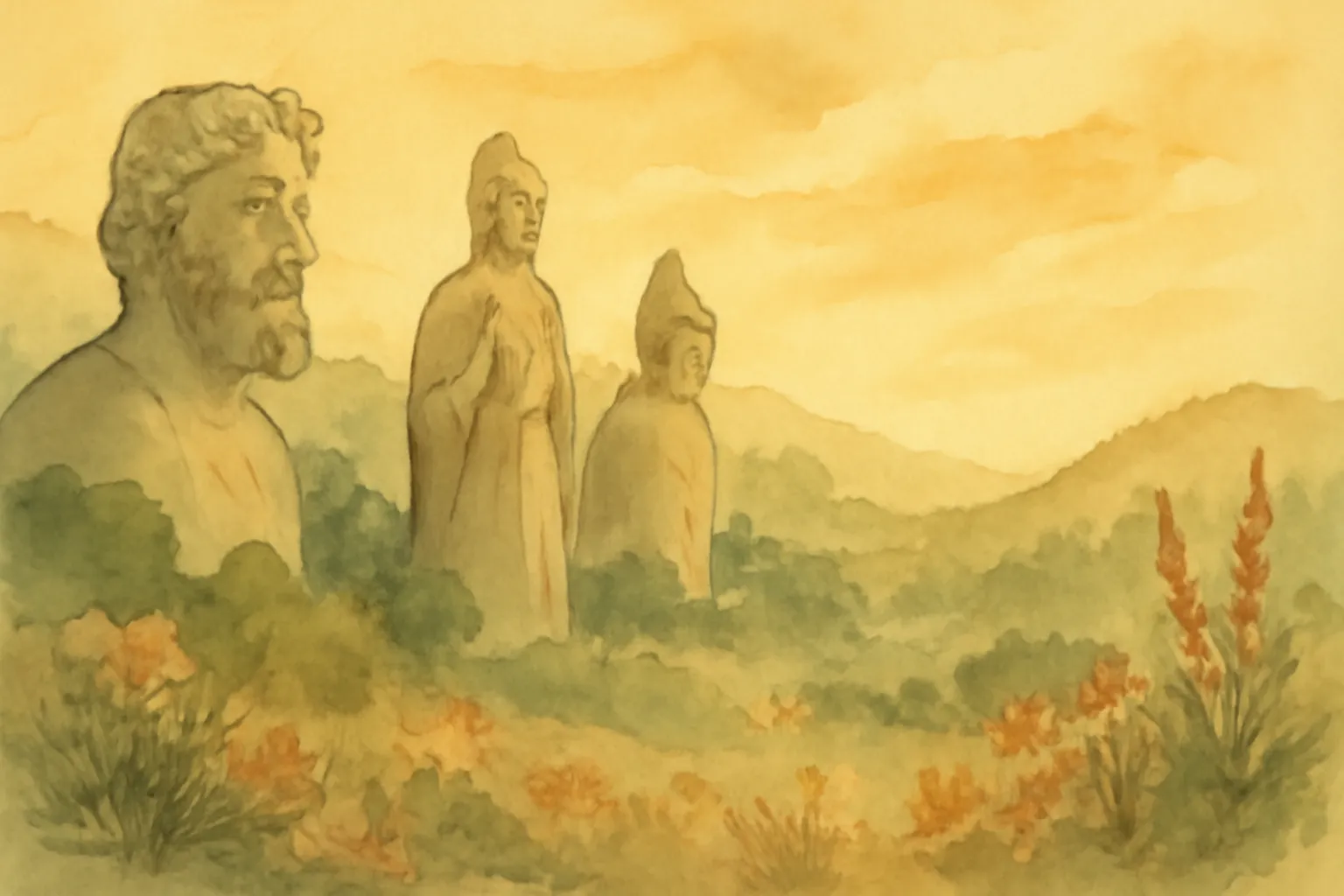
Lang emphasizes that in the ancient world, people viewed their gods through the lens of humanity, endowing them with both admirable qualities and human flaws. Read moreLang emphasizes that in the ancient world, people viewed their gods through the lens of humanity, endowing them with both admirable qualities and human flaws. This perspective reflects a deep desire to understand the divine through the familiar traits of love, jealousy, and ambition. For instance, the gods of the Greeks and Romans often mirrored the complexities of human behavior, illustrating how the ancients grappled with their own nature by projecting it onto their deities. As a result, myths became vehicles for exploring the human condition, allowing people to find solace and understanding in the tales of their gods. This symbiotic relationship highlights that while the forms of worship may evolve, the fundamental human experiences remain constant. The stories serve as timeless reminders that our pursuit of understanding is rooted in our very nature. By examining the narratives, readers can see how the ancients sought to comprehend their place in the universe, revealing an intrinsic connection between humanity and divinity. Show less
In one of the poignant tales, Pandora's box symbolizes the duality of existence, where hope is the lone gift amidst a world filled with suffering and despair. Read moreIn one of the poignant tales, Pandora's box symbolizes the duality of existence, where hope is the lone gift amidst a world filled with suffering and despair. When Pandora opens the box, she inadvertently releases evils upon humanity, yet it is the last remaining essence of hope that offers a lifeline to those afflicted. This narrative illustrates that, despite facing insurmountable challenges, it is hope that propels humanity forward. Lang draws parallels between this myth and the struggles of individuals throughout history, suggesting that hope is an intrinsic part of the human experience. Just as Milton and Shakespeare echoed the sentiments of hope in their works, so too do the myths reinforce the idea that perseverance, even in the face of adversity, is a defining characteristic of humanity. The concept of hope serves as a reminder that even in the darkest times, the potential for light and redemption remains. This theme resonates deeply, encouraging readers to cultivate hope in their own lives as a source of strength and resilience. Show less
Read the full text — free
About the author
Read Jean Lang's work free on Lumina — the complete text plus an 8-minute summary and key ideas, no account needed