1.The Divine and the Human: A Symbiotic Relationship
Lang emphasizes that in the ancient world, people viewed their gods through the lens of humanity, endowing them with both admirable qualities and human flaws. This perspective reflects a deep desire to understand the divine through the familiar traits of love, jealousy, and ambition. For instance, the gods of the Greeks and Romans often mirrored the complexities of human behavior, illustrating how the ancients grappled with their own nature by projecting it onto their deities. As a result, myths became vehicles for exploring the human condition, allowing people to find solace and understanding in the tales of their gods. This symbiotic relationship highlights that while the forms of worship may evolve, the fundamental human experiences remain constant. The stories serve as timeless reminders that our pursuit of understanding is rooted in our very nature. By examining the narratives, readers can see how the ancients sought to comprehend their place in the universe, revealing an intrinsic connection between humanity and divinity.
2.The Role of Hope in Human Struggles
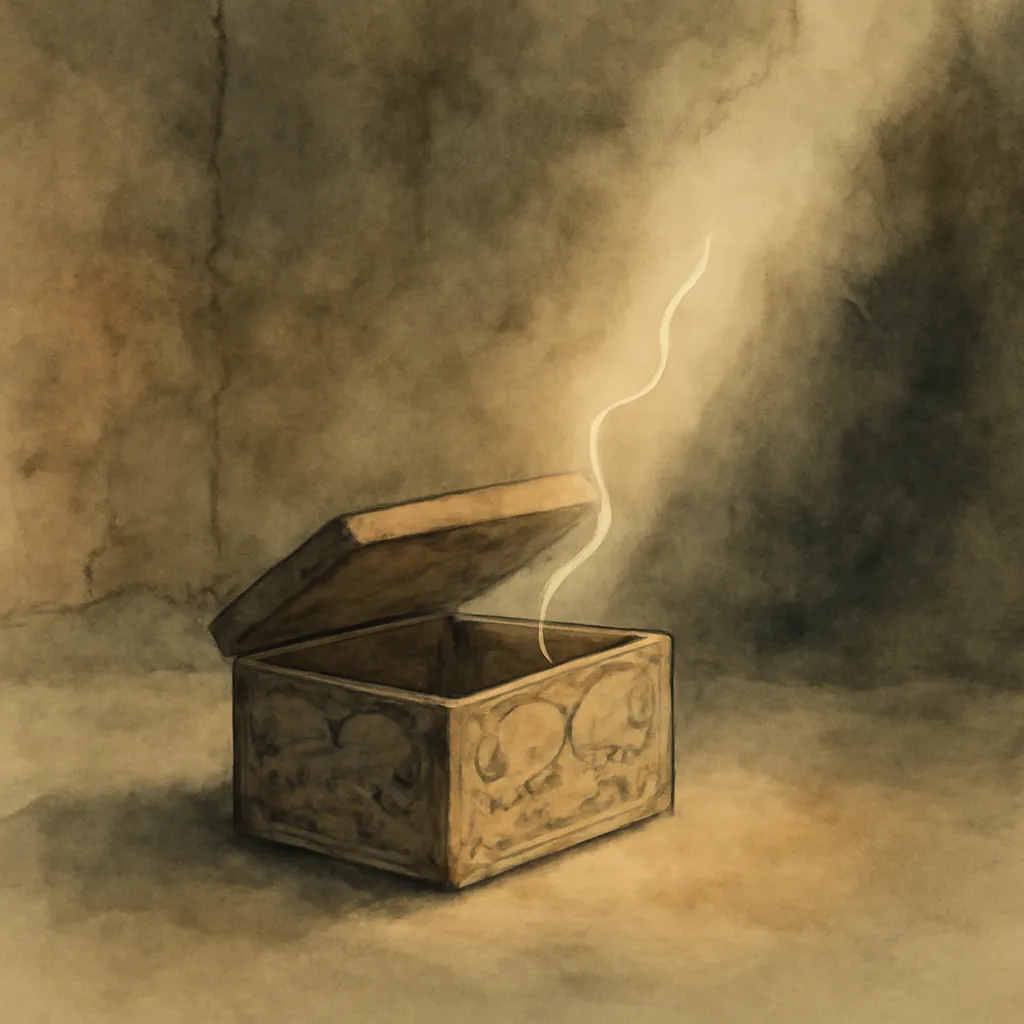
In one of the poignant tales, Pandora's box symbolizes the duality of existence, where hope is the lone gift amidst a world filled with suffering and despair. When Pandora opens the box, she inadvertently releases evils upon humanity, yet it is the last remaining essence of hope that offers a lifeline to those afflicted. This narrative illustrates that, despite facing insurmountable challenges, it is hope that propels humanity forward. Lang draws parallels between this myth and the struggles of individuals throughout history, suggesting that hope is an intrinsic part of the human experience. Just as Milton and Shakespeare echoed the sentiments of hope in their works, so too do the myths reinforce the idea that perseverance, even in the face of adversity, is a defining characteristic of humanity. The concept of hope serves as a reminder that even in the darkest times, the potential for light and redemption remains. This theme resonates deeply, encouraging readers to cultivate hope in their own lives as a source of strength and resilience.
3.The Consequences of Hubris: Lessons from Phaeton
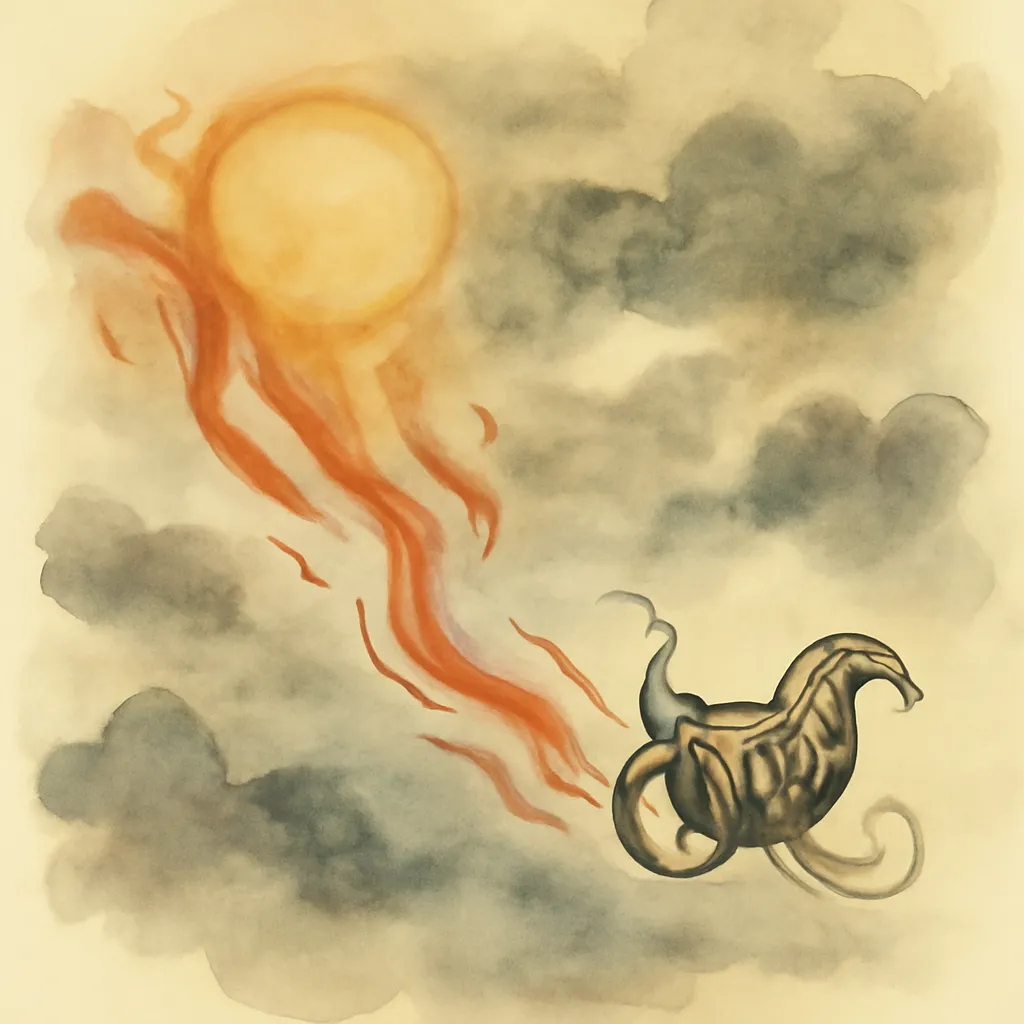
The tale of Phaeton, who attempts to drive the sun chariot, serves as a cautionary story about the dangers of hubris and overreaching ambition. Phaeton, filled with pride and a desire to prove his divine heritage, ultimately loses control of the chariot, leading to chaos and destruction. This myth encapsulates the idea that ambition must be tempered with wisdom and humility. Lang underscores how Phaeton's tragic downfall resonates with the age-old lesson that unchecked ambition can lead to catastrophic consequences. The narrative invites reflection on modern parallels, where individuals may pursue greatness without considering the ramifications of their actions. Phaeton's story is a powerful reminder that while striving for greatness is noble, it is vital to remain grounded and aware of one's limitations. By examining the fallout from Phaeton's hubris, readers are encouraged to pursue their ambitions thoughtfully, reflecting on how their choices may impact not only themselves but also those around them.
4.The Power of Love and Loss: Orpheus’ Descent into Hades
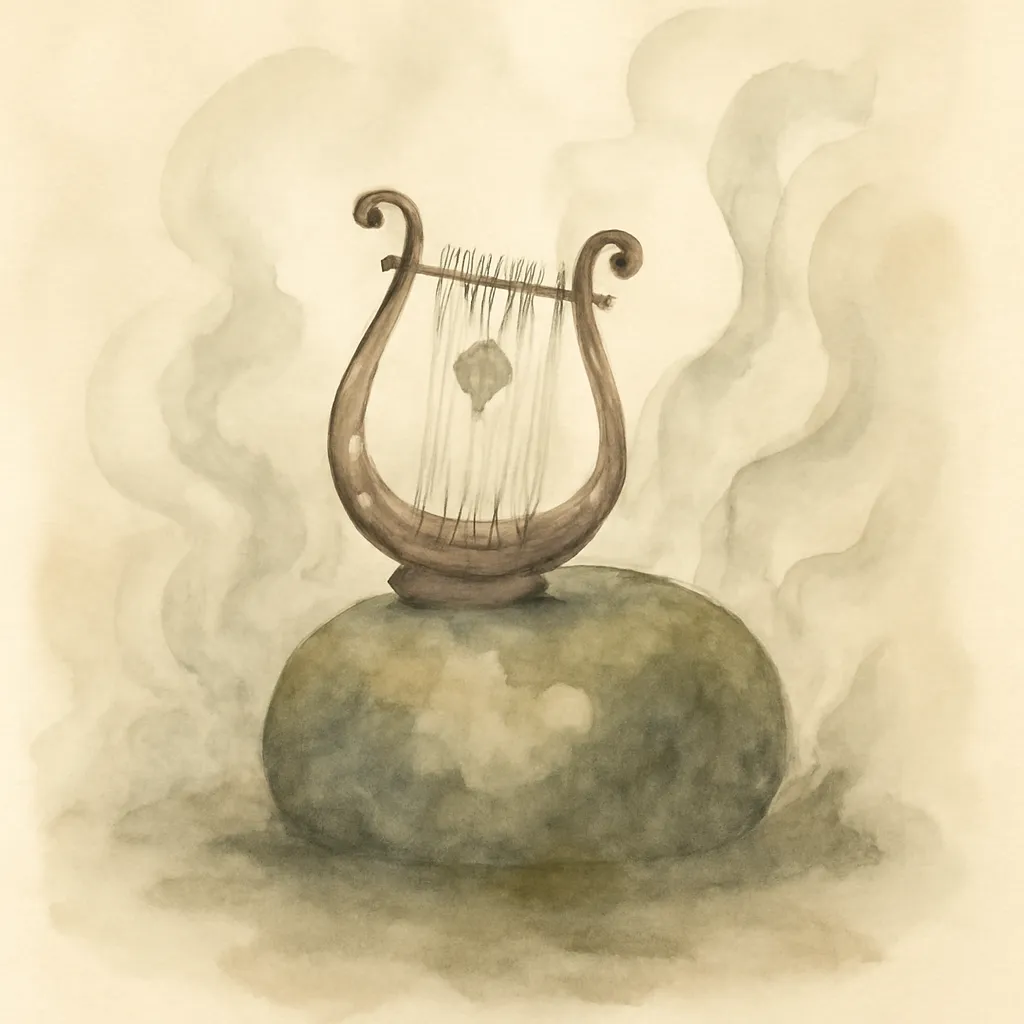
Lang's retelling of Orpheus’ journey to the underworld to retrieve his beloved Eurydice highlights the transformative power of love and the depths of human grief. Orpheus’ music, which moves gods and beasts alike, symbolizes the profound connection between love and artistry. His descent into Hades is a testament to the lengths one will go for love, embodying both hope and despair. However, the story takes a tragic turn when Orpheus is unable to resist the urge to look back at Eurydice, resulting in her eternal loss. This poignant moment encapsulates the fragility of love and the inevitability of loss, serving as a reminder that love, while beautiful, often comes with pain and sacrifice. Lang draws on this narrative to illustrate how love and loss shape the human experience, resonating with readers who have faced similar heartaches in their own lives. The emotional weight of Orpheus' story encourages readers to reflect on their relationships and the transient nature of life, reminding us to cherish our loved ones while we can.
5.The Interplay Between Fate and Free Will
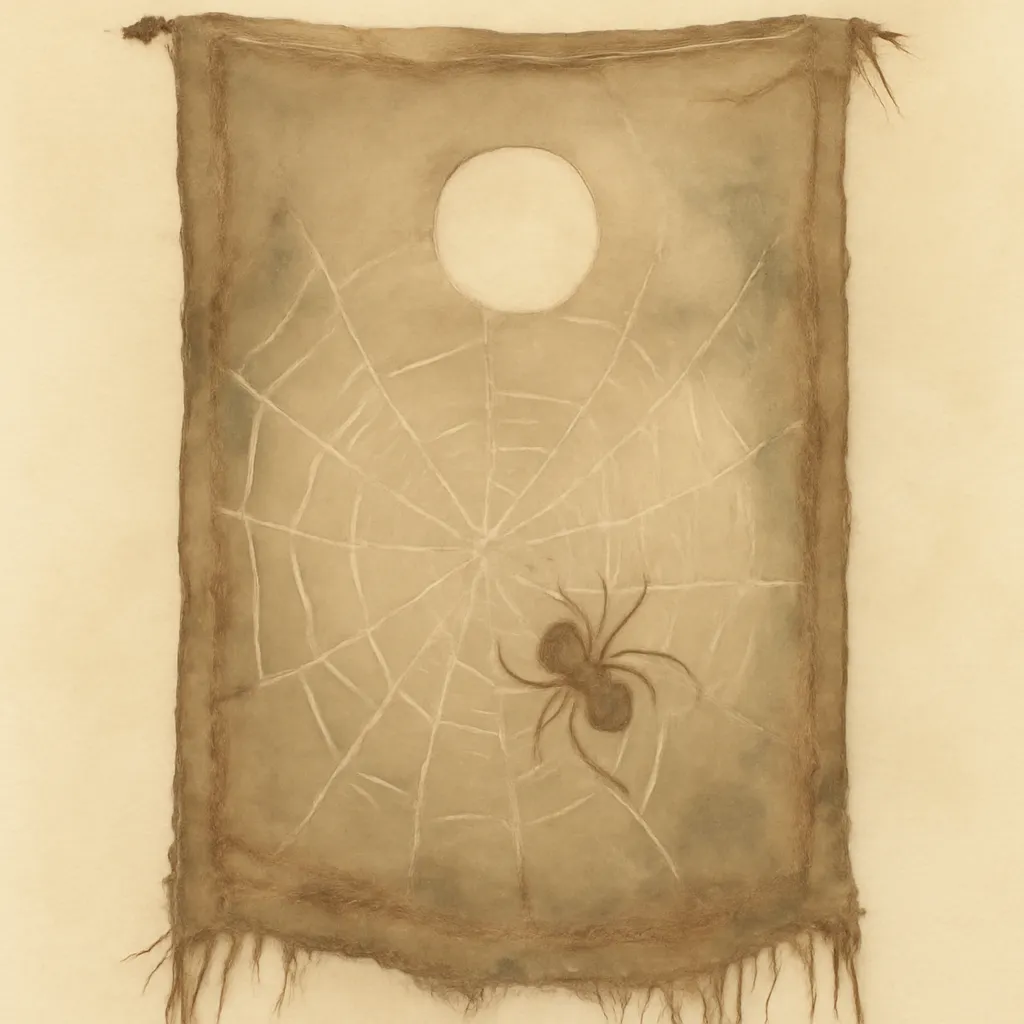
The myths explored in Lang’s work frequently grapple with the tension between fate and free will, as seen in the story of Arachne, who challenges the goddess Athena to a weaving contest. Arachne’s hubris leads to her transformation into a spider, a fate she cannot escape. This narrative raises questions about the limits of human agency and the consequences of defying divine order. Lang illustrates how these themes resonate across cultures, emphasizing that while individuals may strive for autonomy, they are often bound by the larger forces of fate. The interplay between fate and free will invites readers to reflect on their own lives, considering how much of their destiny is shaped by personal choices versus external circumstances. It serves as a reminder of the complexities of life, where human effort and cosmic forces collide. By examining Arachne's story, readers can better understand the delicate balance between striving for personal goals and recognizing the limits imposed by fate.
6.The Tragic Hero: Beowulf and the Nature of Valor
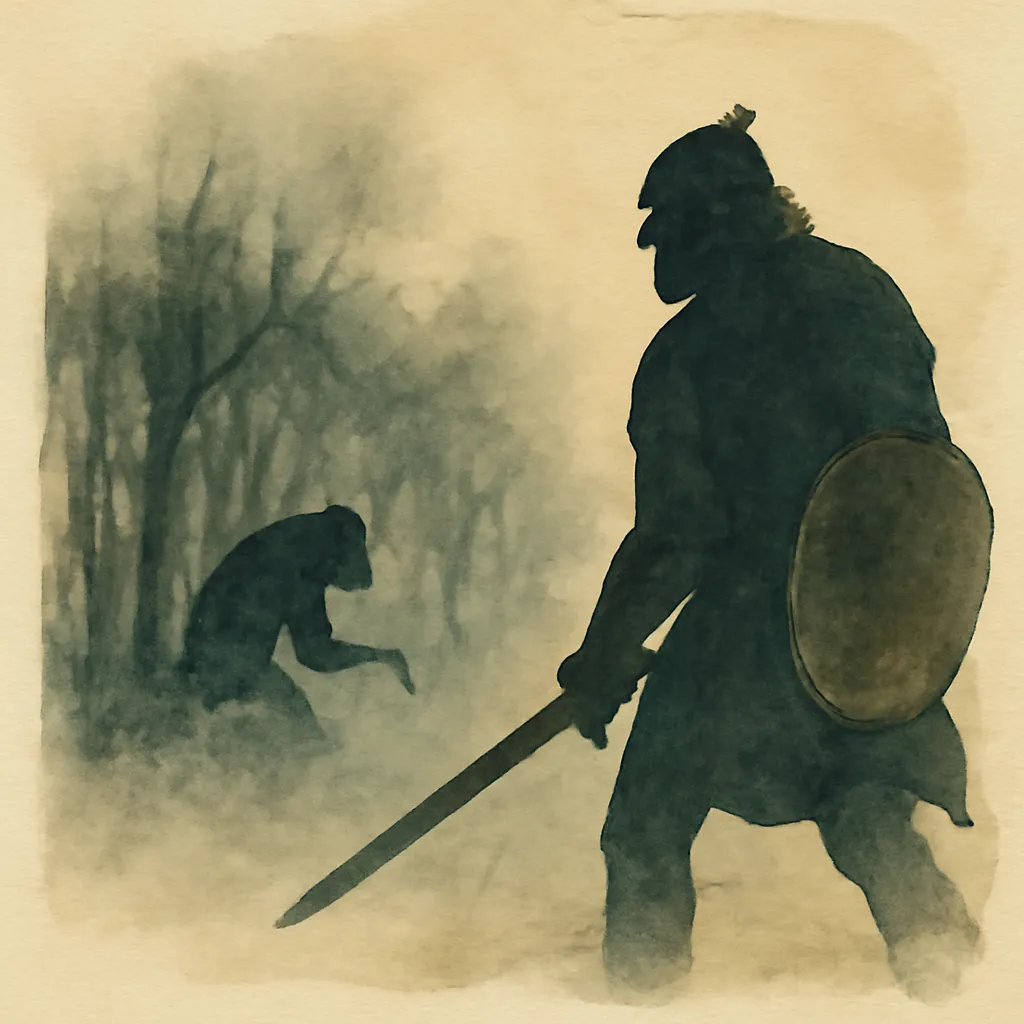
Beowulf stands as a monumental figure in Lang's exploration of heroism, embodying the qualities of bravery, loyalty, and sacrifice. As he faces the monstrous Grendel, Beowulf’s valor is not merely a display of strength but a reflection of his commitment to his people and his desire for glory. Lang highlights the nuances of Beowulf’s character, illustrating that true heroism involves not just physical prowess but also moral integrity. The tragic elements of the story, including Beowulf’s eventual demise, underscore the idea that even the greatest heroes are not invincible. This narrative invites readers to consider the nature of heroism in their own lives, recognizing that courage often comes with a price and that the legacy of a hero is defined not only by their victories but also by their sacrifices. By examining Beowulf's journey, readers are encouraged to reflect on what it means to be a hero in their own context, exploring the responsibilities and moral dilemmas that come with such a role.
7.The Eternal Cycle of Life and Death: Myths of Transformation
Lang delves into various myths that illustrate the cyclical nature of life and death, including the stories of Persephone and the seasonal changes. Through these narratives, the concept of transformation becomes central, highlighting how death is not an end but a necessary part of life’s continuum. Persephone’s descent into the underworld and subsequent return symbolizes the seasonal cycles of nature, reflecting the interconnectedness of life and death. Lang emphasizes that these myths reinforce the idea that change is an inherent aspect of existence, encouraging readers to embrace the transitions in their own lives. The cyclical nature of these narratives serves as a powerful reminder that endings often lead to new beginnings, a theme that resonates deeply with the human experience. By reflecting on these stories, readers can find comfort in the knowledge that life is a series of transformations, each with its own significance and lessons.
8.The Reflection of Society in Myths
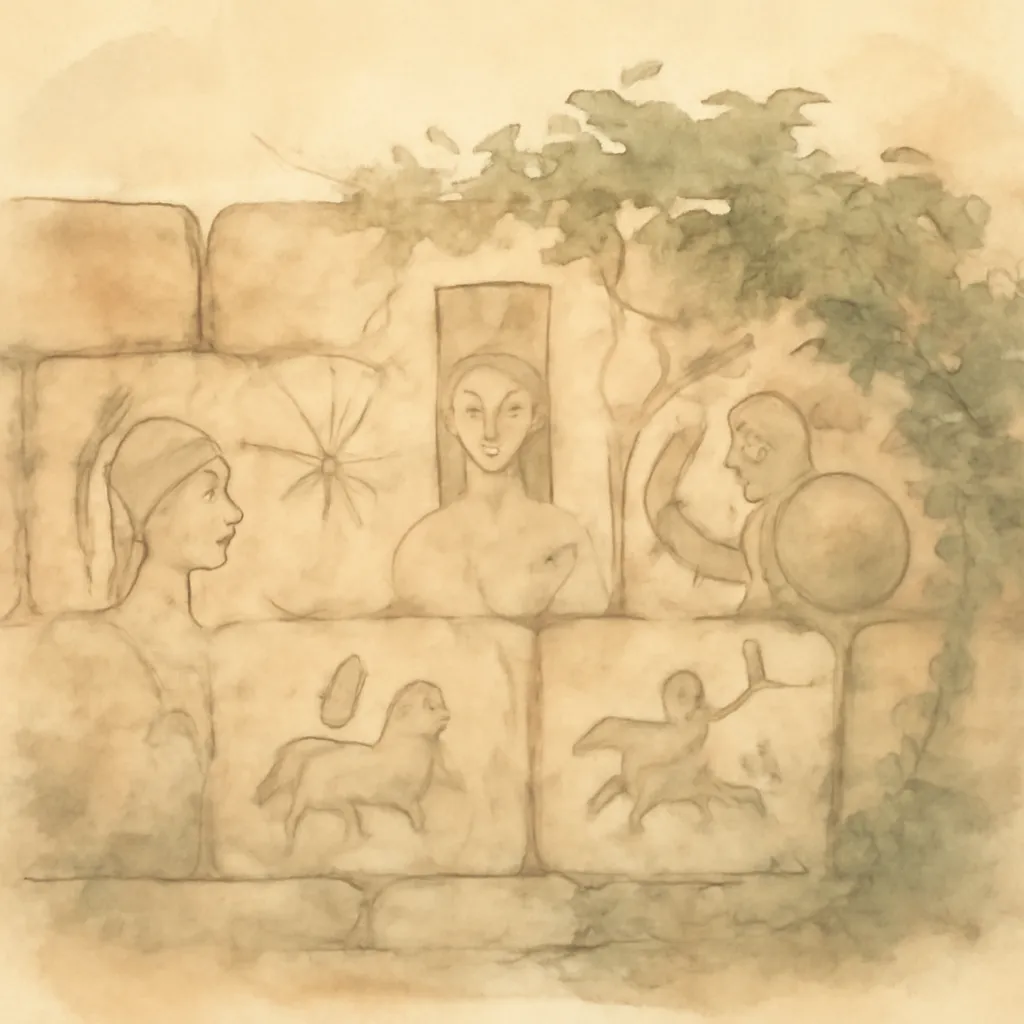
Lang argues that myths serve as a mirror to the societies that create them, reflecting cultural values, fears, and aspirations. The stories of gods and heroes often encapsulate the moral frameworks and social norms of their time, providing insight into how ancient peoples understood their world. For example, the tales of gods wielding power and control over nature reveal humanity's struggle to comprehend the forces beyond their understanding. Lang suggests that studying these myths allows modern readers to gain a deeper appreciation for the historical context from which they emerged, offering valuable lessons about human nature and societal dynamics. By examining the narratives, readers can discern the evolving ideals of heroism, justice, and morality that continue to shape contemporary thought. This reflection on societal values encourages readers to critically assess their own beliefs and the myths that influence them, fostering a greater understanding of the cultural narratives that persist today.
9.The Enduring Legacy of Mythology in Modern Culture
The relevance of Lang's 'A Book of Myths' extends beyond the ancient world, as these stories continue to influence modern literature, art, and popular culture. From contemporary films to novels, the archetypes and themes found in these myths are woven into the fabric of storytelling today. Lang emphasizes that the enduring nature of these narratives speaks to the universal human experiences they encapsulate, allowing them to resonate across generations. By recognizing the roots of modern storytelling in mythology, readers can appreciate the timelessness of these tales and their ability to inform our understanding of ourselves and our world. The legacy of these myths serves as a testament to the power of storytelling in shaping human consciousness and cultural identity. In a world that often feels fragmented, these enduring narratives offer a sense of continuity and connection to the shared experiences that define humanity.