1.Uncle Peter: The Eccentric Genius
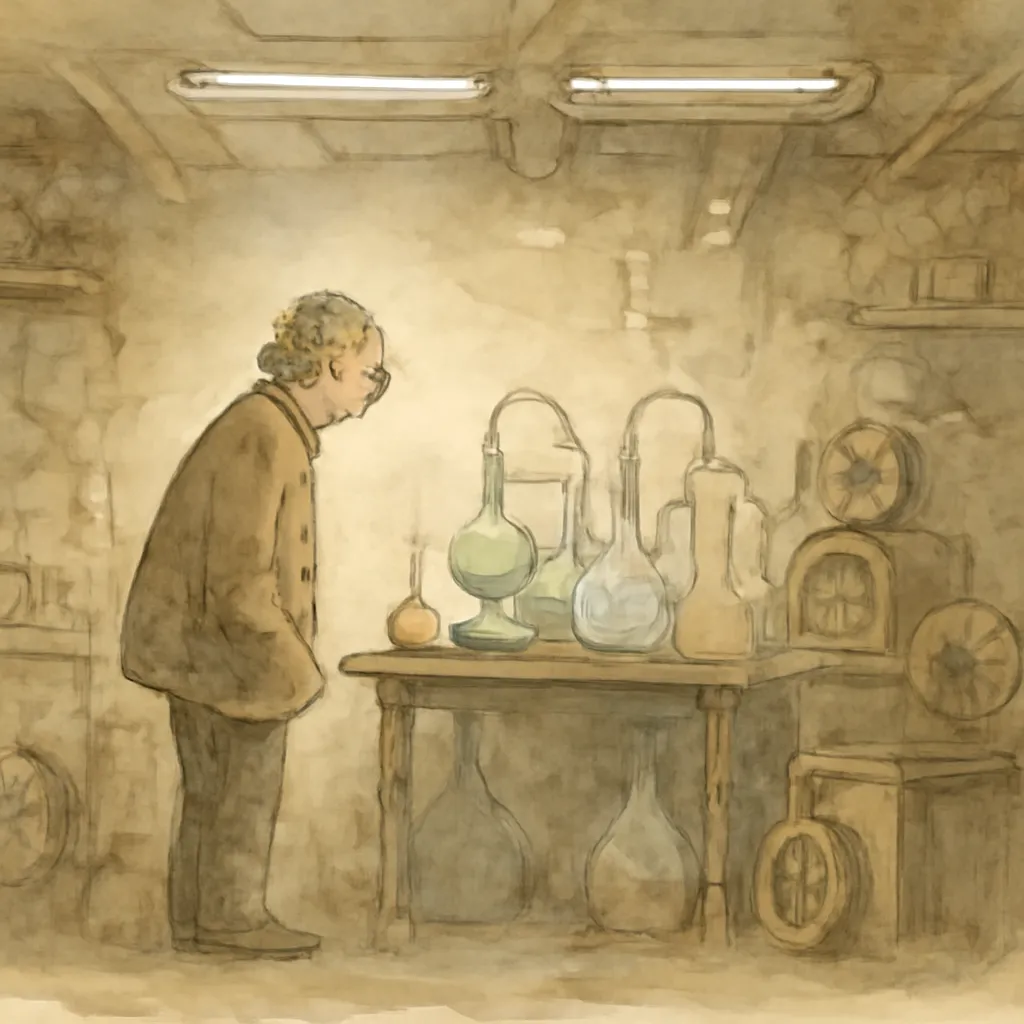
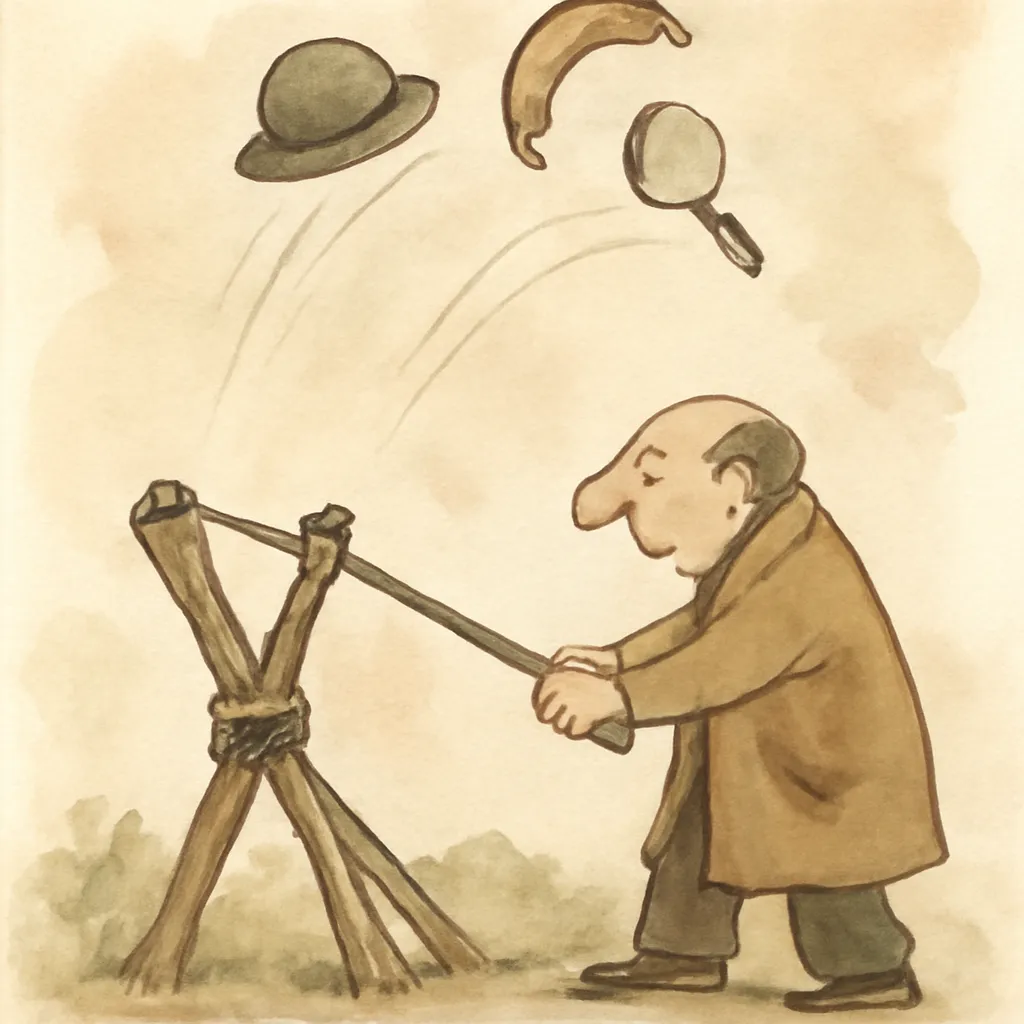
Uncle Peter Nicholas is portrayed as a brilliant yet unpredictable character, embodying both the genius of a scientist and the whimsy of a child. His laboratory, hidden away in the basement of his bungalow, serves as the backdrop for his outlandish experiments aimed at ridding Morton City of crime. Peter's character challenges the conventional notion of intelligence; while he can debate complex scientific theories, he often neglects social norms and the moral implications of his actions. This duality creates a tension in the narrative as Homer, his nephew, grapples with the consequences of Peter's radical approach to justice. Readers are left to ponder whether ends justify means, especially when those means are as questionable as Peter's methods. His character reflects the complexities of genius—capable of great good yet susceptible to reckless behavior.
2.The Wedding Reception Gone Awry
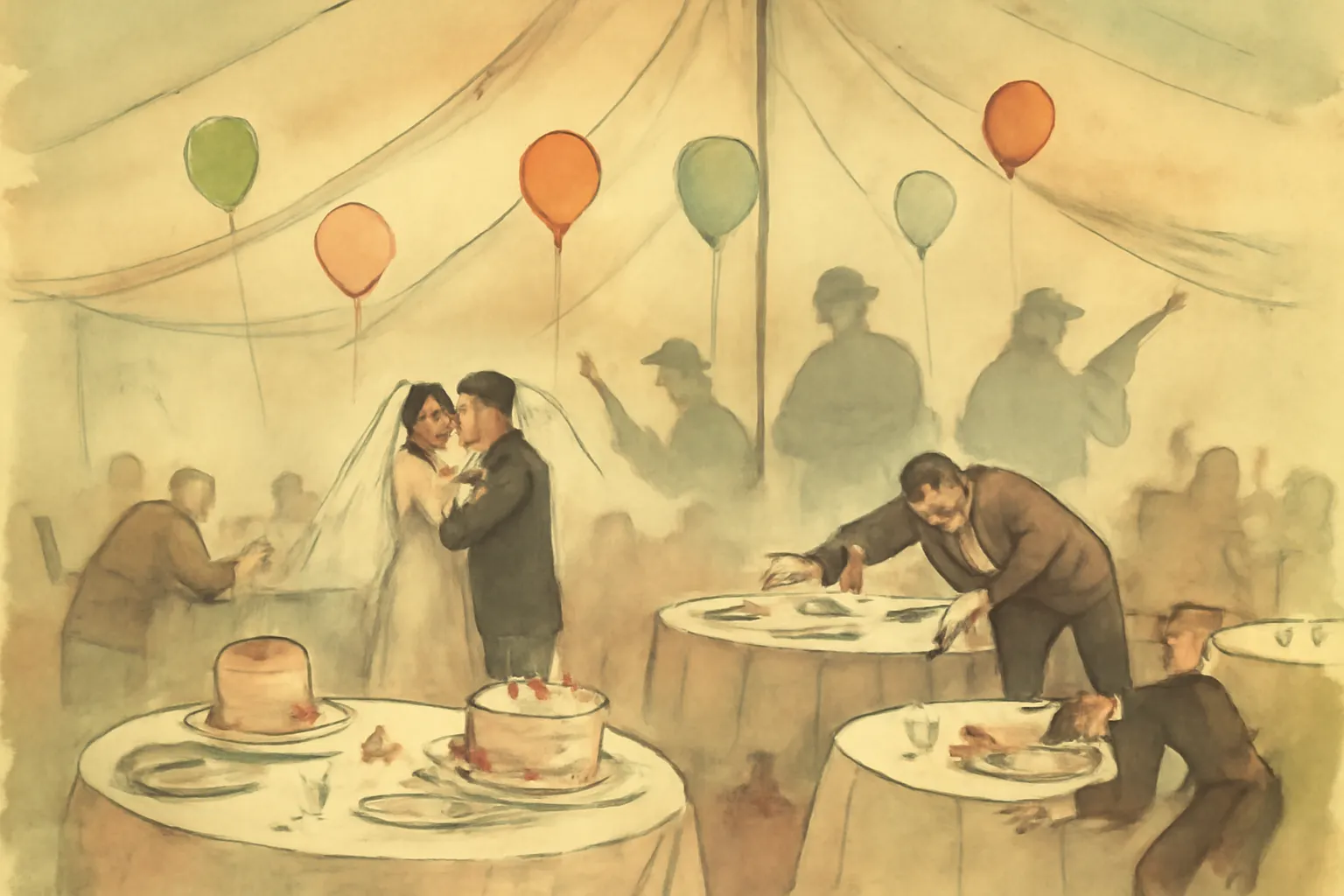
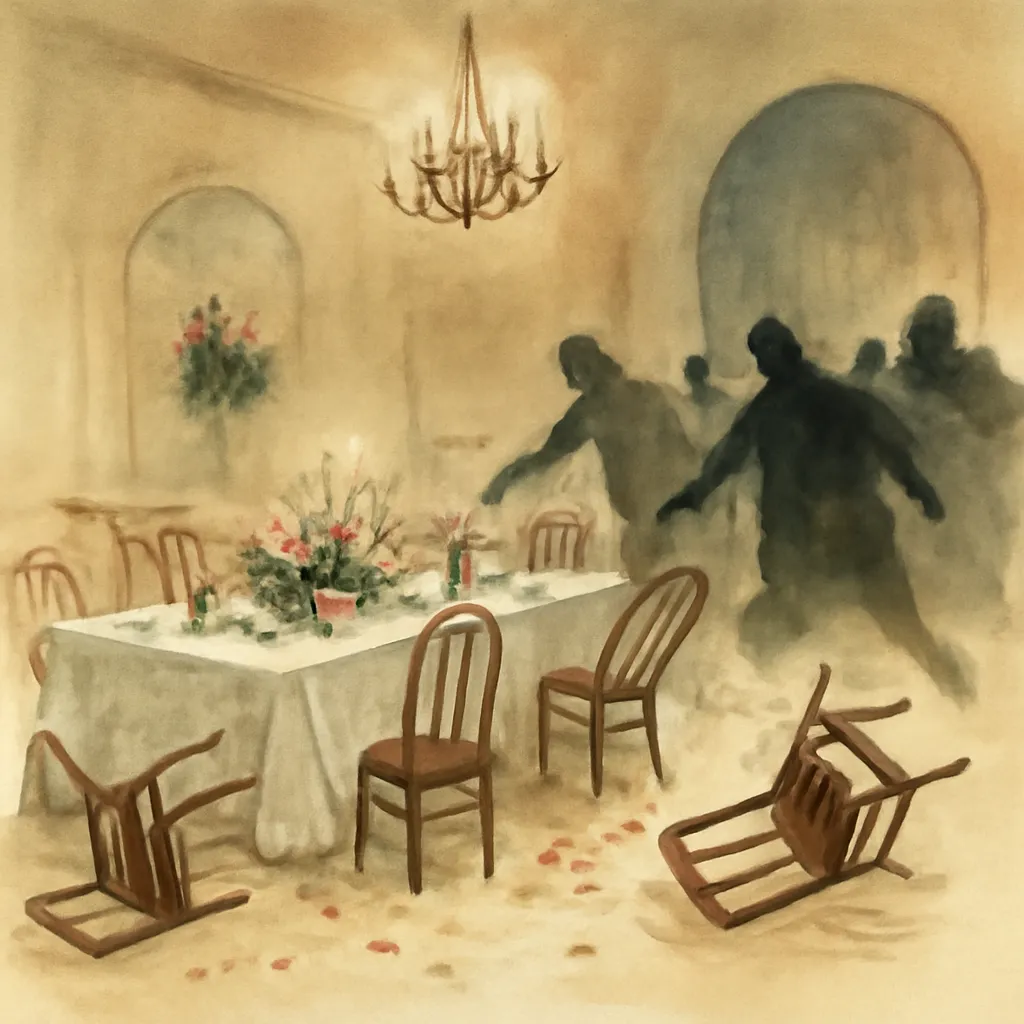
Homer and Joy's wedding reception serves as the catalyst for the chaos that ensues in Morton City. What should have been a joyous occasion quickly devolves into a nightmare when Uncle Peter invites a host of unsavory characters from the criminal underworld. The juxtaposition of a wedding celebration with the presence of gangsters highlights the absurdity of the situation, as Homer attempts to protect his bride from the very real dangers posed by these uninvited guests. The reception becomes a microcosm of the larger societal issues at play, where crime seeps into everyday life, disrupting even the most sacred of events. This scenario raises questions about the impact of one's choices on others, particularly how actions taken in the name of 'cleaning up' can lead to unexpected and dangerous repercussions. The reception's unraveling serves as a poignant reminder of how quickly joy can turn to chaos.
3.Love in the Midst of Chaos
Amidst the turmoil, the relationship between Homer and Joy emerges as a central theme of the narrative. Their love story is tested by the ridiculous circumstances imposed by Uncle Peter's actions. Joy, initially a doting bride, displays resilience and quick thinking as she navigates the dangers posed by the criminal elements at their wedding. Her character embodies the strength of partnership; she supports Homer while also taking charge in critical moments, showcasing a blend of vulnerability and empowerment. The couple's dynamic reflects the broader theme of love's ability to endure adversity. As they face the absurdities of their situation together, their bond deepens, illustrating that true love can thrive even in the most chaotic environments. This narrative thread emphasizes the importance of communication, trust, and teamwork in relationships, especially when faced with unexpected challenges.
4.Bag Ears Mulligan: The Reluctant Sidekick
Bag Ears Mulligan serves as Homer's comedic sidekick, providing both comic relief and a dose of reality amid the chaos. His character is a blend of cowardice and loyalty, often urging Homer to think twice before confronting the criminal element. Bag Ears' reluctance to engage in physical confrontations underscores the absurdity of the situation; he recognizes the dangers but still finds himself drawn into the fray. His interactions with Homer and Joy highlight the theme of friendship and loyalty, as he remains by their side despite his fears. Bag Ears' perspective adds depth to the narrative, offering a contrast to Uncle Peter's bravado and Homer's determination. Readers can relate to Bag Ears' hesitance, as it reflects the natural human instinct to avoid danger. His character serves as a reminder that not everyone is cut out for heroism, yet even the reluctant can play a crucial role in the unfolding story.
5.The Role of Authority: Police and Crime
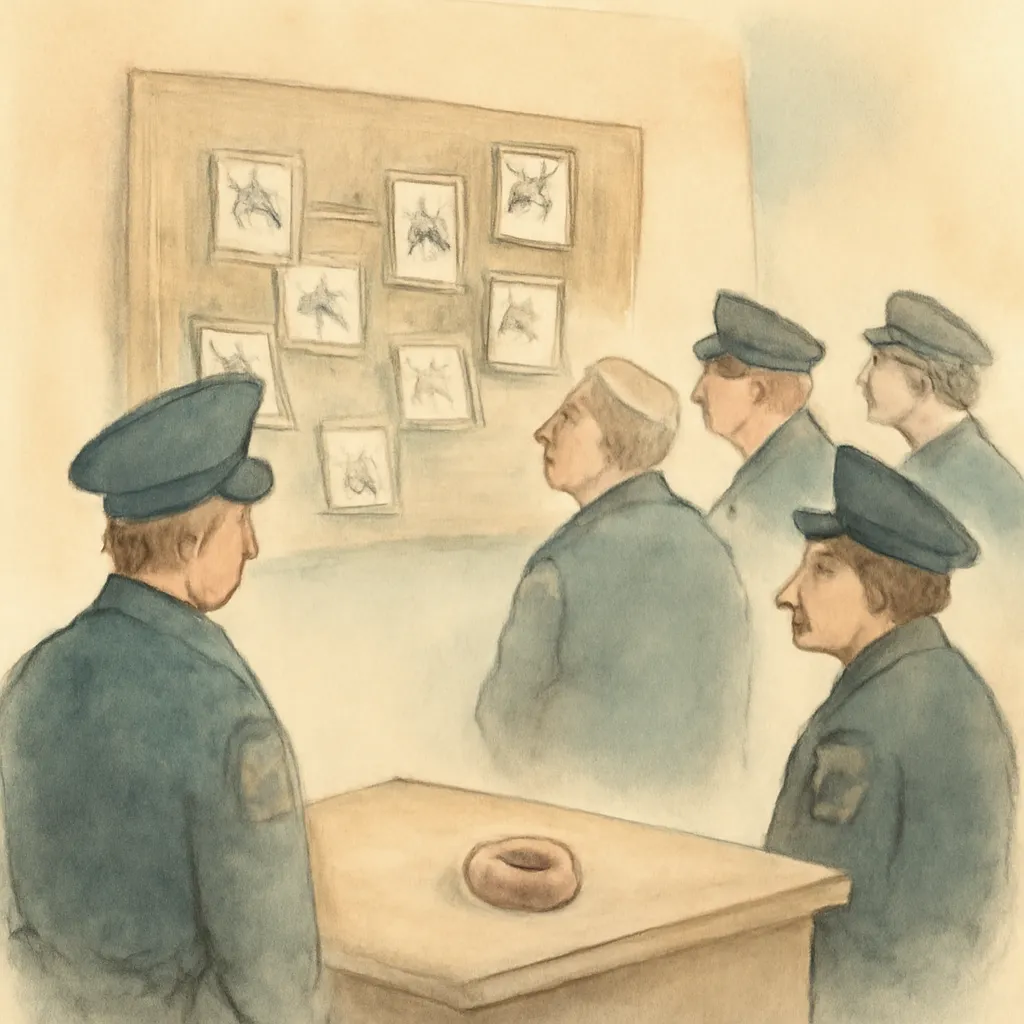
The presence of law enforcement in the narrative raises questions about authority and its effectiveness in dealing with crime. Chief David Nixon and his officers are portrayed as bewildered by the sudden disappearance of gangsters from Morton City, reflecting the challenges faced by those in power. The police's inability to understand the events at the wedding reception underscores the disconnect between law enforcement and the realities of crime. As Uncle Peter takes matters into his own hands, the story critiques the limitations of the legal system and the complexities of justice. This dynamic invites readers to consider the effectiveness of traditional methods of law enforcement versus unconventional approaches. The narrative suggests that sometimes, those who operate outside the law may achieve results that the authorities cannot, prompting a reevaluation of how society defines justice and morality.
6.The Absurdity of Crime
Sholto's narrative is steeped in absurdity, showcasing the ludicrous nature of crime and its consequences. The comedic elements interspersed throughout the story serve to highlight the ridiculousness of the situations that unfold. For instance, Uncle Peter's method of using a stick of gum to eliminate a police officer exemplifies the outrageous extremes to which he goes in his quest to rid the city of crime. This absurdity invites readers to reflect on the often surreal nature of criminal activity and its impact on ordinary lives. The narrative suggests that crime, while serious, can also lead to humorous and unexpected situations. By blending comedy with crime, Sholto crafts a story that entertains while also prompting deeper considerations about morality, justice, and human behavior. The absurdity serves as a vehicle for satire, poking fun at both criminals and those who seek to uphold the law.
7.The Impact of Unconventional Solutions
Uncle Peter's unconventional methods for addressing crime raise important questions about the morality of 'ends justifying the means.' His willingness to resort to drastic measures, such as eliminating undesirable individuals at a wedding reception, challenges traditional notions of justice. While his intentions may be noble, the consequences of his actions create a ripple effect that impacts not only the criminals but also innocent bystanders. This theme invites readers to explore the ethical implications of taking justice into one's own hands. Is it ever justifiable to harm others in the pursuit of a greater good? The narrative suggests that such actions can lead to unintended consequences, complicating the moral landscape. By presenting these dilemmas, Sholto encourages readers to engage with complex ethical questions, ultimately reflecting on the nature of justice and the responsibilities that come with power.
8.Family Dynamics: Love and Conflict
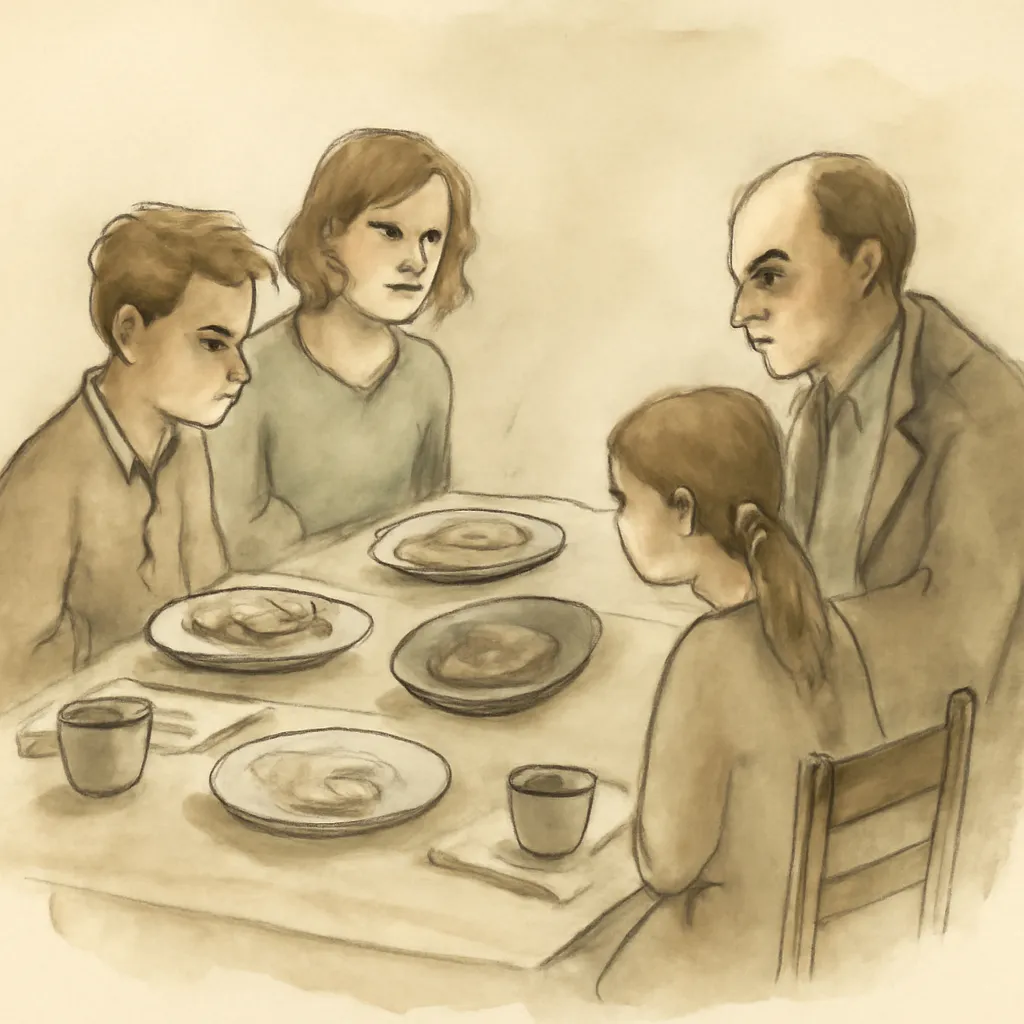
The relationship between Homer and Uncle Peter exemplifies the complexities of family dynamics, particularly when ambition and morality clash. Homer's frustration with Uncle Peter's reckless behavior reflects a broader theme of familial loyalty versus personal ethics. While Uncle Peter's actions stem from a desire to help, they often disregard the safety and well-being of his family. This tension creates a rich narrative exploring how family members can both support and challenge one another. The story illustrates that love within families can be complicated, as members navigate differing values and beliefs. Readers are invited to reflect on their own family dynamics, considering how love and conflict coexist. This exploration of familial relationships adds depth to the narrative, making it relatable and resonant for those who have experienced similar tensions in their own lives.
9.The Quest for Redemption
Throughout the narrative, themes of redemption and second chances emerge, particularly in relation to Uncle Peter's actions. His desire to cleanse the city of crime can be seen as a quest for redemption—an attempt to rectify perceived wrongs and contribute positively to society. However, the methods he employs raise questions about whether true redemption can be achieved through violence or manipulation. The narrative suggests that meaningful change requires more than just elimination; it calls for understanding, compassion, and collaboration. As Homer grapples with his uncle's choices, he is forced to confront his own beliefs about justice and redemption. This theme encourages readers to consider the complexities of forgiveness and the challenges of seeking redemption in a flawed world. Ultimately, the quest for redemption becomes a central thread, inviting reflection on the nature of change and the potential for growth amidst chaos.
10.The Final Confrontation
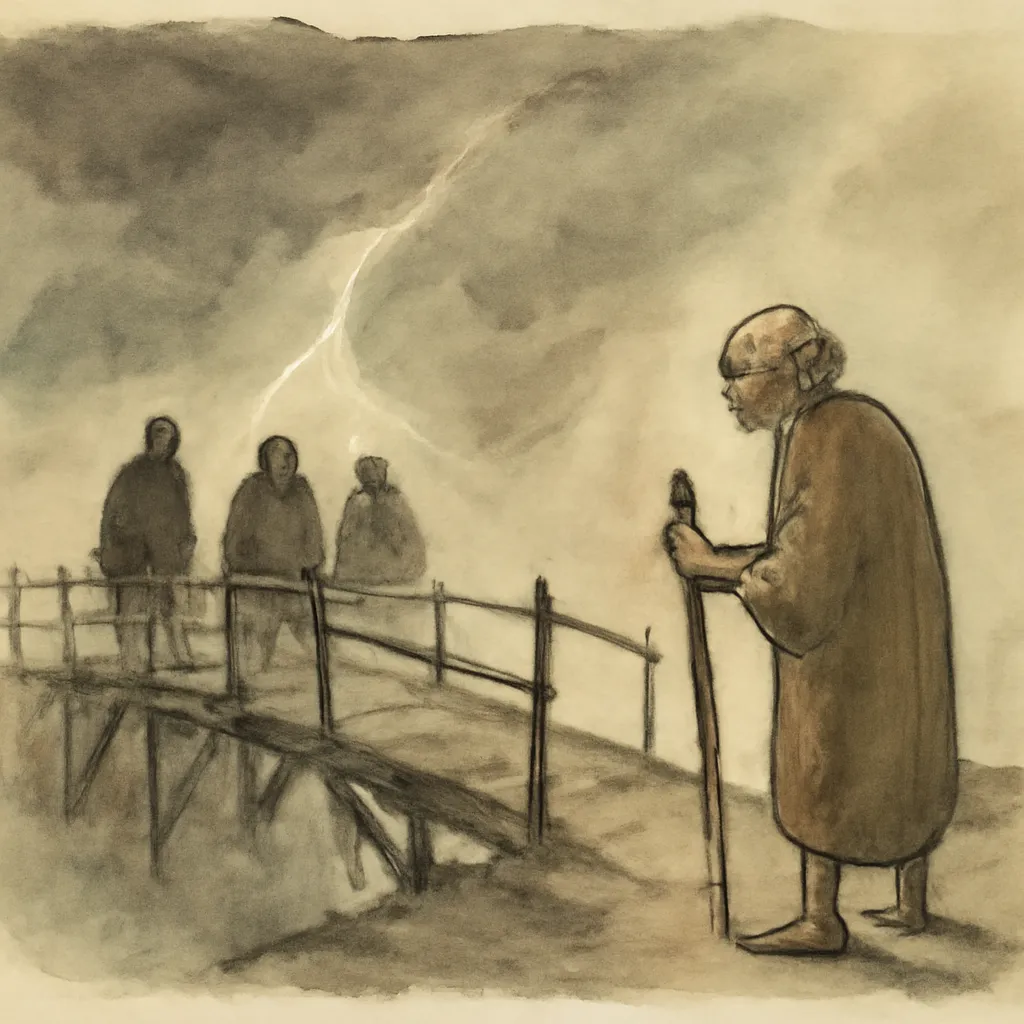
As the narrative builds towards its climax, the final confrontation between Homer, Uncle Peter, and the criminal elements culminates in a moment of reckoning. This confrontation serves as a turning point, forcing characters to confront the consequences of their actions and the reality of their choices. The chaos that ensues underscores the unpredictable nature of life, where plans can unravel in an instant. Homer finds himself at a crossroads, needing to decide whether to align with his uncle’s dangerous methods or to forge his own path. This moment encapsulates the broader themes of the story, where personal agency and moral responsibility collide. The resolution of this confrontation offers insights into the complexities of human behavior, illustrating that even amid chaos, individuals have the power to choose their responses. This climax serves as a poignant reminder that while circumstances may be beyond control, the choices made in response can define one’s character and legacy.