
Experience the chaos and fervor of the Gordon Riots through the intertwined lives of characters in Dickens' vivid historical narrative
Read full overviewShow less›
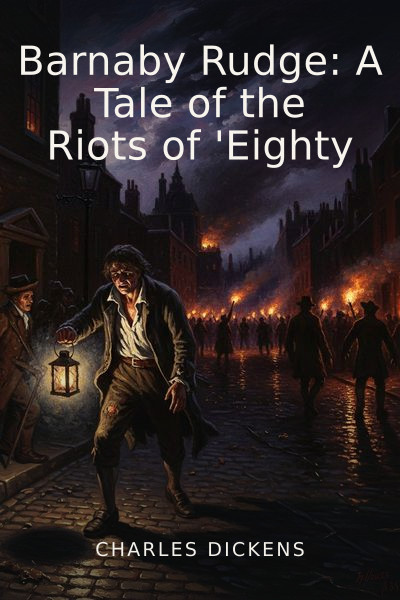
In 'Barnaby Rudge: A Tale of the Riots of 'Eighty', Charles Dickens presents a gripping narrative set against the backdrop of the Gordon Riots of 1780, illuminating the tumultuous relationship between society and the forces of rebellion. The story weaves together the lives of various characters, including the innocent Barnaby, the passionate Hugh, and the crafty Mr. Chester, creating a rich tapestry of human emotions, political strife, and moral dilemmas. Readers will be drawn into the vivid descriptions of the riots, the personal struggles of each character, and the societal implications of their actions. Dickens not only chronicles historical events but also explores themes of loyalty, love, and the quest for identity, making this tale a compelling exploration of human nature amidst chaos.
In conclusion, 'Barnaby Rudge: A Tale of the Riots of 'Eighty' serves as a powerful exploration of human nature amidst societal chaos. Dickens masterfully intertwines historical events with the personal struggles of his characters, revealing the complexities of loyalty, morality, and the impact of class divisions. The narrative serves as a cautionary tale about the consequences of fear and misinformation, urging readers to consider the importance of empathy and understanding in times of unrest. Ultimately, Dickens' portrayal of the Gordon Riots not only captures a pivotal moment in history but also resonates with contemporary issues, reminding us of the enduring relevance of these themes in our own lives.
Ratings at a glance
- 1The Historical Context of the Gordon Riots
- 2Barnaby Rudge: Innocence Amidst Chaos
- 3The Duality of Hugh: Hero and Villain
- 4The Role of Women: Dolly Varden's Strength
- 5The Power of Class and Society
Notable quotes
“‘Is that all?’ he repeated, ‘yes, that’s all, sir. And enough too, I think.’”
“‘The way—’ repeated the other, irritably.”
“‘You are ill,’ said Gabriel. ‘Let me call some neighbour in.’”
A glimpse inside

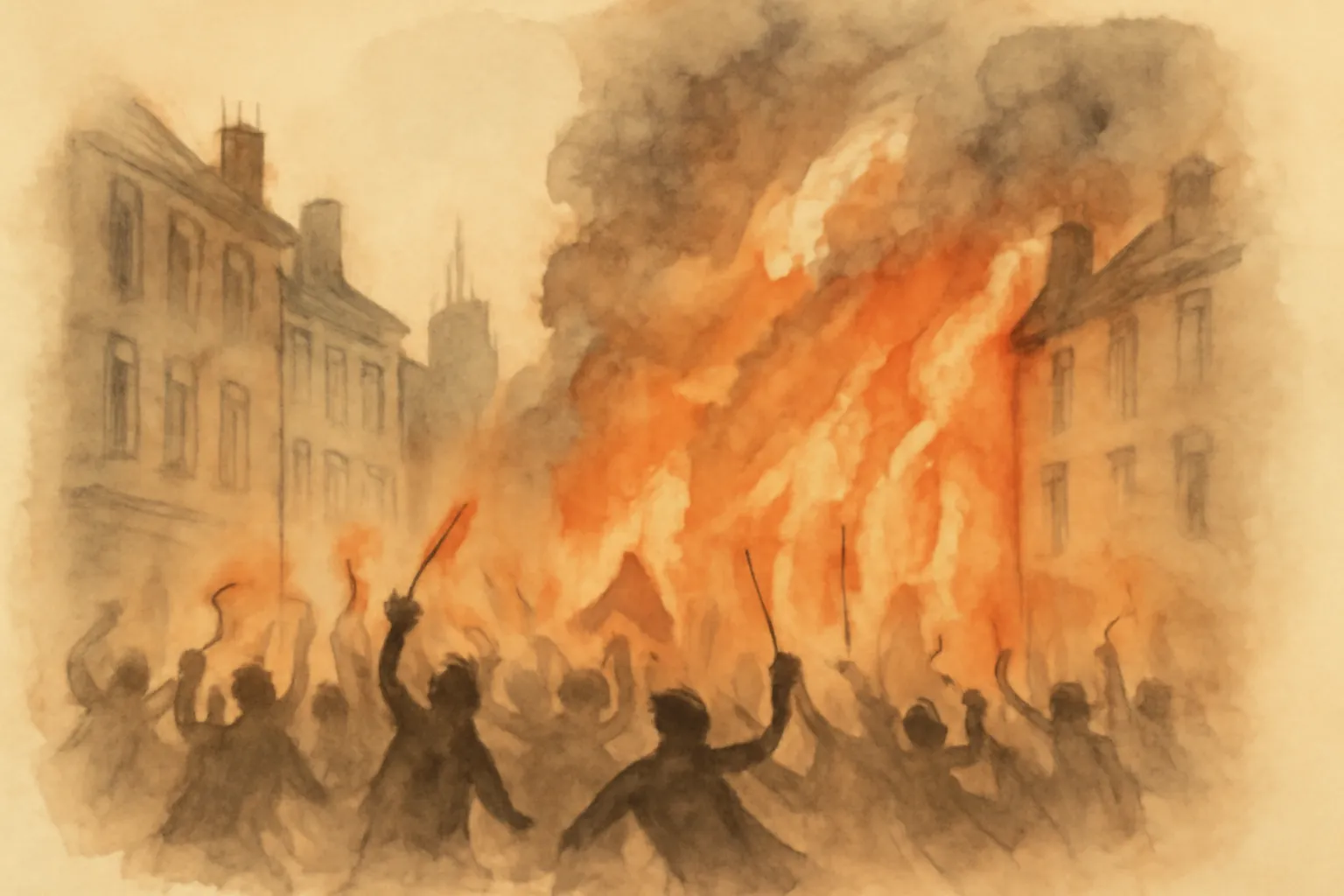
Dickens sets the stage for 'Barnaby Rudge' by immersing readers in the historical context of the Gordon Riots, which erupted in London in 1780. Read moreDickens sets the stage for 'Barnaby Rudge' by immersing readers in the historical context of the Gordon Riots, which erupted in London in 1780. These riots were fueled by anti-Catholic sentiments, stemming from the influence of George Gordon, who led a protest against the government’s support of Catholic emancipation. The narrative encapsulates the atmosphere of fear and frenzy that engulfed the city, portraying how the populace's grievances erupted into violent protests. Dickens meticulously chronicles the sequence of events, from the initial peaceful demonstrations to the chaos that ensued, illustrating how economic hardship and social injustice ignited the flames of rebellion. Through Barnaby Rudge, whose innocence contrasts sharply with the surrounding violence, the author emphasizes that the actions of the mob stem from a desperate desire for change, reflecting the disconnect between the ruling elite and the suffering masses. Show less
Barnaby Rudge stands out as a character marked by innocence and simplicity, providing a stark contrast to the tumult surrounding him. Read moreBarnaby Rudge stands out as a character marked by innocence and simplicity, providing a stark contrast to the tumult surrounding him. His mental challenges render him vulnerable, yet his unwavering loyalty to his mother and friends showcases a deep moral compass. Dickens uses Barnaby's character to explore the theme of innocence corrupted by societal upheaval. As the riots escalate, Barnaby's naivety and eagerness to belong draw him into the chaos, reflecting the tragic fate of those caught in the crossfire of political and social strife. His perspective highlights the emotional toll of the riots, as he grapples with conflicting loyalties between his friends and family. Dickens illustrates how the innocent are often the most affected by the actions of the powerful, making Barnaby's journey a poignant commentary on the human cost of rebellion and the loss of purity amid violence. Show less
Read the full text — free
About the author
Charles Dickens has 9 works free to read on Lumina, including A Christmas Carol, A Tale of Two Cities, Bleak House
All 9 books by Charles Dickens →