1.The Historical Context of the Gordon Riots
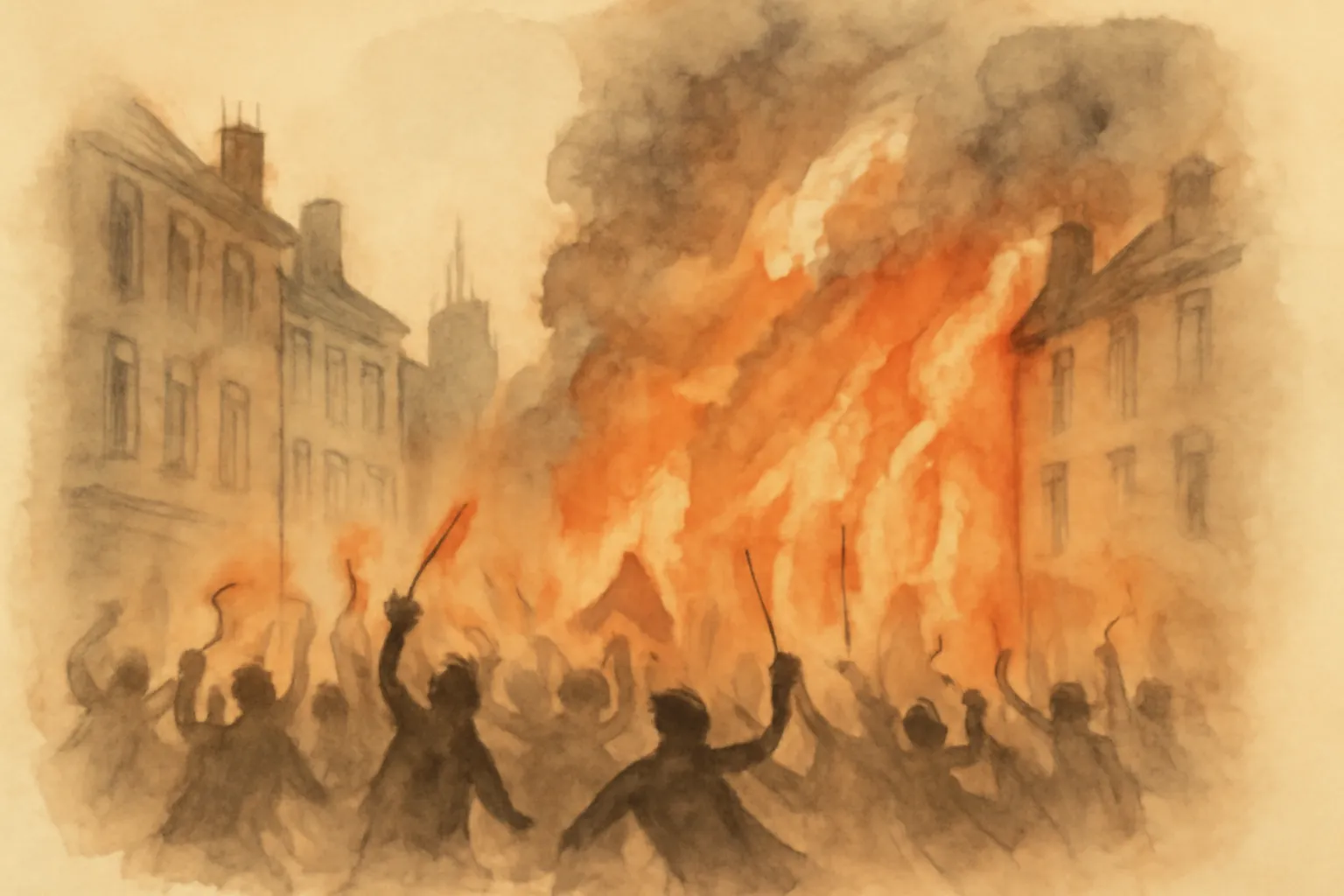
Dickens sets the stage for 'Barnaby Rudge' by immersing readers in the historical context of the Gordon Riots, which erupted in London in 1780. These riots were fueled by anti-Catholic sentiments, stemming from the influence of George Gordon, who led a protest against the government’s support of Catholic emancipation. The narrative encapsulates the atmosphere of fear and frenzy that engulfed the city, portraying how the populace's grievances erupted into violent protests. Dickens meticulously chronicles the sequence of events, from the initial peaceful demonstrations to the chaos that ensued, illustrating how economic hardship and social injustice ignited the flames of rebellion. Through Barnaby Rudge, whose innocence contrasts sharply with the surrounding violence, the author emphasizes that the actions of the mob stem from a desperate desire for change, reflecting the disconnect between the ruling elite and the suffering masses.
2.Barnaby Rudge: Innocence Amidst Chaos
Barnaby Rudge stands out as a character marked by innocence and simplicity, providing a stark contrast to the tumult surrounding him. His mental challenges render him vulnerable, yet his unwavering loyalty to his mother and friends showcases a deep moral compass. Dickens uses Barnaby's character to explore the theme of innocence corrupted by societal upheaval. As the riots escalate, Barnaby's naivety and eagerness to belong draw him into the chaos, reflecting the tragic fate of those caught in the crossfire of political and social strife. His perspective highlights the emotional toll of the riots, as he grapples with conflicting loyalties between his friends and family. Dickens illustrates how the innocent are often the most affected by the actions of the powerful, making Barnaby's journey a poignant commentary on the human cost of rebellion and the loss of purity amid violence.
3.The Duality of Hugh: Hero and Villain
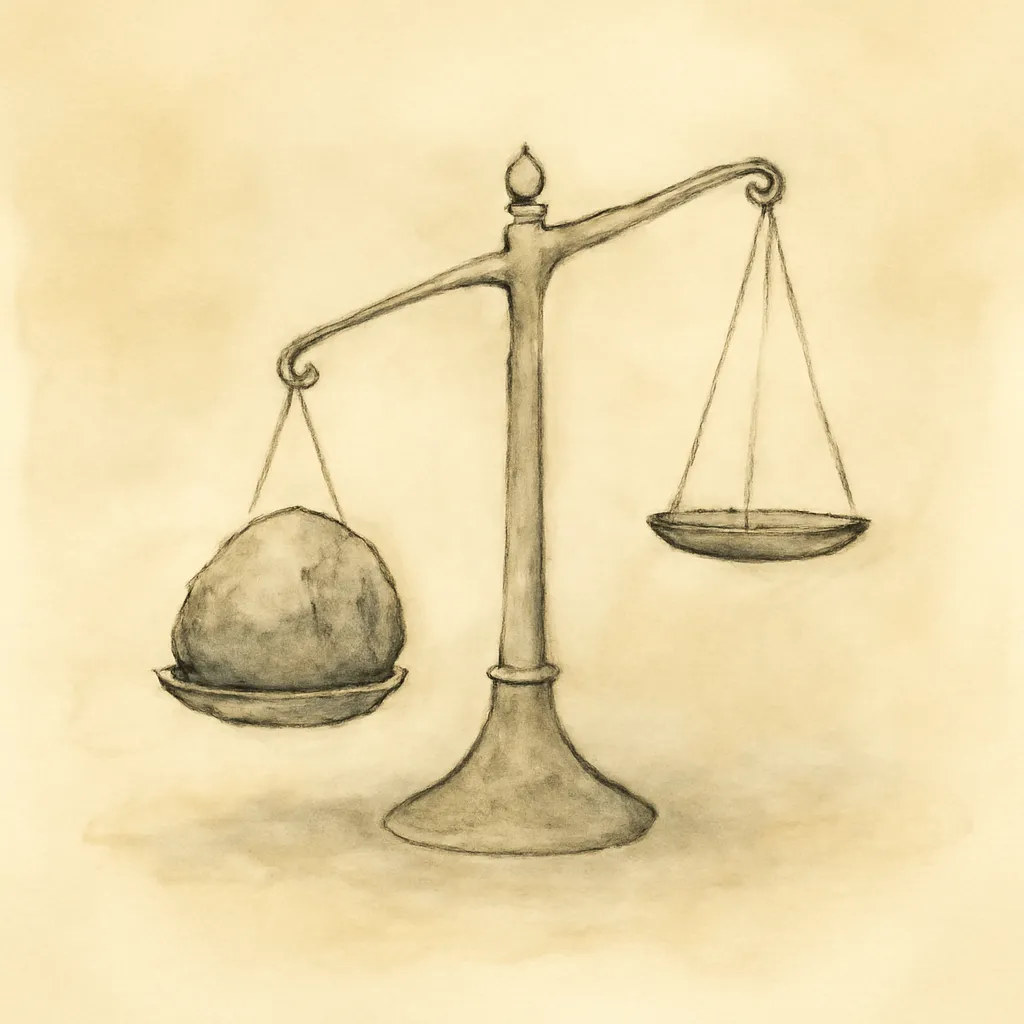
Hugh, a complex character in 'Barnaby Rudge', embodies both heroism and villainy, reflecting the moral ambiguities of the time. His passionate nature drives him to rally others during the riots, portraying him as a revolutionary figure. Yet, his ruthless methods and willingness to resort to violence raise questions about the ethics of rebellion. Dickens deftly captures this duality, showcasing how the fervor for justice can lead to moral compromise. Hugh’s interactions with Barnaby and Dolly Varden reveal his internal struggles, as his desire for glory often clashes with his loyalty to his friends. Dickens presents Hugh as a charismatic leader who can inspire action, yet his violent tendencies serve as a warning about the corrupting power of political fervor. This complexity makes him a compelling figure, as readers are left to ponder the fine line between heroism and tyranny in the quest for social change.
4.The Role of Women: Dolly Varden's Strength
Dolly Varden emerges as a strong female character amidst the male-dominated narrative of 'Barnaby Rudge'. Her vibrant personality and independence contrast sharply with the societal expectations of women during the 18th century. Dolly's relationships with Barnaby and Hugh illustrate her multifaceted nature, as she navigates love, loyalty, and social pressures. Through her character, Dickens challenges traditional gender roles, presenting women as active participants in the social landscape. Dolly’s resilience during the riots highlights the often-overlooked contributions of women in historical events. She displays courage and resourcefulness, often taking on a protective role for Barnaby when he is vulnerable, showcasing that women too can be powerful agents of change. By giving Dolly a voice and agency, Dickens emphasizes that women are not merely passive observers but crucial players in shaping their destinies and the course of events.
5.The Power of Class and Society
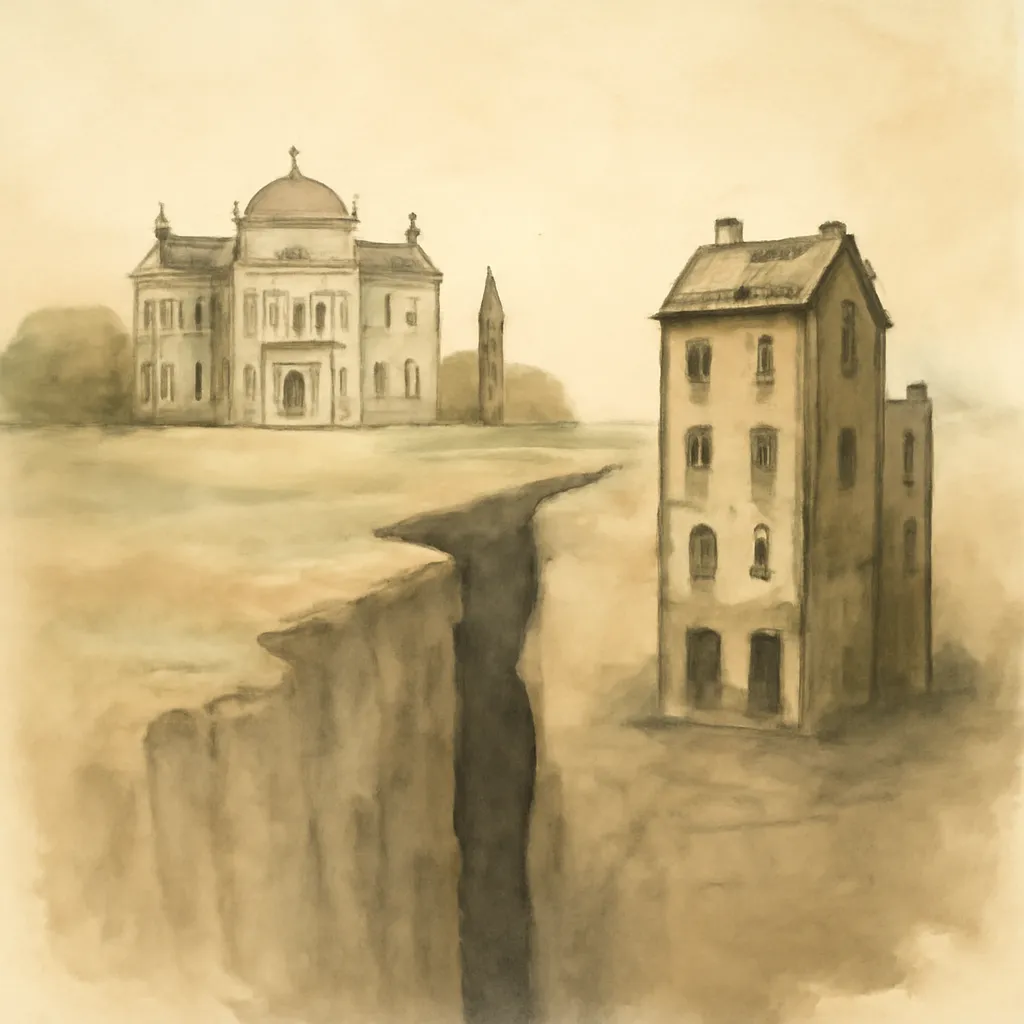
Dickens intricately weaves the theme of class and societal division throughout 'Barnaby Rudge', illustrating how these dynamics fuel the riots. The stark contrasts between the affluent and the impoverished highlight the systemic inequalities present in 18th-century England. Characters such as Mr. Chester represent the upper class, whose wealth and privilege insulate them from the struggles faced by the lower classes. The riots serve as a catalyst for exposing these disparities, as the oppressed rise against their oppressors. Dickens critiques the complacency of the wealthy and their detachment from the suffering of the masses, ultimately calling for empathy and social responsibility. Through the interactions of characters from different social backgrounds, such as the locksmith Gabriel Varden and the aristocratic Mr. Chester, Dickens emphasizes that the divisions within society not only breed resentment but also threaten the fabric of the community. This exploration of class not only provides a backdrop for the narrative but also serves as a powerful commentary on the need for societal reform.
6.Morality in Times of Turmoil
The moral dilemmas faced by characters in 'Barnaby Rudge' serve as a reflection of the ethical challenges that arise in times of upheaval. Dickens delves into the complexities of right and wrong, portraying how the chaos of the riots forces individuals to confront their values. Characters like Gabriel Varden, the locksmith, embody a sense of integrity as they navigate the tumult, often torn between self-preservation and altruism. Through their struggles, Dickens emphasizes the importance of maintaining one's moral compass amidst chaos. The narrative challenges readers to consider how societal pressures can distort personal ethics, urging a deeper examination of the choices made during crises. This exploration of morality becomes a central theme, prompting reflection on the human capacity for both compassion and cruelty, and how individuals can emerge from turmoil either uplifted or corrupted.
7.The Influence of Fear and Misinformation
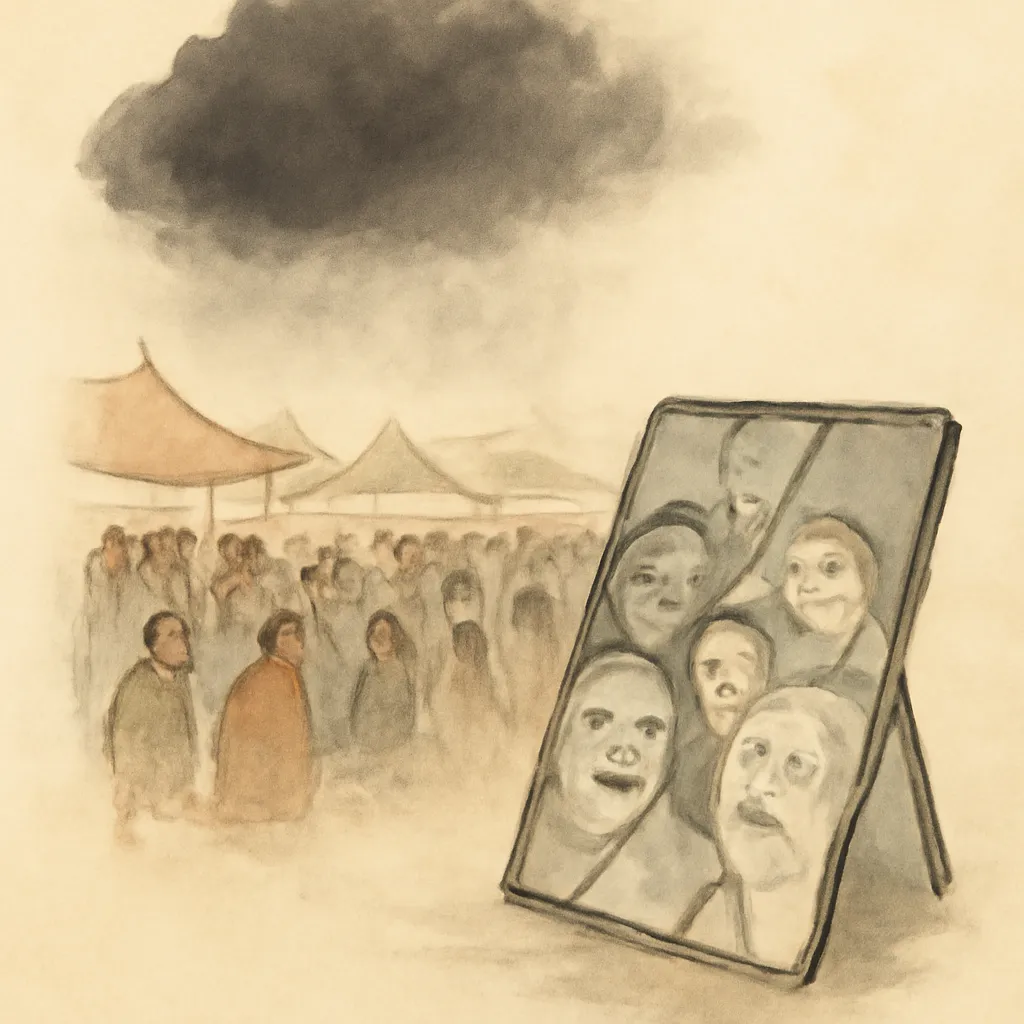
Dickens adeptly explores the role of fear and misinformation in escalating the tensions during the Gordon Riots. The populace is often driven by fear of the unknown, leading them to react impulsively and violently. The spread of rumors and exaggerated accounts of events stoke the flames of unrest, illustrating how misinformation can lead to devastating consequences. Through characters such as John Willet, the innkeeper, who embodies the community’s anxieties, Dickens highlights the destructive power of panic. When people are uncertain, they cling to the loudest voices and the most sensational tales, often overlooking facts in favor of emotion. This theme resonates with contemporary society, where fear and misinformation continue to shape public opinion and action. Dickens illustrates that in times of crisis, discerning the truth becomes an arduous task, yet it is crucial for the preservation of peace and understanding.
8.Friendship and Loyalty: Bonds Tested by Chaos
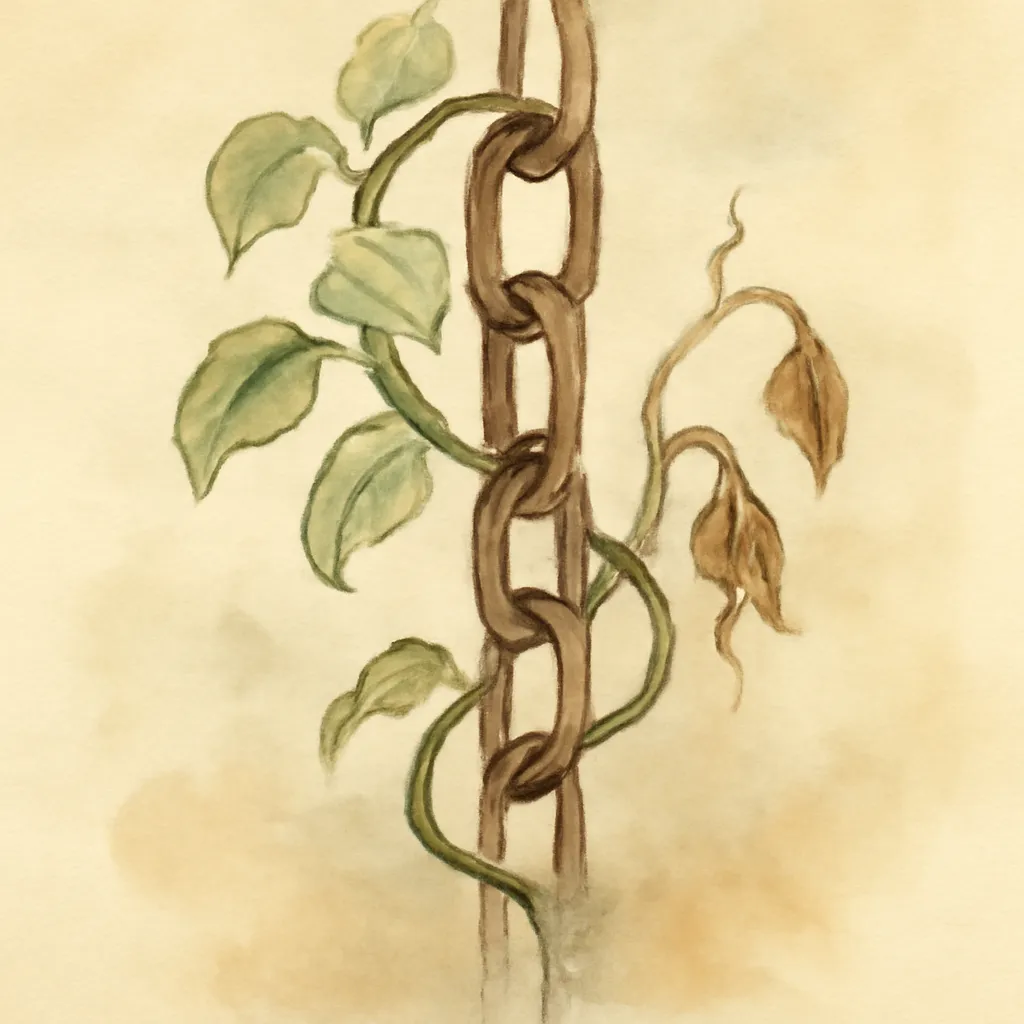
Amid the turmoil of the riots, the themes of friendship and loyalty emerge as pivotal elements in 'Barnaby Rudge'. The relationships between characters are tested as they navigate the chaos surrounding them. Barnaby's unwavering loyalty to his mother and friends underscores the importance of human connection in times of adversity. Conversely, the bonds between Hugh and his compatriots reveal the fragility of trust when faced with moral choices. Dickens emphasizes that true loyalty often requires sacrifice, as characters must confront their values and the implications of their actions. This exploration of friendship amidst chaos serves to highlight the resilience of the human spirit and the enduring power of love and loyalty, even in the darkest of times. The narrative suggests that while the external world may be chaotic, the internal bonds forged through loyalty can provide solace and strength.
9.The Role of Memory and the Past
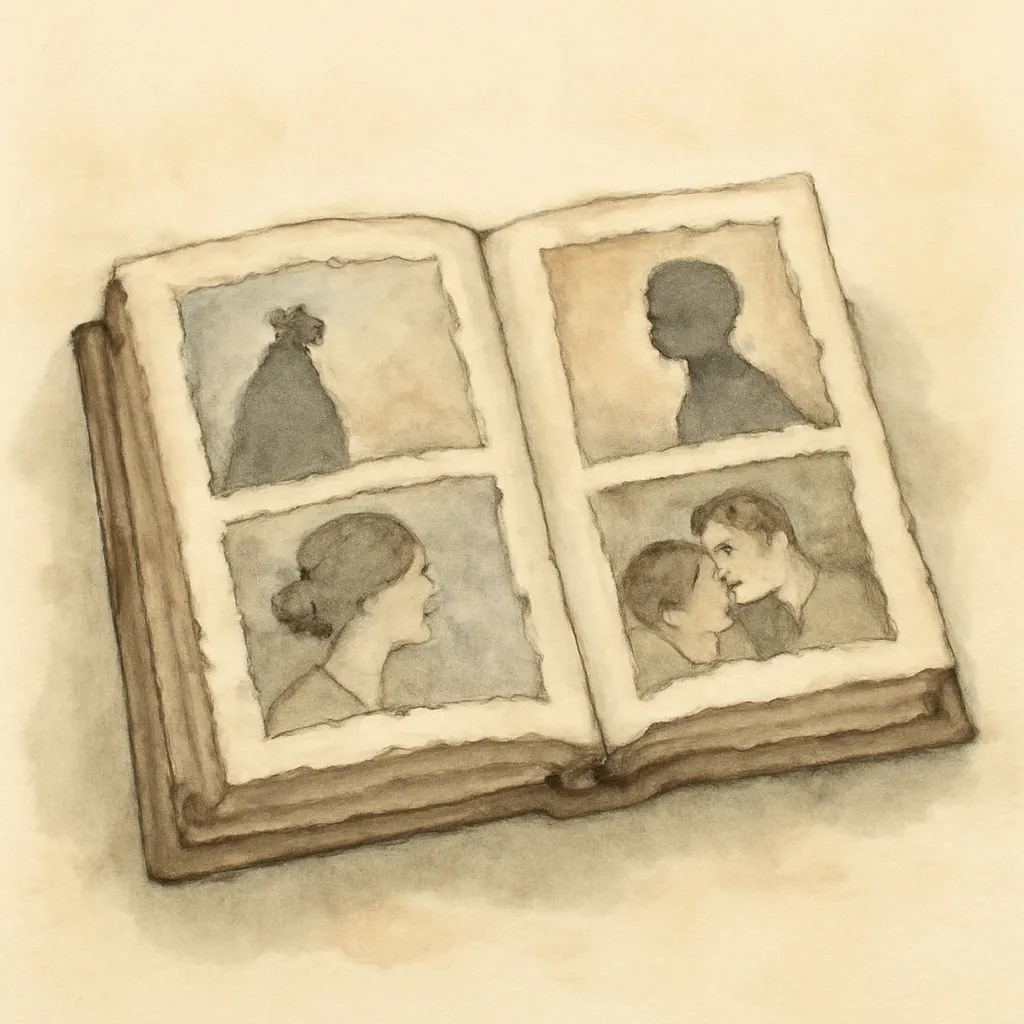
Memory plays a significant role in shaping the characters and events of 'Barnaby Rudge', as Dickens intricately weaves the past into the present narrative. Characters often reflect on their histories, with past traumas and experiences influencing their actions during the riots. For instance, Barnaby's memories of his childhood and his relationship with his mother provide him with a sense of identity and purpose amidst the chaos. Dickens uses memory as a tool for character development, allowing readers to understand the motivations behind their decisions. This exploration of the past also serves as a reminder of the cyclical nature of history, suggesting that unresolved issues can resurface in times of crisis. By highlighting the significance of memory, Dickens encourages readers to consider how personal and collective histories shape contemporary realities, and how understanding the past is essential for navigating the present.
10.The Impact of Leadership and Manipulation
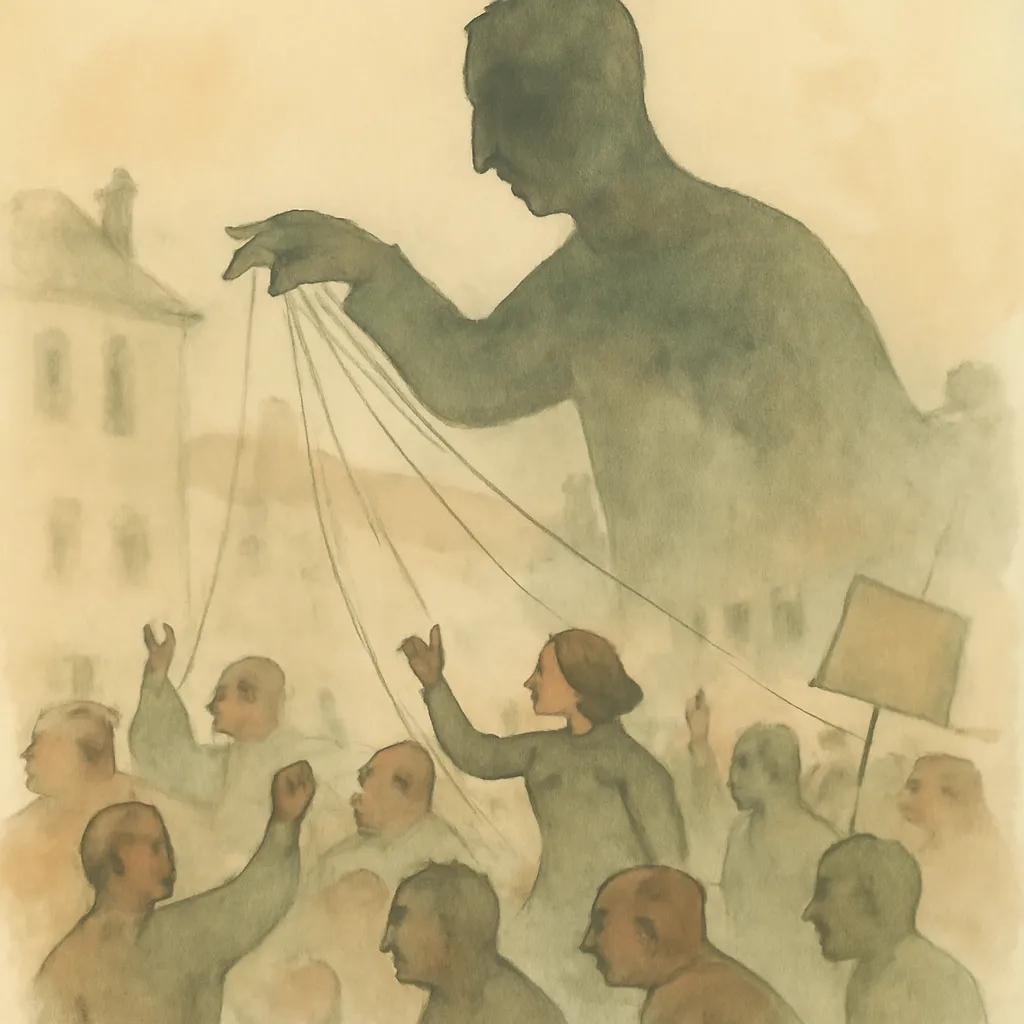
In 'Barnaby Rudge', the theme of leadership and manipulation is prevalent, particularly in the context of the riots. Characters like Hugh exhibit charismatic leadership qualities that rally others to their cause, but their motivations often blur the lines between genuine concern and self-interest. Dickens critiques the manipulative tactics employed by leaders to sway the masses, illustrating how rhetoric can incite violence and unrest. The character of Mr. Chester embodies the darker aspects of manipulation, using his influence to further his agenda while disregarding the consequences for others. Through these portrayals, Dickens underscores the importance of ethical leadership and the responsibility that comes with power. This examination of manipulation and leadership remains relevant, prompting readers to reflect on the qualities that define effective and moral leaders in society. The narrative ultimately warns against the dangers of unchecked ambition and the susceptibility of the masses to charismatic but morally ambiguous figures.