Fiction
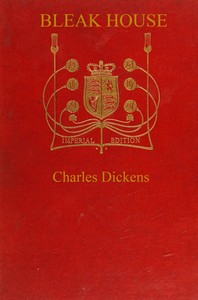
Bleak House by Charles Dickens — Summary, Key Ideas & Full Text
1172 pages68 chapters23h 32m read16h 43m speed read✦ 7-min Big ideas★ 3.8 (17)Free · no account
Rate it
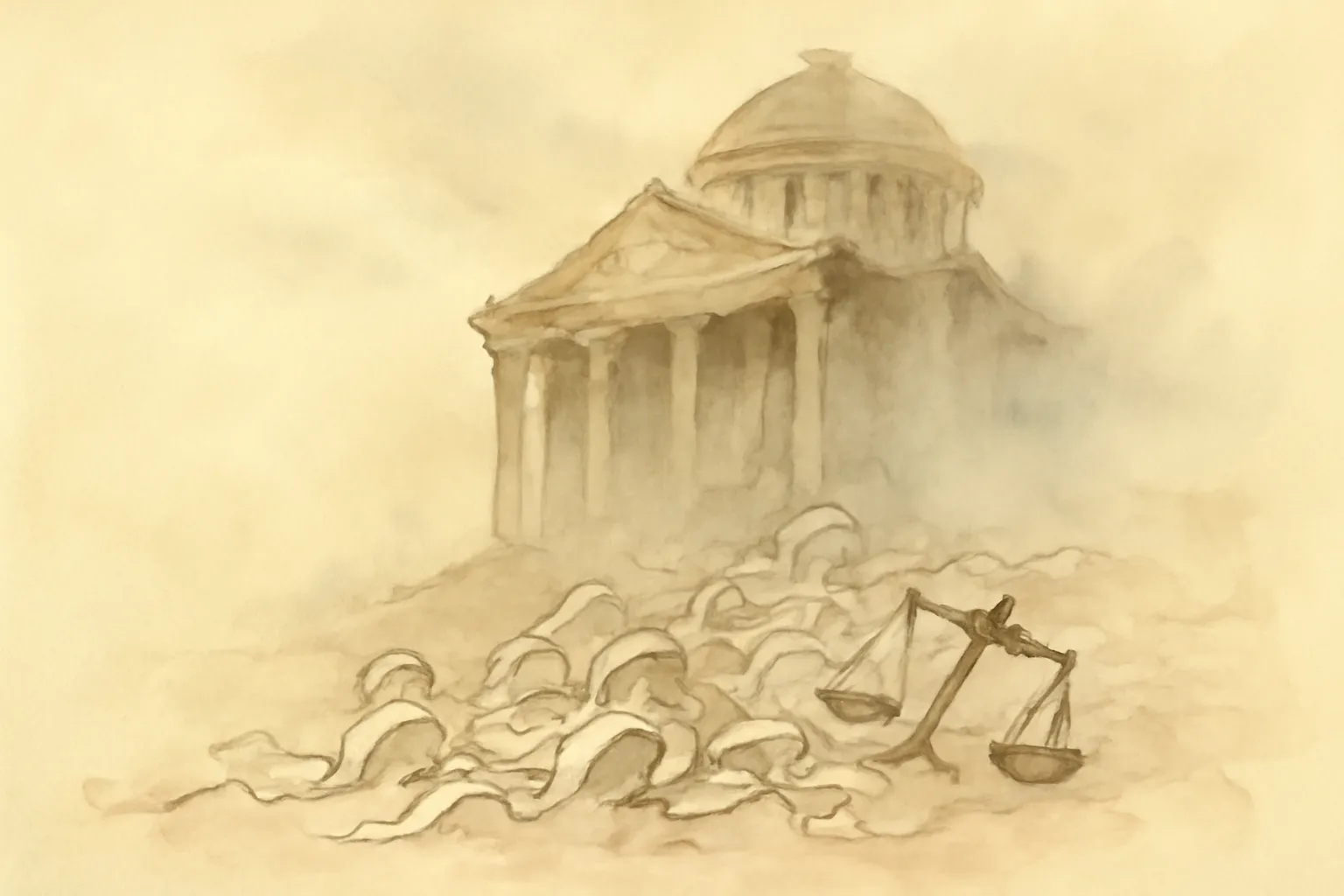
Bleak House unveils the dark labyrinth of the British legal system, exposing its absurdities and the human cost of its inefficiency
In 'Bleak House', Charles Dickens intricately weaves a tale that critiques the British legal system through the lives of its characters, each ensnared in the slow machinery of the Court of Chancery. The novel follows Esther Summerson, who serves as both protagonist and narrator, as she navigates a world filled with corruption, social injustice, and the relentless pursuit of a long-drawn legal case, Jarndyce and Jarndyce. Through vivid characters and rich storytelling, Dickens illustrates the pervasive fog of ignorance and the deep-seated inequalities of Victorian society. Readers will encounter a variety of personalities, from the noble to the grotesque, each reflecting the social realities of the time. Ultimately, 'Bleak House' serves as a powerful reminder of the human suffering caused by bureaucratic inertia and the moral complexities of justice.
Charles Dickens' 'Bleak House' remains a profound exploration of law, society, and the human condition, resonating deeply with readers across generations. The novel's intricate character web, sharp social commentary, and masterful storytelling reveal the complexities of justice and the pervasive fog of ignorance. As it critiques the legal system's inefficiencies, Dickens invites us to reflect on our roles within society and the responsibilities we bear towards one another. Ultimately, 'Bleak House' serves as both a cautionary tale and a beacon of hope, reminding us that empathy and action can illuminate even the darkest corners of human experience.
Charles Dickens has 9 works free to read on Lumina, including A Christmas Carol, A Tale of Two Cities, Barnaby Rudge: A Tale of the Riots of 'Eighty