1.The Chancery Court: A Symbol of Bureaucratic Inefficiency
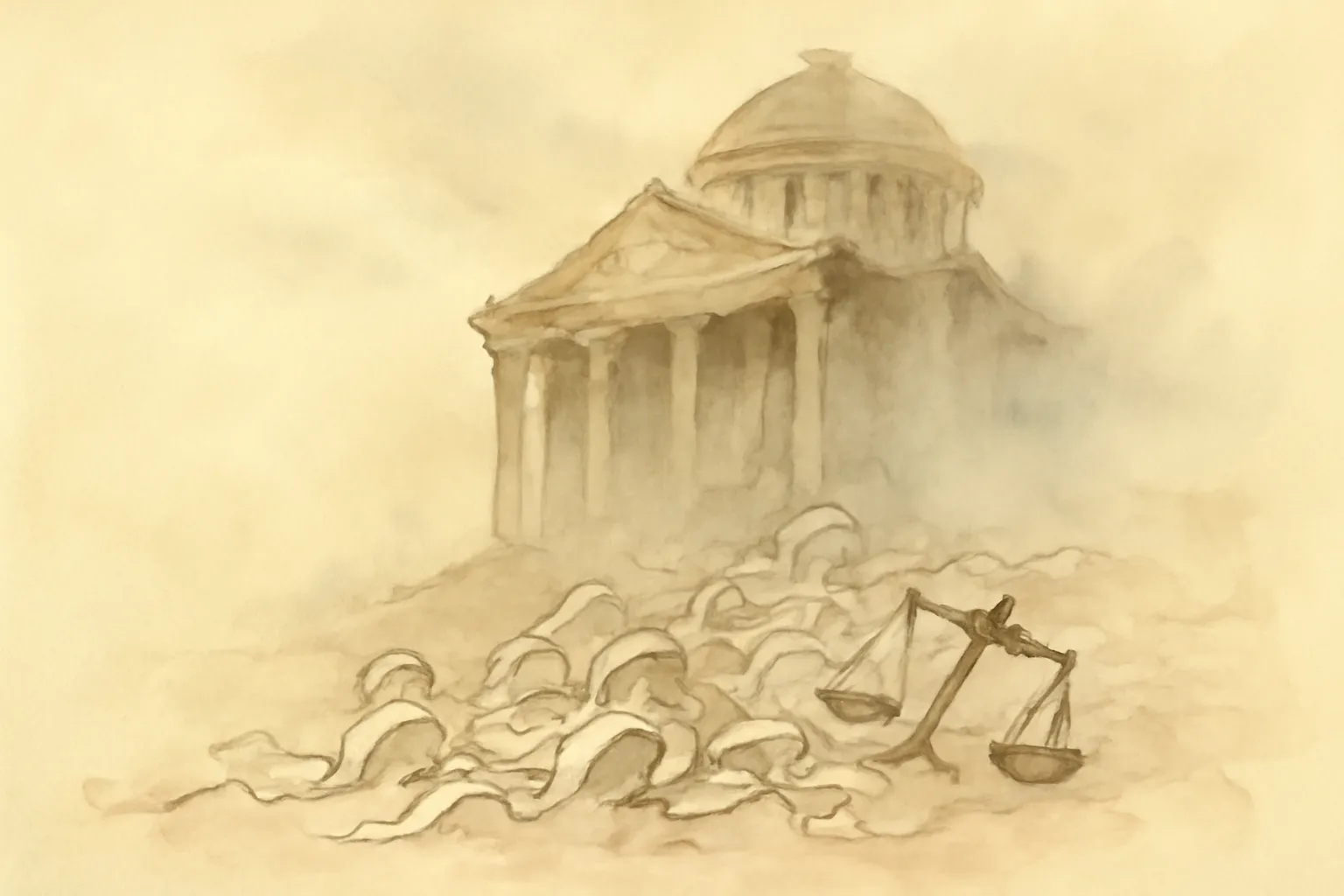
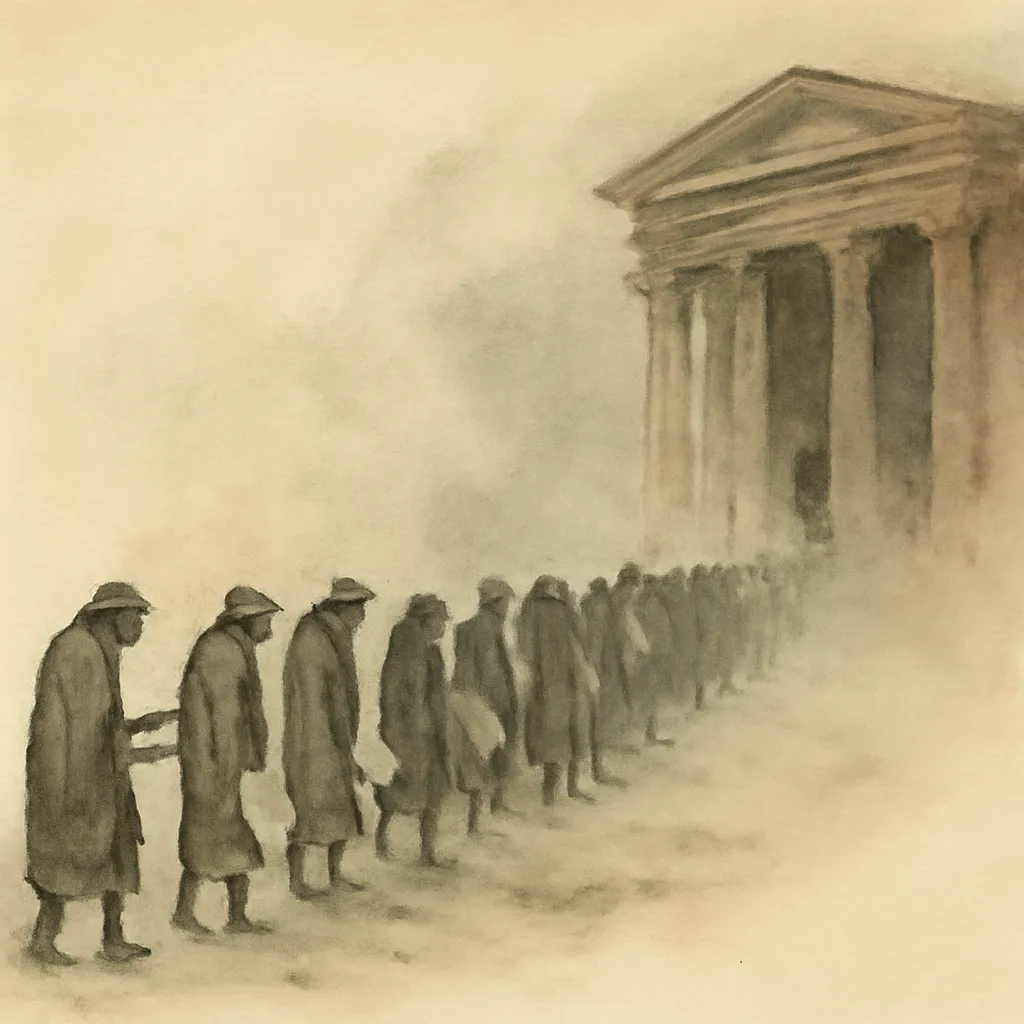
The Court of Chancery serves as a central motif in 'Bleak House', symbolizing the inefficiencies and absurdities of the legal system. Dickens describes cases that drag on for decades, like Jarndyce and Jarndyce, which consumes the lives and fortunes of those involved. The court's procedures are depicted as convoluted and opaque, with no clear resolution or justice in sight. Characters spend years trapped in litigation, illustrating how the system favors those with resources while punishing the vulnerable. This critique resonates with contemporary audiences, highlighting the timeless nature of bureaucratic failures.
2.Esther Summerson: The Heart of the Narrative
Esther Summerson, the novel's narrator, represents the moral compass of 'Bleak House'. Orphaned and raised by a strict godmother, she embodies kindness and resilience. Her perspective offers readers insight into the various societal injustices around her, from the plight of the poor to the indifference of the wealthy. Esther's journey toward self-discovery and her quest for belonging make her a relatable figure. Dickens masterfully uses her character to explore themes of identity, love, and social responsibility, ultimately positioning her as a beacon of hope amidst despair.
3.Lady Dedlock: The Duality of Class and Identity
Lady Dedlock, a central figure in the novel, epitomizes the complexities of class and identity. As a member of the aristocracy, she enjoys privileges but is also burdened by societal expectations and personal secrets. Her past relationship with a poor law clerk, which leads to the birth of Esther, reveals the hidden depths of her character and the hypocrisy of the upper class. Dickens critiques the rigid class structures of Victorian society through Lady Dedlock's struggles, illustrating how wealth and status do not equate to happiness or moral superiority. Her eventual downfall serves as a powerful commentary on the consequences of living a life of pretense.
4.Social Injustice: The Plight of the Poor
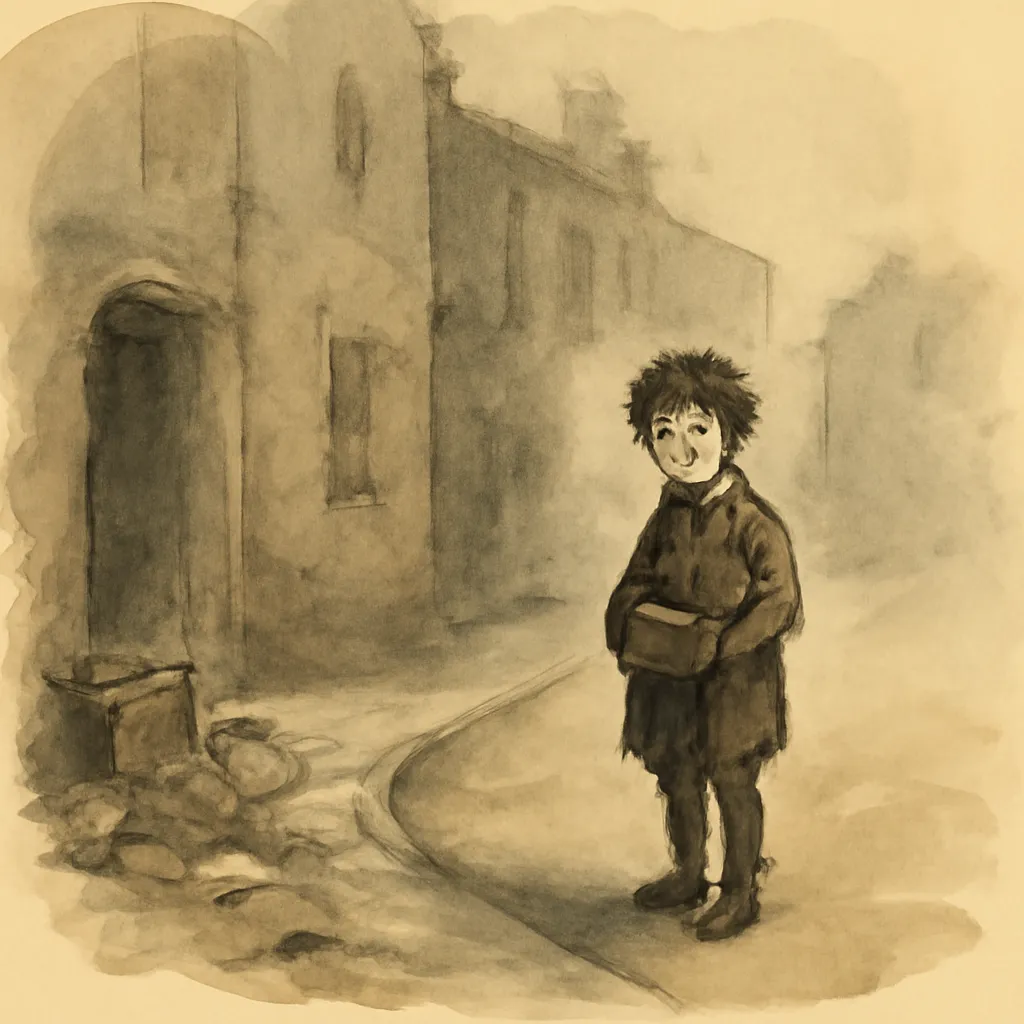
Dickens sheds light on the harsh realities faced by the poor in Victorian England, showcasing characters like Joe, the crossing-sweeper, who embodies the struggles of the lower class. Joe's tragic fate serves as a stark reminder of society's neglect of its most vulnerable members. Through various scenes, Dickens illustrates the systemic barriers that perpetuate poverty and suffering, from the inadequacies of the workhouse system to the indifference of the wealthy. The novel calls for social reform and compassion, urging readers to recognize their responsibility towards the less fortunate.
5.The Role of Philanthropy: A Double-Edged Sword
Philanthropy is a recurring theme in 'Bleak House', often depicted as both benevolent and misguided. Characters like Mrs. Jellyby, who devotes herself to African causes while neglecting her own family's needs, illustrate the dangers of distant altruism. Dickens critiques the superficiality of such efforts, suggesting that true compassion requires engagement with local communities and understanding their specific needs. The novel encourages readers to consider the impact of their charitable actions, emphasizing that genuine philanthropy must be rooted in empathy and connection.
6.The Fog of Ignorance: A Metaphor for Confusion and Moral Ambiguity
The pervasive fog in 'Bleak House' serves as a powerful metaphor for ignorance, confusion, and moral ambiguity within society. Dickens uses the imagery of fog to illustrate the obscured truths of the characters' lives, as well as the convoluted nature of the legal system. Characters often navigate through literal and metaphorical fog, reflecting their struggles to find clarity and justice in a world that seems intent on keeping them in the dark. This evocative imagery resonates with readers, inviting them to contemplate the complexities of truth and the obstacles to achieving justice.
7.The Interconnectedness of Characters: A Web of Relationships
The characters in 'Bleak House' are intricately interconnected, forming a web of relationships that highlight the complexities of human interaction. Dickens skillfully weaves their stories together, showing how their fates are intertwined within the broader context of the legal system and societal expectations. This interconnectedness emphasizes the idea that individual actions have far-reaching consequences, and that the struggles of one character can reverberate through the lives of others. The novel illustrates the importance of community and solidarity in confronting systemic injustices.
8.The Absurdity of the Legal System: Dark Humor and Satire
Dickens employs dark humor and satire to critique the absurdities of the legal system. Through characters like Mr. Guppy and Mr. Vholes, who embody the self-serving nature of lawyers, the author exposes the ridiculousness of legal proceedings and the people who profit from them. The often ludicrous situations that arise in court highlight the gap between the ideal of justice and the reality of legal practice. This satirical lens invites readers to question the integrity of the legal profession and the societal structures that uphold it.
9.Death and Legacy: The Finality of Fate
Death plays a significant role in 'Bleak House', serving as a reminder of the inevitability of fate. Characters like Mr. Krook and the various casualties of the legal system illustrate the harsh reality that many face due to the machinations of Chancery. Dickens uses death not only as a plot device but as a commentary on the transient nature of life and the legacies we leave behind. The novel prompts readers to reflect on their own lives and the impact of their choices, urging them to consider what kind of legacy they wish to create.
10.Hope and Redemption: The Quest for Justice
Despite its bleak themes, 'Bleak House' ultimately offers a message of hope and redemption. Characters like Esther and Mr. Jarndyce embody the possibility of change and the pursuit of justice. Their resilience in the face of adversity serves as an inspiration, suggesting that even within a flawed system, individuals can effect change. The novel encourages readers to remain hopeful and to strive for justice, emphasizing that collective action and empathy can lead to positive outcomes. This enduring message resonates with contemporary audiences, reminding them of the importance of fighting against injustice.