1.The Best of Times, the Worst of Times
The novel opens with one of literature's most famous lines, capturing the paradox of the era: 'It was the best of times, it was the worst of times.' This duality sets the stage for a narrative that contrasts the relative peace and prosperity of England with the chaos and suffering in France. Dickens illustrates how the same period can bring hope and despair, wisdom and foolishness, highlighting that the human experience is often a blend of opposites. The opening chapter establishes the framework for understanding the characters' struggles as they navigate these extremes, making it clear that individual lives are deeply affected by the societal conditions around them.
2.The Role of the Revolution
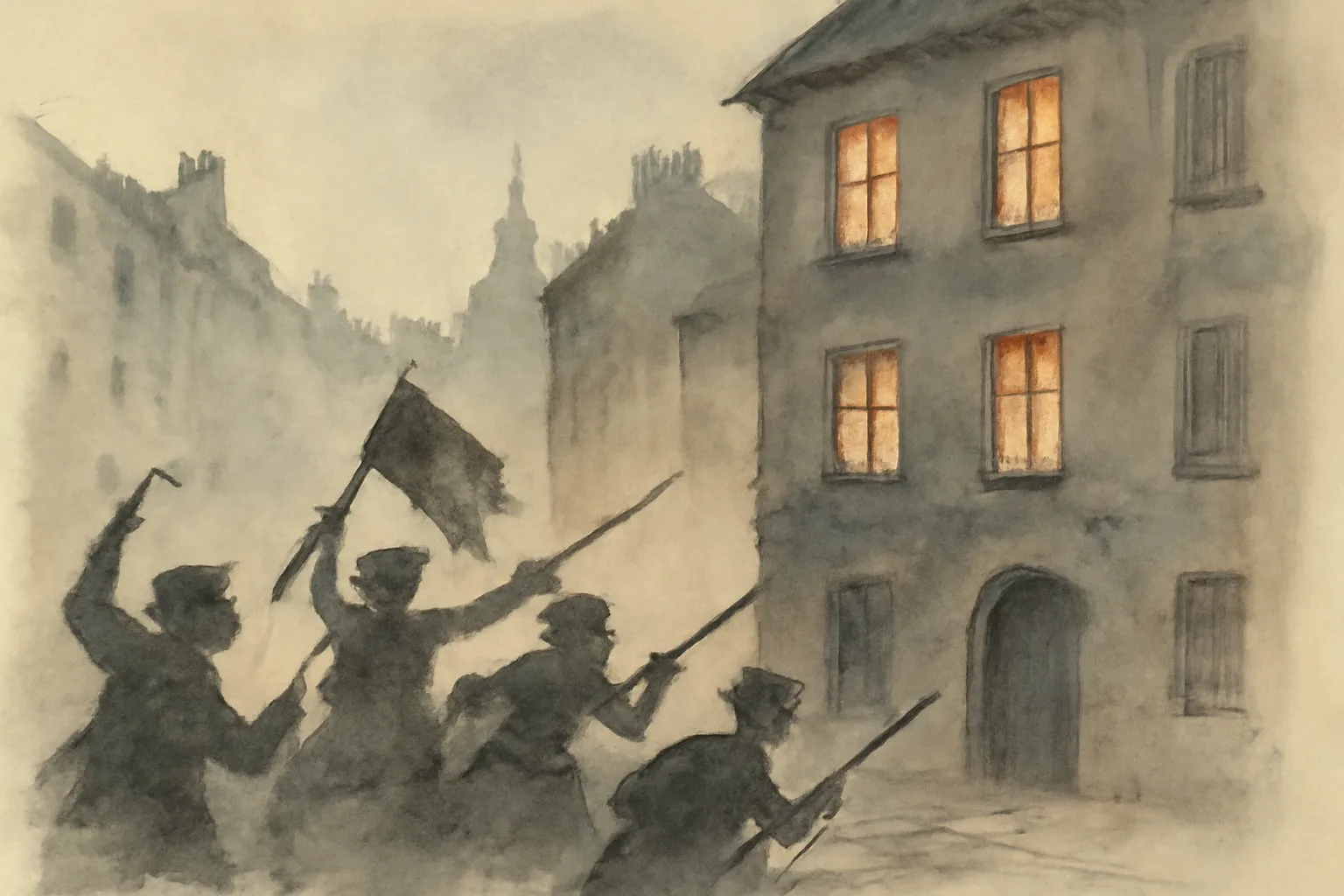
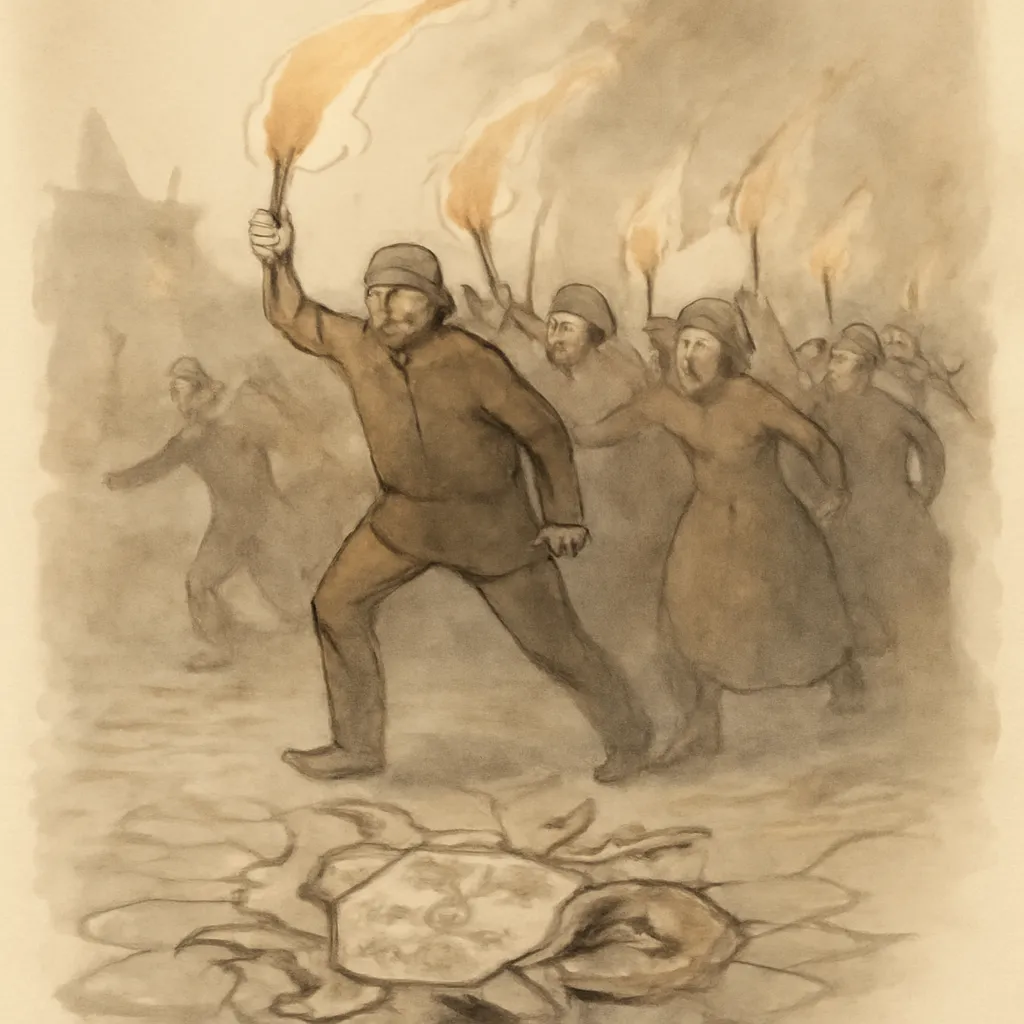
The French Revolution serves as a critical backdrop for the story, symbolizing both a fight for justice and a descent into violence. As the revolutionaries seek to overthrow the oppressive aristocracy, Dickens portrays the brutal consequences of their actions. The mob's thirst for vengeance leads to a cycle of violence that consumes both the innocent and the guilty. Characters like Madame Defarge embody the relentless pursuit of retribution, illustrating how the desire for justice can morph into a desire for revenge. Through this lens, Dickens critiques the extremes of revolutionary fervor, suggesting that the quest for justice must be tempered by compassion and humanity.
3.Sacrifice and Redemption
Central to the narrative is the theme of sacrifice, particularly embodied in the character of Sydney Carton. Initially portrayed as a dissolute and apathetic figure, Carton undergoes a profound transformation as he grapples with his wasted potential and unrequited love for Lucie Manette. His ultimate act of self-sacrifice—taking Darnay's place at the guillotine—serves as a powerful testament to the redemptive power of love. Carton's sacrifice not only redeems his own life but also highlights the novel's message that true nobility lies in selflessness. This theme resonates deeply, suggesting that personal redemption can arise from the willingness to put others before oneself, even in the face of death.
4.The Power of Love and Family
Love stands as a transformative force throughout 'A Tale of Two Cities,' shaping the characters' decisions and their destinies. The relationship between Lucie Manette and her father, Dr. Manette, underscores the importance of familial bonds and the healing power of love. Lucie's unwavering compassion and dedication to her father help restore him from the trauma of his imprisonment. Similarly, her love for Charles Darnay represents hope and continuity amidst the chaos of the revolution. Dickens illustrates how love can inspire courage and resilience, providing a counterbalance to the hatred and violence that permeate society. This exploration of love emphasizes its capacity to foster connection and healing in a fractured world.
5.The Impact of Injustice
Through the experiences of characters like Dr. Manette and Charles Darnay, Dickens reveals the devastating effects of social injustice. Dr. Manette's wrongful imprisonment for eighteen years serves as a stark reminder of the arbitrary cruelty of authority and the suffering it inflicts on innocent lives. Darnay's struggle against the oppressive legacy of his aristocratic heritage further illustrates the moral complexities of identity and responsibility. Dickens critiques the social structures that perpetuate injustice, urging readers to confront the realities of power and privilege. This theme remains relevant today as it prompts reflection on the enduring struggle for justice in society.
6.Fate and Free Will
The interplay between fate and free will is a recurring motif in the novel, prompting questions about the extent to which characters control their destinies. Darnay’s decision to return to France, despite the risks, reflects the tension between personal agency and the larger forces of history. Similarly, Carton’s choice to sacrifice himself for Darnay highlights the theme of predetermined fate versus conscious choice. Dickens suggests that while individuals may feel trapped by their circumstances, they also possess the power to shape their fates through their actions. This duality invites readers to consider the balance between destiny and choice in their own lives.
7.The Duality of Human Nature
Dickens masterfully explores the duality of human nature through his complex characters, who embody both virtue and vice. Characters like Madame Defarge reveal the capacity for cruelty that exists within individuals, driven by pain and a desire for revenge. Conversely, Sydney Carton represents the potential for goodness and redemption, despite his flaws. This exploration of duality underscores the idea that every person is capable of both light and darkness, prompting readers to reflect on their own moral choices. By presenting characters in shades of gray rather than black and white, Dickens emphasizes the complexity of humanity and the struggles inherent in the human experience.
8.The Symbolism of the Guillotine
The guillotine serves as a powerful symbol of the revolution's brutality and the capricious nature of justice. Its presence looms over the narrative, representing the swift and often unjust consequences of the revolutionary fervor. Characters face the threat of the guillotine not only as a literal execution device but also as a metaphor for the loss of humanity amidst the chaos of revolution. The stark imagery associated with the guillotine—blood, death, and fear—contrasts sharply with the novel's themes of love and redemption. Through this symbolism, Dickens critiques the notion of justice that is devoid of mercy, urging readers to consider the moral implications of their actions in the pursuit of justice.
9.Historical Context and Its Relevance
Dickens weaves historical events into the fabric of the narrative, grounding the personal stories of his characters in the broader context of the French Revolution. The depiction of the mob mentality, the fall of the aristocracy, and the rise of the common people reflect the social upheaval of the time. Dickens presents a nuanced view of revolution, acknowledging the rightful grievances of the oppressed while also cautioning against the excesses of mob violence. This historical context enriches the narrative, allowing readers to draw parallels between the events of the past and contemporary social movements. The novel serves as a reminder that the struggle for justice and equality is an ongoing battle, relevant in any era.
10.The Influence of Memory and the Past
Memory plays a significant role in shaping the characters' identities and actions throughout the novel. Dr. Manette's traumatic past and his struggle to reclaim his sense of self illustrate the long-lasting impact of memory on individual lives. Lucie's efforts to help her father confront and heal from his past highlight the importance of understanding and reconciling with one's history. Similarly, Sydney Carton's memories of lost potential drive his transformation and ultimate sacrifice. Dickens suggests that while the past can haunt and define individuals, it can also offer opportunities for healing and growth. This exploration of memory prompts readers to reflect on how their own histories shape their present and future.