Descartes' Error by Antonio Damasio — Summary, Key Ideas & Quotes
1995370 pages✦ 3-min Big ideas★ 3.7 (3)
Rate it
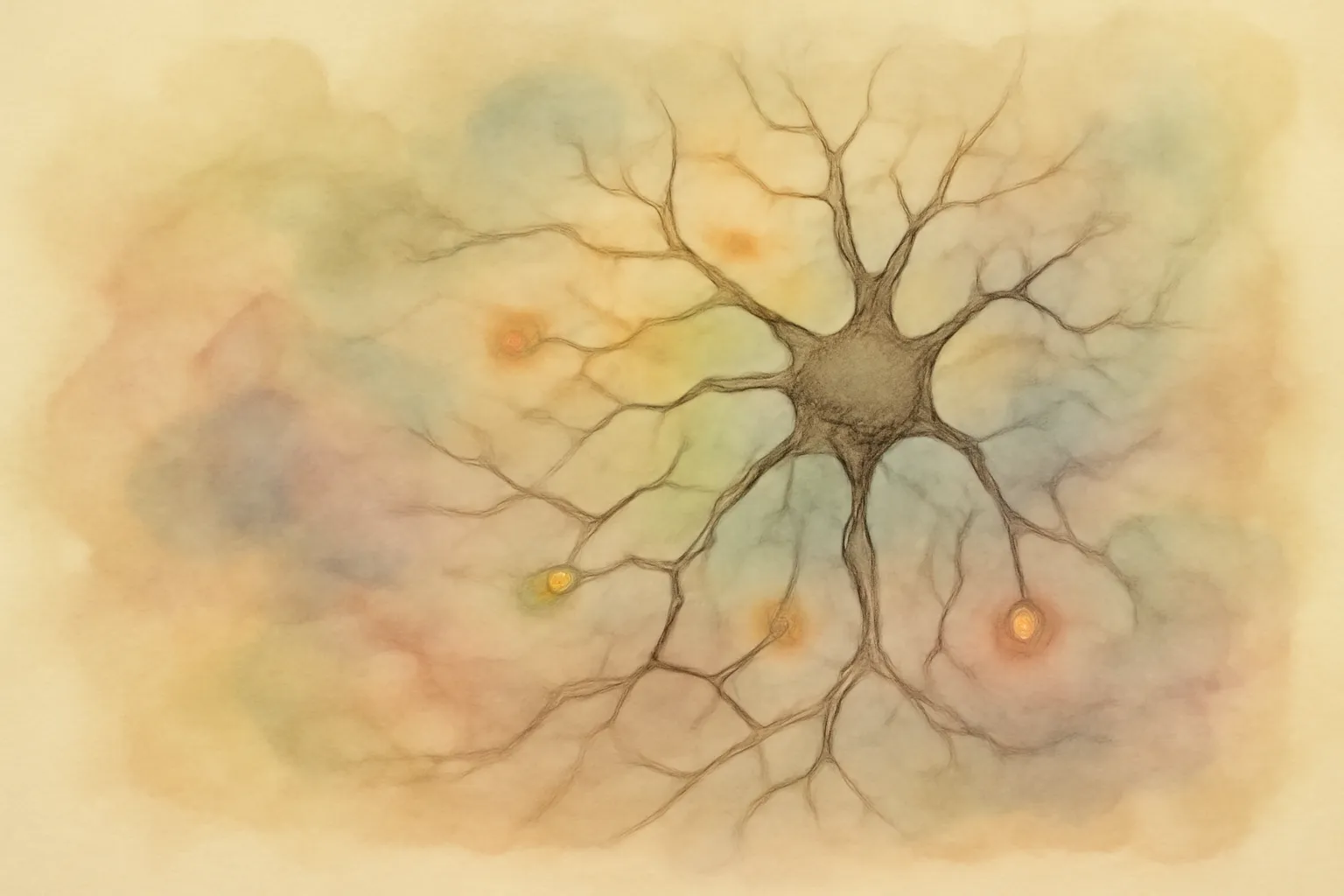
Damasio introduces the 'somatic marker hypothesis,' arguing that emotional processes guide (or bias) behavior and decision-making, particularly under uncertainty. He presents neurological case studies—most famously, patients with frontal lobe damage—to show that when people lose the ability to experience emotion, their decision-making becomes disastrously impaired. This suggests that bodily feelings are not an impediment to rationality but a crucial part of it, helping us weigh options based on past emotional outcomes.
The book’s title refers to René Descartes’ famous assertion that mind and body are fundamentally separate. Damasio disputes this, arguing that the brain cannot be meaningfully separated from the body. He demonstrates that mental processes, including reasoning, arise from the integrated activity of brain and body, with emotions serving as a bridge between the two. This challenges centuries of Western philosophical tradition and has deep implications for psychology, medicine, and even ethics.
“We are not thinking machines. We are feeling machines that think.”
“The mind exists in and for an integrated organism.”