
Discourse on Method and Meditations on First Philosophy, 4th Ed by René Descartes — Summary, Key Ideas & Quotes
1999120 pages✦ 3-min Big ideas★ 3.7 (9)
Rate it
Contains English translations of Descartes' 1637 treatise Discourse on the Method for Conducting One's Reason Well and for Searching for Truth in the Sciences and a subsequent development of the ideas contained in it, Meditations on First Philosophy, first published in 1641. Includes a selected bibliography. Annotation copyrighted by Book News, Inc., Portland, OR.
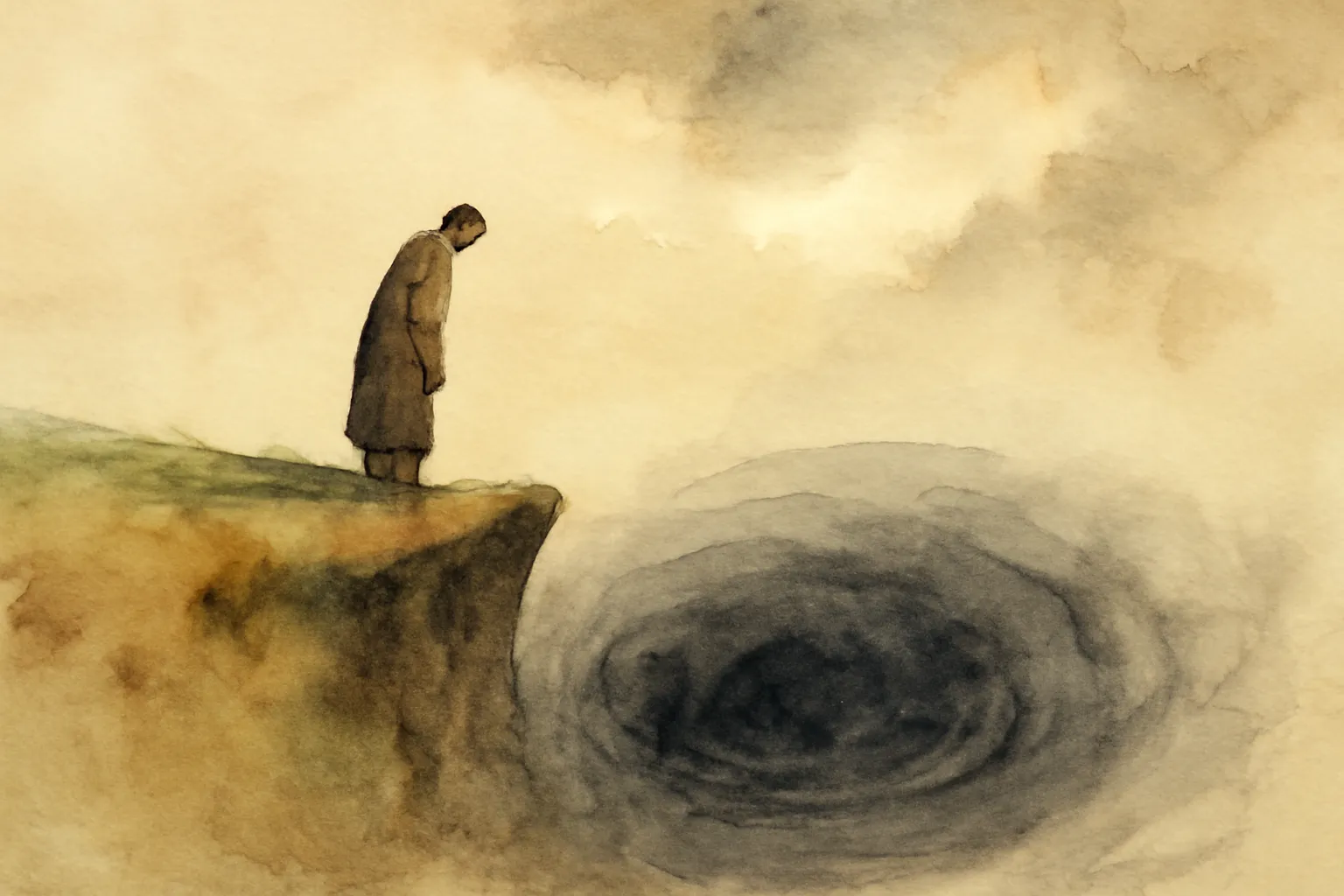
Descartes introduces a revolutionary approach to philosophy by advocating for systematic doubt. Instead of accepting inherited beliefs, he proposes that we should doubt everything that can possibly be doubted, stripping away assumptions until only what is absolutely certain remains. This method is not skepticism for its own sake, but a tool to establish a firm foundation for knowledge. The process leads him to search for beliefs that are immune to all doubt, setting the stage for a new, rigorous approach to philosophy and science.
Perhaps the most famous conclusion from Descartes' meditations is 'I think, therefore I am.' This statement emerges as the first principle that survives his methodical doubt. Even if all else is uncertain, the very act of doubting or thinking proves the existence of the self as a thinking being. This insight becomes the cornerstone of his philosophy and a starting point for rebuilding knowledge from the ground up.
“Cogito, ergo sum.”
“The preservation of health should be the first study of one who is of any worth to oneself.”
“I think, therefore I am.”
