Geometry · History · Geometry, history
Euclid's Window by Leonard Mlodinow — Summary, Key Ideas & Quotes
2001307 pages✦ 3-min Big ideas★ 4.3 (3)
Rate it
Physicist/writer Mlodinow leads us on a journey through five revolutions in geometry, from the Greek concept of parallel lines to the latest notions of hyperspace. Here is a new alternative history of math revealing how simple questions anyone might ask about space have been the hidden engine of the highest achievements in science and technology. The journey goes from Pythagoras through Gauss and Einstein and into the midst of a new revolution in which scientists are recognizing that all the varied and wondrous forces of nature can be understood through geometry--a weird new geometry of extra, twisted dimensions, in which space and time, matter and energy, are all intertwined and revealed as consequences of a deep, underlying structure of the universe. This book, a blend of rigorous, authoritative investigation and accessible, good-humored storytelling, makes an original argument asserting the primacy of geometry.--From publisher description.
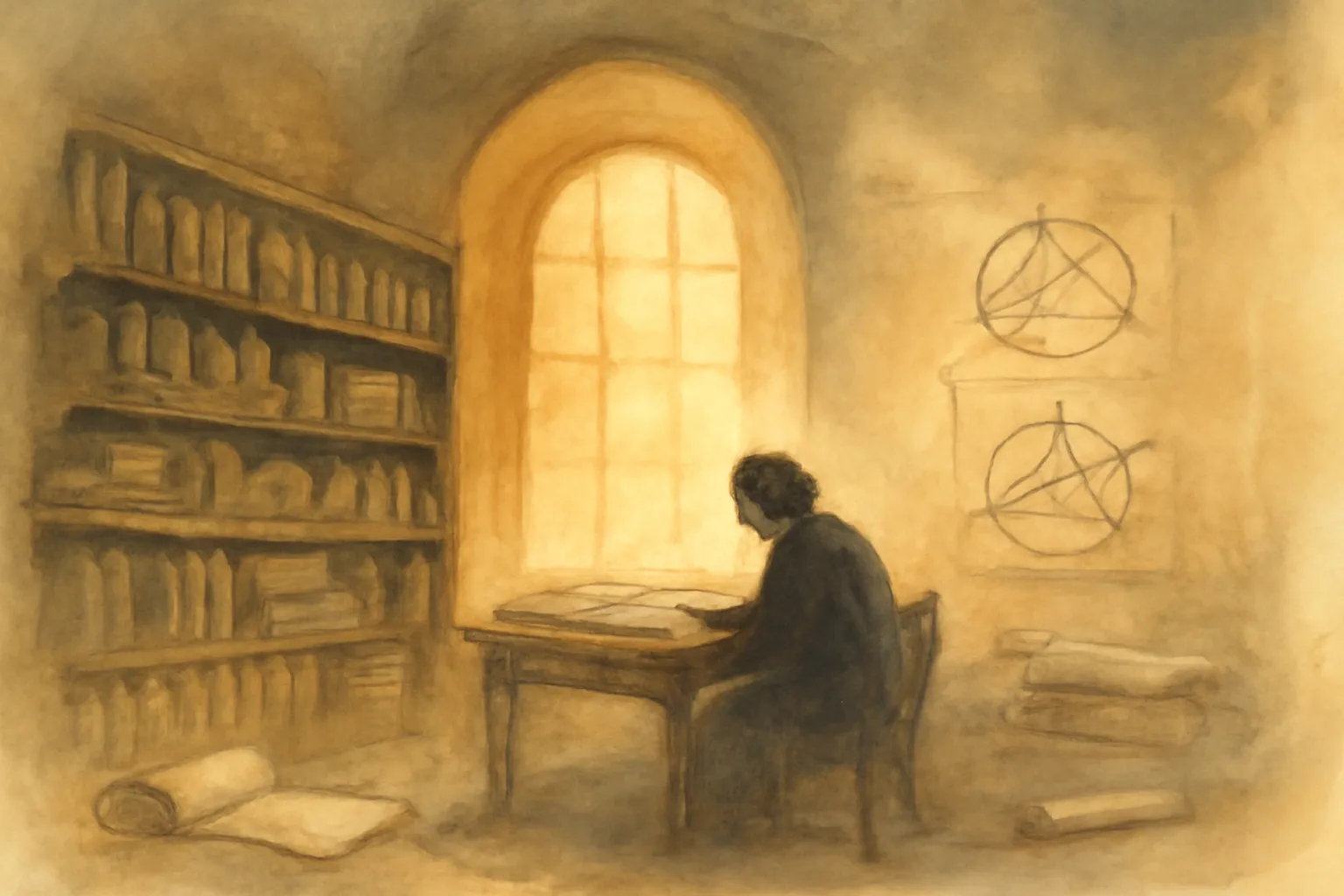
Mlodinow argues that geometry is more than a branch of mathematics—it's the hidden force behind major scientific advances. By tracing five pivotal 'revolutions' in geometry, he shows how each shift in our conception of space led to new ways of understanding nature, from the certainty of Euclid’s postulates to the flexible, curved spaces of Einstein’s relativity. Geometry, in this view, is the language through which we decode the universe.
The book explores how Euclid’s Elements defined geometry for over two millennia, shaping not just mathematics but our worldview. Mlodinow explains why the parallel postulate was so influential and how its eventual questioning opened the door to new geometries. This historical context helps readers appreciate both the elegance and the limitations of the classical approach.