

Literature · Emperadores · Fiction in English
I, Claudius by Robert Graves — Summary, Key Ideas & Quotes
1934427 pages✦ 3-min Big ideas★ 4.2 (21)
Rate it
Tiberius Claudius Drusus Nero Germanicus lived from 10 B.C. to 54 A.D. Despised as a weakling and considered an idiot because of his physical infirmities, Claudius survived the intrigues and poisonings of the reigns of Augustus, Tiberius, and the mad Calgula to become emperor in 41 A.D. I, Claudius is written in the form of Claudius' autobiography and is one of the classics of modern fiction, the best fictional reconstruction of Rome ever written. --back cover
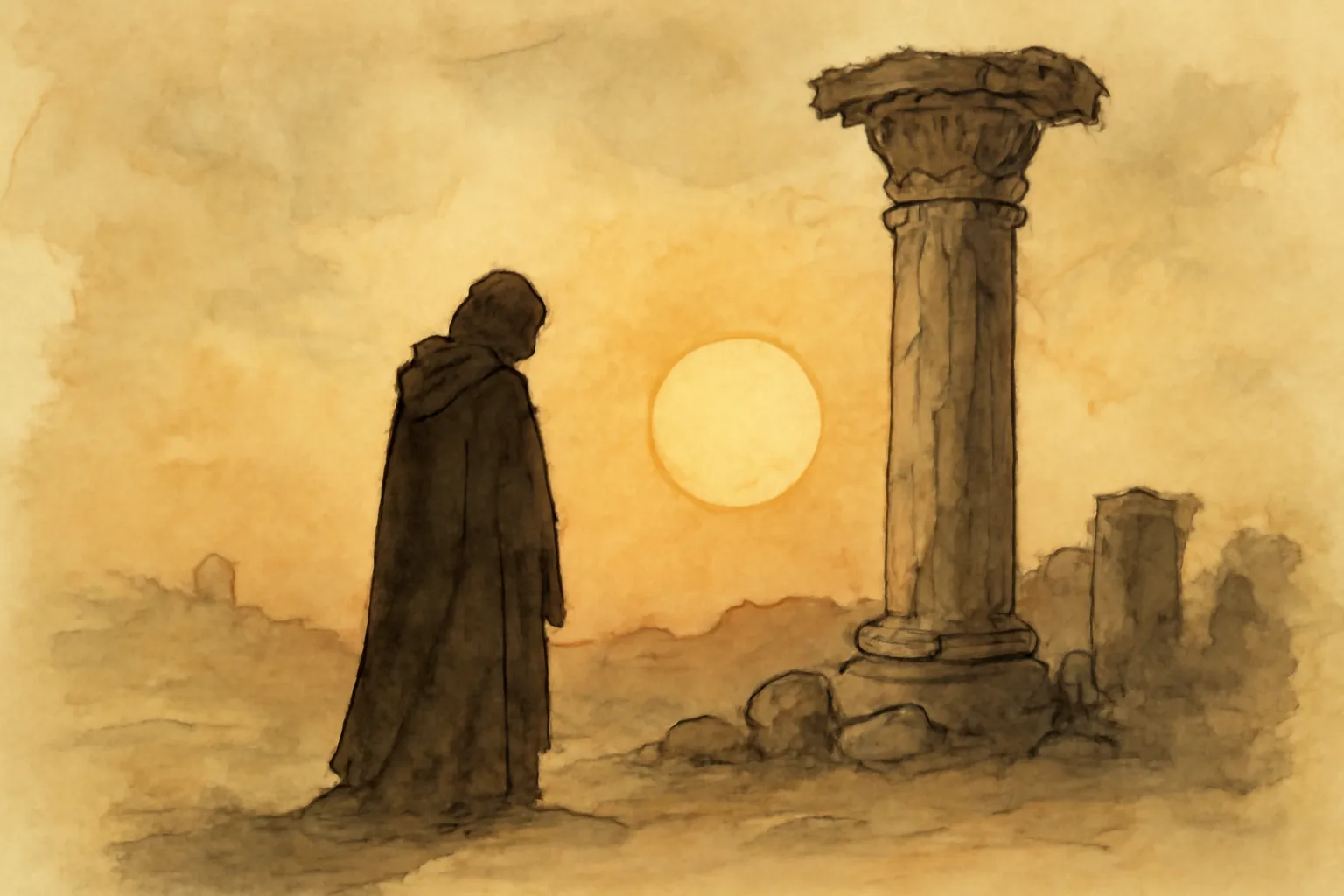
At its core, I, Claudius is a study of how one survives—and even prospers—within a system riddled with treachery, paranoia, and violence. Claudius, dismissed as a fool due to his disabilities, uses others’ underestimation as a shield. The novel exposes how survival in such an environment often depends less on virtue than on luck, adaptability, and the ability to remain unnoticed. Graves crafts a portrait of Rome as a society where moral compromise is the price of staying alive.
By writing as Claudius’s memoir, Graves foregrounds the subjectivity of history. Claudius is both participant and chronicler, blending personal bias, rumor, and hindsight. The novel constantly reminds us that history is shaped by those who survive to tell it, and that every account is colored by perspective and self-justification. This theme resonates with modern readers, challenging us to question the sources and motives behind all historical narratives.
“Let all the poisons that lurk in the mud hatch out.”
“Trust no one, my friend, no one.”
“He who is to be Emperor must be Emperor.”