Lives of the Stoics: The Art of Living from Zeno to Marcus Aurelius by Ryan Holiday — Summary, Key Ideas & Quotes
✦ 3-min Big ideas
Rate it
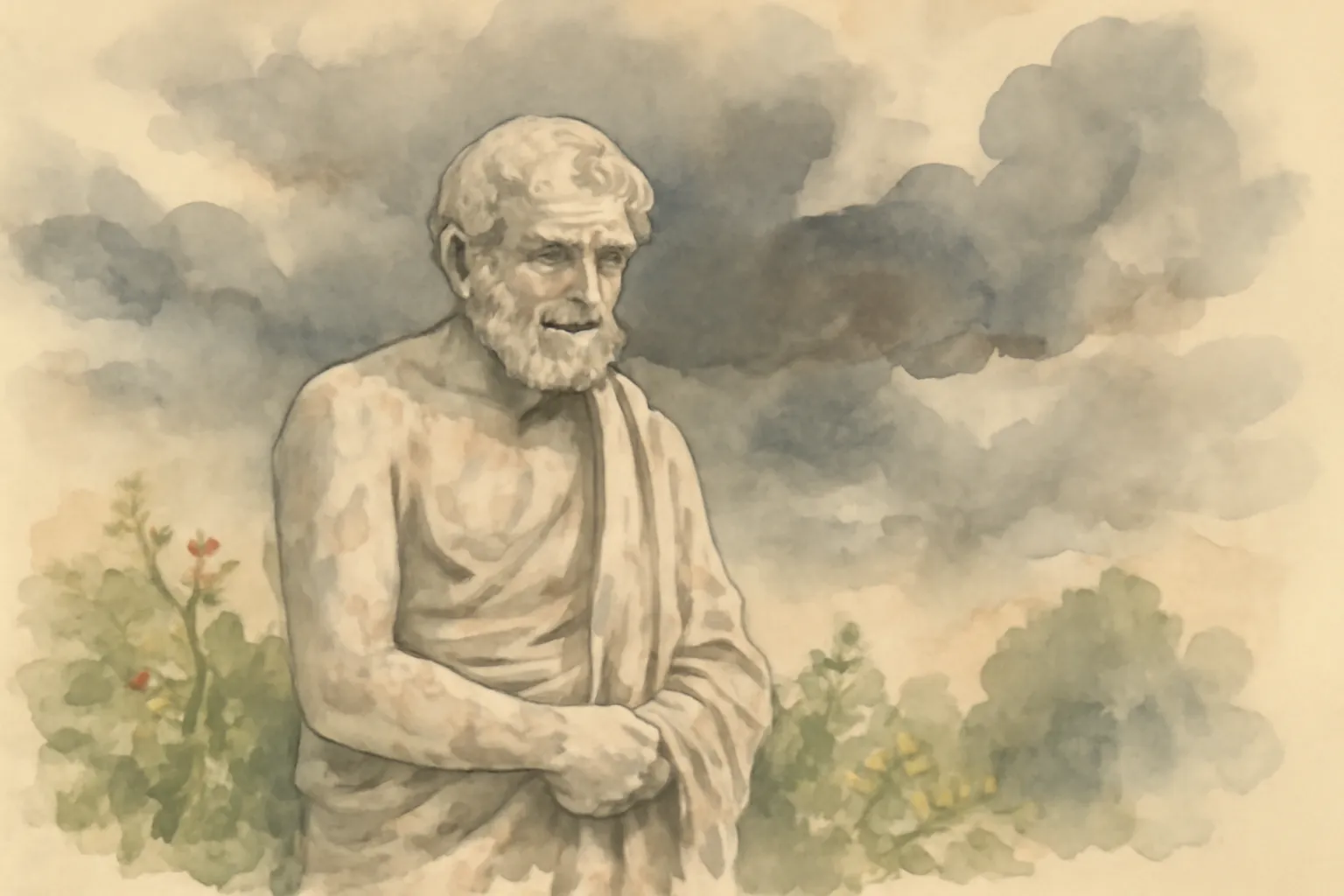
Rather than treating Stoicism as a set of abstract teachings, Holiday and Hanselman emphasize that it was forged in the real struggles, political upheavals, and daily decisions of its practitioners. Each Stoic’s life becomes a case study in applying principles like courage, justice, and self-control. The book reveals how these ideas were not just discussed, but embodied—sometimes imperfectly—by people facing exile, betrayal, and power. This approach demystifies Stoicism, making it less about cold detachment and more about engaged, principled living.
A central theme is the Stoic commitment to virtue as the highest good. The book shows how figures like Cato and Marcus Aurelius made difficult choices, often at great personal cost, to remain true to their principles. By highlighting moments when Stoics prioritized integrity over comfort or popularity, the authors invite readers to reflect on what it means to live according to one’s values, even when it’s inconvenient or risky.
“Character is fate.”
“Stoicism is not a philosophy for the classroom, but for the battlefield of life.”