Biodiversity · Biodiversity conservation · Biological diversity
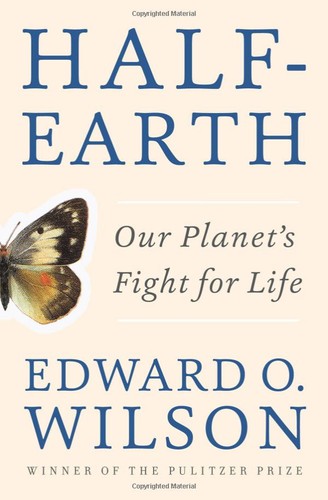
The Diversity of Life by Edward O. Wilson — Summary, Key Ideas & Quotes
1992424 pages✦ 3-min Big ideas★ 2.5 (2)
Rate it
"In this book a master scientist tells the great story of how life on earth evolved. Edward O. Wilson eloquently describes how the species of the world became diverse, and why the threat to this diversity today is beyond the scope of anything we have known before." "The Diversity of Life has quickly become a classic text in its definition of a new environmental ethic - our obligation to rescue ecosystems, not simply individual species - and its prescient call for an end to the conservation versus development argument. In an extensive new foreword for this edition, Professor Wilson addresses the explosion of the field of conservation biology and takes a clear-eyed look at the work still to be done."--Jacket.
Wilson traces the history of life on Earth, showing how millions of species emerged through evolutionary processes over billions of years. He explains the mechanisms—mutation, natural selection, speciation—that have led to the intricate web of life we see today. The book emphasizes that biodiversity is not static; it is the result of ongoing, dynamic processes, shaped by both chance and necessity. This perspective helps readers appreciate the sheer scale and fragility of the living world.
Wilson makes a powerful case that biodiversity is not just an abstract good, but foundational to ecosystem health and, by extension, human well-being. Diverse ecosystems provide services like clean air, water, food, medicine, and climate regulation. He challenges the reader to see the loss of species not as a distant tragedy, but as a direct threat to our own survival and prosperity.
“The one process now going on that will take millions of years to correct is the loss of genetic and species diversity by the destruction of natural habitats.”
“Destroying rainforest for economic gain is like burning a Renaissance painting to cook a meal.”