Philosophy · World politics · History
The End of History and the Last Man by Francis Fukuyama — Summary, Key Ideas & Quotes
1992421 pages✦ 3-min Big ideas★ 3.7 (7)
Rate it
Observing totalitarian and authoritarian governments falling around the world, Fukuyama develops an hypothesis that the end state of all this change will be liberal democracy everywhere (The End of History), and considers how people will react (The Last Man).
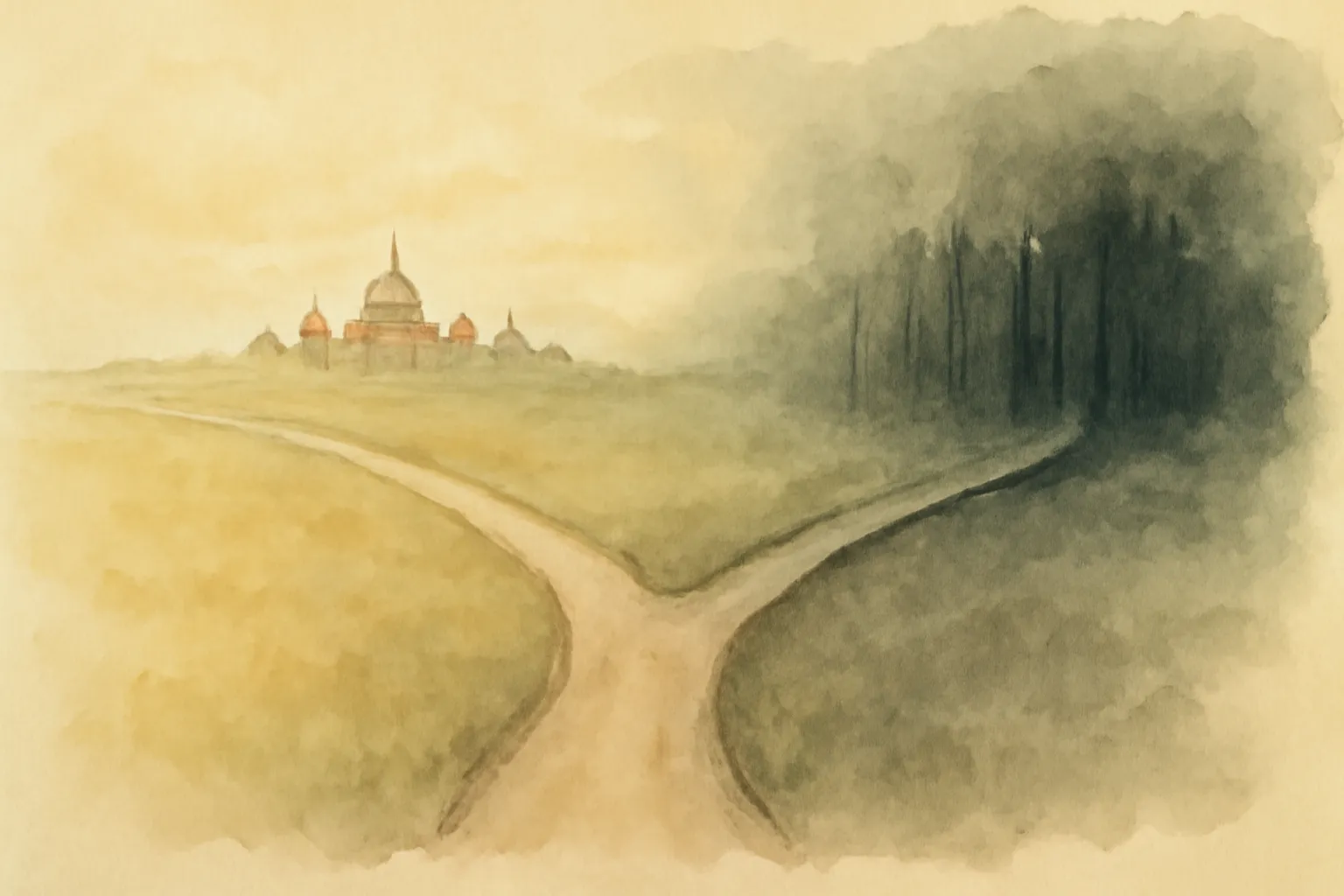
Fukuyama argues that history, understood as humanity’s ideological evolution, may have culminated in the widespread adoption of liberal democracy. He does not mean literal events will cease, but that the fundamental questions about the best form of government have been settled in favor of liberal democracy, with no viable alternatives left. This is a bold and controversial claim, suggesting that the ideological struggles that shaped the past are largely resolved, and future conflicts will be less about regime type and more about other issues.
Drawing on the global decline of authoritarian regimes in the late 20th century, Fukuyama sees liberal democracy as the most successful and legitimate system. He argues that its combination of individual rights, rule of law, and economic opportunity has proven more adaptable and attractive than alternatives like communism or fascism. However, he also acknowledges that this victory is not inevitable or irreversible, and that democracy’s appeal must be continually renewed.