
A gripping mystery unfolds as Sherlock Holmes investigates the legend of a supernatural hound haunting the Baskerville family
Read full overviewShow less›
In 'The Hound of the Baskervilles,' Arthur Conan Doyle crafts a thrilling tale that blends elements of horror, folklore, and detective fiction. Set against the eerie backdrop of the English moors, the story follows the brilliant detective Sherlock Holmes and his loyal companion Dr. Watson as they unravel the sinister events surrounding the death of Sir Charles Baskerville. Through a series of intriguing clues, legends, and character interactions, readers are taken on a suspenseful journey that explores themes of fear, rationality, and the supernatural. This timeless classic not only captivates with its plot twists but also delves into the complexities of human nature and the power of belief. Prepare for a tale that challenges the boundary between myth and reality while showcasing Holmes's unparalleled deductive skills.
In 'The Hound of the Baskervilles,' Arthur Conan Doyle masterfully intertwines elements of mystery, folklore, and human psychology, creating a narrative that captivates and challenges readers. The exploration of themes such as rationality, fear, and the complexities of human nature adds depth to the story, inviting reflection on the broader implications of belief and morality. As Holmes and Watson navigate the treacherous landscape of the moors, they confront not only external dangers but also the internal struggles that define the human experience. Ultimately, the novel serves as a timeless reminder of the power of observation, the influence of legends, and the enduring quest for truth in a world rife with deception and uncertainty.
- 1The Power of Observation
- 2The Legend of the Hound
- 3Rationality vs. Superstition
- 4The Role of the Setting
- 5The Complexity of Human Nature
Notable quotes
“I think also that the probability is in favour of his being a country practitioner who does a great deal of his visiting on foot.”
“You will observe, Watson, the alternative use of the long s and the short.”
“As you value your life or your reason keep away from the moor.”
A glimpse inside

Sherlock Holmes's ability to observe details that others overlook is a hallmark of his character. In the opening chapters, Dr. Read moreSherlock Holmes's ability to observe details that others overlook is a hallmark of his character. In the opening chapters, Dr. Watson picks up a walking stick left by Dr. James Mortimer, and through Holmes's keen analysis, they deduce many aspects of Mortimer’s life. Holmes’s method of reconstructing a person’s character from their possessions demonstrates the importance of careful observation. For example, the stick, described as a 'Penang lawyer,' reveals that Mortimer is a well-respected country doctor who has spent much time walking, evidenced by the wear on the ferrule. This theme is prevalent throughout the novel, as Holmes often relies on small details to solve larger mysteries. As the narrative progresses, Holmes’s sharp perception becomes vital in piecing together the events surrounding the Baskerville family, culminating in a revelation that highlights the importance of not taking information at face value. The emphasis on observation serves as a reminder that the truth often lies hidden in plain sight, waiting to be uncovered by those who are diligent enough to look closely. Show less
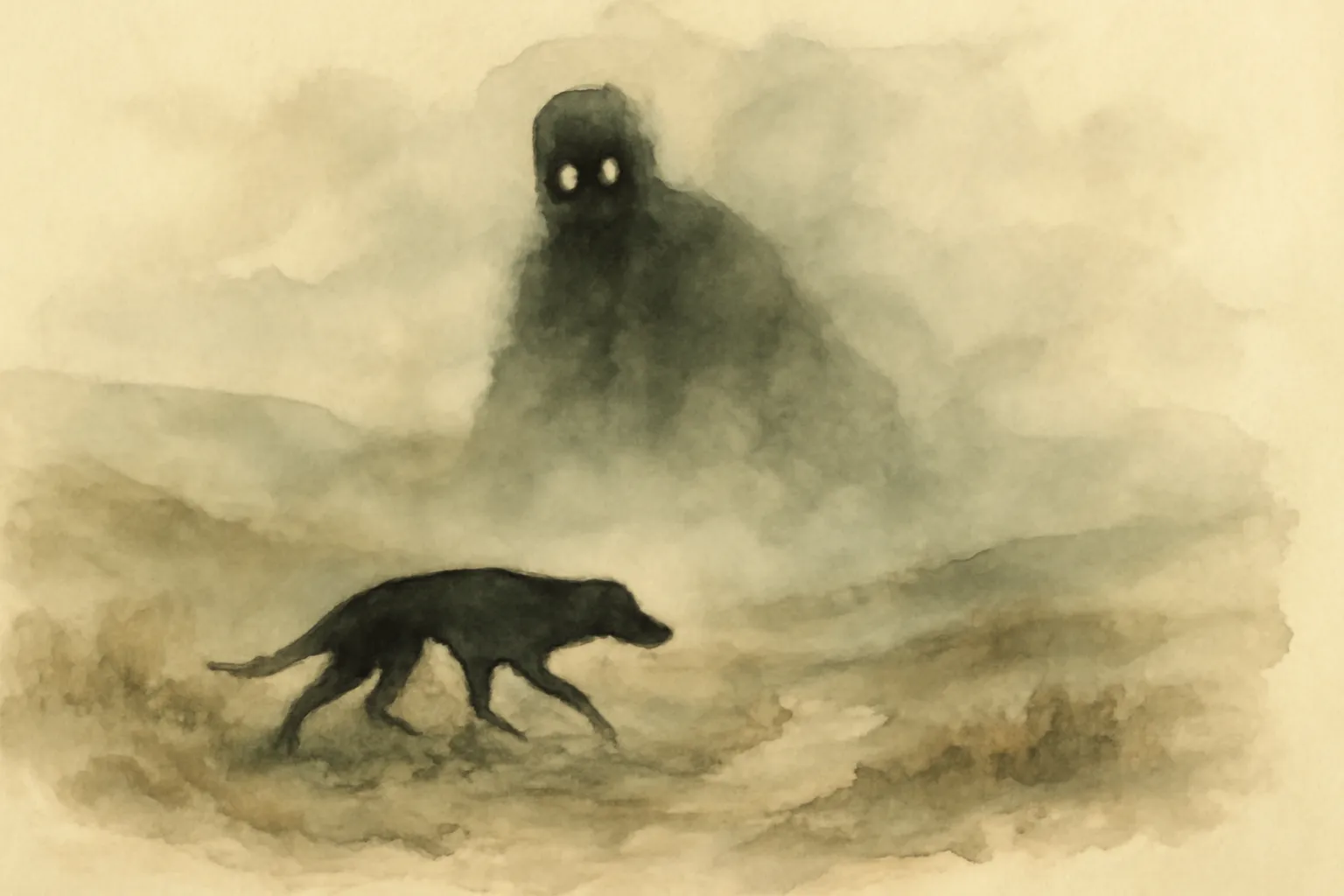
The central legend surrounding the Baskerville family is steeped in folklore, depicting a ghostly hound that brings doom to the Baskerville line. Dr. Read moreThe central legend surrounding the Baskerville family is steeped in folklore, depicting a ghostly hound that brings doom to the Baskerville line. Dr. Mortimer presents an ancient manuscript that recounts the tale of Hugo Baskerville, who allegedly unleashed a hellish hound upon his enemies and faced dire consequences. This legend not only serves as the backdrop for the novel but also raises questions about the nature of fear and superstition. The way the locals react to the tale underscores the power of folklore in shaping beliefs and behaviors. The manuscript, detailing the events that led to Hugo's demise, is read by Mortimer in a high, cracking voice, capturing the tension and grave seriousness with which Sir Charles regarded the tale. As Sir Charles dies under mysterious circumstances, the legend appears to manifest in reality, creating a tension between rational explanations and supernatural beliefs. This exploration of the legend of the hound highlights how stories can influence perceptions and instill fear, shaping the actions of individuals within a community. The tale also acts as a metaphor for the hidden dangers that lurk in the shadows, both in the natural world and within the human psyche. Show less
Read the full text — free
About the author
Arthur Conan Doyle has 11 works free to read on Lumina, including A Study in Scarlet, Tales of Terror and Mystery, The Adventures of Sherlock Holmes