
severe poverty · starvation · oppression
The Hunger Games by Suzanne Collins — Summary, Key Ideas & Quotes
2008399 pages✦ 3-min Big ideas★ 4.1 (539)
Rate it
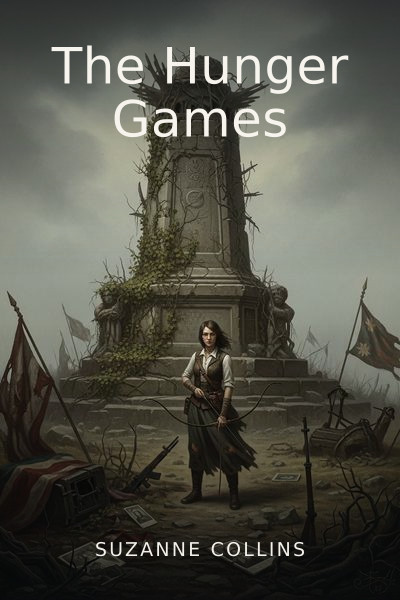
The Hunger Games is a 2008 dystopian novel by the American writer Suzanne Collins. It is written in the perspective of 16-year-old Katniss Everdeen, who lives in the future, post-apocalyptic nation of Panem in North America. The Capitol, a highly advanced metropolis, exercises political control over the rest of the nation. The Hunger Games is an annual event in which one boy and one girl aged 12–18 from each of the twelve districts surrounding the Capitol are selected by lottery to compete in a televised battle royale to the death. The book received critical acclaim from major reviewers and authors. It was praised for its plot and character development. In writing The Hunger Games, Collins drew upon Greek mythology, Roman gladiatorial games, and contemporary reality television for thematic content. The novel won many awards, including the California Young Reader Medal, and was named one of Publishers Weekly's "Best Books of the Year" in 2008. The Hunger Games was first published in hardcover on September 14, 2008, by Scholastic, featuring a cover designed by Tim O'Brien.
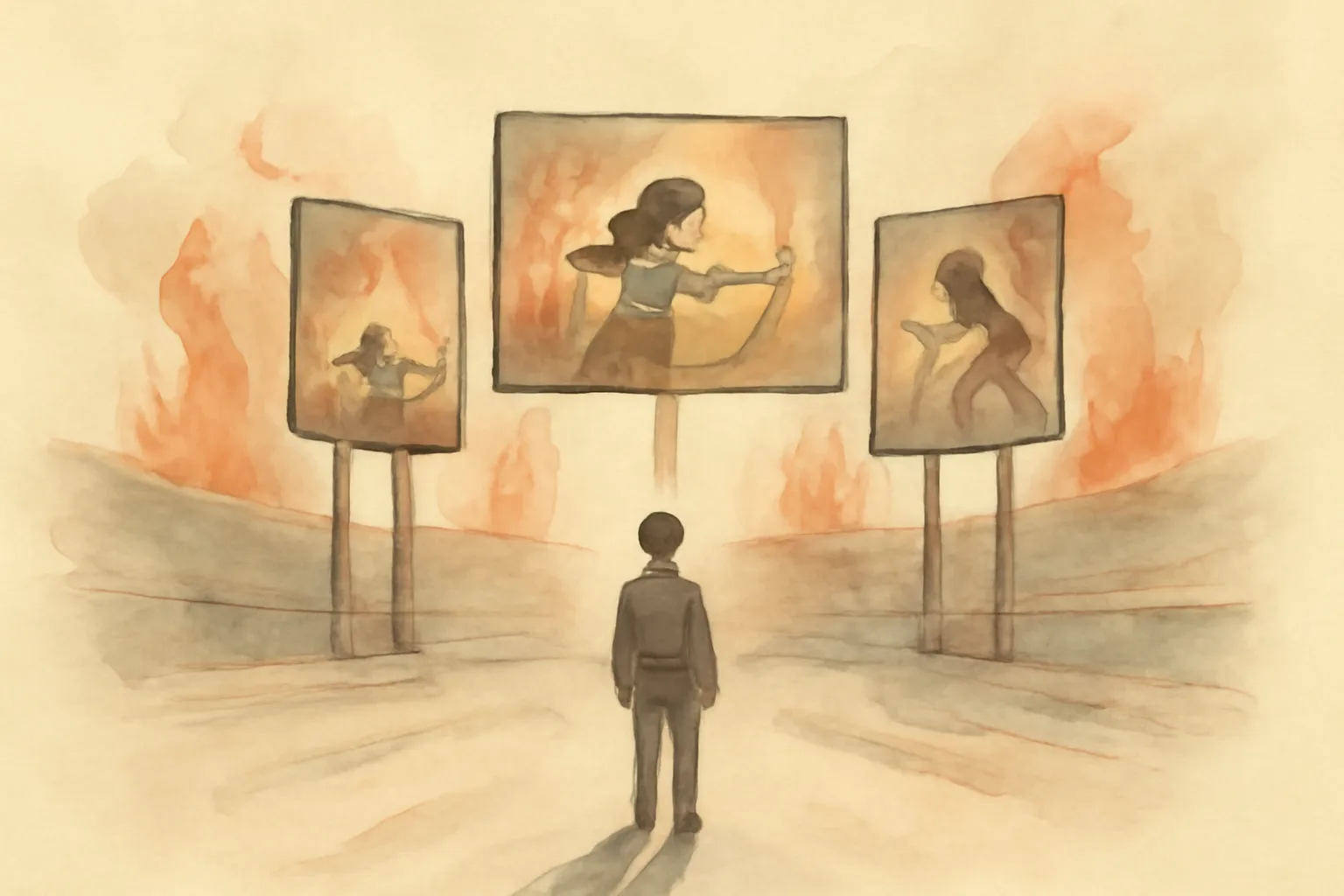
The Hunger Games themselves are not just a punishment for the districts but a tool for the Capitol to assert dominance through entertainment. By televising the brutal contest, the Capitol turns suffering into a spectacle, desensitizing viewers and reinforcing its control. The Games manipulate public perception, making rebellion seem futile and distracting citizens from their oppression. This theme prompts readers to question how media and spectacle can be used to shape societal norms and maintain power.
Katniss’s journey is defined by the tension between doing what it takes to survive and holding onto her humanity. The Games force tributes into morally ambiguous situations, challenging their values. Katniss’s choices—whom she trusts, how she treats others, and when she resists the rules—highlight the struggle to remain compassionate in a dehumanizing system. The novel asks whether survival is worth the cost of one’s integrity, a question that resonates far beyond its fictional world.
“May the odds be ever in your favor.”
“I volunteer as tribute!”
