

Cancer · Cell culture · Research
The Immortal Life of Henrietta Lacks by Rebecca Skloot — Summary, Key Ideas & Quotes
2009381 pages✦ 3-min Big ideas★ 4.3 (42)
Rate it
Her name was Henrietta Lacks, but scientists know her as HeLa. She was a poor black tobacco farmer whose cells—taken without her knowledge in 1951—became one of the most important tools in medicine, vital for developing the polio vaccine, cloning, gene mapping, in vitro fertilization, and more. Henrietta’s cells have been bought and sold by the billions, yet she remains virtually unknown, and her family can’t afford health insurance. This New York Times bestseller takes readers on an extraordinary journey, from the “colored” ward of Johns Hopkins Hospital in the 1950s to stark white laboratories with freezers filled with HeLa cells, from Henrietta’s small, dying hometown of Clover, Virginia, to East Baltimore today, where her children and grandchildren live and struggle with the legacy of her cells. The Immortal Life of Henrietta Lacks tells a riveting story of the collision between ethics, race, and medicine; of scientific discovery and faith healing; and of a daughter consumed with questions about the mother she never knew. It’s a story inextricably connected to the dark history of experimentation on African Americans, the birth of bioethics, and the legal battles over whether we control the stuff we’re made of. ([source][1])
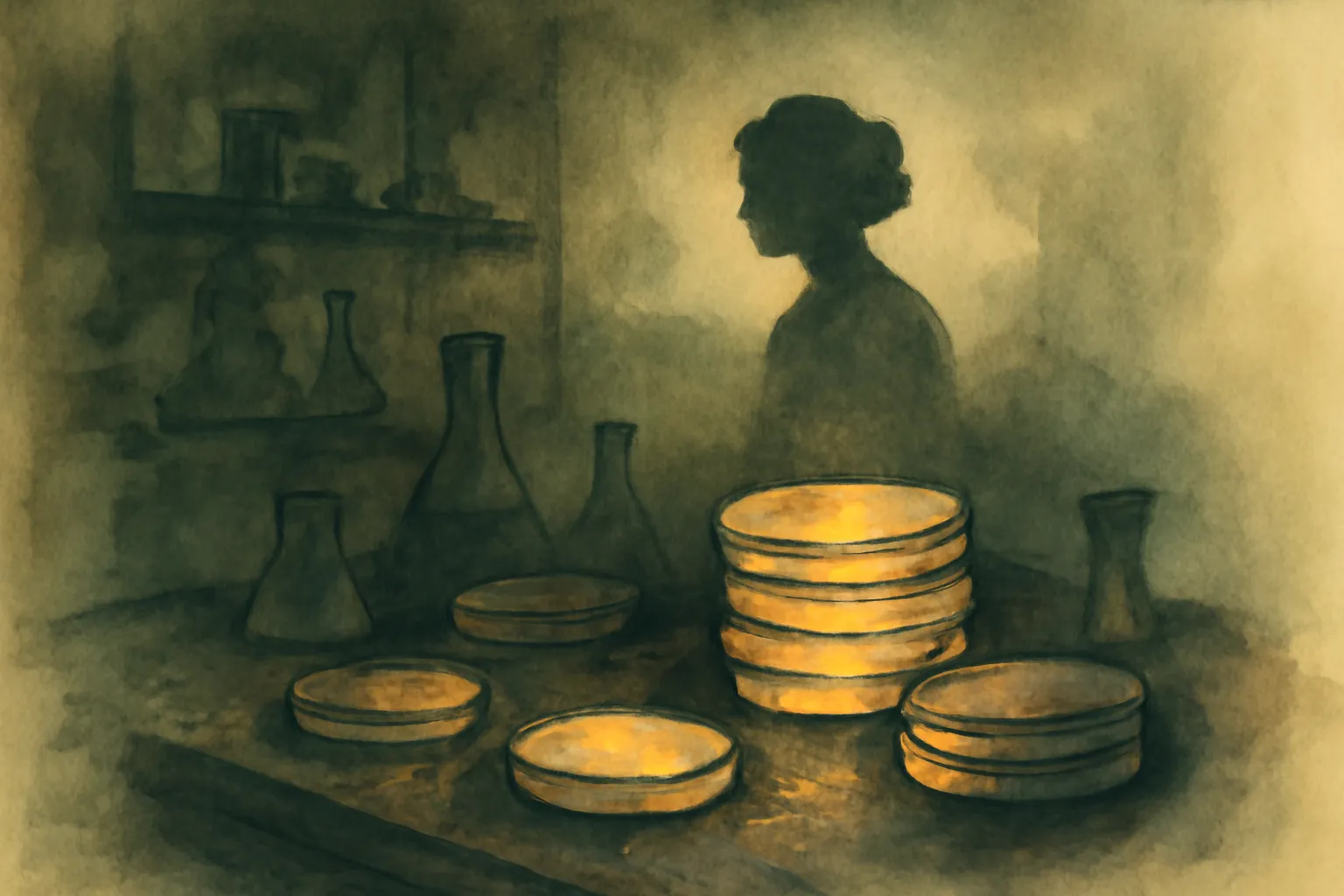
At the heart of the book is Henrietta Lacks, a Black woman whose cancer cells—taken without her consent—became the first immortal human cell line, known as HeLa. While these cells fueled countless medical advances, Henrietta herself was largely forgotten by the scientific community. Skloot's narrative restores humanity to the science, reminding readers that behind every discovery are real people and families impacted in profound ways.
The book raises urgent questions about medical ethics, particularly the lack of informed consent in the 1950s. Henrietta's cells were taken and used for research without her knowledge, a common practice at the time, especially among marginalized populations. Skloot explores how this case contributed to the development of modern bioethics and ongoing debates about patients’ rights, ownership of biological materials, and the responsibilities of researchers.
“But I always have thought it was strange, if our mother cells done so much for medicine, how come her family can’t afford to see no doctors?”
“Like most scientists, Gey’s lab spent most of its time trying to grow cells, not keeping them alive.”