
Novela de misterio · History · Monasticismo y vida religiosa
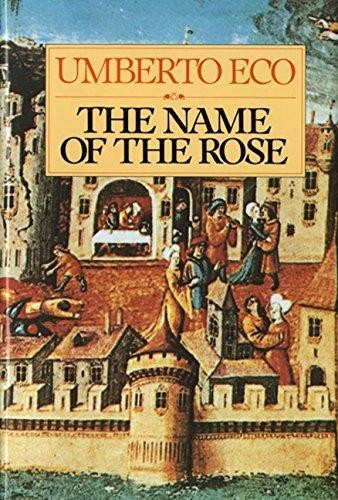
The Name of the Rose by Umberto Eco — Summary, Key Ideas & Quotes
1980533 pages✦ 3-min Big ideas★ 4.1 (121)
Rate it
It is the year 1327. Franciscans in an Italian abbey are suspected of heresy, but Brother William of Baskerville’s investigation is suddenly overshadowed by seven bizarre deaths. Ultima settimana del novembre 1327. Il novizio Adso da Melk accompagna in un'abbazia dell'alta Italia frate Guglielmo da Baskerville, incaricato di una sottile e imprecisa missione diplomatica. Ex inquisitore, amico di Guglielmo di Occam e di Marsilio da Padova, frate Guglielmo si trova a dover dipanare una serie di misteriosi delitti (sette in sette giorni, perpetrati nel chiuso della cinta abbaziale) che insanguinano una biblioteca labirintica e inaccessibile. Per risolvere il caso, Guglielmo dovrà decifrare indizi di ogni genere, dal comportamento dei santi a quello degli eretici, dalle scritture negromantiche al linguaggio delle erbe, da manoscritti in lingue ignote alle mosse diplomatiche degli uomini di potere. La soluzione arriverà, forse troppo tardi, in termini di giorni, forse troppo presto, in termini di secoli. La copertina dell'articolo può variare.
At its core, the novel pits rational inquiry against religious dogma. Brother William of Baskerville, the protagonist, embodies the spirit of logical deduction and skepticism, inspired by thinkers like William of Ockham. His investigation into the abbey’s murders unfolds as a battle between enlightenment and the rigid orthodoxy of the medieval Church. Eco uses William’s methods to highlight the tension between seeking empirical truth and accepting doctrine, raising questions about the very nature of knowledge and belief.
The abbey’s labyrinthine library is both a treasure trove and a prison for knowledge. The story revolves around a forbidden book, symbolizing the Church’s anxiety about the subversive potential of ideas. Eco explores how those in power control access to information, fearing that certain truths could destabilize religious and social order. The library’s secrets—and the deadly consequences of uncovering them—reflect the perennial struggle over who gets to define and disseminate knowledge.
“Books are not made to be believed, but to be subjected to inquiry.”
“The only truth lies in learning to free ourselves from insane passion for the truth.”