
World War, 1914-1918 · World War, 1939-1945 · History
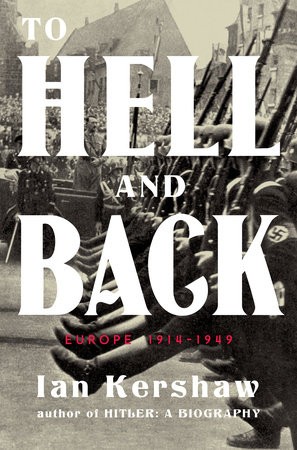
To Hell and Back: Europe 1914-1949 by Ian Kershaw — Summary, Key Ideas & Quotes
2015592 pages✦ 3-min Big ideas★ 3.0 (1)
Rate it
"The Penguin History of Europe series reaches the twentieth century with ... Ian Kershaw's long-anticipated analysis of the pivotal years of World War I and World War II. The European catastrophe, the long continuous period from 1914 to 1949, was unprecedented in human history-- an extraordinarily dramatic, often traumatic, and endlessly fascinating period of upheaval and transformation. This new volume in the ... series offers comprehensive coverage of this tumultuous era. Beginning with the outbreak of World War I through the rise of Hitler and the aftermath of the Second World War, [the author] profiles the key decision makers and the violent shocks of war as they affected the entire European continent and radically altered the course of European history. Kershaw identifies four major causes for this catastrophe: an explosion of ethnic-racist nationalism, bitter and irreconcilable demands for territorial revisionism, acute class conflict given concrete focus through the Bolshevik Revolution, and a protracted crisis of capitalism. [This book] offers [a] study of a period in European history whose effects are still being felt today"--Amazon.com.
Kershaw identifies four interlocking forces that drove Europe into crisis: virulent ethnic-racist nationalism, insatiable territorial revisionism, class conflict (especially after the Bolshevik Revolution), and a prolonged crisis of capitalism. These factors did not operate in isolation; rather, they fueled and reinforced each other, creating a volatile environment where extremism, violence, and authoritarianism could thrive. Understanding these engines is crucial to grasping why Europe’s descent into chaos was not accidental but rooted in deep structural tensions.
Violence, both organized and spontaneous, is at the heart of Kershaw’s narrative. The book details how the First World War shattered old certainties and made mass violence thinkable, even routine. The interwar years saw paramilitary groups, civil wars, and state terror become common, culminating in the genocidal violence of the Second World War. Kershaw argues that this normalization of violence was both a symptom and a cause of Europe’s crisis, leaving deep scars that shaped the postwar order.