1.The Power of Disguise and Identity
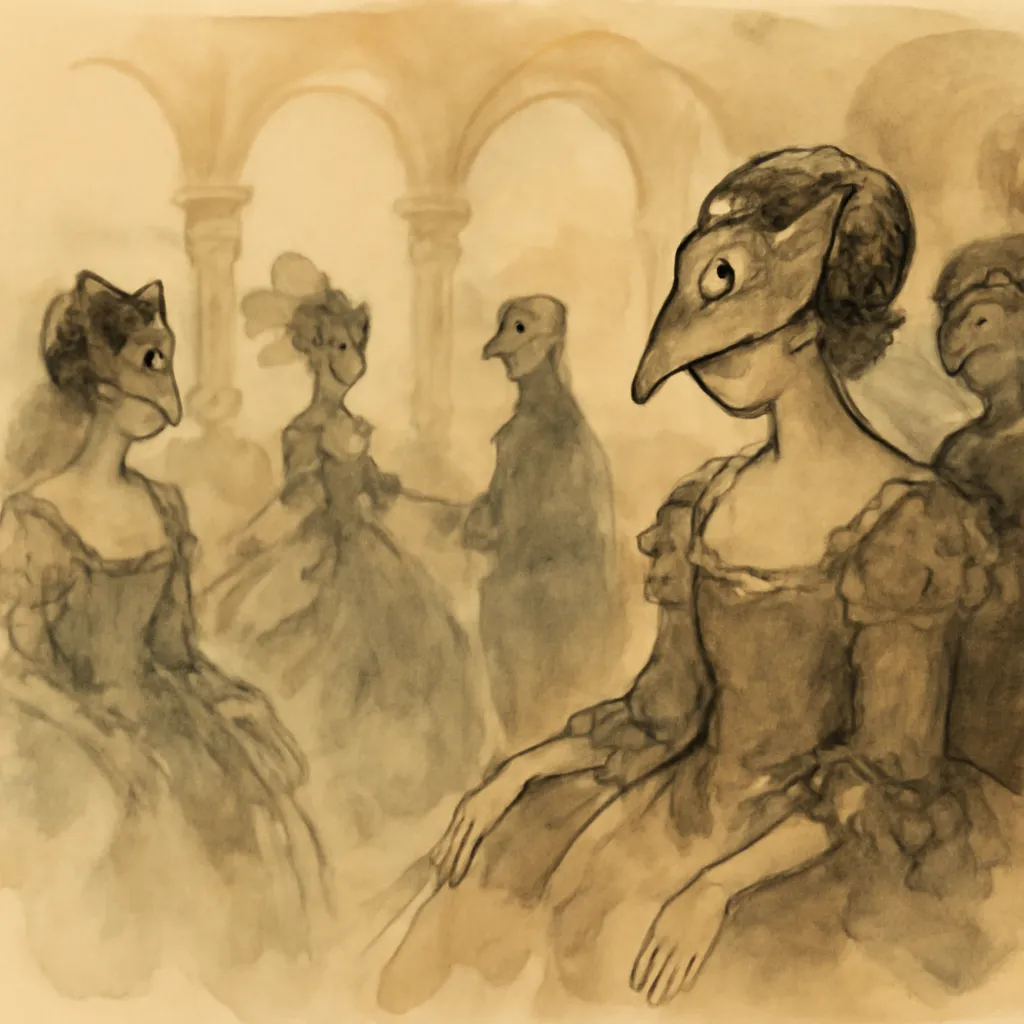
At the heart of 'Cynthia's Chauffeur' lies the theme of disguise and the fluidity of identity. Young Lord Medenham, by taking on the role of a chauffeur, steps outside the rigid confines of his aristocratic life, allowing him to interact with people on a more equal footing. This transformation is not merely superficial; it serves as a vehicle for self-discovery. Medenham's experiences as a chauffeur grant him insights into the lives of those from different social strata, particularly the spirited American heiress, Cynthia Vanrenen. As he grapples with his feelings for her, he realizes that love transcends social class. The disguise allows him to shed his title and the expectations that come with it, fostering a genuine connection with Cynthia. This exploration of identity highlights the idea that individuals are often more than their titles or societal roles, urging readers to consider who they truly are beneath the surface. The novel suggests that stepping into another's shoes, even temporarily, can reveal profound truths about oneself.
2.Class and Society's Expectations

The novel vividly illustrates the societal expectations of early 20th-century England, particularly regarding class distinctions. Medenham’s initial reluctance to reveal his true identity to Cynthia stems from the rigid class structures that dictate interactions and relationships. The interactions between characters—like the well-bred butler Tomkinson and the American socialite Mrs. Devar—exemplify the tension between traditional British aristocracy and the emerging American ideals of equality and freedom. Tomkinson's unwavering loyalty to Medenham juxtaposes with Mrs. Devar's manipulative nature, creating a dynamic that underscores the varying responses to class expectations. This juxtaposition creates a rich narrative landscape, where characters must navigate their desires against the backdrop of societal norms. Tracy uses these dynamics to critique the limitations imposed by class, suggesting that true connection and understanding can only occur when individuals look beyond status and wealth. The dialogues often reveal the characters' preconceptions and biases, illustrating how deeply ingrained societal structures can shape thoughts and behaviors.
3.Romance and the Quest for Authentic Connection

Central to the narrative is the blossoming romance between Medenham and Cynthia, which serves as a catalyst for both characters' growth. Their relationship evolves from playful banter to deep emotional connection, highlighting the quest for authenticity in a world steeped in pretense. Cynthia's spirited nature and independence challenge Medenham's preconceived notions of love and relationships. As they spend time together, their conversations reveal vulnerabilities, desires, and dreams, forging a bond that transcends their social classes. Medenham's willingness to act as Cynthia's chauffeur symbolizes a departure from his aristocratic expectations, allowing him to experience love in a more genuine form. The novel posits that genuine connections are built on shared experiences and mutual respect rather than mere status. Tracy’s depiction of their romance is not just a love story; it’s a commentary on the necessity of authenticity in relationships, urging readers to seek deeper connections that are rooted in understanding rather than superficial attractions.
4.The Influence of American Values

Cynthia Vanrenen embodies the American values of independence and self-determination, which starkly contrast with the British aristocracy's adherence to tradition. Her presence in the story challenges the status quo, as she navigates the complexities of her own identity while also influencing those around her. Cynthia's character invites readers to consider the impact of cultural differences on personal relationships. Her straightforwardness and refusal to conform to societal expectations compel Medenham to reevaluate his own life choices. This cultural exchange not only enriches the narrative but also serves as a commentary on the shifting dynamics between the old world and the new, emphasizing the need for adaptability in the face of change. The interactions between Cynthia and Medenham often highlight her unconventional approach to life, which fosters a sense of liberation for both characters. Tracy juxtaposes Cynthia's American assertiveness with the British reluctance to break from tradition, illustrating how cultural backgrounds shape perspectives and behaviors in relationships.
5.Friendship and Loyalty Tested

The novel intricately explores themes of friendship and loyalty, particularly through the relationships between Medenham, his chauffeur Dale, and the various characters they encounter. As Medenham assumes the role of a chauffeur, he must navigate the delicate balance between maintaining his friendship with Dale and pursuing his feelings for Cynthia. The tension escalates when Medenham's dual identity creates misunderstandings and complications, forcing him to confront the nature of loyalty. Medenham’s internal conflict reveals the complexities of friendship in the face of romantic feelings, as he struggles to uphold both his personal desires and his commitments to those he cares about. Tracy illustrates how friendships can be tested by circumstances and personal choices, ultimately leading to moments of self-reflection and growth. The evolving dynamics between the characters underscore the importance of communication and honesty in preserving relationships, as Medenham learns that true loyalty involves not only devotion but also the courage to face the truth about oneself and one’s feelings.
6.The Thrill of the Chase

A significant aspect of 'Cynthia's Chauffeur' is the thrill of the chase, which manifests in both the racing context of Derby Day and the romantic pursuit between Medenham and Cynthia. The excitement of the horse races serves as a metaphor for the unpredictability of love and life itself. Just as the outcome of a race is uncertain, so too are the characters' futures and the potential for their relationships to flourish or falter. This parallel underscores the idea that life is an adventure filled with risks and rewards. Medenham’s pursuit of Cynthia is fraught with obstacles, mirroring the challenges faced in a race. The narrative captures the essence of this chase, inviting readers to embrace the uncertainty and excitement of their own journeys. Tracy employs vivid imagery to describe the races, instilling a sense of urgency and adrenaline that reflects the characters’ inner turmoil. The thrill of the chase serves as a backdrop against which profound moments of realization and decision unfold, emphasizing the idea that love, much like a race, demands courage and commitment.
7.The Role of Fate and Chance

Fate and chance play pivotal roles in the unfolding of events within 'Cynthia's Chauffeur.' The serendipitous meetings between characters—such as Medenham's chance encounter with Cynthia at the races—underscore the idea that life is often shaped by unpredictable forces. Tracy weaves these elements into the narrative, suggesting that while individuals may strive to control their destinies, external circumstances can significantly alter their paths. This theme resonates with readers, encouraging them to reflect on the role of fate in their own lives. The unexpected twists and turns faced by the characters serve as reminders that moments of chance can lead to profound changes, often steering individuals toward their true selves. The intertwining of fate and personal choice reveals the complexity of human experience, as characters must navigate the challenges presented by both their decisions and the whims of chance. This exploration invites introspection about how much control one truly has over their life’s trajectory.
8.The Complexity of Love

The complexity of love is a recurring theme throughout the narrative, as characters grapple with their emotions and the implications of their choices. Medenham's feelings for Cynthia are layered with uncertainty, as he struggles with the fear of revealing his true identity and the potential consequences that could follow. Meanwhile, Cynthia's journey of self-discovery leads her to question her own feelings and the societal pressures that accompany her wealth and status. Tracy delves into the intricacies of love, portraying it as a multifaceted experience that encompasses joy, fear, and vulnerability. The characters' emotional journeys highlight the challenges of navigating love in a world where societal expectations often complicate personal desires. Medenham’s internal conflict, marked by moments of introspection, illustrates the duality of love as both a source of exhilaration and a cause of anxiety. The novel suggests that the path to understanding love requires grappling with one’s own insecurities and societal constraints.
9.Conflict and Resolution

Conflict arises not only from the external pressures of society but also from the internal struggles of the characters as they confront their desires and fears. Medenham's dual identity creates tension between his obligations to his family and his growing affection for Cynthia. The narrative builds toward a climax where these conflicts reach a boiling point, forcing characters to confront their true selves and the choices they must make. The resolution is not merely a tidy ending but rather an exploration of the consequences of their decisions. Tracy emphasizes the importance of resolution in personal growth, illustrating that facing conflict can lead to deeper understanding and fulfillment. The struggles faced by the characters serve as pivotal moments that catalyze their transformation, suggesting that personal growth often emerges from adversity. The novel concludes with a nuanced understanding of conflict, portraying it as an essential aspect of life that ultimately leads to clarity and purpose.