Big ideas · from the full text
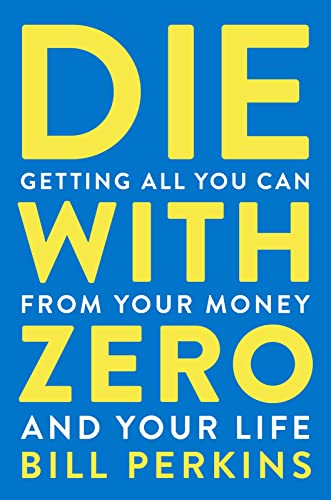
Die With Zero
by Bill Perkins · 3 min read · Lumina’s commentary, written with AI
About this book
"A startling new philosophy and practical guide to getting the most out of your money-and out of life-for those who value memorable experiences as much as their earnings"--
As an Amazon Associate, Lumina earns from qualifying purchases. How this works
♫ AI-generated voice · press play below to listen and read along; tap any passage to jump to it
Money has a best-use season
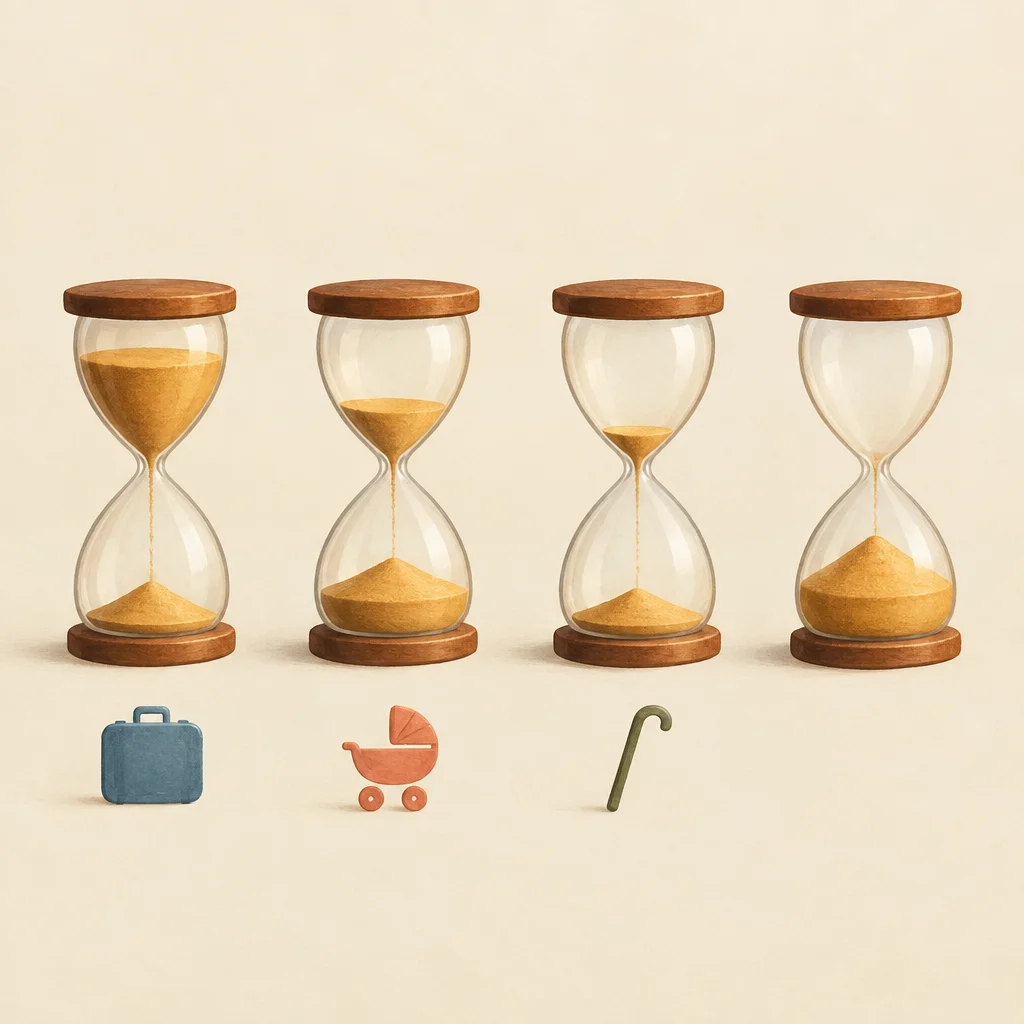
In Die With Zero, Bill Perkins argues that money’s usefulness changes with age. The same dollars can matter more when they match your time, health, family stage, and what you still want to do. A large amount that arrives late may be less usable than a smaller amount used earlier, when travel, parenting moments, or physical activities are still possible. The point is not just “more money,” but “money at the right time.”
Why it matters
This pushes readers to ask when money can help, not only how much they can collect.
An example
The summary describes an elderly grandmother getting money when she can scarcely enjoy it.
Keep in mind
The idea fits most clearly when a person already has choices beyond basic survival needs.
Experiences can keep returning through memory

In Die With Zero, Bill Perkins treats some experiences as assets that can pay you back through memory. After an event ends, you may relive it by telling the story, looking at photos, or feeling closer to someone who shared it. That makes timing matter: an earlier experience can have extra value because it has more years to be remembered and revisited. The book does not claim all spending lasts this way, only that some experiences do.
Why it matters
It gives a reason to choose certain moments before age or duty closes the chance.
An example
A young roommate’s European backpacking trip shows a chance later travel could not fully repeat.
Keep in mind
The book does not say all spending creates lasting value; the narrator’s costly purchases show otherwise.
Give while the gift can still change something

In Die With Zero, Bill Perkins argues that giving should be timed so it can actually help. Money meant for children or charity, he says, should be planned separately from personal spending. If a gift waits until death, its timing and even its fit for the recipient’s real needs may be off. Earlier giving can support children during expensive years and allow charities to act sooner. The book presents age guidelines as suggestions, not rigid rules.
Why it matters
A delayed gift may arrive after the hard season has already passed.
An example
Virginia Colin receives an inheritance at 49, after hard years raising four children.
Keep in mind
The suggested giving ages are only a guide; maturity and individual circumstances still matter.
Zero is a planning direction, not a stunt

In Die With Zero, Bill Perkins says “die with zero” is not a command to spend recklessly. Exact zero can’t be planned because death timing, health costs, markets, and care needs are uncertain. Instead, the book frames zero as a direction: set a safety floor, and consider tools like insurance or annuities. The summary also notes that life-expectancy calculators only give odds, and that annuities may limit access to principal.
Why it matters
This keeps the argument from becoming anti-saving or careless about future risk.
An example
Life-expectancy calculators offer odds, and annuities can help but may limit access to principal.
Keep in mind
The summary notes that annuities are complex and may not be right for everyone.
Some chances end before life ends

In Die With Zero, Bill Perkins says life has many smaller endings, not just one final end. Children grow, bodies change, duties shift, and certain pleasures stop fitting. The book uses “time bucketing” to make this visible: place experiences you want into future time periods so deadlines and conflicts show up earlier. The summary’s example is small but clear—his daughters eventually stop enjoying a movie they once watched with him often—showing that even simple rituals can have an expiration date.
Why it matters
It makes vague wishes more concrete and helps people spot chances that may not return.
An example
The narrator’s daughters eventually stop enjoying a movie they once watched with him often.
Keep in mind
A time bucket is only a planning aid; health, money, and family life can still change.
Liked the ideas? Read Die With Zero in full.
The big ideas are free on Lumina. The complete book is available from:
As an Amazon Associate, Lumina earns from qualifying purchases. How this works