Main learnings
The White Book
by Ramtha · 3 min read
- Type: Nonfiction
- Format: Spiritual teachings
- Topic: Spirituality
- Topic: Philosophy
About this book
A work of spiritual teaching that presents Ramtha's account of human divinity, reincarnation, and the power of thought. It combines his claimed life story with a broad view of fear, joy, the body, and spiritual freedom. The book invites readers to explore these beliefs through experience; its extraordinary claims are part of the teaching.
Who it's for: For readers interested in channeled teachings and mystical ideas about the self, life, and spirituality.
AI-narrated · An AI-generated voice reads the same Lumina commentary shown on this page.
God as inner life, not a distant judge
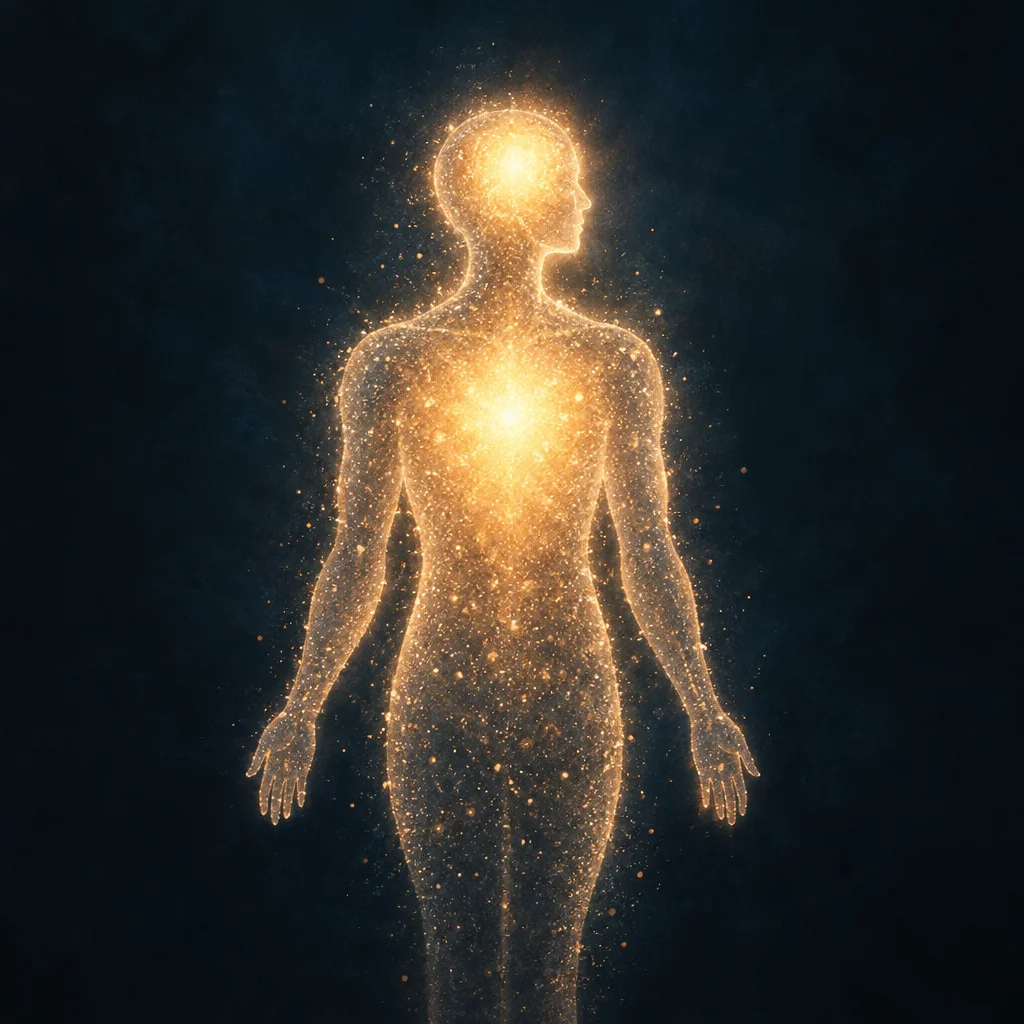
In The White Book by Ramtha, God is framed less as an outside ruler who judges the world and more as existence itself. Each person is described as an expression of that same life. So seeking God is presented as turning inward, toward the self, rather than reaching up toward a separate authority. The book’s portrayal of Yeshua fits this: he is treated as someone who fully expressed a divinity the book says is available to all people.
Why it matters
It clarifies why the book ties spiritual awakening to self-knowledge and personal freedom rather than obedience to an external power.
An example
Ramtha presents Yeshua as someone who fully expressed the same divine life available to all people.
Keep in mind
The source supports this as the book’s teaching, not as proof that its theology is true.
Wisdom comes from lived feeling, not thought alone

In The White Book by Ramtha, an idea is not considered fully known until it is lived and felt. Thought by itself is described as incomplete; experience supplies the emotional force that turns concepts into wisdom. That is why embodied life—with limits, pain, and ordinary situations—is treated as meaningful rather than merely something to escape. The book illustrates this through sorrow: it is said to teach what abstract knowledge cannot, while possessions fade and emotional wisdom remains.
Why it matters
It provides the book’s rationale for valuing everyday life even while reaching for transcendence.
An example
Ramtha says sorrow can teach what abstract knowledge cannot, while possessions fade and emotional wisdom remains.
Keep in mind
The idea can comfort readers, but it may also soften the moral shock of real harm.
Freedom is paired with strong self-responsibility
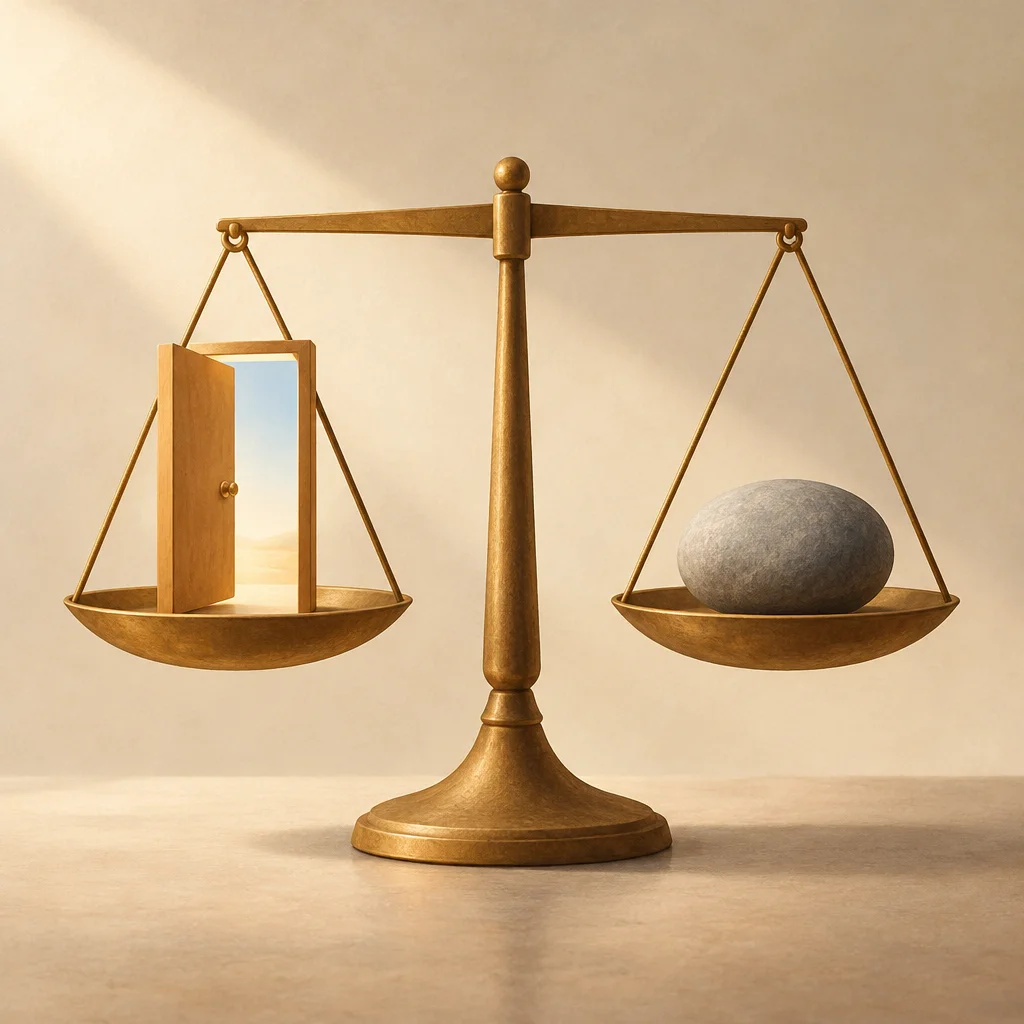
The White Book by Ramtha rejects hell, compulsory karma, and a fixed divine plan. People are described as free to explore, desire, forgive, and move on. But the same teaching adds a demanding responsibility: thoughts and emotions are said to help create the circumstances one lives in. The astrology discussion is used to illustrate this stance. Readings are presented as having power over someone when that person accepts them—not because the stars rule destiny.
Why it matters
It captures the book’s central tension: wide freedom alongside a heavy account of personal responsibility.
An example
The astrology discussion says readings affect people when they accept them, not because stars rule destiny.
Keep in mind
The summary gives no independent evidence that thoughts create events in the way the book claims.
Death is not the only ending the book describes
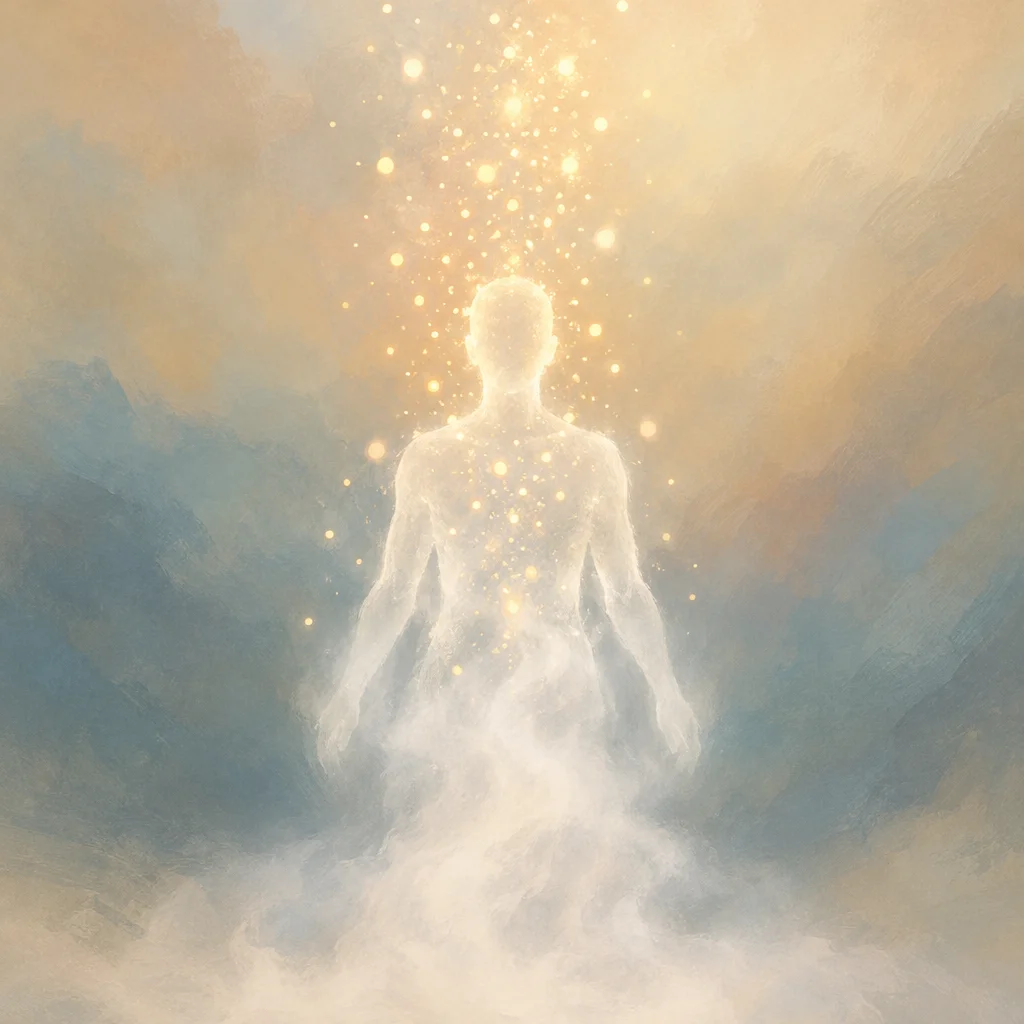
In The White Book by Ramtha, death is said to end the body but not the emotional and mental life of the personality. The book describes an after-death journey through seven planes. It also teaches another possibility: ascension, in which the body is transformed into light and memory is not lost. This teaching aligns with the book’s broader theme that limits can be overcome through self-recognition, while also making extraordinary claims about what can happen to the body.
Why it matters
It shows how the book mixes comfort about death with far-reaching metaphysical claims.
An example
Ramtha describes seven planes after death and also teaches bodily transformation into light as another path.
Keep in mind
These are part of the book’s metaphysical account, not events verified by the supplied source.
Liked the ideas? Read The White Book in full.
The summary is free on Lumina. The complete book is available from: