Main learnings
The Code of the Woosters
by P. G. Wodehouse · 3 min read
- Type: Fiction
- Format: Novel
- Topic: Humor
- Topic: Relationships

About this book
A comic novel in which Bertie Wooster's country-house visit becomes a knot of favors, romantic confusion, and trouble over a valuable silver cow-creamer. P. G. Wodehouse builds a farce from social rules and tangled obligations. Bertie tries to help his friends while avoiding the consequences of other people's plans for him.
Who it's for: For readers who enjoy farce, elaborate plots, and a narrator overwhelmed by social and romantic complications.
Bertie’s decency is comic because it is inconvenient
Contains plot details
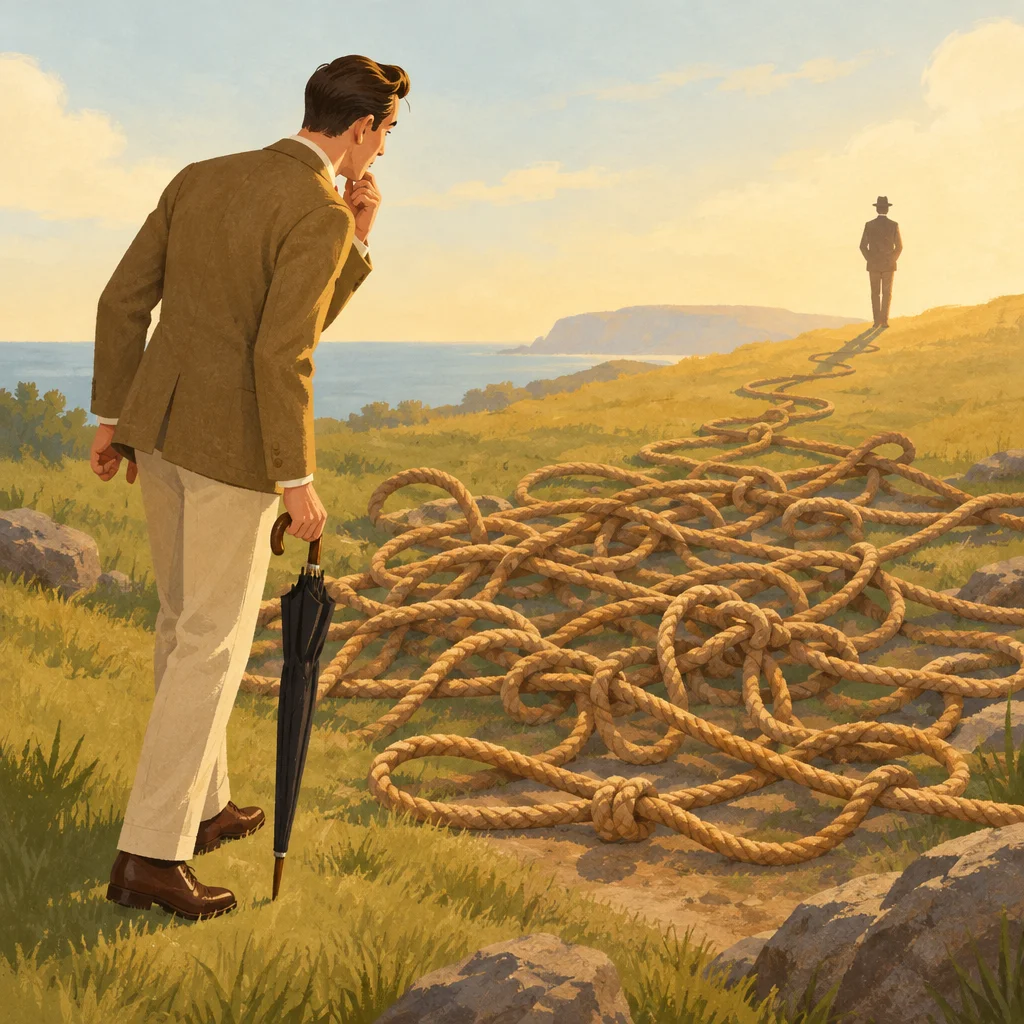
In The Code of the Woosters by P. G. Wodehouse, Bertie Wooster keeps aiming for comfort and safety, but other people drag him toward risk. The running joke is that he protests, worries, and looks for exits, yet still shows up when a friend might be left exposed. His loyalty lands as comedy because it costs him ease and invites trouble rather than letting him stay untouched.
Why it matters
The book’s warmth comes from loyalty under pressure, not from Bertie being brave in a simple way.
An example
Stiffy appeals to the Wooster duty not to abandon a friend when Harold faces blame over the helmet.
Keep in mind
This is Lumina’s reading of the plot pattern. The summary does not claim Bertie has a formal moral theory.
Objects become traps because people attach shame to them
Contains plot details
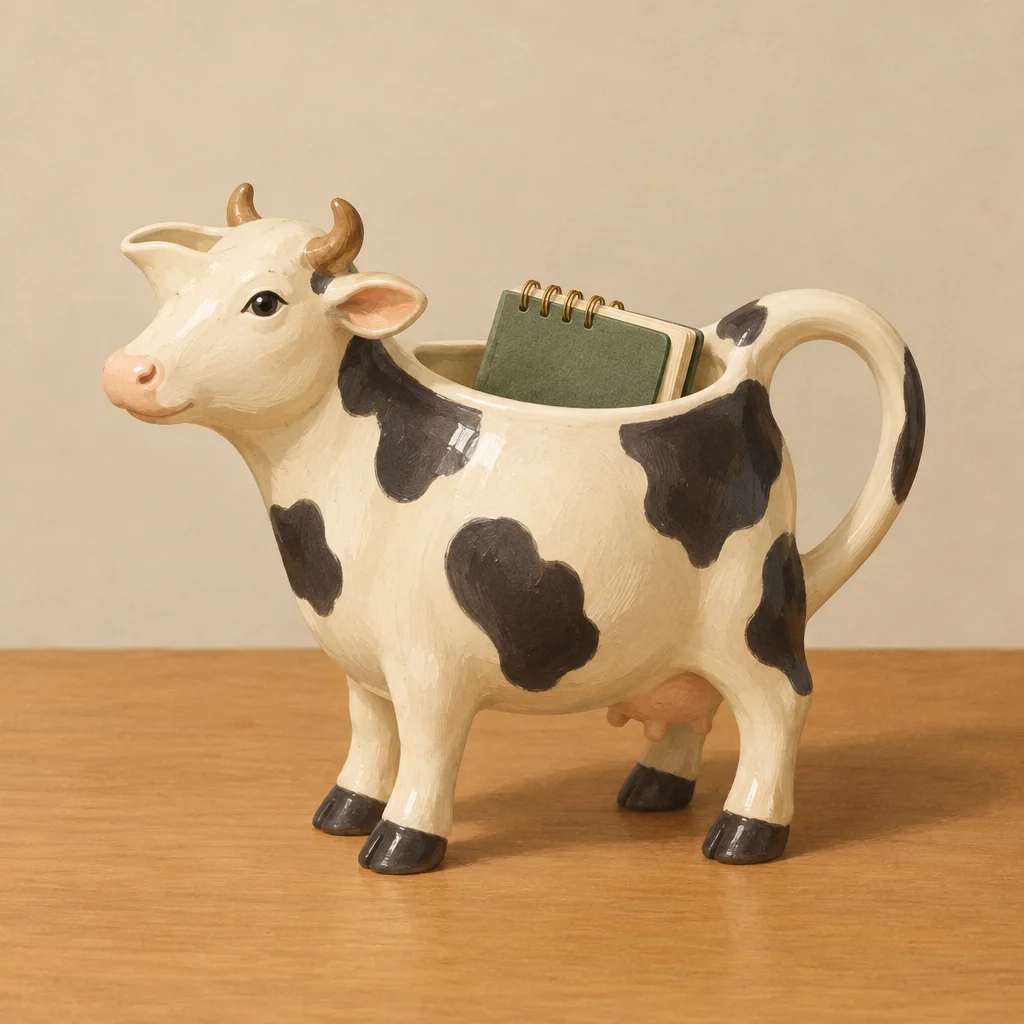
In The Code of the Woosters by P. G. Wodehouse, certain objects become more than props because characters treat them as carriers of disgrace. The cow-creamer, Gussie’s notebook, and the policeman’s helmet all have the potential to embarrass or damage someone if discovered in the wrong hands. The farce tightens as these items get moved, hidden, and sought, turning simple things into social hazards.
Why it matters
The farce feels organized because the same objects keep linking romance, law, family, and reputation.
An example
Gussie’s notebook ends up hidden inside the cow-creamer, joining the marriage plot to the theft plot.
Keep in mind
The source supports this pattern inside the novel, not a wider claim about objects in comedy generally.
Jeeves wins by knowing what people fear
Contains plot details
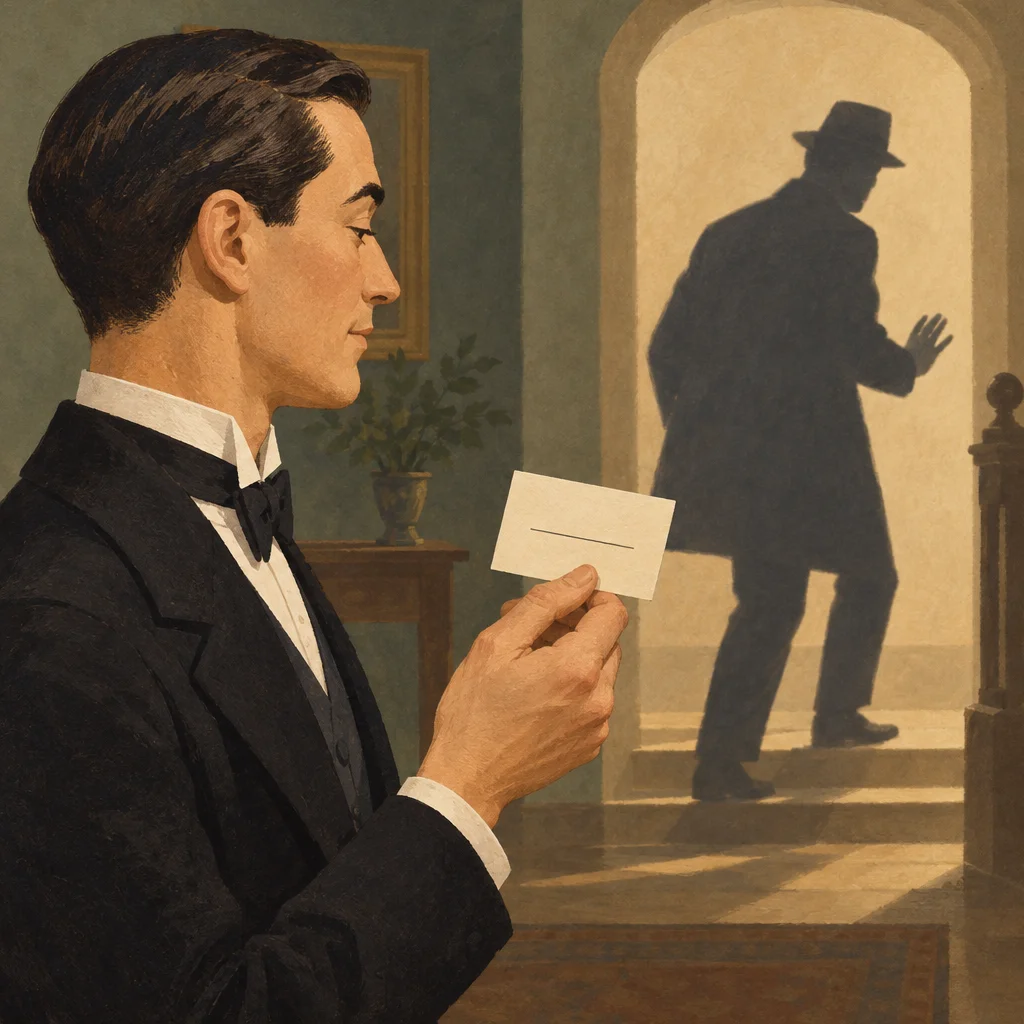
In The Code of the Woosters by P. G. Wodehouse, Jeeves’s edge is not loudness but information about what unsettles people behind their public fronts. He watches carefully, learns the private vulnerability, and then uses it with timing. With Spode, the story’s pattern is that a single word—“Eulalie”—is enough to halt Spode’s threats once Jeeves knows it matters to him.
Why it matters
The book treats intelligence as timing, restraint, and knowledge of character rather than loud action.
An example
Jeeves learns that one word, Eulalie, can make Spode stop threatening Bertie and Gussie.
Keep in mind
Jeeves’s method works in this comic plot because hidden facts arrive in time; the summary does not prove it would work outside this world.
Romance depends on interpretation, not just feeling

In The Code of the Woosters by P. G. Wodehouse, romance keeps turning on how people interpret what they see and hear. Engagements wobble because characters read the same actions as devotion, flirting, betrayal, or strategy. Words and gestures do not carry stable meanings; they get filtered through pride, suspicion, and imagination. The result is comedy where affection seems to depend on “evidence,” even when that evidence is shaky.
Why it matters
The comedy shows how easily affection can be redirected by suspicion, pride, and staged appearances.
An example
Madeline thinks Bertie loves her and treats him as a possible husband if Gussie fails her.
Keep in mind
The summary gives the events, but it does not explore Madeline’s inner life in depth.
Liked the ideas? Read The Code of the Woosters in full.
The summary is free on Lumina. The complete book is available from: