
Main learnings
Private Empire
by Steve Coll · 3 min read
- Type: Nonfiction
- Format: Investigative reporting
- Topic: Business
- Topic: Politics

About this book
A reported account of ExxonMobil and the reach of corporate power. Steve Coll examines how the company tries to control risk through contracts, rules, science, and money while facing conflicts that cross national borders. Wars, political leaders, court cases, oil spills, and climate change test the limits of that control.
Who it's for: For readers interested in business, energy, foreign affairs, and detailed reporting about powerful institutions.
AI-narrated · An AI-generated voice reads the same Lumina commentary shown on this page.
Discipline builds capacity, not total control

In Private Empire, Steve Coll portrays ExxonMobil as intensely disciplined: rules, preparation, technical competence, and a drive for high returns. Those habits can strengthen execution on complex projects and protect profits. But the book also shows the limits of that discipline. Courts, ecosystems, and foreign governments do not behave like internal company systems. A firm can be highly capable and still face events it cannot command or neatly manage.
Why it matters
It clarifies how a strong organization can still suffer harm it cannot fully manage.
An example
After Deepwater Horizon, Tillerson contrasted ExxonMobil with BP, yet ExxonMobil’s own spill plan also relied on weak assumptions.
Keep in mind
The summary supports this pattern for ExxonMobil. It does not compare the company with every major firm.
Private goals can create public consequences
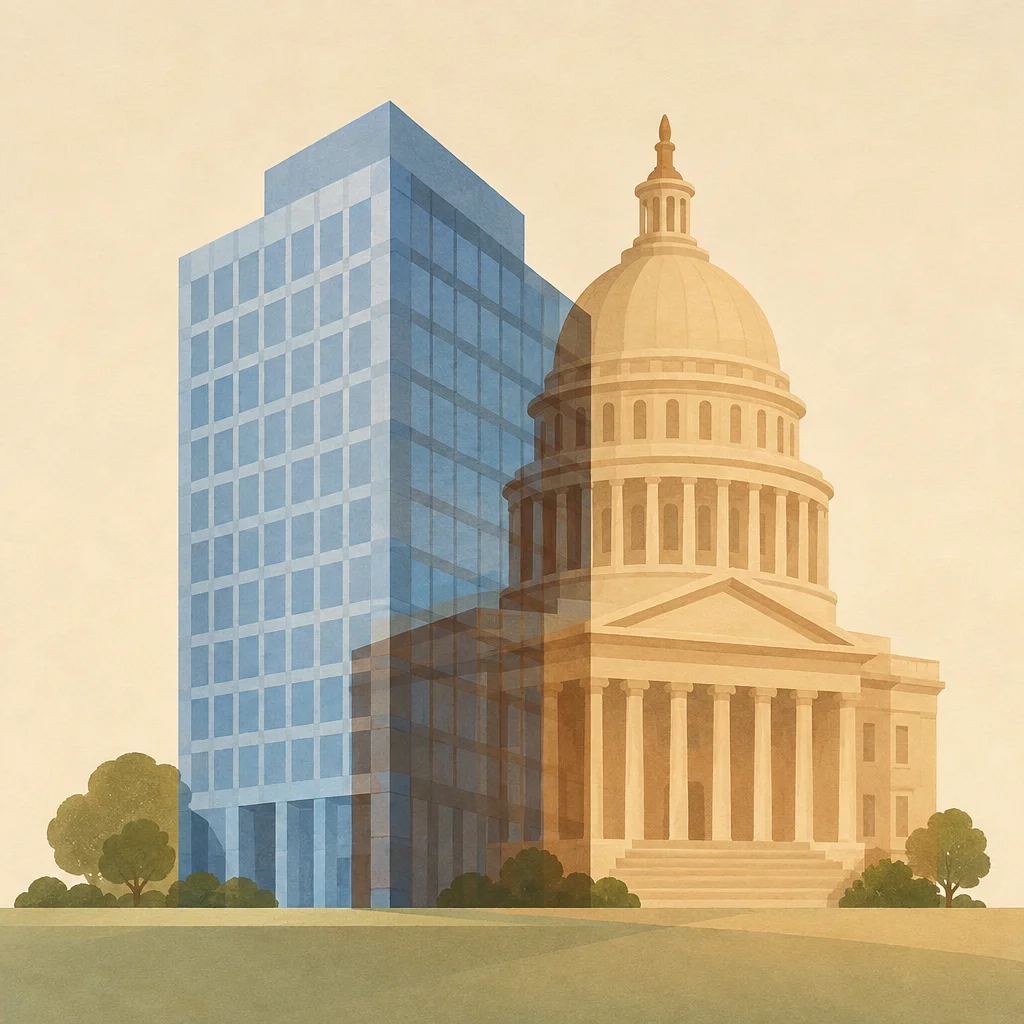
In Private Empire, Steve Coll presents ExxonMobil as prioritizing shareholder duties over national policy aims. Even so, its operations shape public life—diplomacy, taxation, security concerns, and environmental rules. The company can seek private advantage while at times using help from public officials, without becoming simply a government instrument. The boundary blurs: it is not state-run, yet it is not separate from state power either.
Why it matters
It explains why simple labels fail: neither “state tool” nor “fully independent” fits cleanly.
An example
In Iraq, ExxonMobil accepted small per‑barrel payments, structured so expected payments in oil might qualify as reserves it could report. American diplomats helped advance the deal.
Keep in mind
The book shows selective use of government help, not dependence in every case.
Emphasizing doubt can slow decisions without proven fraud

In Private Empire, Steve Coll reports that investigations did not find clear proof that ExxonMobil falsified its own climate science. Instead, the book describes the company stressing uncertainty while opposing regulations that threatened its business model. The summary also points to similar patterns in disputes over Valdez damage, chemical risk, and pollution claims. The core idea is that delay can come from how uncertainty is argued, not only from whether facts exist.
Why it matters
It shifts focus from catching lies to understanding how uncertainty can be used to stall action.
An example
After Valdez, ExxonMobil-funded scientists disputed government findings about buried oil and ongoing exposure.
Keep in mind
The supplied summary does not show that ExxonMobil knowingly lied about its internal climate research.
Reserve pressure leads into harder choices

In Private Empire, Steve Coll repeatedly depicts ExxonMobil under pressure to replace the oil and gas it extracts by adding reportable reserves. The book connects that pressure to major deals, frontier projects, and work in states led by strong rulers or marked by instability. Engineering capability matters, but the book also emphasizes that political power often sets the outer limits. The drive to add reserves can therefore pull the company toward complex and risky terrain.
Why it matters
It links a business metric to political, human-rights, and environmental risk exposure.
An example
The XTO deal bought unconventional gas knowledge and reserves, but prices and environmental risks left the outcome unclear.
Keep in mind
The summary says the success of the XTO acquisition had not been settled.
Shared power blurs responsibility

In Private Empire, Steve Coll places ExxonMobil beside soldiers, rulers, banks, diplomats, courts, and regulators, showing how many hands shape outcomes around projects. The company often argues that governments carry the heaviest duties. Yet the summary also indicates that payments, contracts, and influence can connect a firm to harms even when direct proof is limited. When authority is spread across institutions, responsibility becomes harder to assign cleanly and disputes over blame intensify.
Why it matters
It explains why accountability can be a practical puzzle, not only a moral claim.
An example
In Aceh, ExxonMobil funded security arrangements while denying blame for abuses by Indonesian forces.
Keep in mind
The summary says direct corporate participation in atrocities was not clearly proven.
Liked the ideas? Read Private Empire in full.
The summary is free on Lumina. The complete book is available from: