1.The Allure of New York City
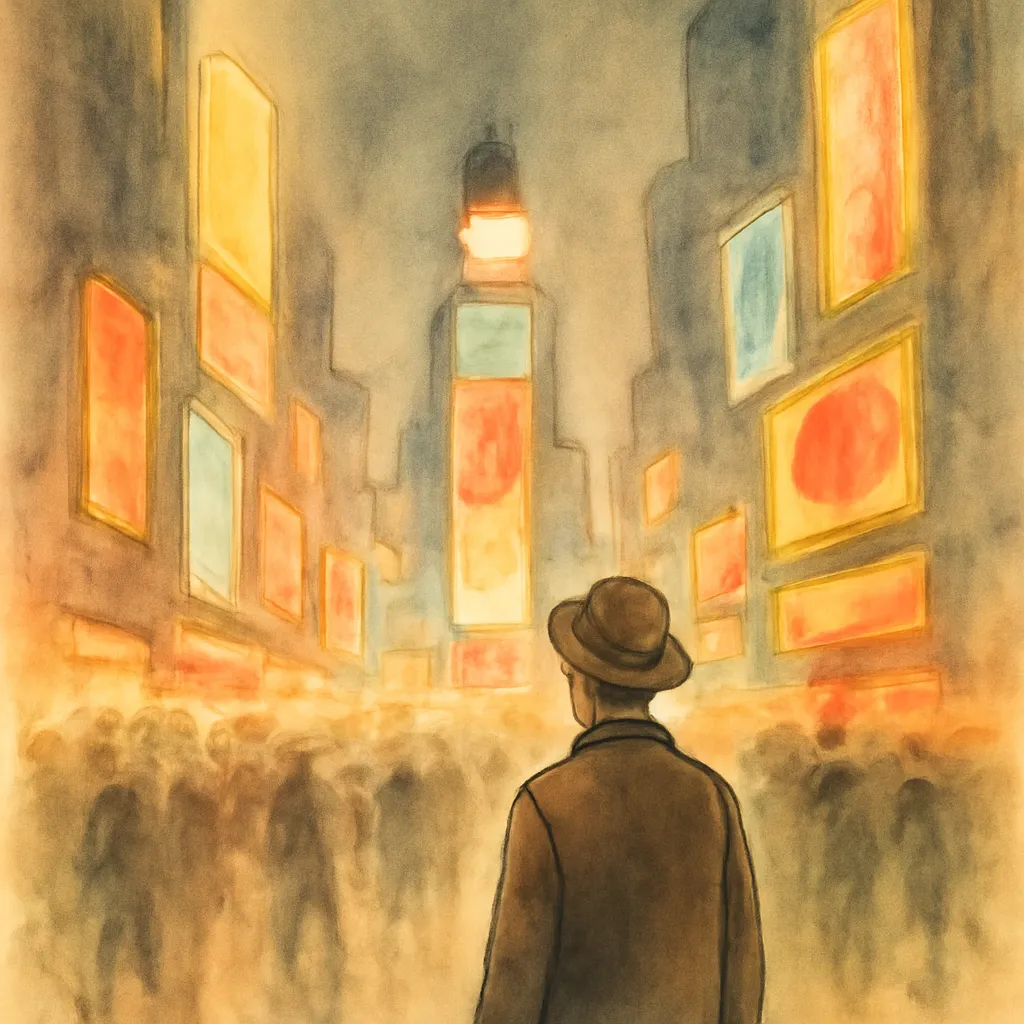
New York serves as a vibrant character in its own right, embodying both opportunity and chaos. The opening scenes capture the excitement and nostalgia that the city evokes in Curtis, who returns after years abroad. His youthful companion, Howard Devar, treats the city with a casual familiarity that contrasts sharply with Curtis's romantic idealization. Their dialogue reveals how New York's skyline and energy can invoke deep emotional responses, particularly in someone who has been away for so long. This dichotomy illustrates how the city can be a place of dreams and disillusionment, setting the stage for Curtis's adventures and misadventures that follow. The portrayal of New York also reflects the era's spirit, depicting it as a melting pot where diverse lives intersect, creating a rich tapestry of experiences that are emblematic of the American Dream. The city’s vibrancy juxtaposes Curtis's internal journey, amplifying his feelings of longing and hope as he steps into a world filled with promise and peril.
2.A Murder that Changes Everything
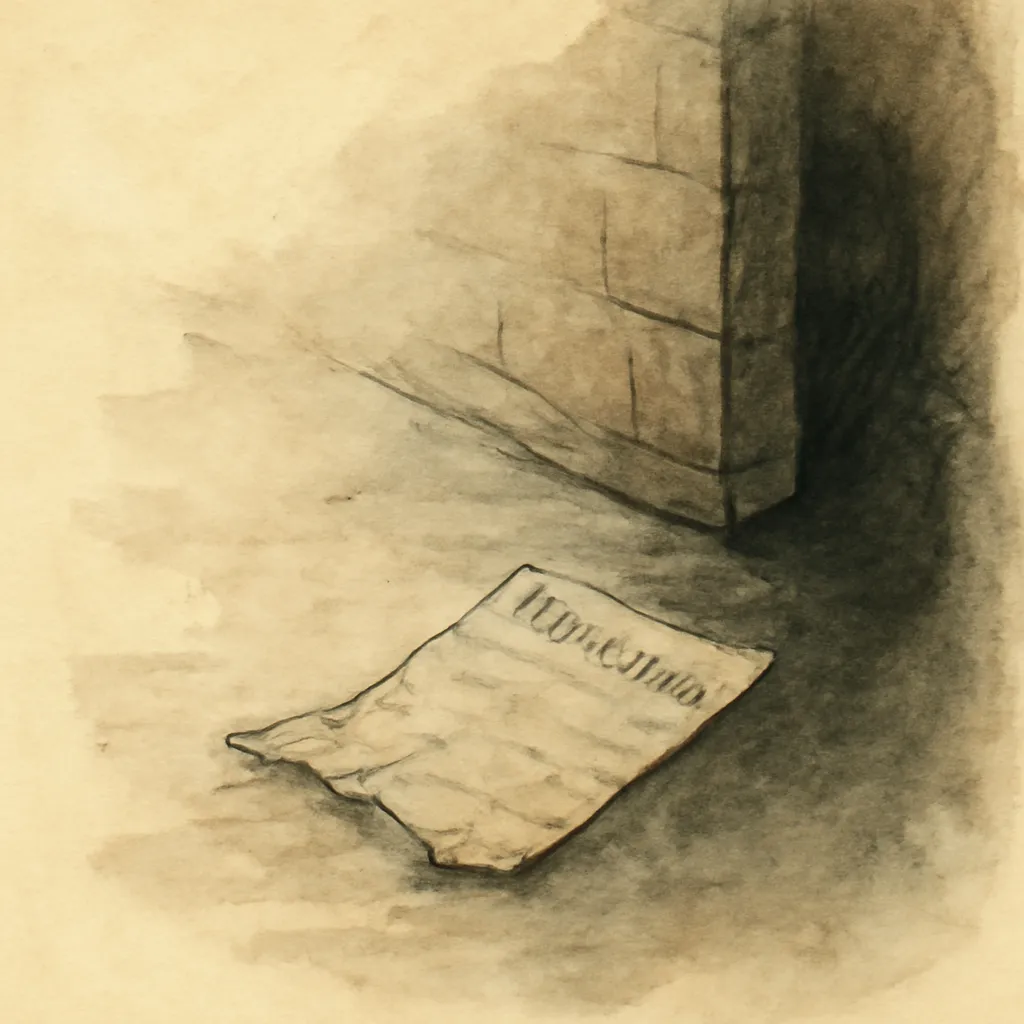
Curtis's discovery of a marriage license in the pocket of a murdered man catalyzes the plot, thrusting him into a tangled web of intrigue. The implications of this gruesome discovery weigh heavily on him, stirring feelings of guilt and urgency as he realizes the potential impact on the victim's intended bride. He is torn between the moral obligation to inform the authorities and the intoxicating pull of a chance encounter with love. The narrative explores themes of responsibility and moral dilemmas faced when confronted with crime, showcasing Curtis's internal conflict. This moment serves as a critical turning point, illustrating how a single event can irrevocably alter the trajectory of a person's life and propel them into unforeseen circumstances. The murder not only serves as a plot device but also symbolizes the darker undercurrents of society, exposing the fragility of human existence and the sudden shifts that can lead from moments of joy to tragedy. The weight of this event is amplified as Curtis grapples with the consequences of his choices, ultimately revealing the depth of his character as he is drawn deeper into the chaos surrounding the murder.
3.Love at First Sight

Curtis's whirlwind romance with Lady Hermione Grandison unfolds swiftly, capturing the essence of love at first sight. Their initial meeting is charged with tension and emotional resonance, as Curtis feels an immediate connection to her, igniting aspirations for a future filled with shared dreams. The novel highlights the magnetic pull of attraction, emphasizing how love can arise unexpectedly and transform one’s life in a matter of moments. Their interactions are marked by a blend of humor and sincerity, showcasing the complexities of their burgeoning relationship amidst the tumult of the night. As Curtis and Hermione navigate the fallout from the murder, their connection deepens, revealing vulnerabilities and desires that transcend the superficial. The narrative suggests that true love is not merely a matter of chance but is often accompanied by a series of fateful encounters that challenge the characters' perceptions. Their love story serves as a profound exploration of how relationships can be cultivated in the face of chaos, reinforcing the notion that emotional connections can flourish even when circumstances are less than ideal.
4.The Role of Fate

Fate plays a significant role in 'One Wonderful Night,' dictating the characters' paths in unforeseen ways. Curtis's chance discovery of the marriage license, his impulsive decision to marry Hermione, and the ensuing chaos all underscore the unpredictability of life. This exploration of fate raises questions about free will and destiny, prompting readers to consider how much of life is planned versus improvised. Curtis's journey illustrates that embracing the unexpected can lead to profound experiences, even amidst turmoil. The characters’ responses to fate reveal their resilience or helplessness, and the choices they make in reaction to unforeseen events shape their identities and futures. The novel suggests that while individuals may strive for control over their lives, it is often the unexpected twists of fate that lead to growth and transformation. The interplay between fate and personal agency is crucial, as it highlights the characters' struggles to navigate their circumstances while coming to terms with the idea that not every aspect of life can be controlled.
5.Comedy and Misunderstandings

The novel is rich with comedic elements and misunderstandings that add levity to the suspenseful plot. Curtis's awkward encounters and the chaotic unfolding of events create a humorous contrast to the underlying tension of the murder mystery. Instances such as the taxi driver’s growing respect for Curtis and the farcical situations they find themselves in serve to lighten the narrative. This blend of comedy with serious themes enhances the reading experience, allowing for moments of laughter amidst the drama. The interplay of humor and tension reflects the unpredictability of life and the human capacity to find joy even in dire circumstances. The comedic misunderstandings often arise from the misinterpretations of intentions and circumstances, showcasing the absurdity of life as characters navigate complex social interactions. These moments not only contribute to character development but also serve to highlight the resilience of the human spirit, illustrating how humor can act as a coping mechanism in the face of adversity.
6.The Complexity of Relationships
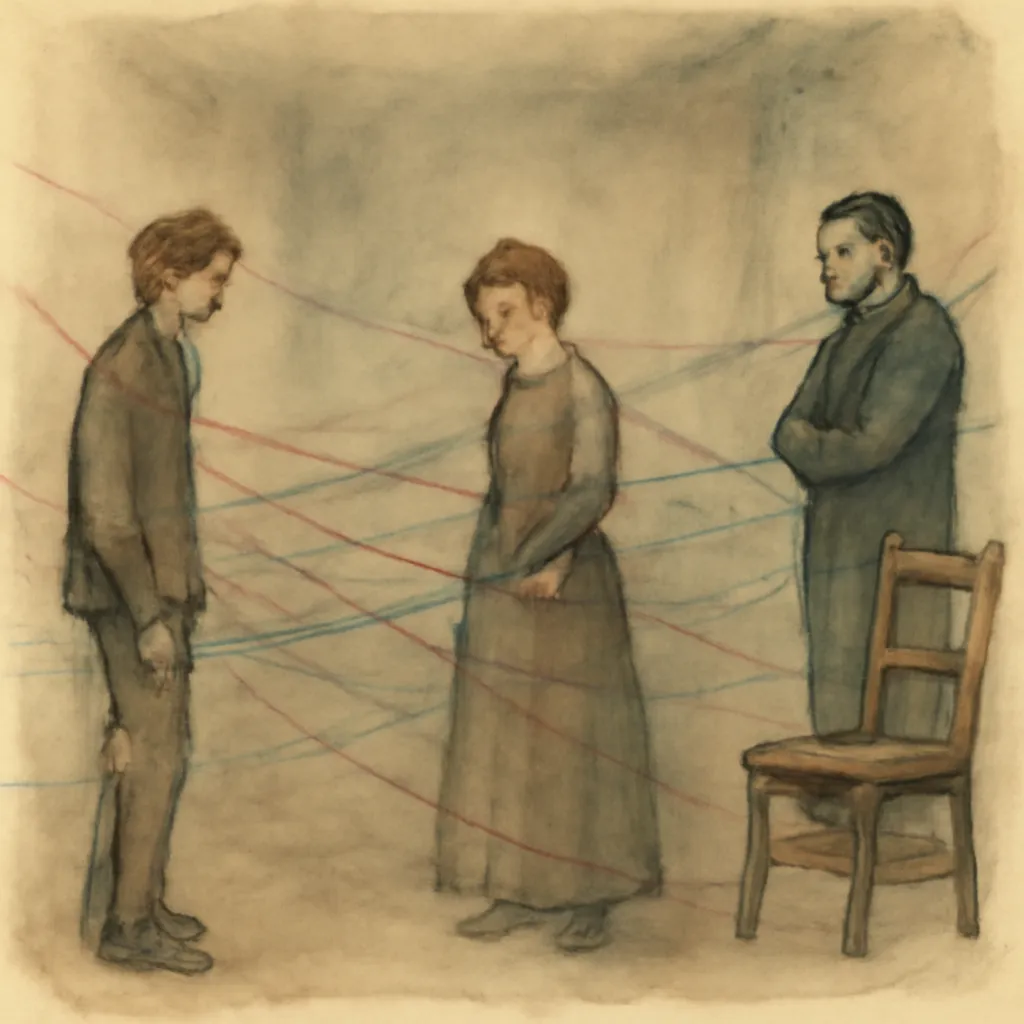
Relationships in 'One Wonderful Night' are depicted as intricate and multifaceted, showcasing the various dynamics at play between characters. Curtis's interactions with Hermione, Devar, and even the police reveal the complexities of trust, loyalty, and betrayal. The evolving relationship between Curtis and Hermione is particularly poignant, as they navigate their circumstances together, each bringing their own fears and desires to the union. The novel also touches on themes of familial obligations and societal expectations, especially as they pertain to Hermione's aristocratic background, which creates additional layers of tension in their relationship. The complexities are further emphasized through Curtis's internal struggles and the societal pressures that seek to dictate their relationship, illustrating the tension between personal desires and external expectations. This exploration of dynamics within relationships serves to deepen the narrative, highlighting how individuals must balance their own needs with those of their loved ones while grappling with the realities of their situations.
7.The Impact of Wealth and Class
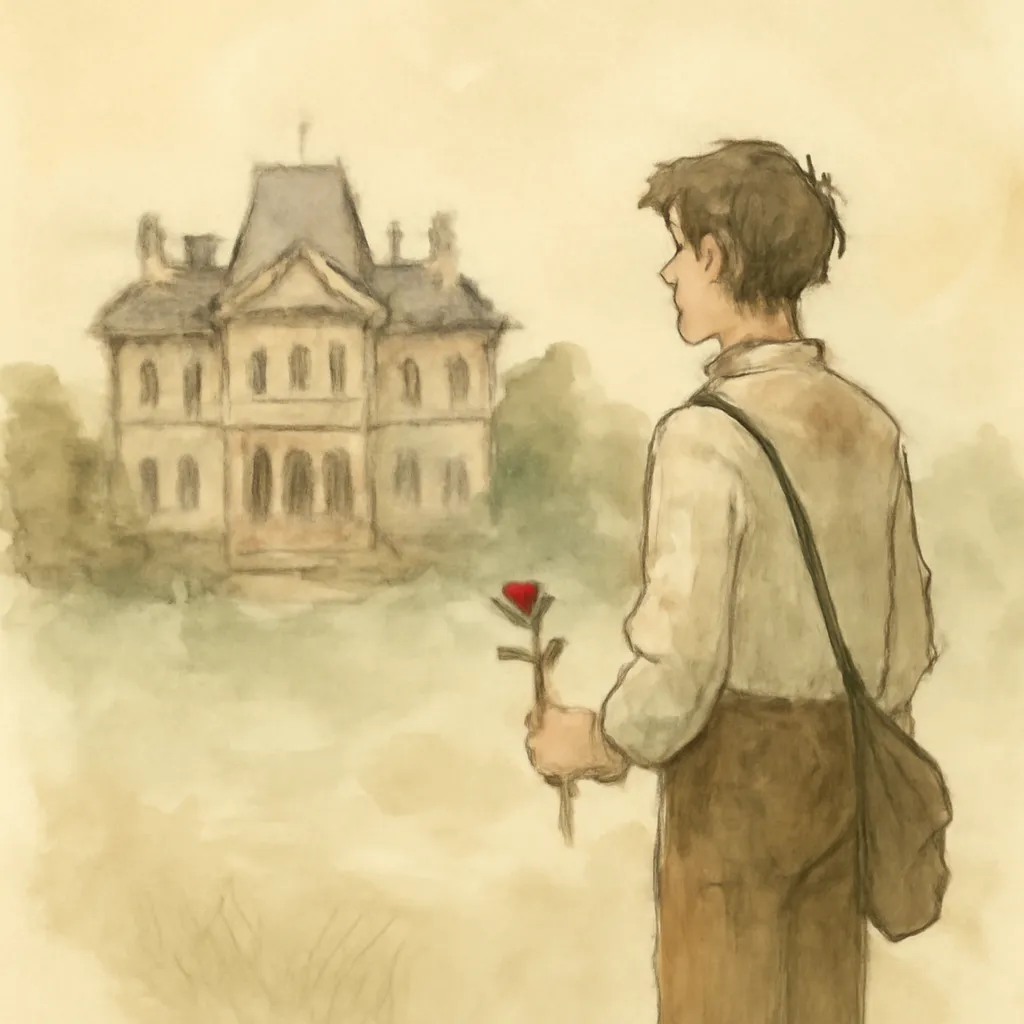
The novel subtly critiques the influence of wealth and social class on the characters’ lives and choices. Howard Devar represents the privileged class, whose nonchalant attitude toward life contrasts sharply with Curtis's earnestness and romantic ideals. Hermione's status as a lady complicates her relationship with Curtis, as societal expectations loom over their love and threaten to interfere with their happiness. The characters navigate a world where money and class can dictate relationships and outcomes, raising questions about authenticity and the nature of love. This exploration of wealth and class dynamics adds depth to the characters' motivations and decisions, enriching the narrative's complexity. Through their interactions, the story illustrates how social stratification can foster misunderstandings and create barriers that challenge genuine connections. The contrast between Curtis’s modest background and Hermione’s aristocracy brings to light the societal constraints that can hinder true intimacy, prompting readers to reflect on how class can influence personal relationships.
8.Confronting Danger
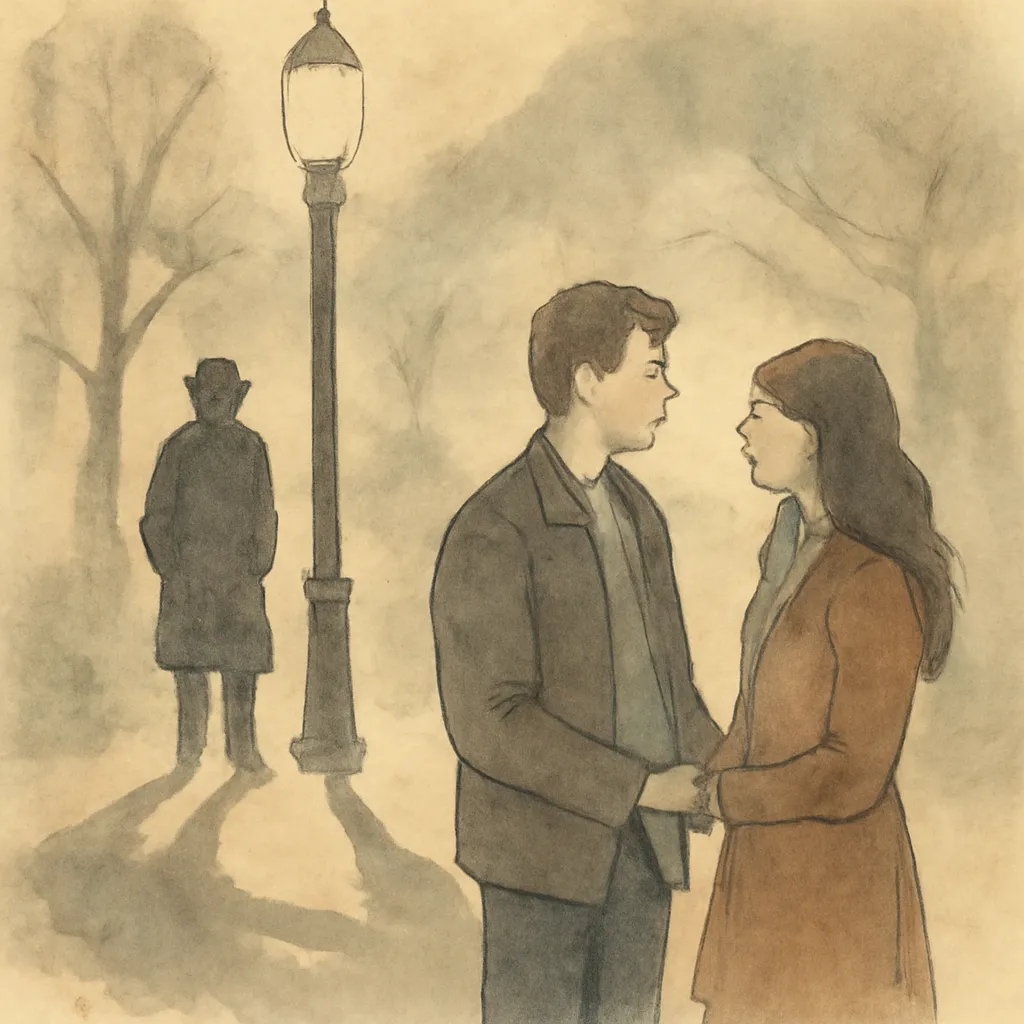
As the plot unfolds, Curtis and Hermione are forced to confront the dangers that arise from the murder and the ensuing chaos. The narrative builds tension as they navigate threats from those involved in the crime, illustrating how love can be both a refuge and a source of peril. Curtis's protective instincts kick in as he seeks to shield Hermione from harm, showcasing the lengths to which one will go for love. This confrontation with danger serves to heighten the stakes of their relationship, transforming it from a mere romantic adventure into a fight for survival. The themes of courage and resilience emerge as the characters face external threats, emphasizing the transformative power of love amid adversity. Their bond strengthens as they confront these challenges together, illustrating how shared trials can forge deeper connections and commitment. The tension created by external dangers ultimately serves to reveal the strength of their relationship, as they rely on one another for support and encouragement in a world fraught with peril.
9.The Power of Communication

Effective communication—or the lack thereof—plays a crucial role in the unfolding events of the story. Characters often find themselves in precarious situations due to misunderstandings or withheld information. For example, Curtis's decision to keep certain truths from Hermione complicates their relationship and creates unnecessary tension. The narrative emphasizes the importance of honesty and transparency in building trust, especially in romantic relationships. As the characters navigate their challenges, the story serves as a reminder that open communication can bridge gaps and foster deeper connections, ultimately leading to resolution and understanding. The struggles they face highlight that, without clarity and communication, relationships can falter under the weight of assumptions and misunderstandings. The novel suggests that embracing vulnerability and engaging in honest dialogue can strengthen bonds, allowing the characters to navigate their tumultuous circumstances more effectively.
10.Resolution and Transformation

By the end of 'One Wonderful Night,' characters undergo significant transformations as they navigate the trials presented by love and danger. Curtis emerges not just as a husband but as a man shaped by his experiences, learning about responsibility, trust, and the complexities of human relationships. Hermione, too, evolves from a sheltered lady into a woman who confronts her circumstances with courage and determination. The resolution of the plot brings closure to the chaos while leaving room for hope and new beginnings. This transformation underscores the novel's central message: that love can be a powerful force for change, guiding individuals through life's unpredictability. The final moments of the story highlight the characters' growth, reinforcing the notion that true love requires resilience and adaptability as life unfolds. The way Curtis and Hermione embrace their new reality exemplifies the idea that love, coupled with personal growth, can lead to a fulfilling and enriched life.