1.The Power of Variation
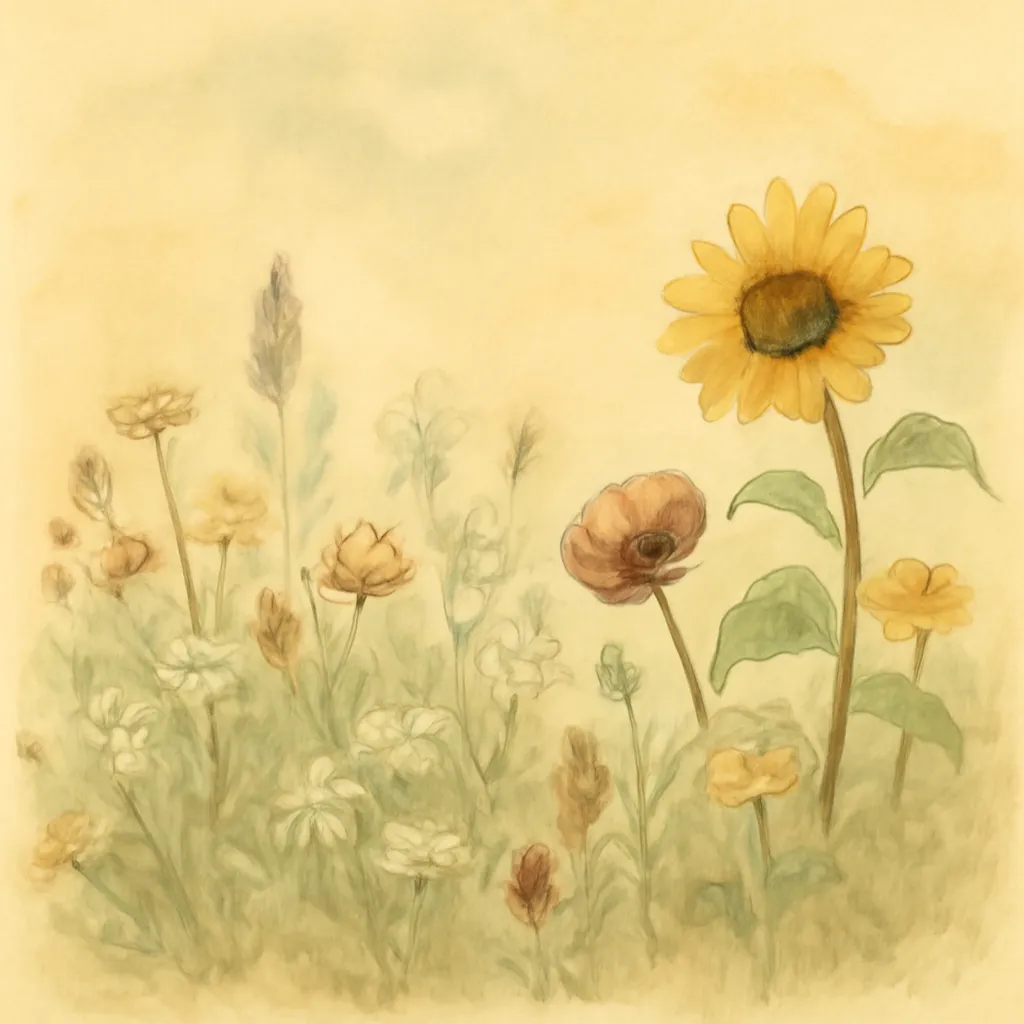
Darwin emphasizes that variation is the raw material for evolution. In domesticated plants and animals, individuals of the same variety often exhibit greater differences than those observed in wild species. This variability arises from exposure to diverse conditions of life, leading to the conclusion that domestic varieties are more flexible and prone to change than their wild counterparts. For instance, domestic pigeons showcase a remarkable range of forms, hinting at a common ancestry while simultaneously displaying the effects of selective breeding. Darwin argues that this variability is essential for natural selection, as it provides the necessary diversity for survival in changing environments.
2.Struggle for Existence
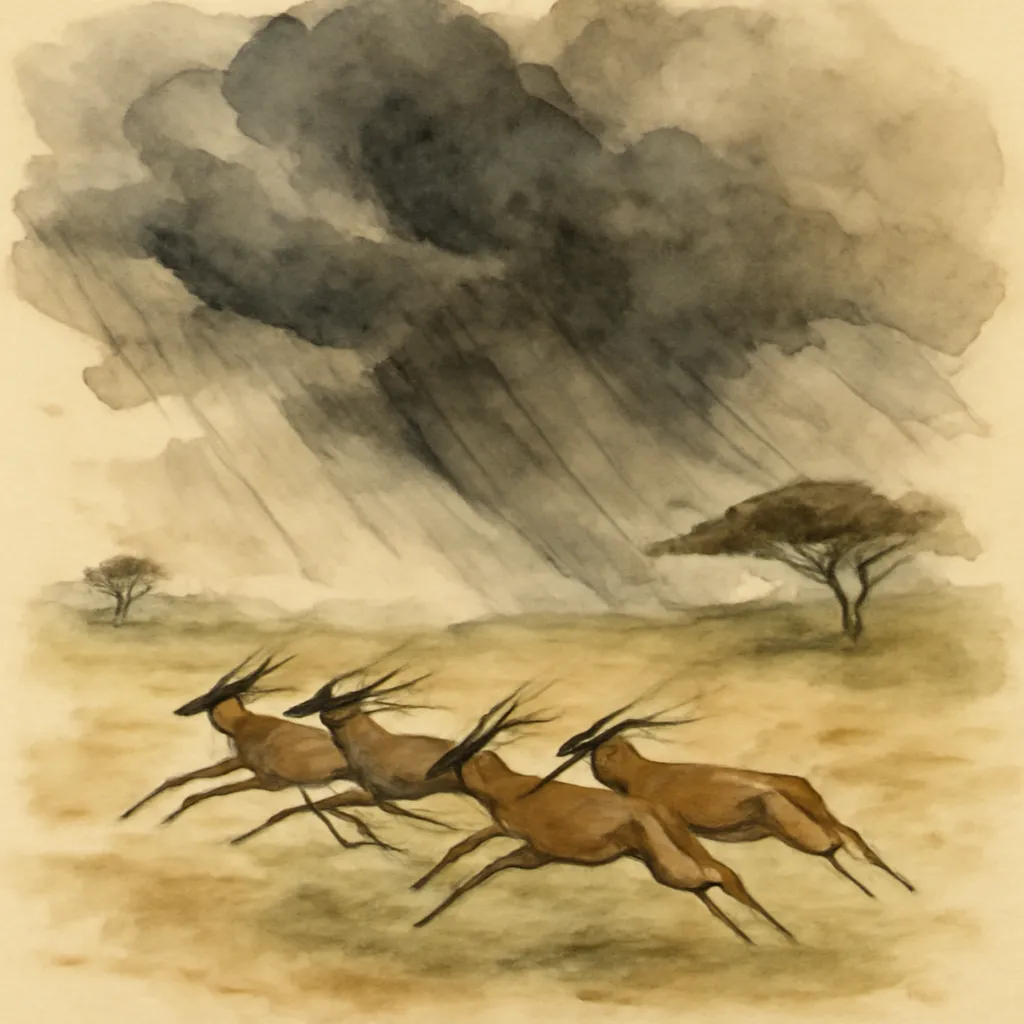
Darwin introduces the concept of the 'struggle for existence', which encompasses competition among individuals, species, and varieties. This struggle is not merely about survival but also involves the competition for resources, mates, and territory. He highlights that while nature is abundant, the capacity for reproduction in species often exceeds the available resources, leading to inevitable competition. The most intense competition occurs between individuals of the same species, as they share similar needs and ecological niches. This struggle drives the process of natural selection, favoring those individuals whose traits confer advantages in survival and reproduction.
3.Natural Selection Explained
Natural selection emerges as the primary mechanism of evolution, acting on the variations within species. Darwin posits that individuals with advantageous traits are more likely to survive and reproduce, passing these traits onto the next generation. This process is gradual and can lead to significant changes over time. For example, a slight variation that improves an animal’s ability to find food or escape predators can become prevalent in a population. Importantly, Darwin notes that natural selection operates without foresight; it is a response to existing conditions rather than a predetermined path. This concept reshapes our understanding of adaptation and the evolution of complex traits.
4.Divergence of Character
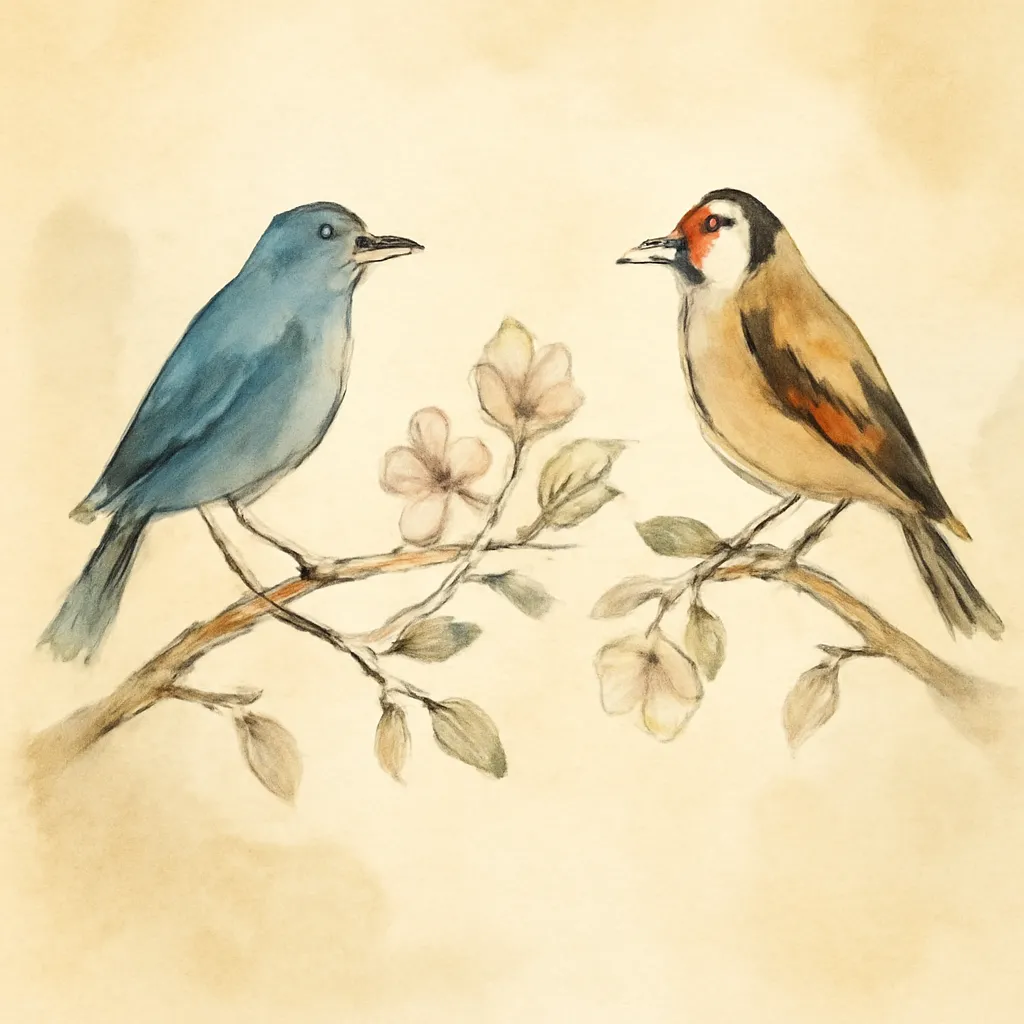
Darwin discusses the divergence of character as a process by which new species arise from common ancestors. As populations adapt to different environments, they accumulate variations that can lead to distinct species over time. This divergence is influenced by geographic isolation and varying ecological pressures. For example, species that inhabit different islands may evolve unique traits suited to their specific environments, despite sharing a common ancestor. This principle highlights the importance of environmental factors in shaping the evolutionary trajectory of species and underscores the complexity of life’s interconnectedness.
5.The Imperfection of the Geological Record
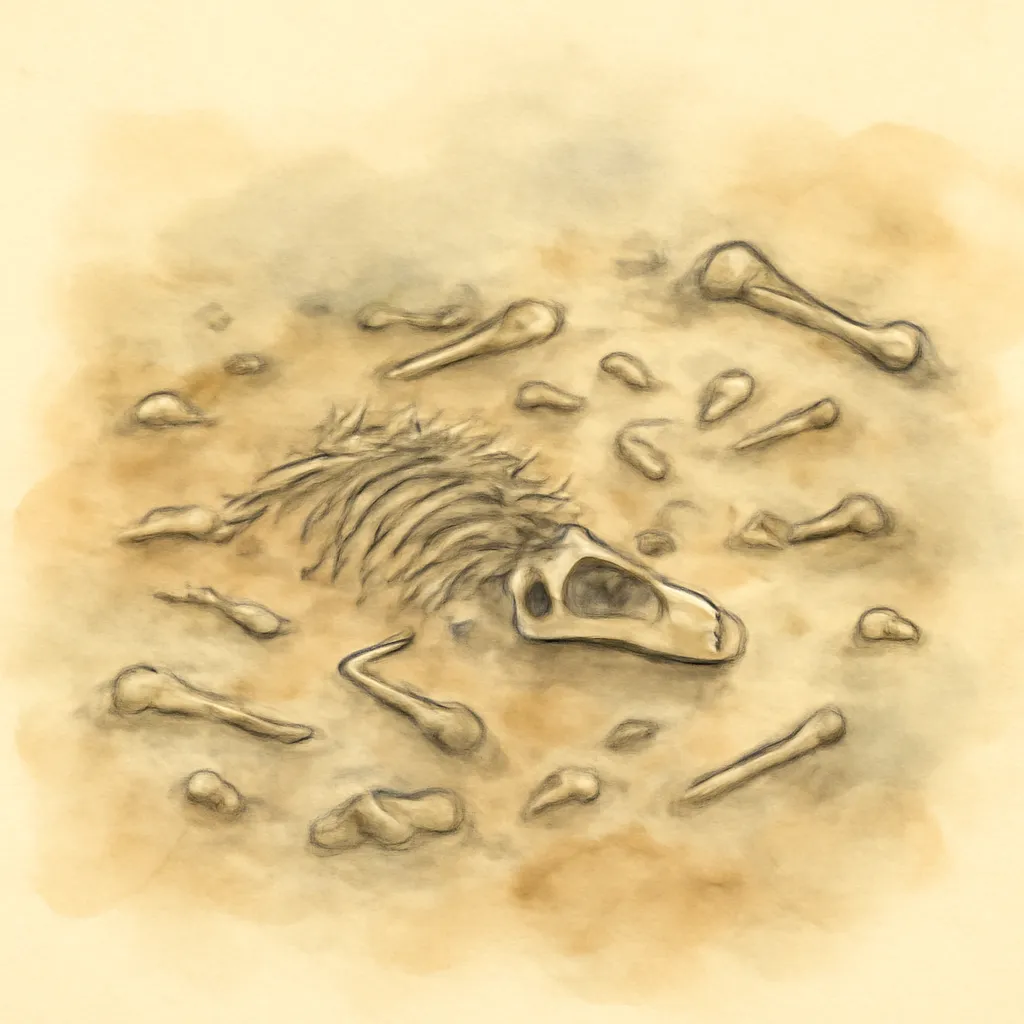
One of the challenges Darwin faces is the imperfection of the geological record, which seems to lack numerous transitional forms that would illustrate the gradual evolution of species. He argues that the fossil record is incomplete due to various factors, including the rarity of fossilization and the episodic nature of geological events. Consequently, while we may not see every intermediate form, this does not invalidate the theory of evolution; rather, it suggests that many forms existed but were not preserved. Darwin's acknowledgment of these gaps demonstrates his commitment to scientific rigor and reinforces the idea that evolution occurs over vast timescales.
6.Instinct and Natural Selection
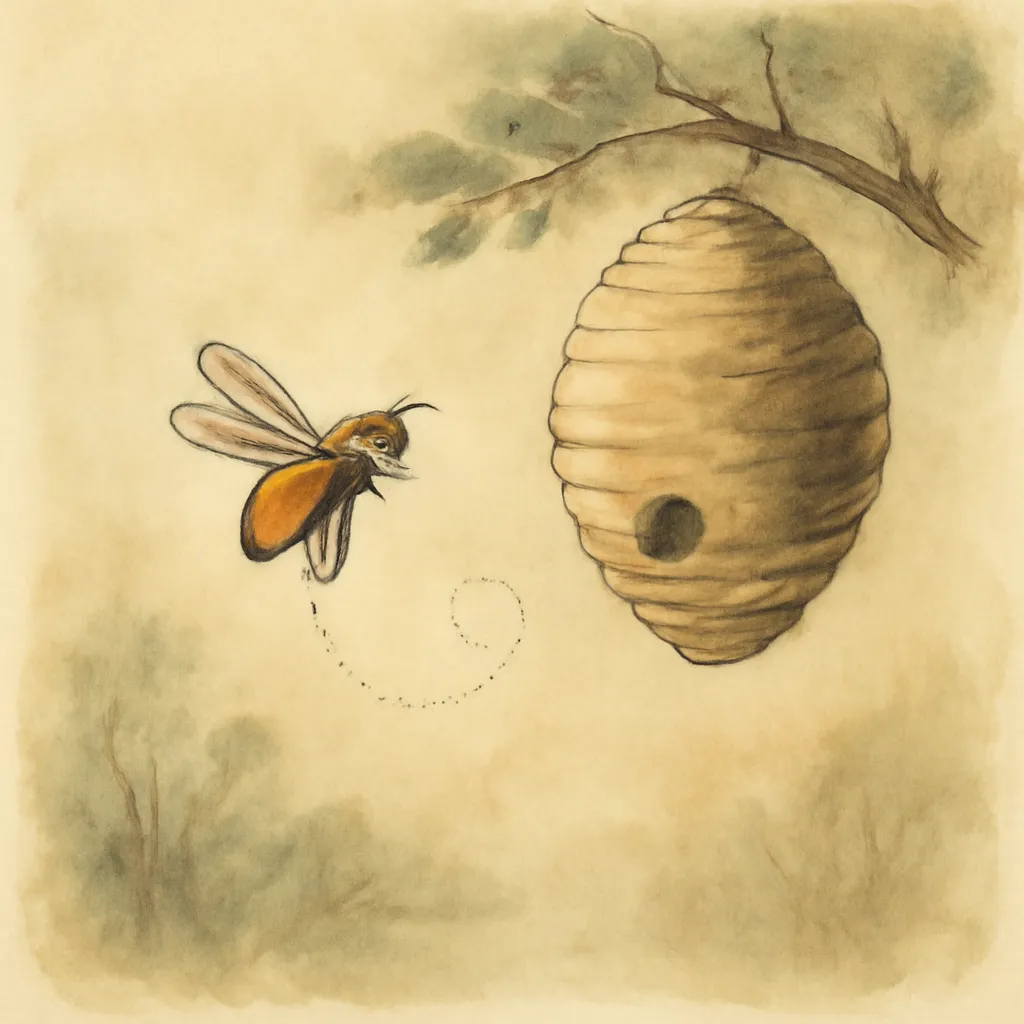
In examining animal instincts, Darwin draws parallels between instinctual behaviors and learned habits. He argues that instincts, like physical traits, can evolve through natural selection. For instance, the complex hive-building behavior of bees is not merely a product of instinct but can be understood as a refined behavior that has been shaped by evolutionary pressures. Despite the challenges of explaining the origin of certain instincts, Darwin posits that they, too, can be subject to gradual modification, just like physical traits. This perspective invites us to reconsider how we understand animal behavior within the framework of evolution.
7.Hybridism and Fertility
Darwin delves into the complexities of hybridization, particularly the sterility observed in hybrids as opposed to the fertility of varieties. He challenges the notion that sterility is an inherent quality of species, suggesting instead that it arises from other differences that accumulate during the process of speciation. By examining the fertility of hybrids and the varying degrees of sterility in different crosses, Darwin provides insights into the genetic mechanisms that underpin species formation. This exploration of hybridism not only contributes to our understanding of reproduction but also highlights the intricate relationships among species.
8.Geographical Distribution and Affinities
Darwin's exploration of geographical distribution reveals how the presence of similar species in different regions cannot solely be attributed to environmental factors. He argues that barriers such as oceans and mountains play a crucial role in shaping the distribution of species. For example, the unique flora and fauna of the Galápagos Islands illustrate how isolation can lead to the evolution of distinct species, despite shared ancestry. This focus on geographical distribution enhances our understanding of biodiversity and highlights the dynamic interplay between species and their environments.
9.Classification and the Tree of Life
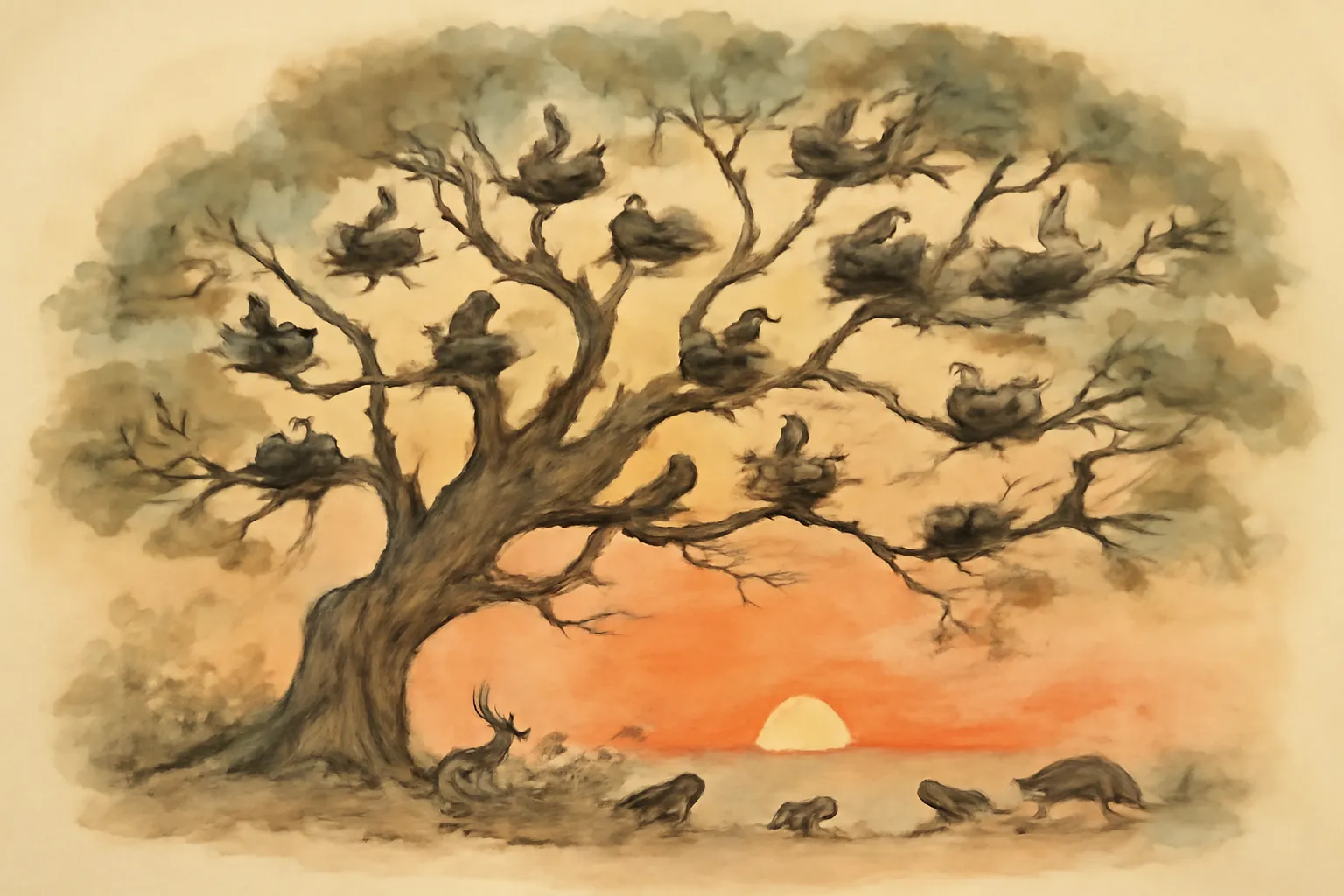
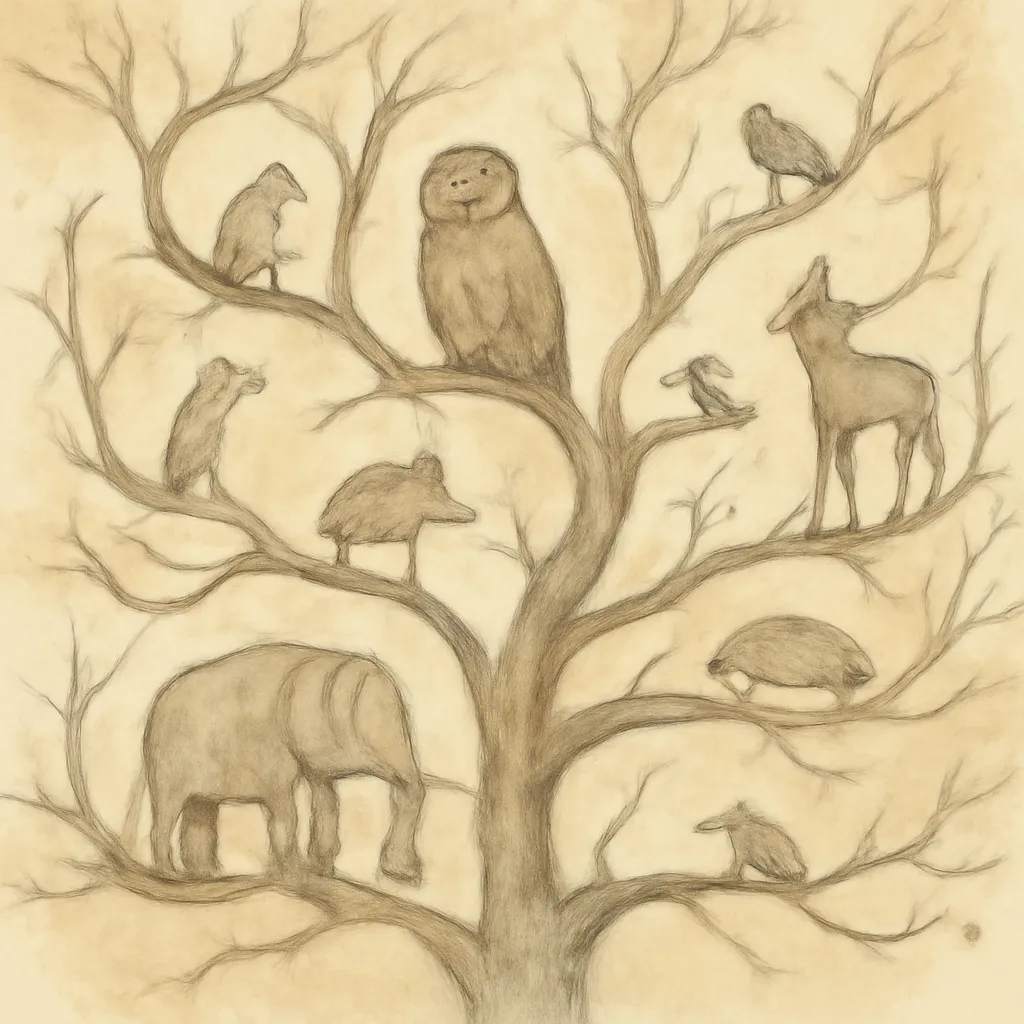
Darwin proposes a natural classification system that reflects the evolutionary relationships among species, akin to a branching tree of life. This system classifies organisms based on common descent rather than arbitrary characteristics. By examining morphological and embryological similarities, Darwin illustrates how species can be grouped according to their evolutionary history. This approach not only organizes biological knowledge but also reinforces the idea of descent with modification, providing a framework for understanding the interconnectedness of all life forms.
10.Concluding Remarks on Natural Selection
In his conclusion, Darwin reiterates the significance of natural selection as a driving force behind the diversity of life. He acknowledges the challenges and objections to his theory but emphasizes the overwhelming evidence supporting the gradual evolution of species. Darwin invites readers to appreciate the beauty of life’s complexity and the intricate relationships that define ecosystems. By embracing the principles of natural selection, we gain a deeper understanding of our place within the natural world and the shared history of all living beings.