1.The Power of the Individual
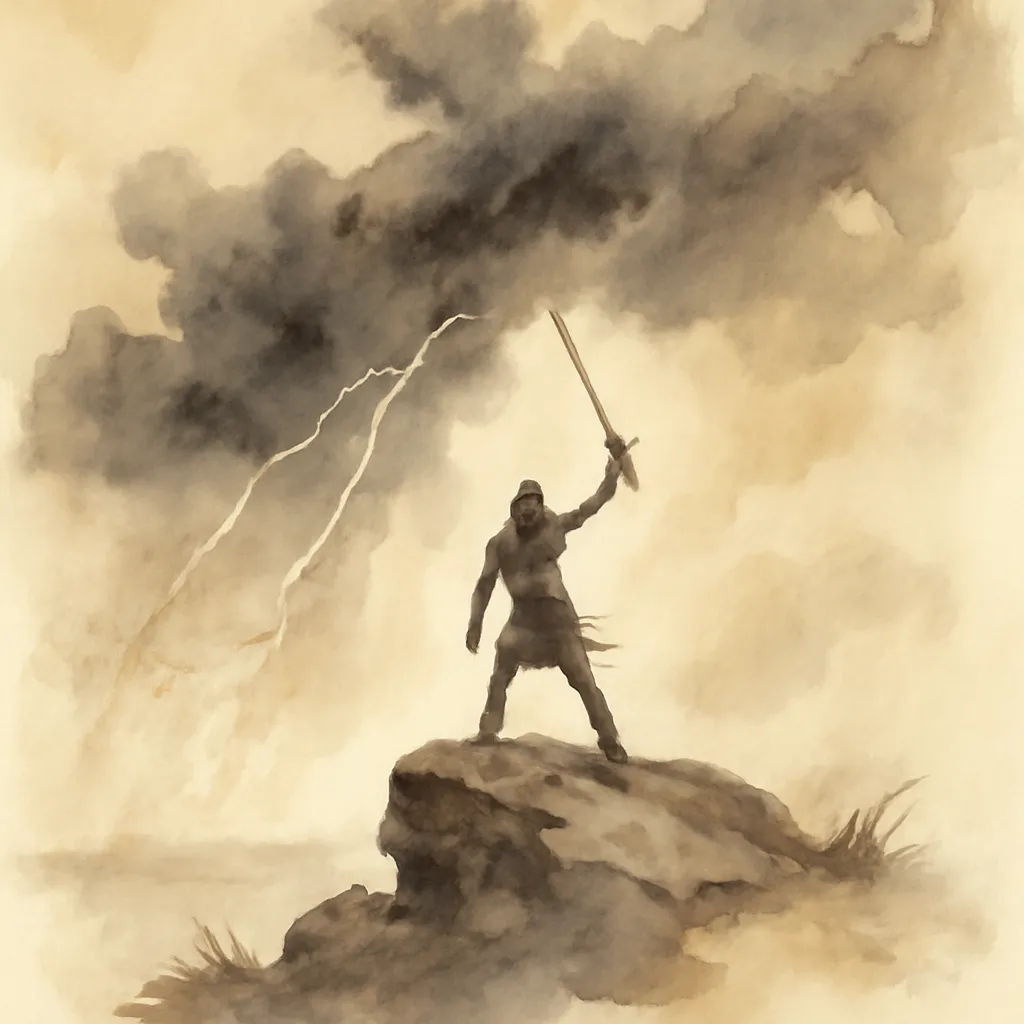
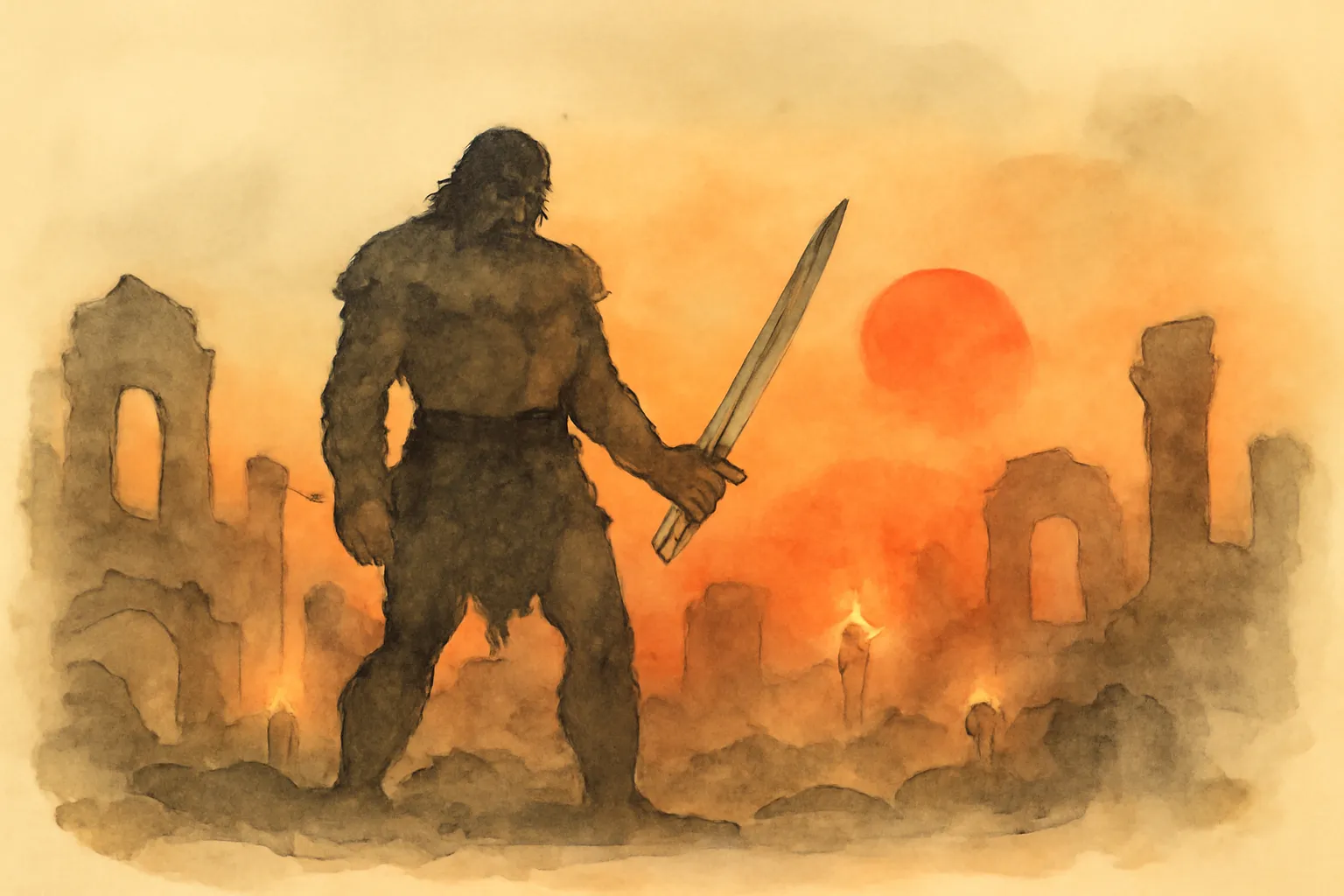
Conan embodies the archetype of the heroic individual whose strength and willpower allow him to rise above the chaos of his environment. In a world filled with treachery and supernatural threats, Conan's brute strength and unyielding spirit are his greatest assets. His interactions with Valeria highlight that true power lies not just in physical prowess but in the ability to inspire and lead others. For instance, when Valeria finds herself overwhelmed by fear, Conan's calm demeanor and confidence soothe her nerves and embolden her resolve. This dynamic not only illustrates the strength found in companionship and leadership but also suggests that individual courage can empower others to confront their own fears. Howard illustrates that the individual can carve out a path through the darkness, suggesting that personal fortitude is a vital component in overcoming life’s adversities. This emphasizes the broader concept that each person's actions can create ripples of influence, fostering resilience in a turbulent world.
2.The Nature of Fear
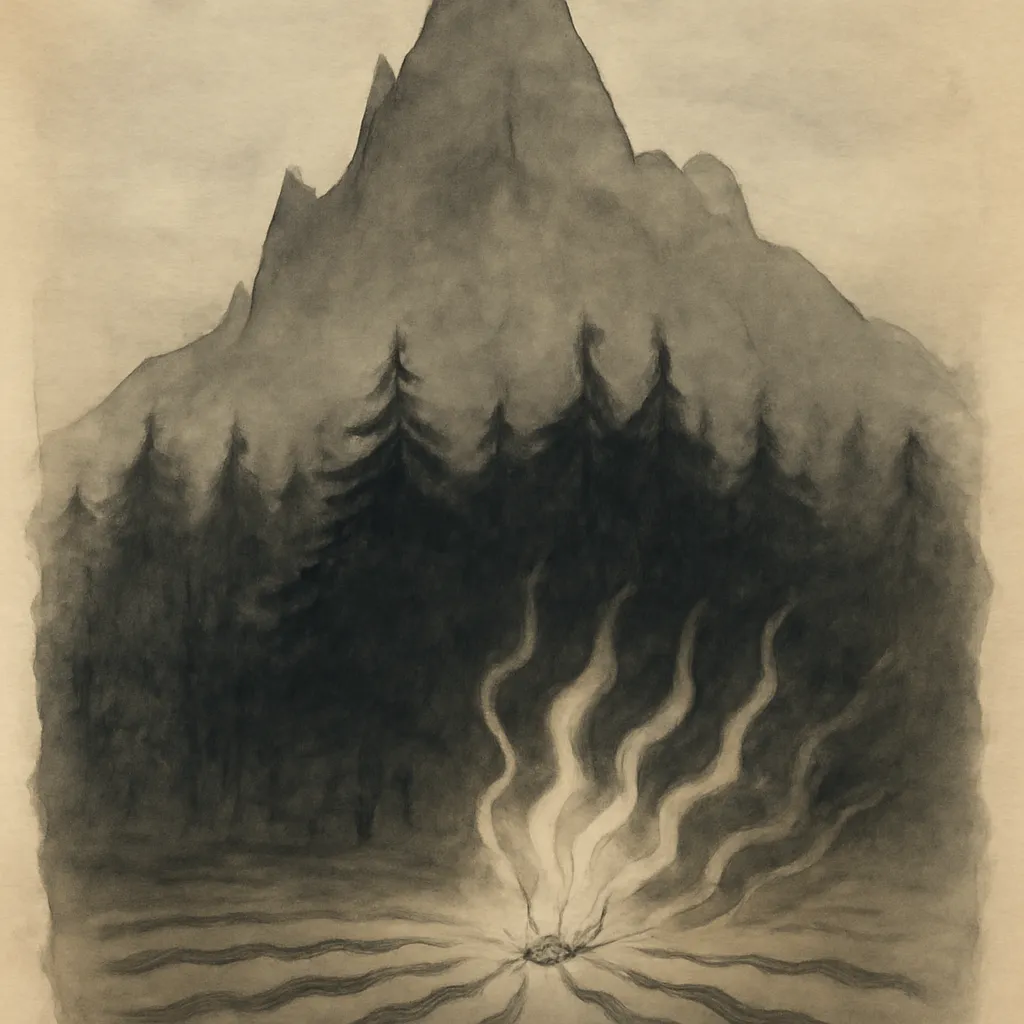
Fear plays a crucial role in 'Red Nails,' influencing not only the actions of characters but also the atmosphere of the narrative. From the ominous presence of the Burning Skull to the lurking dragons in the forests, fear is a palpable force that tests the resolve of Conan and Valeria. Howard explores how fear can paralyze, as seen when the character Techotl warns Valeria about the skull, suggesting that ignorance can amplify fear. Valeria's initial reaction to the unknown is one of dread, demonstrating how the human mind can be overwhelmed by the potential for danger. Yet, through the course of their journey, both Conan and Valeria confront their fears head-on, demonstrating that true bravery is not the absence of fear but the ability to act despite it. This theme resonates deeply, as it reflects a universal human experience—facing the unknown and emerging stronger. Howard suggests that the acknowledgment of fear, rather than its avoidance, is essential for personal growth and survival in a perilous world.
3.Betrayal and Trust
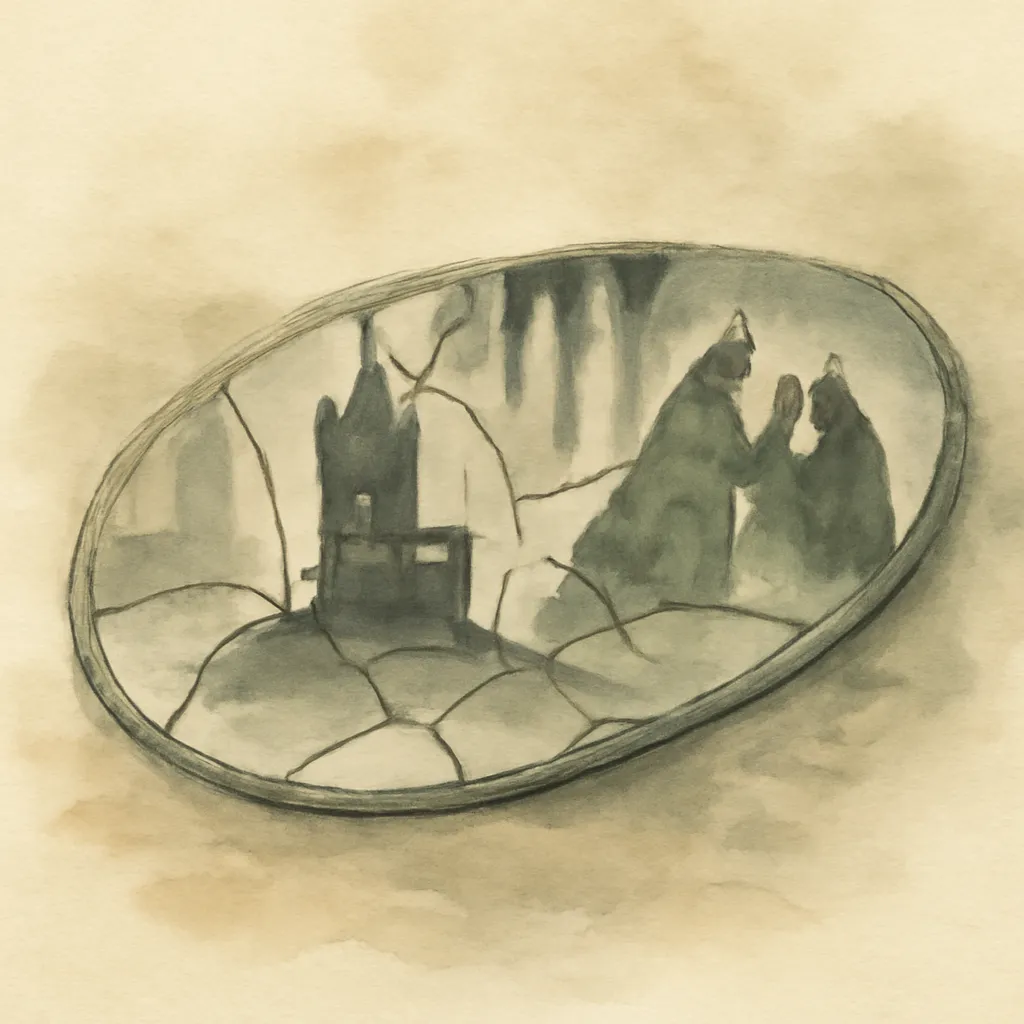
The dynamics of betrayal and trust are intricately woven into the fabric of 'Red Nails.' As Conan and Valeria navigate the treacherous political landscape of Xuchotl, they encounter characters whose loyalties are constantly in question. The initial trust they place in the Tecuhltli is tested as they learn about the dark history of the city and its inhabitants. Betrayal is depicted not only in outright acts of treachery but also in the subtler manipulations of character motivations. Valeria’s growing awareness of the underlying motives of those around her underscores the fragility of alliances in a world driven by self-interest. Howard illustrates how betrayal can come from unexpected sources, creating an atmosphere of tension and uncertainty. This exploration highlights the idea that trust must be earned and maintained, and that one must remain vigilant in a realm where deception is commonplace. Through the evolving relationships, Howard poses poignant questions about loyalty: what does it mean to trust another, and how do past experiences shape our present decisions regarding trust?
4.The Quest for Freedom
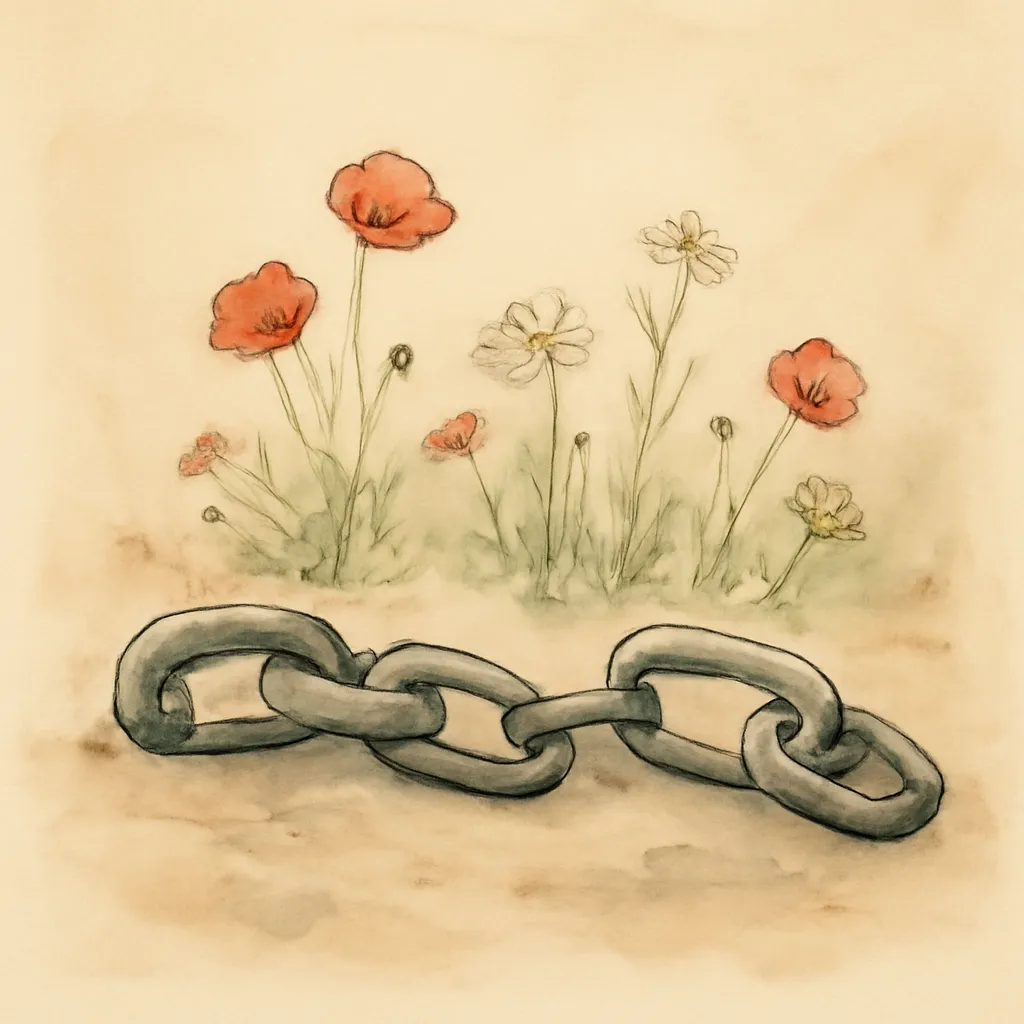
At its core, 'Red Nails' is a story about the quest for freedom—both physical and existential. Conan and Valeria seek not only to escape the confines of Xuchotl but also to break free from the shackles of fear and manipulation that the ruling powers impose. Their journey reflects a larger commentary on the human desire for autonomy and the lengths one is willing to go to achieve it. Howard uses the oppressive atmosphere of the city to represent the struggles individuals face against tyrannical forces. As the protagonists encounter obstacles and confront formidable foes, their determination to reclaim their freedom becomes a driving force in the narrative. The battles they fight are not merely for survival; they symbolize a rebellion against oppression that echoes throughout history. Through their struggles, Howard suggests that the pursuit of freedom is a fundamental aspect of the human spirit, an undeniable force that motivates individuals to rise against adversity and reclaim their agency.
5.The Influence of the Past
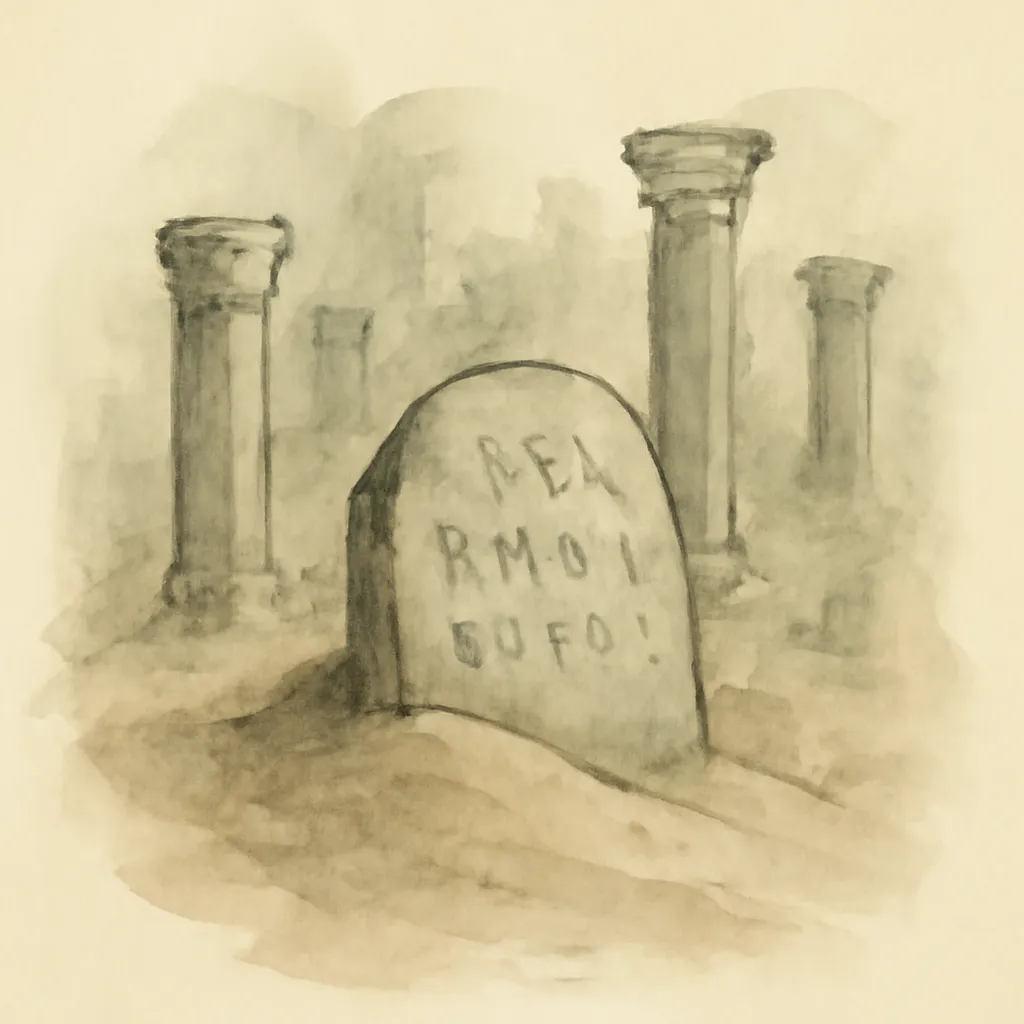
The haunting presence of history looms large in 'Red Nails,' as the remnants of ancient civilizations shape the lives of the characters. The Burning Skull and the tales of the Xotalancas serve as reminders of the consequences of past actions and the cyclical nature of violence. Howard emphasizes that history is not merely a backdrop but a living force that informs the present. As Conan and Valeria delve deeper into the mysteries of Xuchotl, they uncover the dark legacies left by those who came before them, illustrating that the past can haunt the present in tangible ways. The characters are constantly reminded of their connection to a history filled with bloodshed and madness, compelling them to confront their own roles within this continuum. This theme encourages readers to reflect on how history influences contemporary choices and the importance of learning from the mistakes of those who preceded us. The echoes of the past serve as a cautionary tale, urging vigilance in the face of repeating cycles of violence and tyranny.
6.Duality of Strength and Femininity
Valeria's character in 'Red Nails' challenges traditional notions of femininity, presenting a powerful female figure who is both fierce and capable. Her partnership with Conan highlights the duality of strength and vulnerability, as they complement each other's abilities in combat and strategy. Valeria’s fierce independence is evident in her willingness to confront danger head-on, defying expectations placed upon women in her society. Howard portrays her as a skilled warrior who not only matches Conan in battle but also brings her own unique strategies and insights. This exploration of gender dynamics reveals that strength is not confined to one gender, and that true partnership emerges when both individuals bring their unique attributes to the forefront. Furthermore, Valeria's character arc reflects the broader societal constraints faced by women, suggesting that empowerment often comes from claiming one's identity and agency.
7.Supernatural Elements as Metaphors
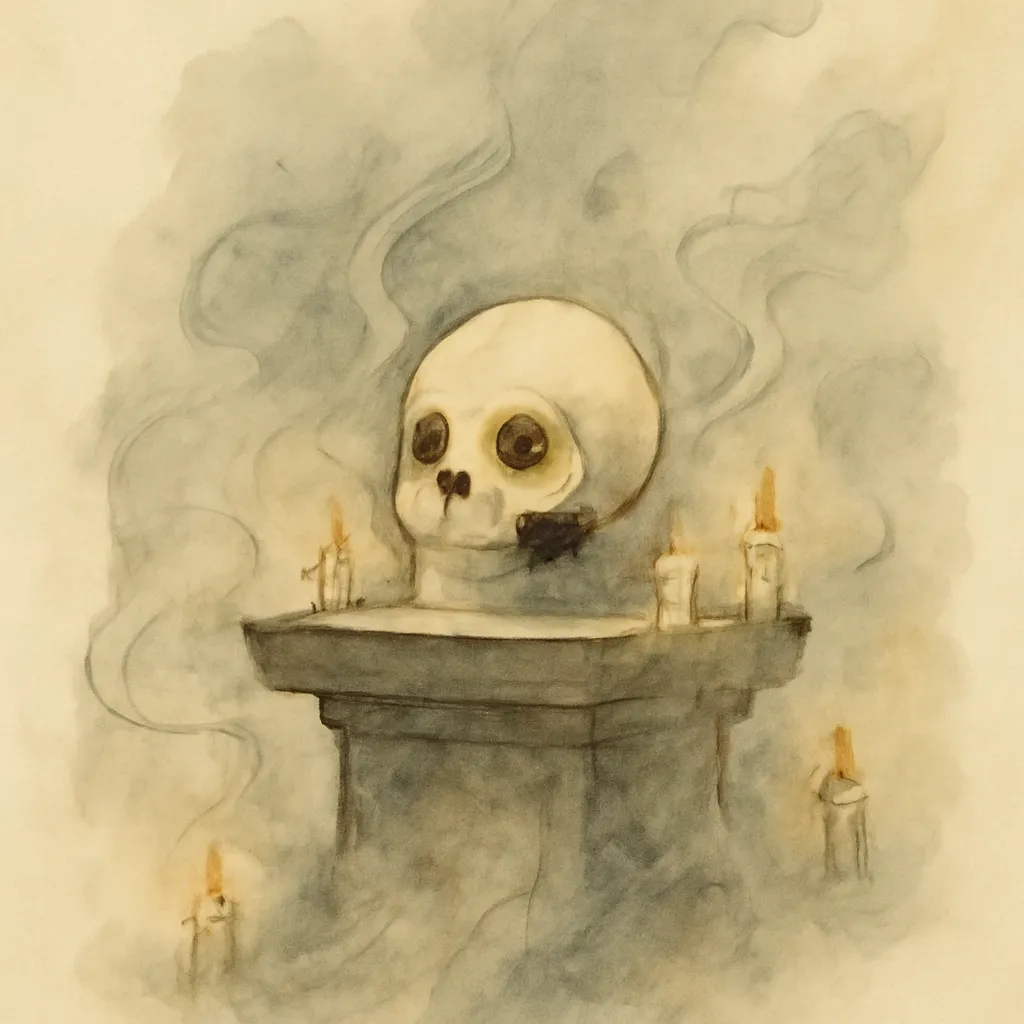
The supernatural elements in 'Red Nails,' particularly the Burning Skull, serve as potent metaphors for the characters' internal struggles and fears. The skull's eerie presence symbolizes the madness that can arise from confronting ancient powers and the unknown. Howard cleverly uses these supernatural threats to reflect the psychological battles faced by Conan and Valeria as they grapple with their fears and uncertainties. The skull becomes a manifestation of what they must overcome—not just physically but also mentally and emotionally. For instance, Techotl’s warnings about the skull’s dangers echo the characters' own battles with madness, suggesting that the real danger lies not in the physical realm but within the psyche. This interplay between the supernatural and the human experience enriches the narrative, offering layers of meaning that resonate with readers beyond the surface level of adventure. Howard suggests that the greatest challenges often reside within, and that overcoming these internal demons is essential for true mastery and growth.
8.Violence and Survival
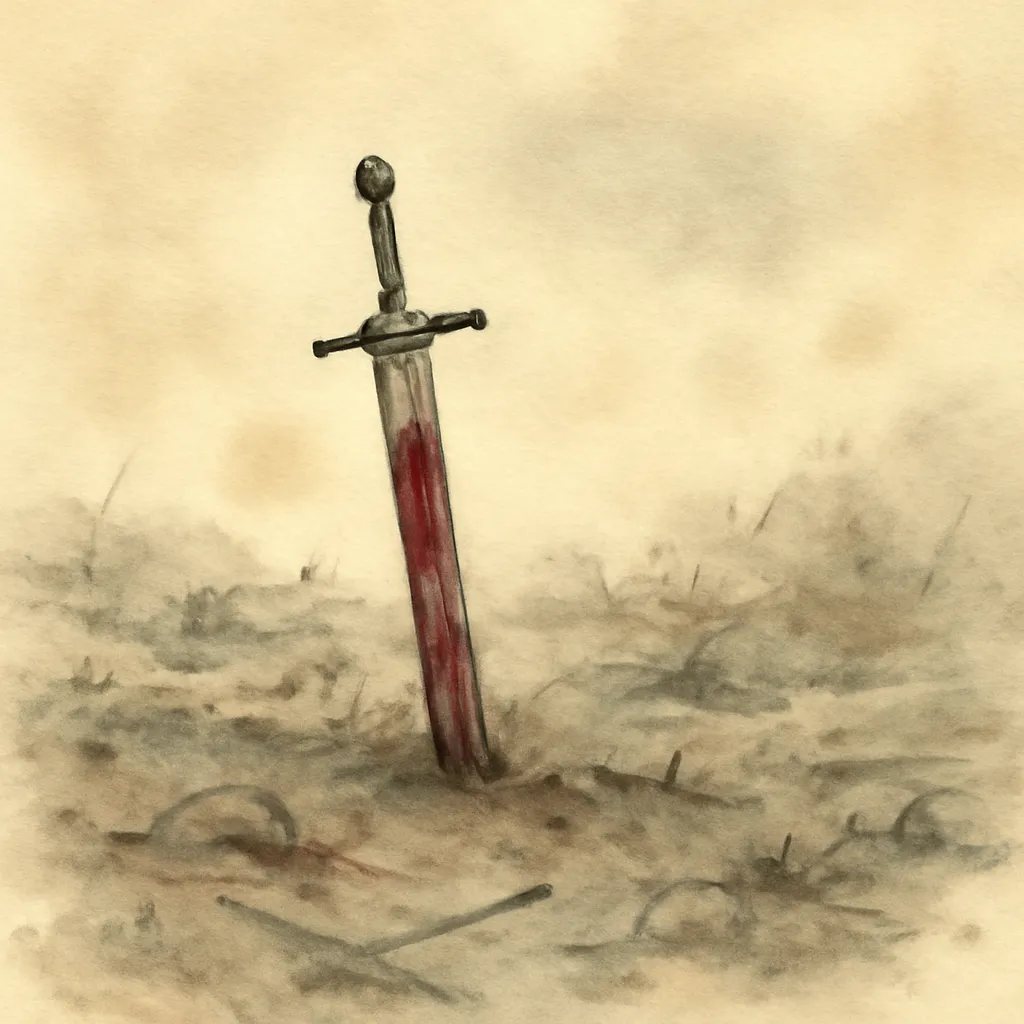
Violence is a constant theme in 'Red Nails,' illustrating the brutal world in which Conan and Valeria exist. Howard does not shy away from depicting the raw and visceral nature of combat, employing it as a means of survival in a lawless environment. The battles between the Tecuhltli and the Xotalancas exemplify the harsh realities of their world, where life is often governed by strength and the will to dominate. However, the violence in the story is not gratuitous; it serves a purpose in the context of the characters' struggles for freedom and survival. Howard presents violence as an inevitable aspect of life in this world, where the weak are often preyed upon and the strong must fight to protect their own. Yet amidst this brutality, moments of compassion and camaraderie arise, suggesting that even in the darkest of times, human connection can thrive. Through the lens of violence, Howard examines broader themes of power, agency, and the lengths to which individuals will go to secure their existence.
9.Legacy of the Ancients
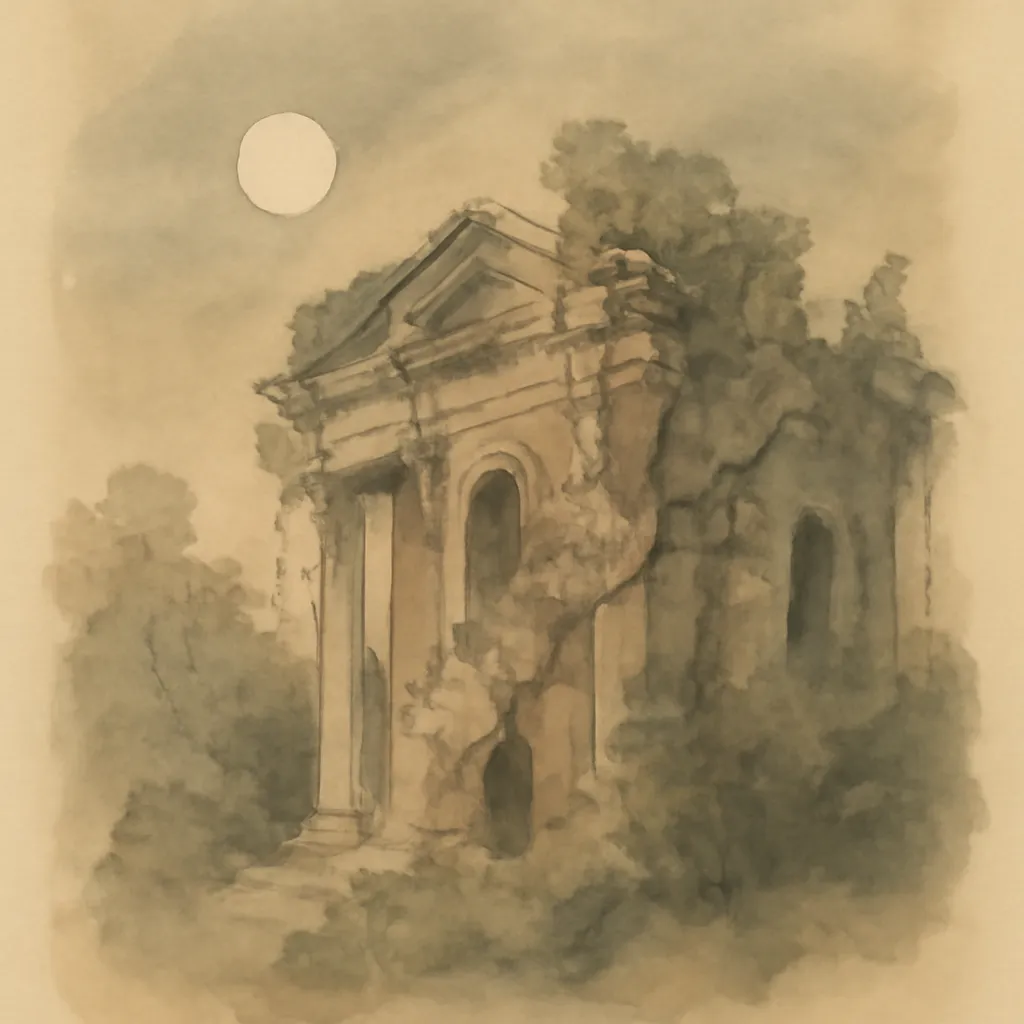
The ancient ruins and the remnants of past civilizations play a crucial role in shaping the narrative of 'Red Nails.' The city of Xuchotl is steeped in history, and its architecture and artifacts tell stories of long-forgotten kings and their reigns. Howard uses this legacy to underscore the idea that the past is never truly gone; it lingers in the present, influencing the actions and fates of the living. The characters' interactions with these remnants serve as a reminder of their own mortality and the fleeting nature of power. As Conan and Valeria traverse the city, the weight of history presses upon them, compelling them to acknowledge their place within this continuum. The ruins become a symbol of both loss and opportunity, suggesting that while the past may be filled with shadows, it also offers lessons that can guide the future. Howard invites readers to ponder the relationship between past and present and how the echoes of history continue to resonate through time, shaping individual destinies and collective narratives.
10.The Complexity of Human Nature
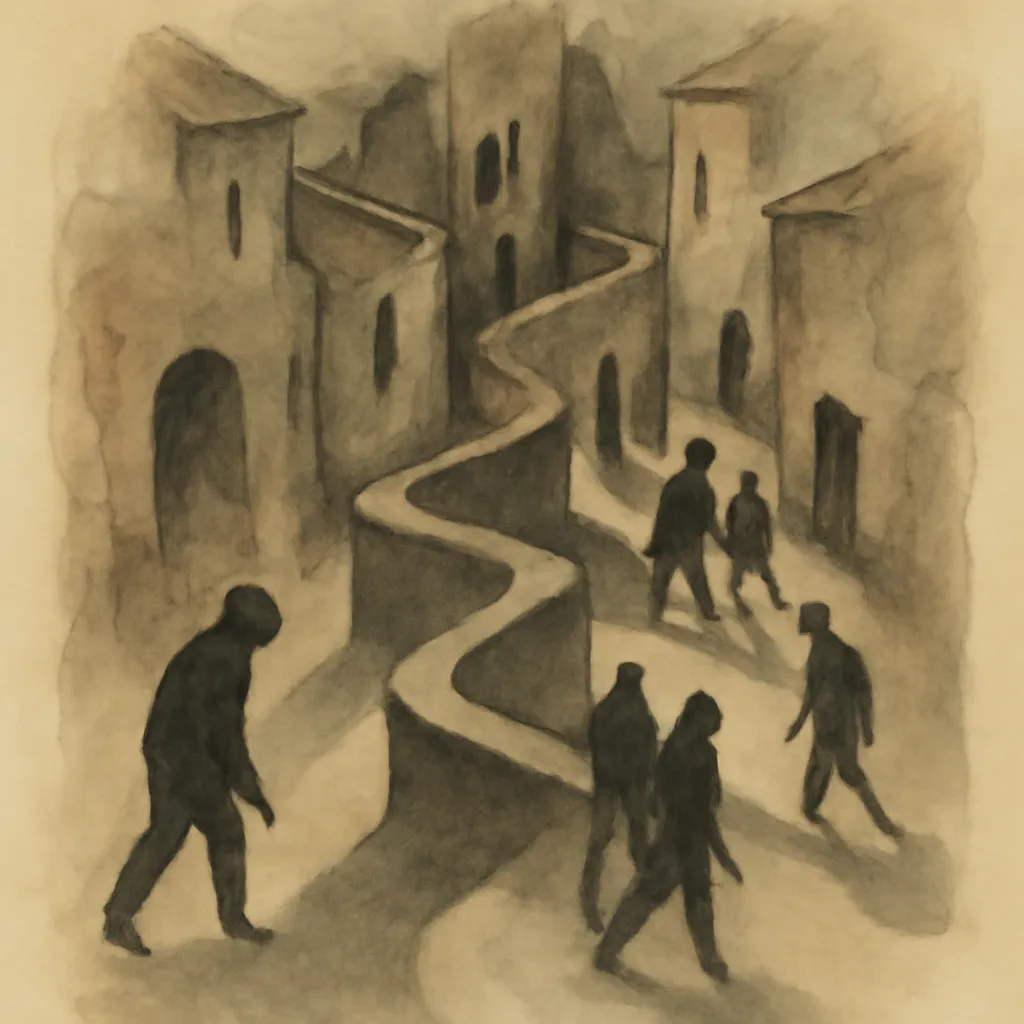
Howard delves into the complexities of human nature in 'Red Nails,' portraying characters who are not easily categorized as purely good or evil. The inhabitants of Xuchotl, from the rulers to the warriors, embody a range of motivations and moral ambiguities that challenge simplistic notions of heroism and villainy. Conan and Valeria, too, are multifaceted characters whose decisions are often driven by survival instincts rather than a clear moral compass. This exploration of human nature suggests that individuals are shaped by their circumstances and choices, and that ethical dilemmas are an inherent part of the human experience. Through their interactions and conflicts, Howard reveals that even seemingly villainous characters possess layers of complexity, prompting readers to question their own perceptions of morality. This nuanced portrayal fosters empathy and reflection, allowing readers to recognize the inherent struggles within themselves and others, making the narrative resonate on a deeper level.