1.The Allure of Zamboula
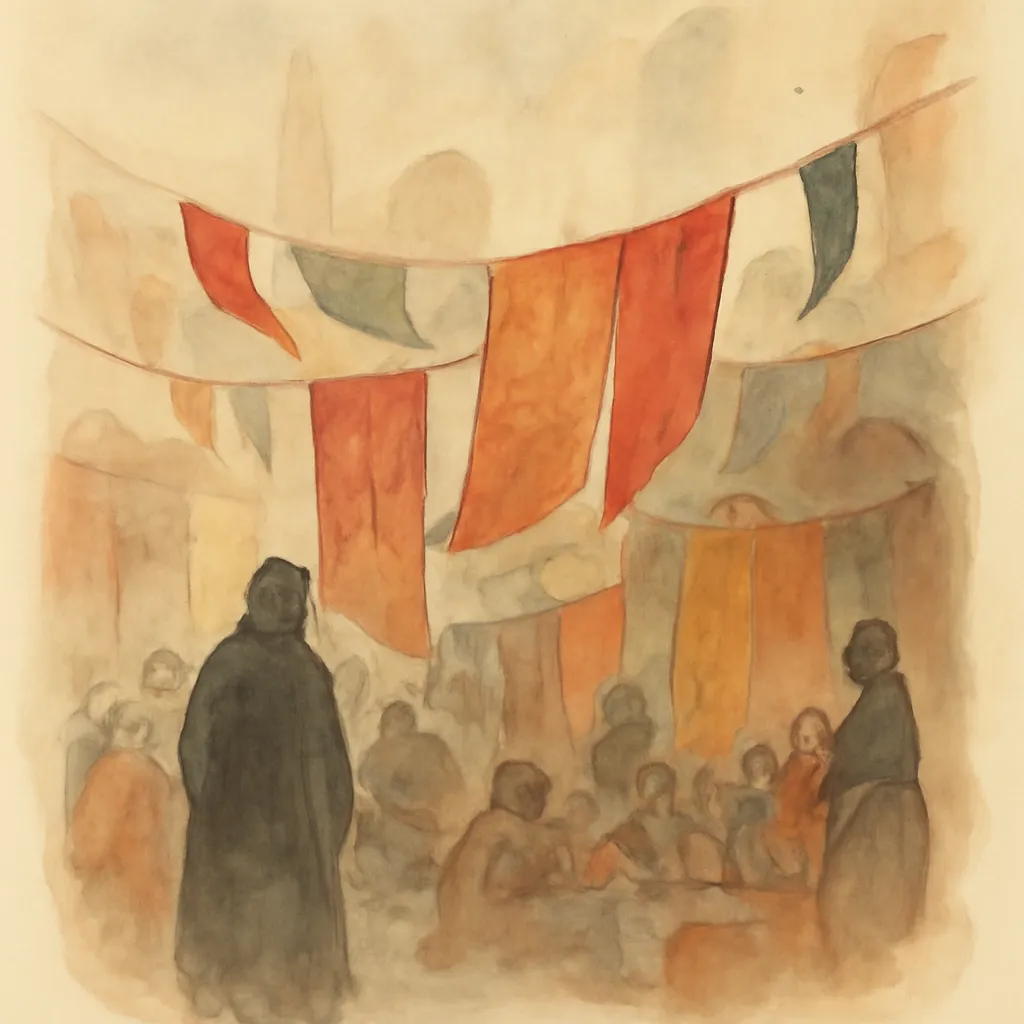
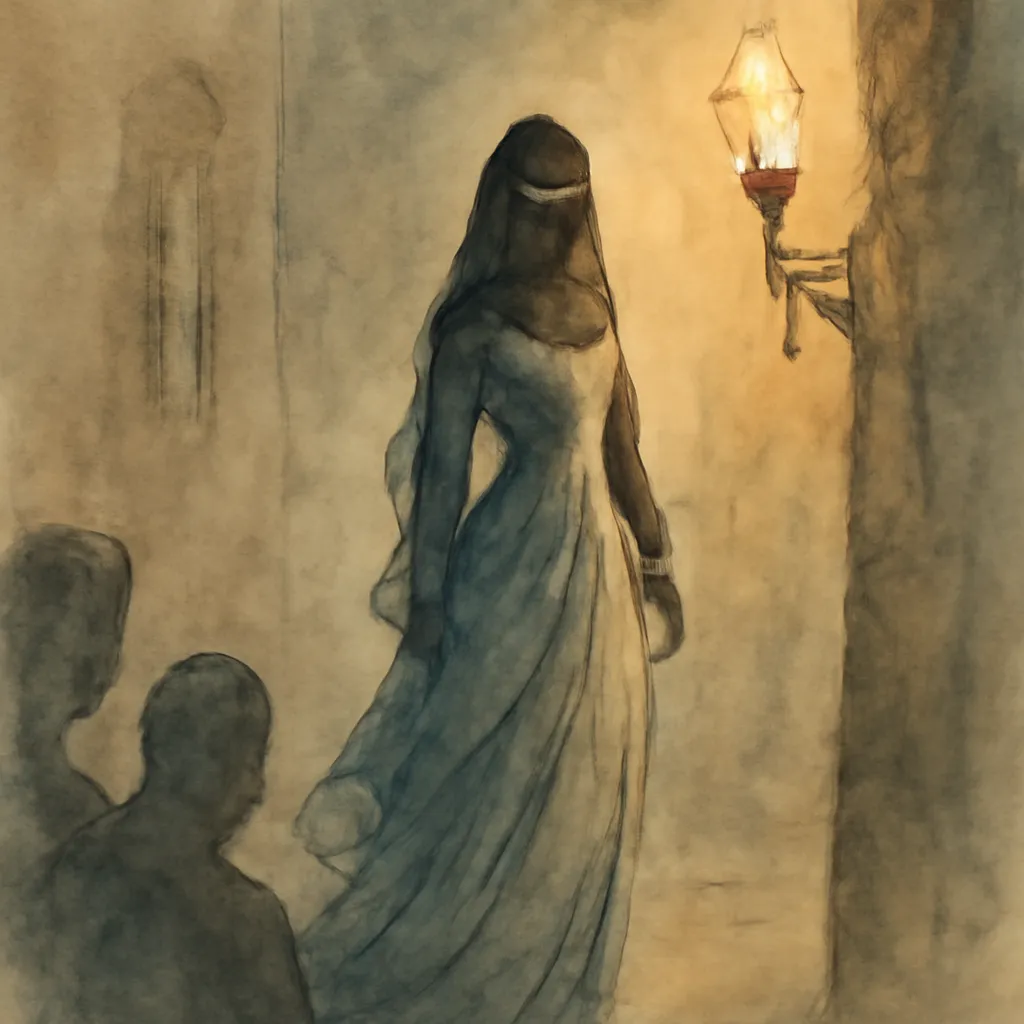
Zamboula is depicted as a vibrant tapestry of colors, sounds, and cultures, embodying the exoticism of the East. The bustling streets are alive with the chatter of merchants, the cries of vendors, and the allure of beautiful women, such as Ghanara, whose boldness captivates Conan. However, beneath this surface beauty lies a sinister underbelly, where danger lurks in every shadow. The city serves as a microcosm of civilization's dual nature—its ability to enchant and ensnare while simultaneously harboring dark secrets. Howard effectively uses Zamboula to illustrate the contrast between the external allure of life and the internal threats that can arise within it, capturing the complexity of human experience in a culturally rich setting.
2.The Enigmatic Aram Baksh
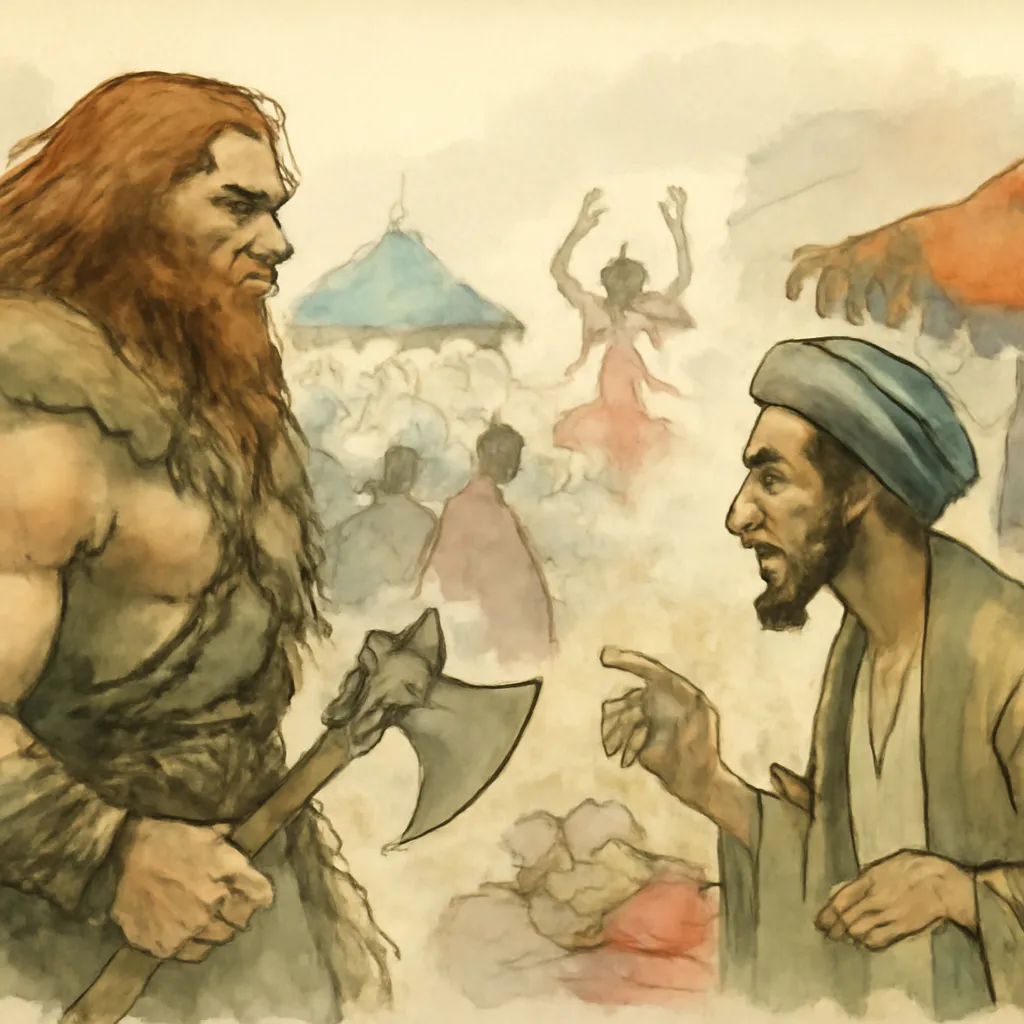
Aram Baksh stands as a central figure in the narrative, shrouded in mystery and suspicion. The nomadic man's warnings about Baksh's tavern, where travelers have mysteriously vanished, create an atmosphere of foreboding. His tavern, known for its low prices, lures in the desperate and the unwary, making it a symbol of false security. This character embodies the archetype of the sinister innkeeper, a trope in adventure literature that serves to heighten tension. The suggestion that Baksh is involved in nefarious activities, such as selling the possessions of the missing travelers, raises questions about trust and safety in a world where morality is fluid. Howard crafts Baksh as a catalyst for Conan's journey, pushing the Cimmerian into a web of intrigue that challenges his instincts and skills, and ultimately revealing the darker facets of human nature.
3.Conan's Relentless Nature
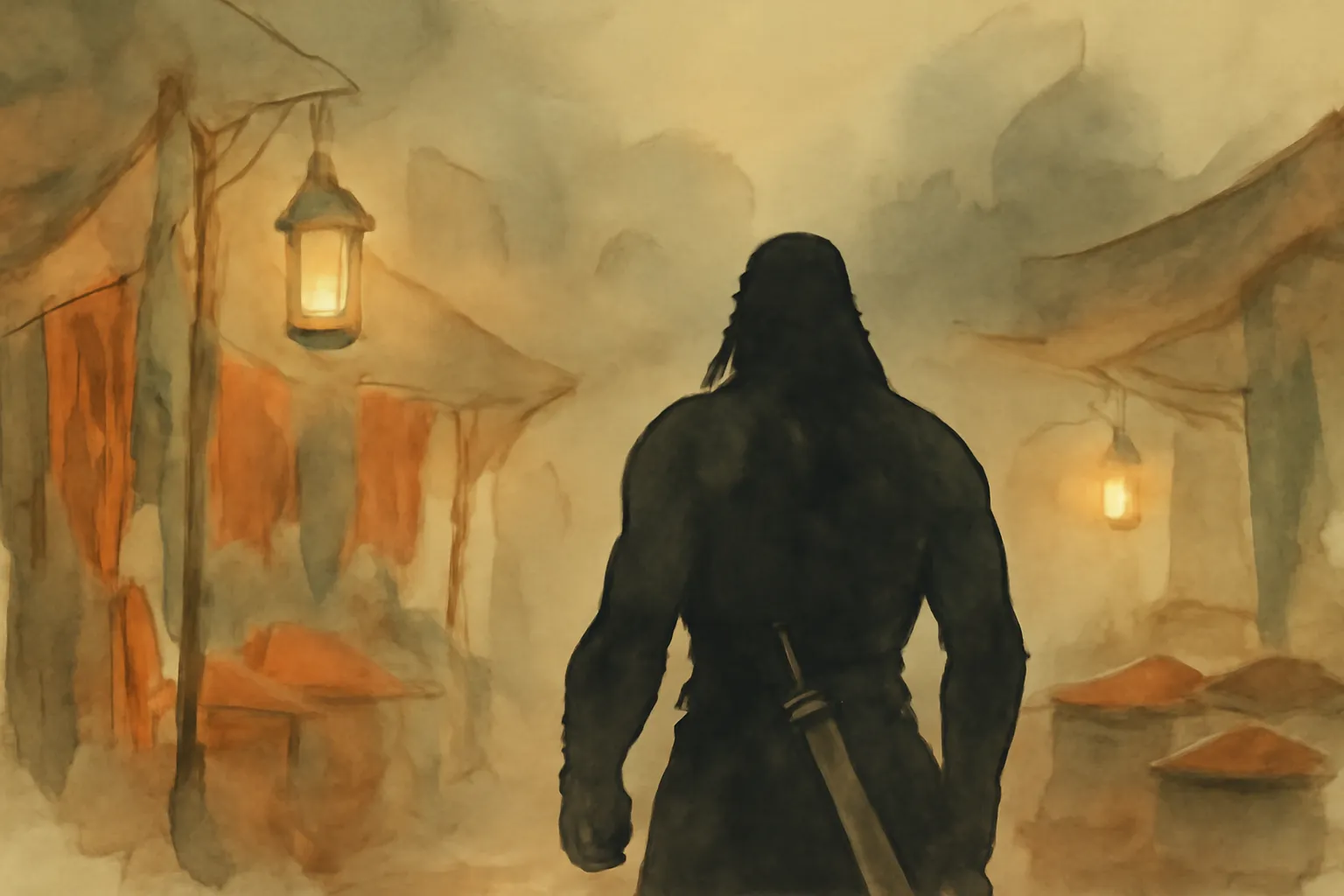
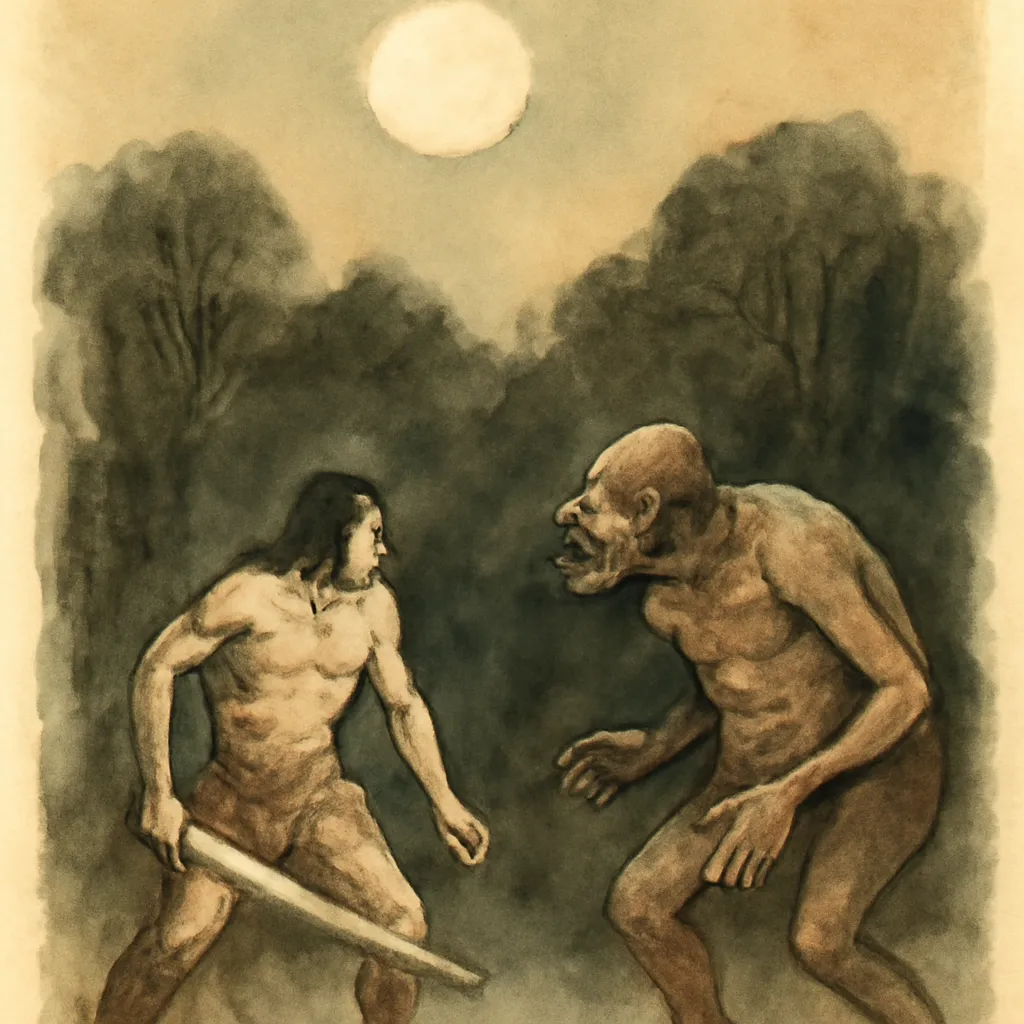
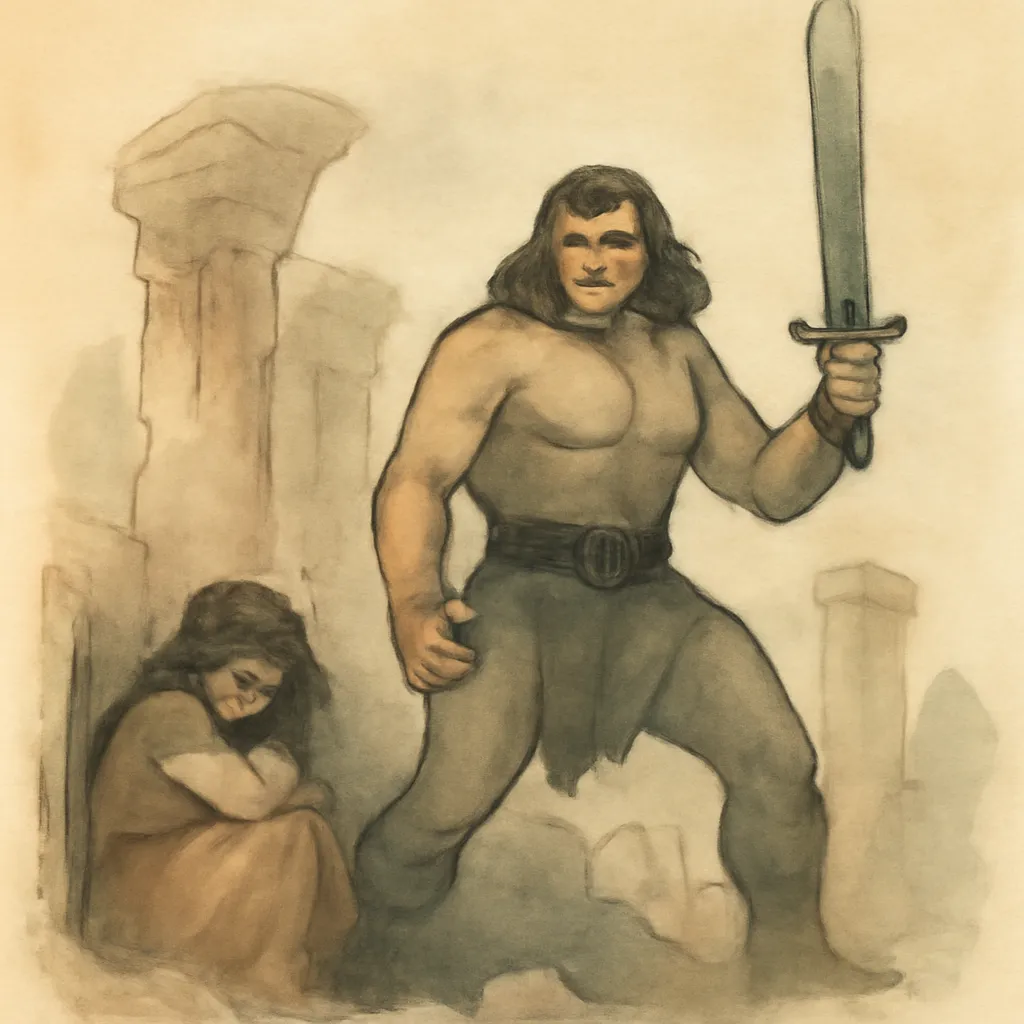
Conan the Barbarian is portrayed as a figure of raw strength and instinct, embodying the essence of survival in a brutal world. His reaction to danger is immediate and violent, as seen when he confronts the cannibal who threatens the girl. This primal response illustrates not only his physical prowess but also his commitment to protecting the vulnerable. Howard's depiction of Conan's character goes beyond mere brawn; he is a complex individual who grapples with his motivations and desires. He is not just a mindless brute; his fierce protectiveness and honor reflect a deeper moral code. This complexity adds depth to the narrative, showcasing how even the fiercest warrior can be influenced by emotions such as love and protectiveness, giving readers a multifaceted view of masculinity.
4.The Role of Women in Zamboula
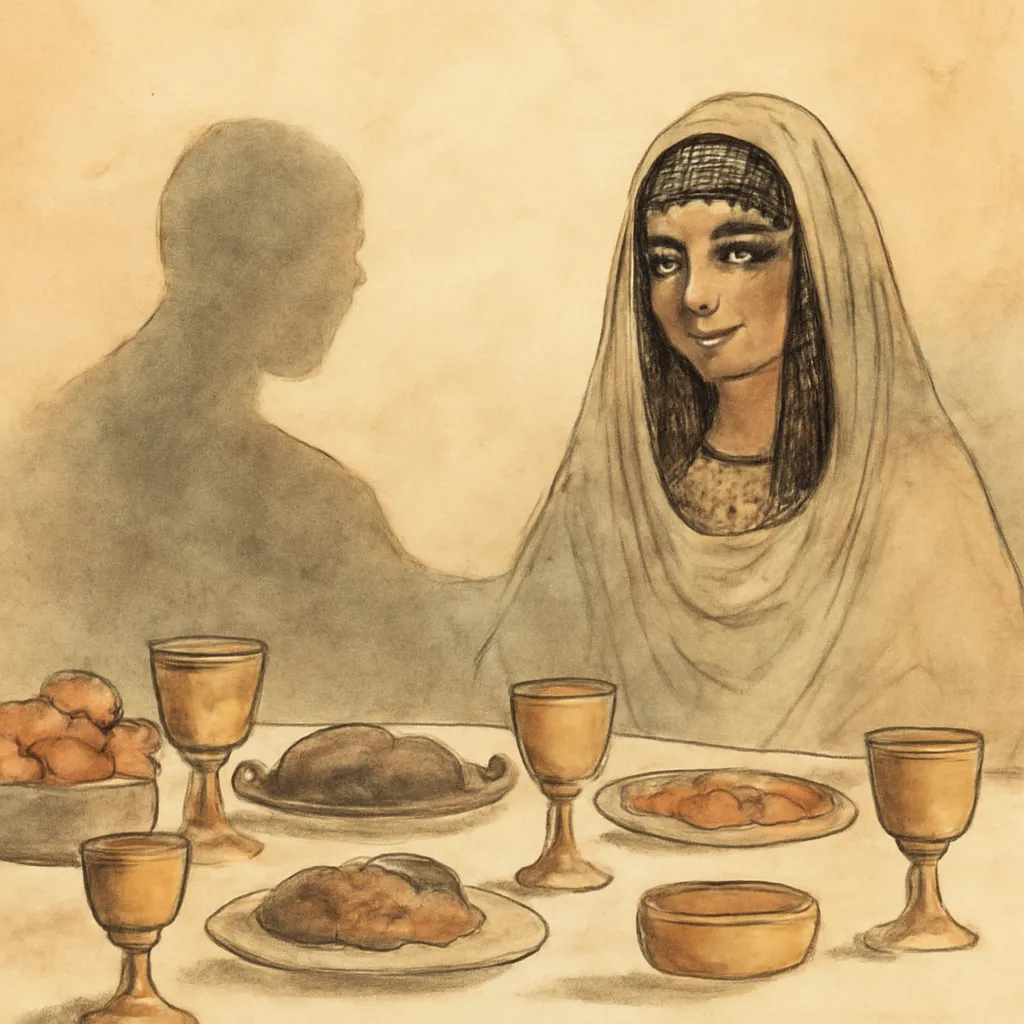
Women in Shadows in Zamboula are depicted as both objects of desire and symbols of strength. Ghanara initially represents the allure of femininity that draws Conan's attention, but her character also highlights the dangers women face in a patriarchal society. The encounter with the girl who is captured by cannibals demonstrates the vulnerability of women, yet it also showcases their resilience. Howard crafts female characters who are not merely passive; they possess agency and influence over the narrative. Nafertari, the true identity of the girl, reveals the complexities of women's roles in the story, as she navigates her position with intelligence and cunning. She embodies both the archetype of the damsel in distress and the empowered woman who manipulates her circumstances, reflecting the dualities in human nature and the societal structures that dictate gender roles.
5.The Power of Manipulation
The theme of manipulation runs throughout Shadows in Zamboula, exemplified by the character of Nafertari, who initially deceives Conan about her identity. This manipulation serves not only to protect her interests but also to highlight the treacherous nature of political power within Zamboula. The revelation that Jungir Khan, the satrap, has gone mad and that Nafertari is orchestrating events from the shadows underscores the intricate dynamics of control and influence. Howard illustrates how characters navigate a world rife with deception, where appearances can be misleading, and true intentions remain hidden. The manipulation of the perceived reality creates a tension that drives the plot, as Conan must navigate this labyrinth of lies and discover the truth. This theme resonates with the reader, reflecting the often ambiguous nature of morality in the pursuit of survival and power.
6.The Clash of Cultures
Shadows in Zamboula explores the clash of cultures through the interactions between Conan, a barbarian from the north, and the sophisticated yet corrupt society of Zamboula. Conan's raw, instinctual approach to challenges contrasts sharply with the cunning and artifice of the Zamboulans. This cultural dichotomy highlights the broader themes of civilization versus barbarism, where Conan's brute strength often serves as a counterpoint to the treachery of city life. Howard uses this juxtaposition to explore ideas of honor, loyalty, and the moral complexities that arise when different worlds collide. The narrative becomes a stage for examining how characters adapt and survive in environments that challenge their beliefs and values. This cultural clash allows readers to reflect on the nature of civilization itself and the ways in which it can both elevate and degrade human experience.
7.The Supernatural Element
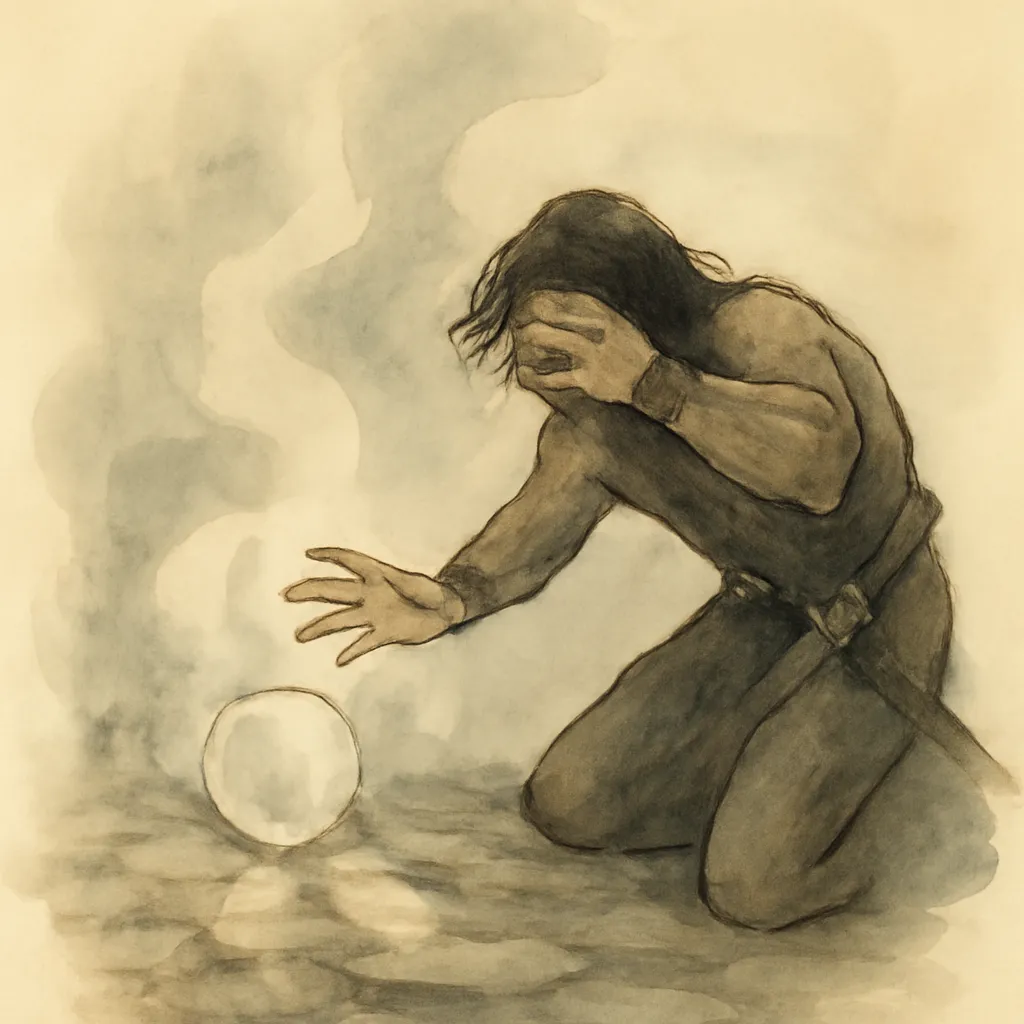
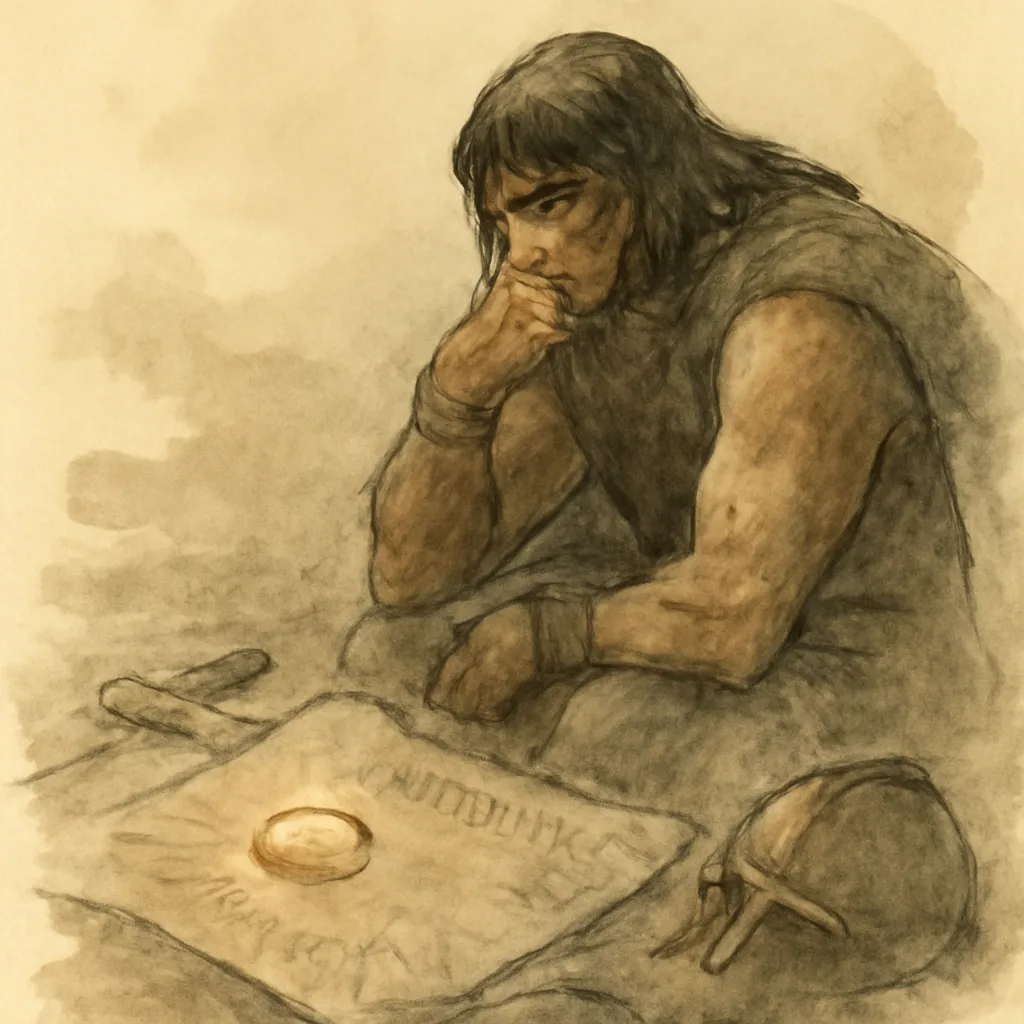
The introduction of supernatural elements adds a layer of intrigue and danger to Conan's adventure. The crystal sphere thrown by Baal-pteor that envelops Conan in a blinding blur showcases Howard's fascination with the mystical and the unknown. This moment not only serves to heighten the tension but also emphasizes the unpredictability of Zamboula, where magic and malevolence intertwine. The supernatural acts as a catalyst for Conan's transformation, forcing him to confront not only physical threats but also the unseen forces that manipulate reality. Howard's use of the supernatural reflects the broader themes of fear and the unknown that permeate the narrative, inviting readers to ponder the limits of human understanding. The blend of reality and fantasy serves to enhance the depth of the story, making the stakes feel higher and the challenges more formidable.
8.Conan's Moral Compass
Throughout the story, Conan's moral compass is tested as he navigates the treacherous landscape of Zamboula. His instinct to protect the innocent, as seen in his defense of the captured girl, reveals a code of honor that guides his actions. However, this code is complex, as it often collides with the ruthless realities of survival in a lawless environment. Howard illustrates that Conan is not simply a brute; he possesses a sense of justice that drives him to confront evil, even when it puts him at risk. This moral ambiguity adds depth to his character, making him relatable as he grapples with the consequences of his choices in a world where right and wrong are often blurred. This internal struggle reflects the human condition, highlighting the tension between instinct, morality, and the choices we must make to survive.
9.The Journey of Self-Discovery
Conan's adventure in Zamboula serves as a journey of self-discovery, forcing him to confront not only external threats but also his internal desires and motivations. The allure of power, represented by Nafertari's offer of gold and influence, tempts Conan to consider a role within the corrupt political system of Zamboula. However, his instinctual nature pushes him to question whether he can remain true to himself while navigating the treachery of the city. This struggle for identity and purpose resonates deeply, as it mirrors the universal quest for meaning in a chaotic world. Howard's portrayal of Conan's journey emphasizes the importance of self-awareness and the courage to remain authentic amid external pressures. It illustrates that true strength lies not only in physical prowess but also in the ability to remain true to one's values in a world filled with temptation and deceit.
10.The Nature of Power and Corruption
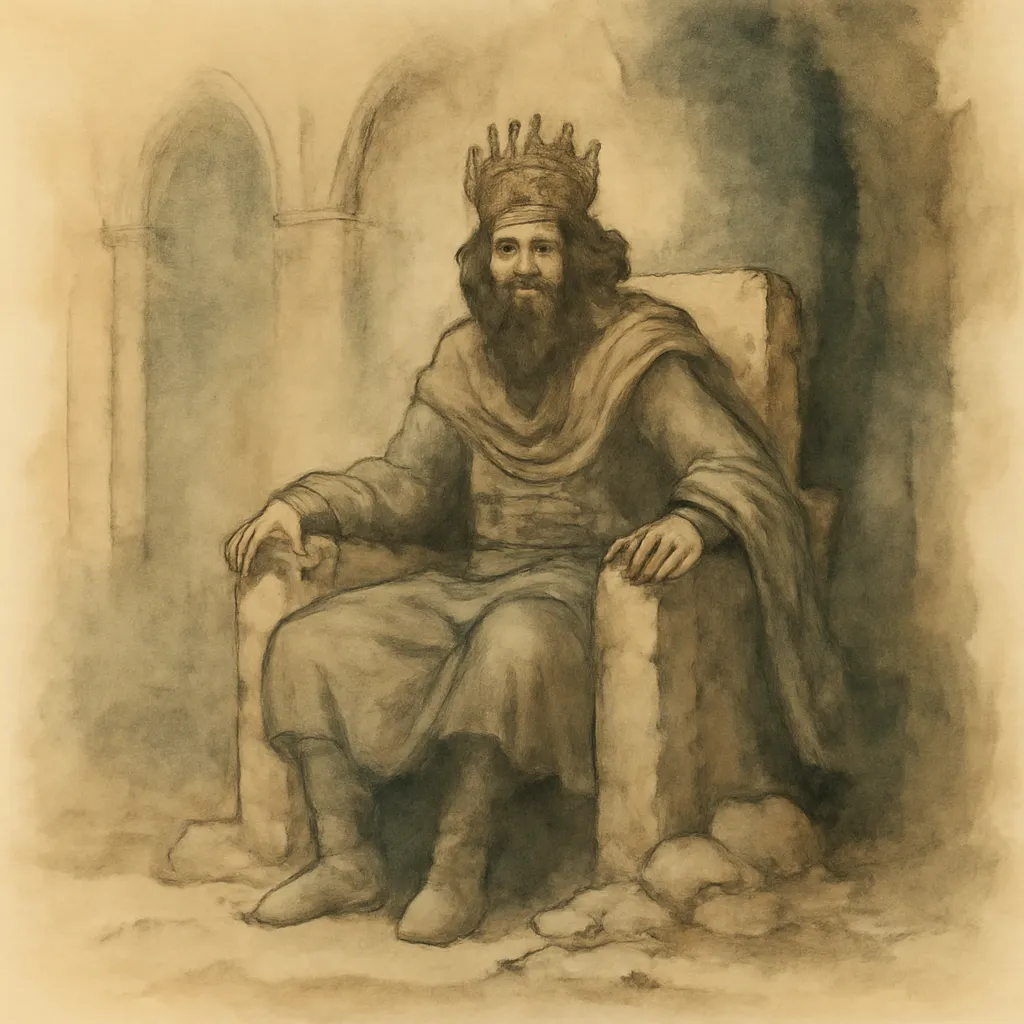
Shadows in Zamboula delves into the nature of power and corruption through the character of Jungir Khan, whose madness symbolizes the destructive potential of unchecked authority. The satrap's descent into insanity reflects the fragility of power and the chaos that ensues when leaders fail to govern justly. Nafertari's manipulation of this power underscores the idea that those who seek control often become ensnared by their own ambitions. Howard uses this theme to critique the political structures of his time, revealing the dangers of corruption and the moral compromises that accompany the pursuit of power. The narrative serves as a cautionary tale about the consequences of ambition and the need for accountability among leaders. This exploration of power dynamics invites readers to reflect on their own societal structures and the ethical implications of leadership.