1.The Color Line as the Defining Problem
Du Bois posits that the central issue of the 20th century is the color line, the division between races that perpetuates inequality and injustice. He argues that this divide is not merely a social construct but a profound barrier that affects every aspect of life for black Americans. The color line manifests in systemic racism, economic disenfranchisement, and social ostracism, creating a perpetual state of struggle for African Americans. Du Bois's personal reflections illustrate how this barrier impacts individual lives, shaping identities and experiences from childhood through adulthood. The color line is not just a historical artifact; it remains a pressing challenge that society must confront, making Du Bois's insights relevant even in contemporary discussions about race.
2.The Veil and Double Consciousness
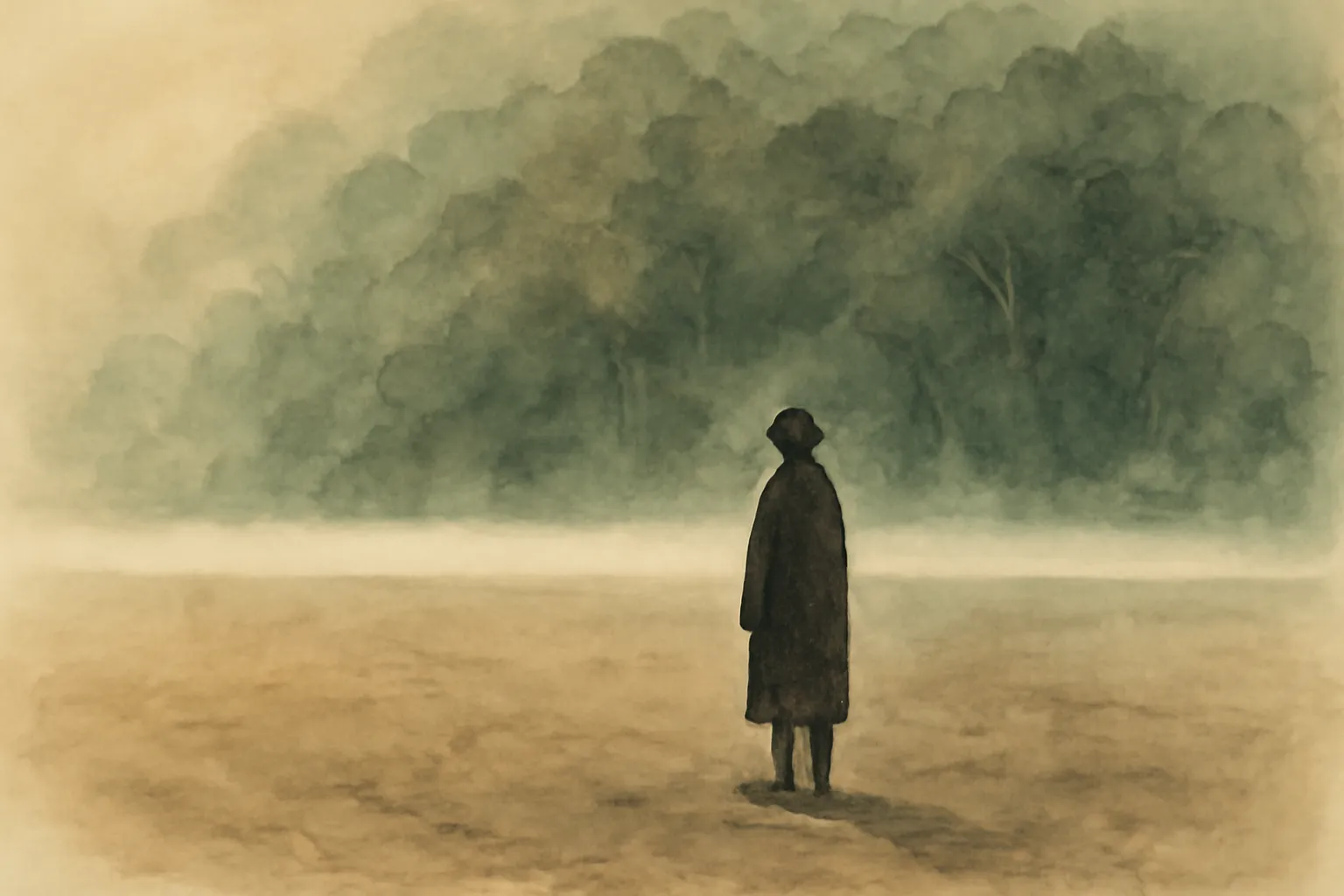
One of Du Bois's most powerful concepts is the Veil, a metaphor for the racial divide that separates black Americans from white society. Living 'within the Veil' means experiencing the world through a lens of racial prejudice and discrimination, which distorts perceptions of self and society. This leads to what Du Bois calls 'double consciousness,' an internal conflict where African Americans struggle to reconcile their identity as both black and American. They are forced to view themselves through the eyes of a society that devalues them, leading to feelings of alienation and self-doubt. This duality creates a complex psychological landscape that informs their aspirations, behaviors, and interactions. Du Bois's exploration of double consciousness reveals the deep-seated wounds inflicted by racism and the resilience required to navigate such a divided existence.
3.Emancipation and Its Aftermath
Du Bois examines the significance of Emancipation and the profound changes it brought to the lives of formerly enslaved people. While the abolition of slavery marked a critical turning point, it did not automatically translate into freedom or equality. Many African Americans found themselves navigating a new set of challenges, including economic exploitation, social marginalization, and the struggle for civil rights. Du Bois highlights the role of the Freedmen's Bureau in attempting to address these issues, providing education and support to newly freed individuals. However, the Bureau's efforts were met with resistance and ultimately fell short of achieving lasting change. Through these reflections, Du Bois underscores the complexity of freedom and the ongoing struggle for true emancipation that extends beyond legal definitions.
4.The Role of Education in Uplift
Education emerges as a central theme in Du Bois's vision for the future of African Americans. He advocates for a liberal arts education as a means of empowerment, emphasizing that intellectual growth is essential for achieving social and political equality. Du Bois criticizes the vocational training advocated by figures like Booker T. Washington, arguing that it limits the potential of black individuals and reinforces a system of oppression. Instead, he believes that a well-rounded education will cultivate leaders who can advocate for civil rights and challenge the status quo. Du Bois's emphasis on education reflects his belief in the transformative power of knowledge and its ability to uplift communities. He calls for the establishment of institutions that provide quality education to black individuals, fostering a generation of thinkers and leaders.
5.Critique of Booker T. Washington
Du Bois provides a critical analysis of Booker T. Washington's approach to race relations and civil rights, particularly his emphasis on industrial education and accommodation to white supremacy. Washington's Atlanta Compromise, which advocated for black Americans to accept segregation in exchange for economic opportunities, is portrayed by Du Bois as a betrayal of the struggle for civil rights. Du Bois argues that this philosophy undermines the dignity and aspirations of African Americans, reducing them to a subservient position. He contends that true progress requires a bold demand for civil and political rights rather than a passive acceptance of second-class status. Through this critique, Du Bois asserts the importance of activism and resistance in the pursuit of justice and equality.
6.The Spiritual Strivings of Black Folk
Du Bois delves into the spiritual dimensions of the black experience, highlighting the resilience and creativity of African Americans in the face of oppression. He emphasizes that the struggle for identity and self-worth is deeply intertwined with cultural expressions, such as music, religion, and community. The Sorrow Songs, spirituals that emerged from the slave experience, are presented as a profound testament to the enduring spirit of black folk. These songs encapsulate the pain, hope, and aspirations of a people striving for freedom and dignity. Du Bois argues that the spiritual life of African Americans offers a unique perspective on the human condition, revealing a depth of emotion and wisdom that transcends suffering. This exploration of spirituality underscores the importance of cultural heritage in shaping identity and fostering resilience.
7.The Impact of the Black Peasantry
The struggles of the black peasantry are a focal point in Du Bois's examination of the socio-economic conditions faced by African Americans in the South. He highlights the harsh realities of poverty, landlessness, and exploitation that characterize the lives of many black farmers. This economic disenfranchisement is compounded by systemic racism, which limits access to resources and opportunities. Du Bois argues that the plight of the black peasantry is emblematic of broader societal failures, reflecting the deep-rooted inequalities that persist in American life. He calls for a concerted effort to address these injustices through land reform, economic support, and education. By shedding light on the experiences of the black peasantry, Du Bois emphasizes the need for systemic change to uplift marginalized communities.
8.The Struggle for Civil Rights
Du Bois articulates the ongoing struggle for civil rights as a fundamental aspect of the African American experience. He emphasizes that the fight for equality is not merely a political issue but a moral imperative that demands the attention of all Americans. Du Bois advocates for organized activism and the establishment of civil rights organizations to confront systemic injustice and advocate for legal protections. He recognizes the importance of solidarity among black individuals and allies in the pursuit of civil rights, emphasizing that collective action is essential for effecting change. Through his reflections, Du Bois underscores the urgency of the civil rights movement and the responsibility of each generation to continue the fight for justice and equality.
9.The Legacy of the Sorrow Songs
The Sorrow Songs serve as a powerful symbol of the African American experience, encapsulating the struggles, hopes, and resilience of black folk throughout history. Du Bois argues that these songs are not only a form of artistic expression but also a vital aspect of cultural heritage that connects generations. He emphasizes their significance as a means of preserving history and identity, allowing future generations to understand the depth of their ancestors' experiences. The Sorrow Songs reflect a unique blend of pain and beauty, serving as a reminder of the enduring spirit of African Americans in the face of adversity. Du Bois's celebration of these songs highlights the importance of cultural expression in shaping identity and fostering community.
10.The Call for Racial Unity
In his concluding reflections, Du Bois calls for a vision of racial unity that transcends the barriers of the color line. He argues that true progress requires collaboration and understanding between black and white Americans, emphasizing the need for mutual respect and recognition of shared humanity. Du Bois envisions a future where individuals are judged by their character rather than their race, fostering a society that values diversity and inclusivity. He challenges both black and white Americans to confront their prejudices and work towards a common goal of justice and equality. This call for racial unity is both a hopeful vision and a pragmatic acknowledgment of the challenges that lie ahead, urging a collective commitment to building a more equitable society.