1.The Pursuit of Independence
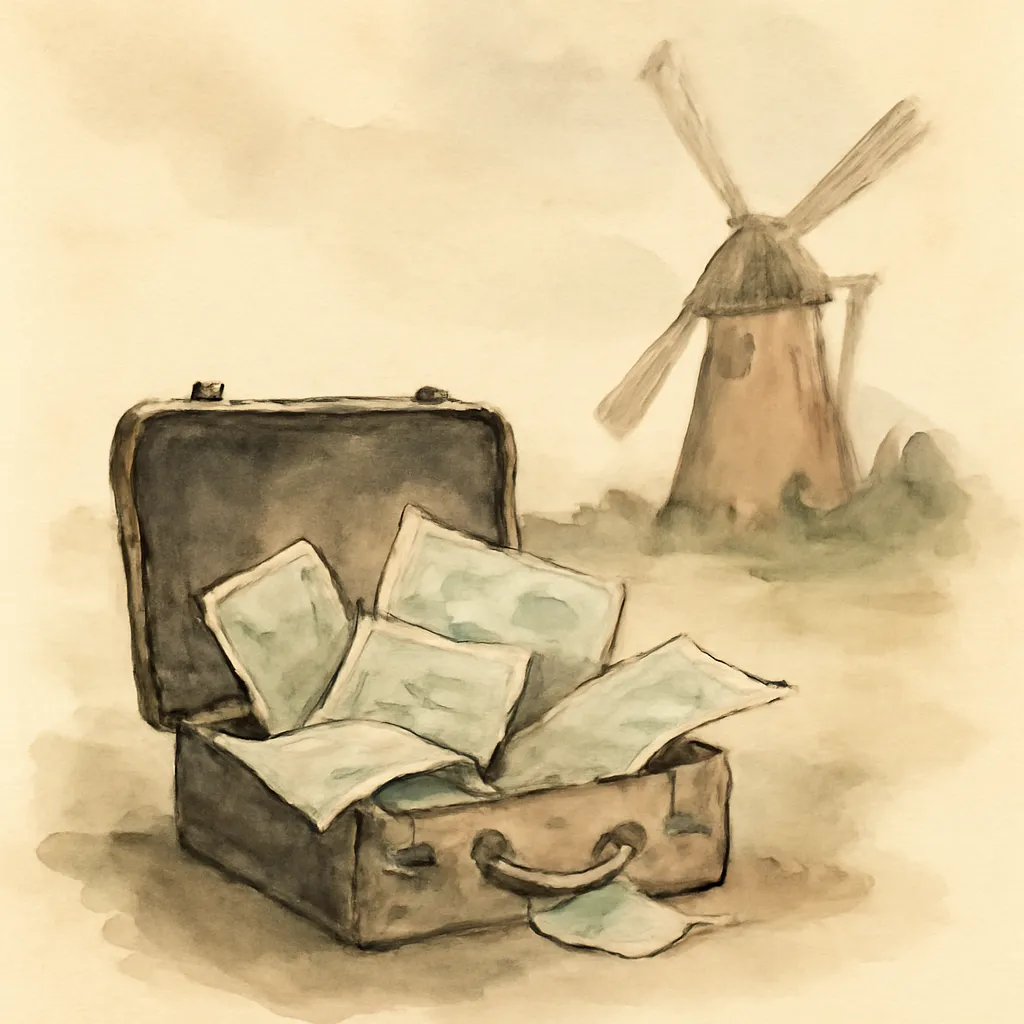
Nell and Phyllis, the two sisters at the heart of the story, represent the quest for independence and self-actualization. As they embark on their journey to Holland, they dream of a life beyond the confines of their modest existence. Nell, in particular, fantasizes about escaping the dull tasks of her life as a writer, envisioning a future filled with creativity and freedom. This longing drives her to envision a beautiful home and a life of travel and adventure. Their journey is not merely physical; it serves as a metaphor for their desires and aspirations. By taking this trip, they step outside their comfort zone, learning about themselves and each other in the process. Williamson uses their quest for independence to explore broader themes of personal growth, the struggle against societal expectations, and the desire for a life lived authentically. As they encounter various challenges and unexpected encounters, their character development is intricately tied to their pursuit of freedom, leading them to confront the constraints imposed by society and family.
2.A Cultural Tapestry of Holland
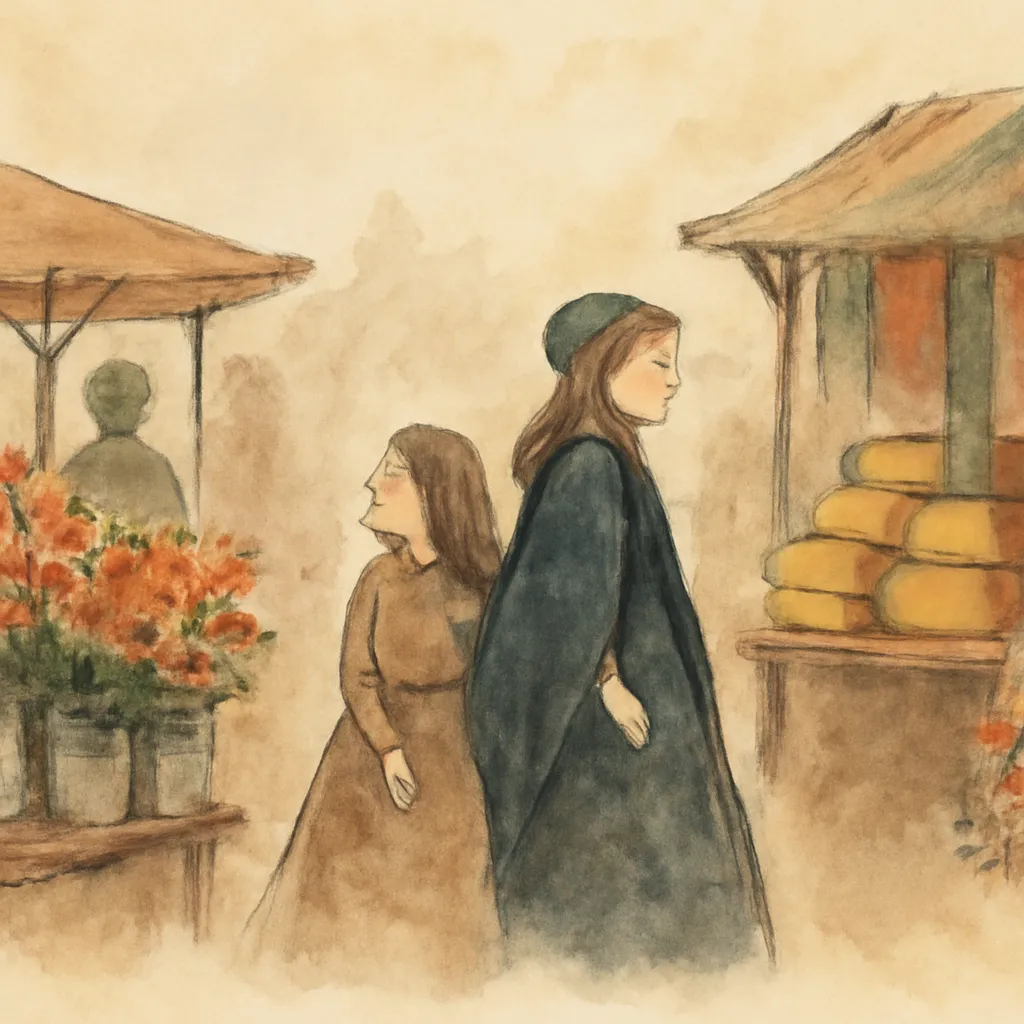
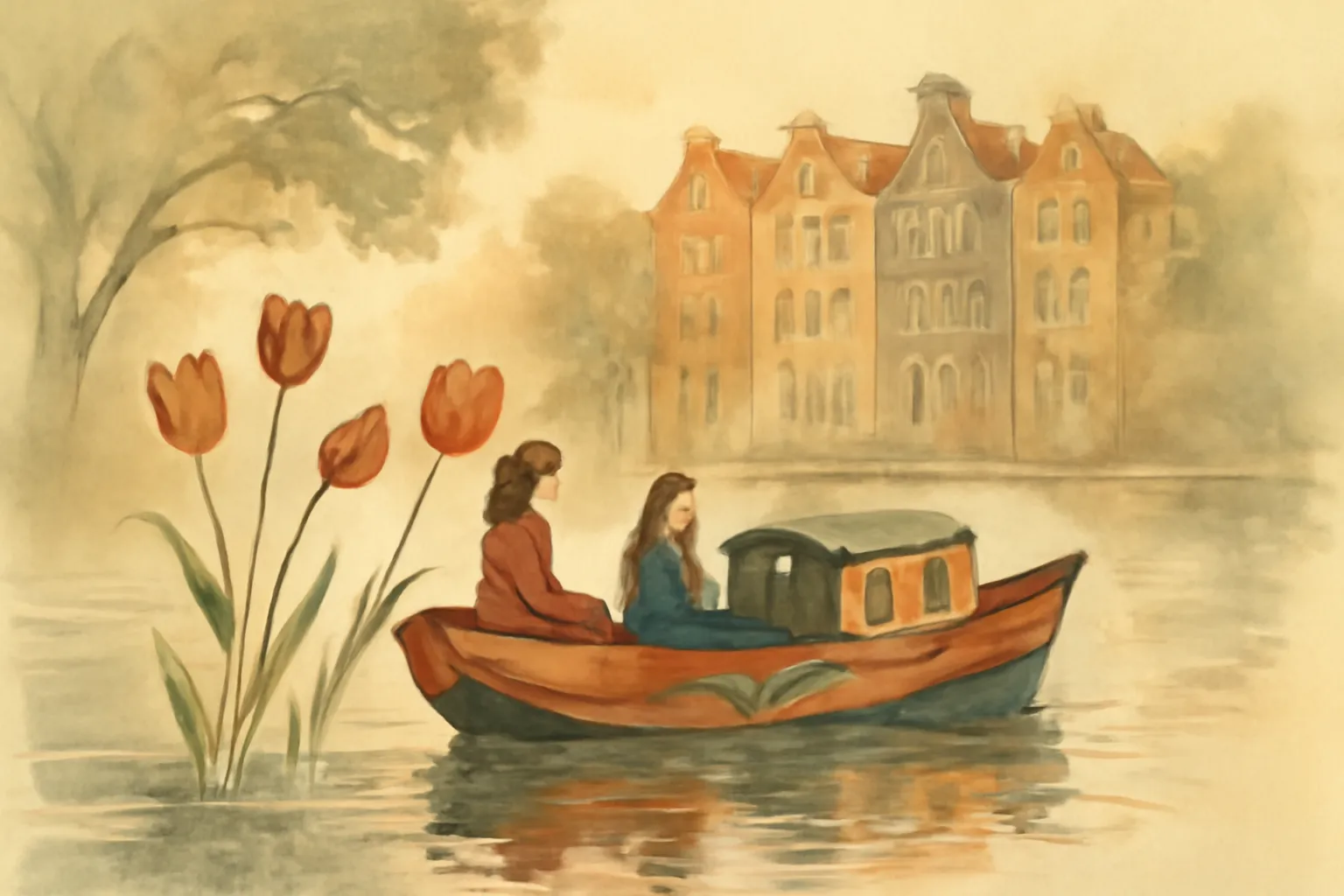
Williamson immerses readers in the rich tapestry of Dutch culture through the sisters' experiences as they navigate the canals and small towns of Holland. The author details the sights, sounds, and flavors of their surroundings, from the picturesque canals reflecting the quaint architecture to the vibrant flowers in local gardens. As Nell and Phyllis travel through towns like Volendam and Monnikendam, they encounter unique aspects of Dutch life, such as traditional clothing, local cuisine, and cultural customs. This cultural exploration enhances the narrative, allowing readers to appreciate the beauty and charm of the Dutch landscape as well as the richness of its traditions. The vivid descriptions of scenery and local life not only ground the characters' journey in a tangible reality but also highlight the significance of cultural heritage in shaping identity. For instance, the sisters’ interactions with local residents reveal their curiosity and willingness to learn, showcasing the importance of cultural exchange in their adventure. Williamson’s detailed depictions serve to educate the reader about Holland’s history and traditions, making the journey feel both personal and universal.
3.Humor in Unexpected Places

A consistent thread of humor runs throughout the narrative, capturing the absurdities of everyday life and the quirks of human nature. Williamson crafts comedic situations that arise from misunderstandings, cultural differences, and the contrasting personalities of the characters. For instance, the interactions between the practical Phyllis and the more whimsical Nell often lead to humorous exchanges that highlight their differing worldviews. Additionally, the dynamic with Lady MacNairne adds to the comedic element with her charming eccentricities and her attempts to impose her own ideas of propriety on the younger women. This humor not only serves to entertain but also acts as a mechanism for character development, allowing readers to see how the characters respond to the absurdities of life. Through laughter, Williamson emphasizes the importance of lightness and joy in overcoming life's challenges. The humor often defuses tension and allows for deeper connections among the characters, making their interactions more relatable and engaging for the reader.
4.Romantic Tensions and Family Dynamics
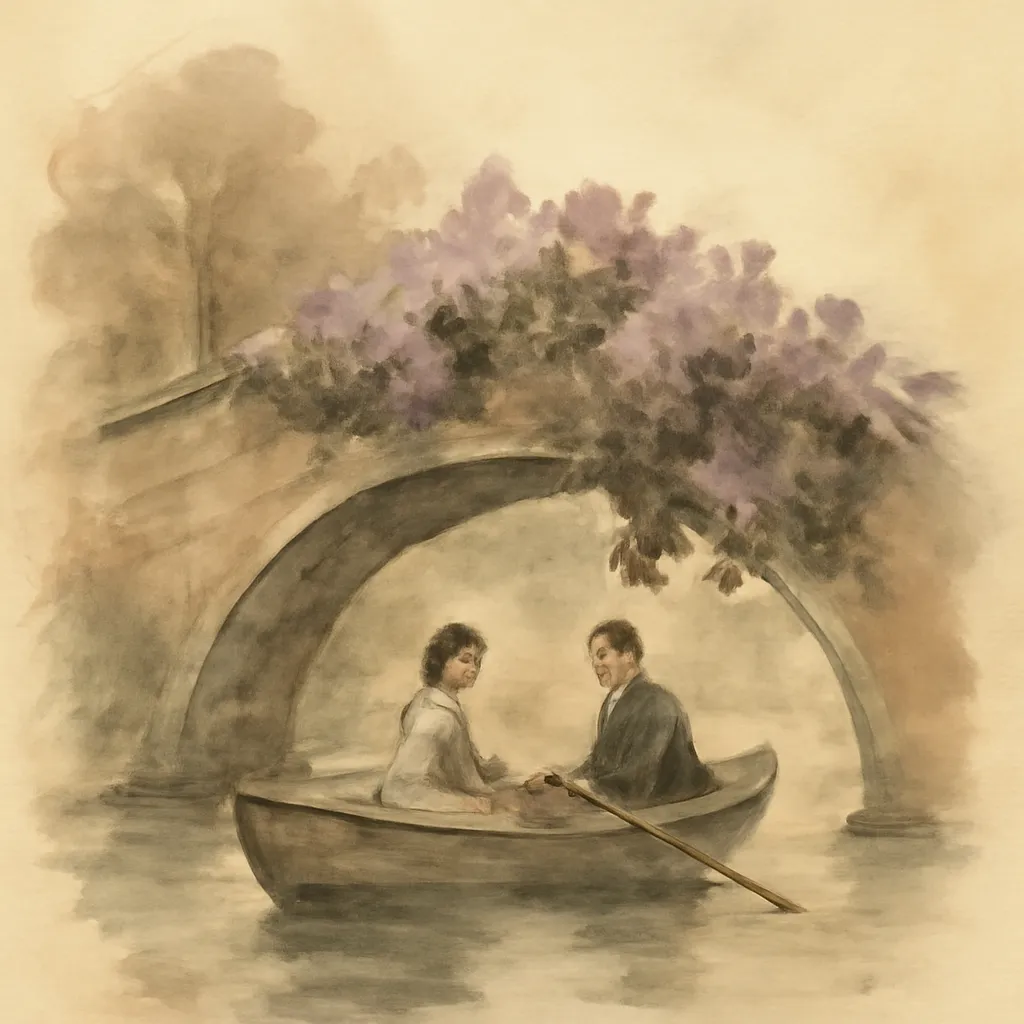
At the heart of 'The Chauffeur and the Chaperon' lies a complex web of romantic tensions, particularly between Nell and her cousin Robert. Their relationship is marked by a blend of attraction and societal expectations that complicate their interactions. As they navigate their growing feelings for each other, the story delves into the intricacies of love, attraction, and the impact of family on romantic decisions. Nell's desire for independence clashes with the pull of familial duty and expectation, creating an internal conflict that resonates with readers. Williamson explores the idea that love can be both a liberating force and a source of tension, particularly when intertwined with social conventions. The character of Robert represents the ideal suitor but also embodies the societal pressures that Nell must navigate. By portraying the evolving relationship between Nell and Robert, the author highlights the complexities of love that are influenced by family ties and societal norms, ultimately leading to poignant moments of self-discovery for both characters.
5.Character Evolution: Lady MacNairne's Transformation
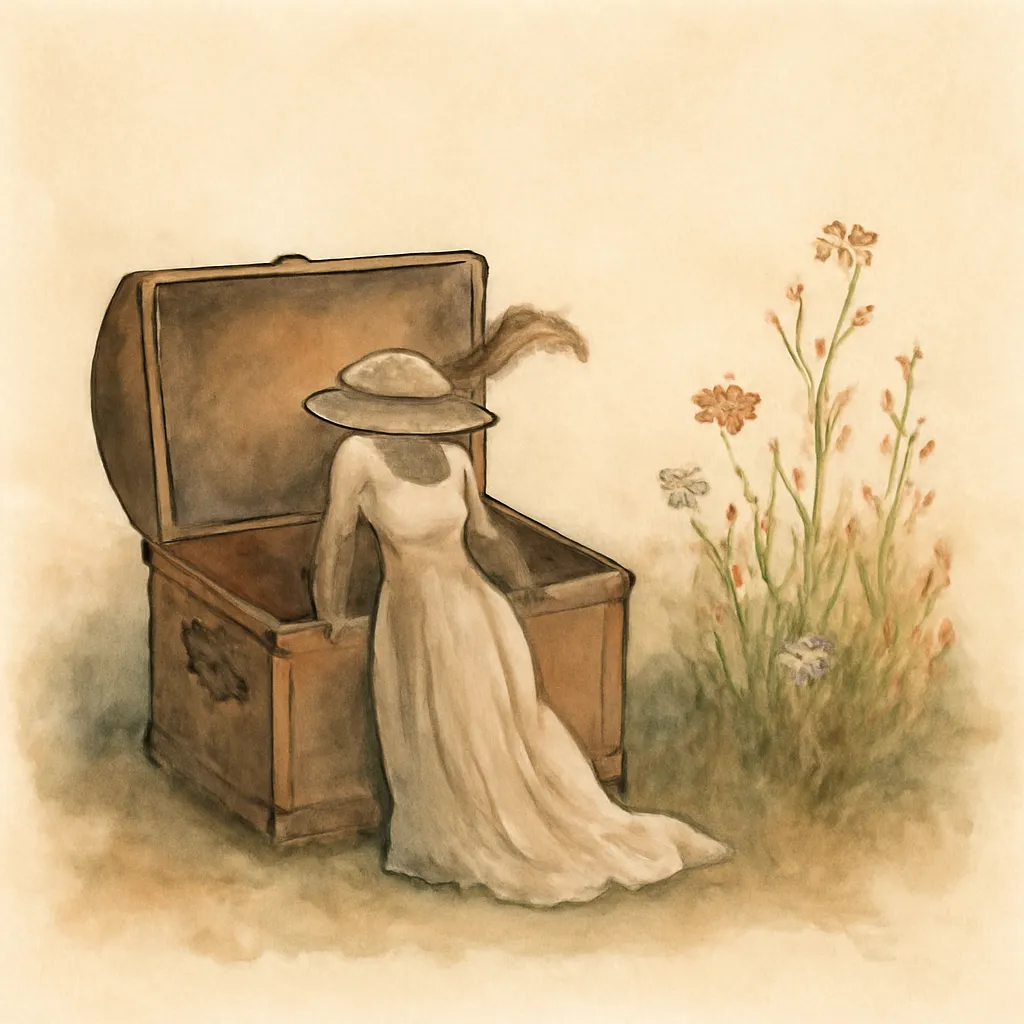
Lady MacNairne serves as an intriguing chaperon, initially embodying traditional expectations while also revealing a more modern sensibility. Her character evolves from a figure of authority who imposes restrictions on Nell and Phyllis to a more supportive ally as the narrative progresses. Initially, she represents the societal norms surrounding female behavior in the early 20th century, particularly regarding travel and relationships. However, as she witnesses the sisters' adventures and their growth, she begins to soften and embrace a more understanding role. This transformation underscores the theme of generational change, as Williamson contrasts Lady MacNairne's initial rigidity with the sisters' youthful exuberance and independence. This evolution allows for a richer exploration of themes surrounding generational differences, independence, and the capacity for change. By portraying Lady MacNairne's journey, Williamson demonstrates that even those who seem rigid can adapt and support the desires of younger generations, fostering deeper connections and mutual respect.
6.The Dutch Landscape: A Character in Its Own Right
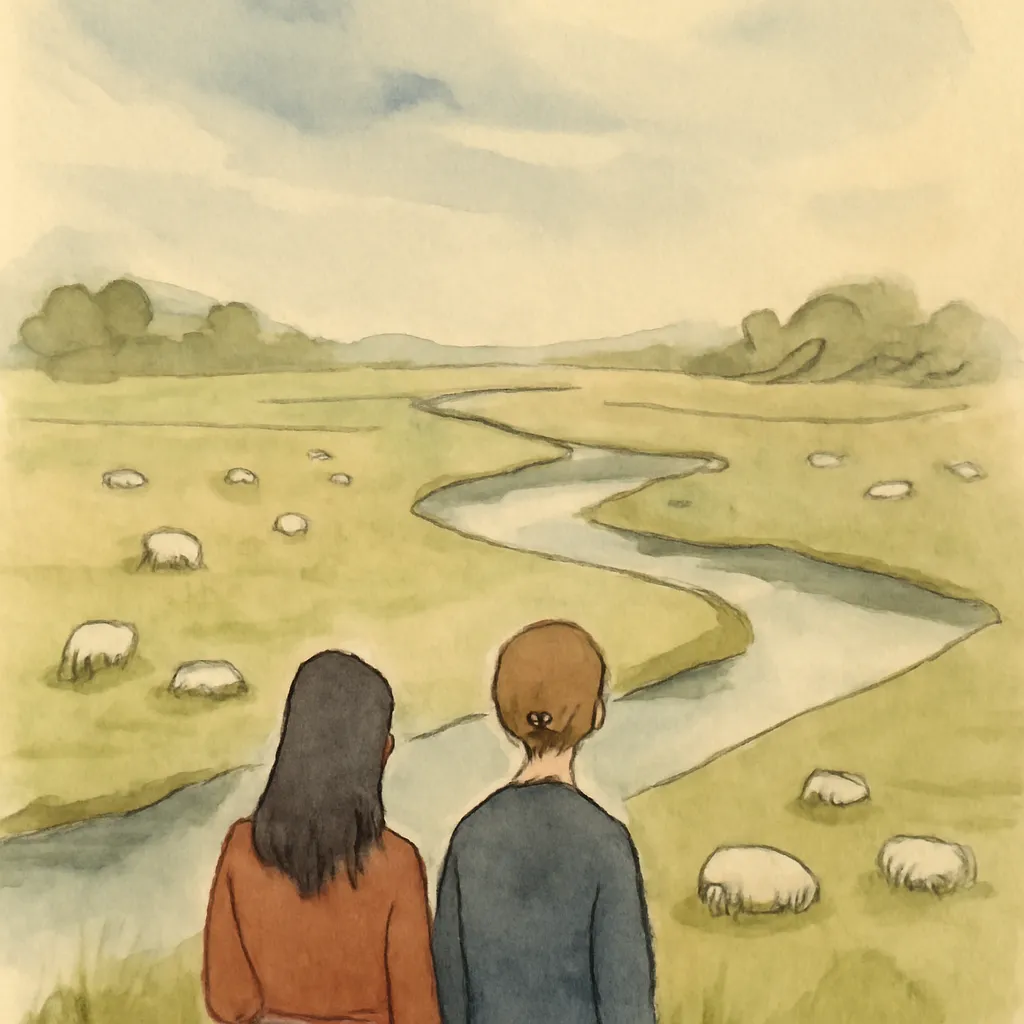
Williamson’s vivid descriptions of the Dutch landscape serve as a character in its own right, enhancing the emotional depth of the narrative. The canals, meadows, and quaint towns create a picturesque backdrop that reflects the characters' inner journeys and emotional states. As Nell and Phyllis explore the beauty of Holland, the landscape mirrors their evolving perspectives and experiences, becoming a source of inspiration and a catalyst for change. The author’s attention to detail brings scenes to life, allowing readers to visualize the vibrant colors and serene settings that define their adventure. For example, as they travel through scenic towns, the lush green fields and blooming flowers symbolize their blossoming friendship and sense of freedom. This connection between the characters and their environment emphasizes the theme of exploration—not just of the world, but also of oneself—as they navigate their lives in a foreign land, ultimately leading to a deeper understanding of their own identities.
7.Class and Society: Navigating Social Expectations
The novel subtly addresses the theme of social class and its impact on relationships and perceptions. Nell and Phyllis, coming from a modest background, often find themselves at odds with the expectations of those from higher social standings. Their interactions with characters like Lady MacNairne and wealthy Dutch citizens reveal the complexities of class dynamics. Williamson employs humor and irony to critique the absurdities of social conventions, particularly in the context of romance and friendship. The sisters’ status as 'common' women in contrast to their upper-class relatives creates tension that drives much of the narrative. Nell's struggles to assert her individuality amidst societal expectations resonate with readers, highlighting the arbitrary nature of social hierarchies. Through their experiences, the author critiques the superficial judgments often made based on class, advocating for genuine connections that transcend societal labels. This exploration becomes particularly poignant as the sisters learn to navigate their place within a hierarchy that they do not fully accept.
8.Exploring Friendship and Loyalty
Nell and Phyllis' relationship as stepsisters serves as a poignant exploration of friendship and loyalty throughout the story. Their bond is tested as they encounter new experiences and challenges on their journey. Williamson captures the complexities of their relationship, showcasing moments of rivalry and affection that are characteristic of many sibling dynamics. For example, while they often tease each other, their mutual support during moments of uncertainty highlights the depth of their connection. As they navigate romantic interests and the external pressures of society, their loyalty to each other becomes a crucial source of support. The author emphasizes the importance of friendship in facing life's uncertainties and highlights how familial ties can provide both comfort and tension. Through their interactions, readers witness the depth of their connection and the ways in which they learn from one another, ultimately fostering personal growth. This exploration of friendship serves as a reminder that bonds can be both a source of strength and a catalyst for change.
9.Facing Life’s Absurdities with Grace
One of the novel's underlying themes is the ability to face life's absurdities with grace and humor. Williamson illustrates how the characters navigate a series of unexpected events, from misadventures in transportation to cultural misunderstandings. These moments encourage readers to embrace the unpredictable nature of life and find joy in chaos. For instance, the comical situations that arise during their travels—from runaway horses to awkward encounters with locals—serve as reminders of the humor inherent in human experiences. This theme resonates with readers, encouraging them to maintain a light-hearted approach when faced with challenges. Williamson's portrayal of resilience and humor emphasizes the importance of adaptability and the ability to laugh at oneself, making the narrative both entertaining and insightful. Through these experiences, the characters demonstrate that embracing life’s unpredictability can lead to unexpected joys and profound connections.