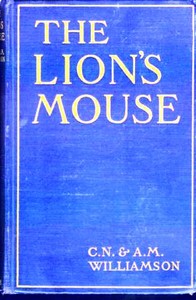
1.The Allure of the Forbidden
Barrie’s discovery of the ajar door to the garret symbolizes the tantalizing lure of the unknown and the forbidden. This door represents a threshold between her mundane reality and the enchanting realm of imagination—Fairyland. Barrie's heart races at the sight of the door, showcasing her innate desire for adventure and the thrill of breaking free from societal constraints. The door, previously locked, embodies the barriers imposed by her grandmother and the expectations of a well-behaved girl. This moment marks the beginning of Barrie's internal conflict: the struggle between adhering to societal norms and pursuing her dreams and passions. When Barrie gazes through the keyhole, she sees 'fairy gold,' a metaphor for the possibilities that lie beyond her current reality, suggesting that the pursuit of dreams requires courage to push against established barriers.
2.Romance as an Inner Life
For Barrie, romance is not merely an external pursuit but a vital element of her inner life. While her grandmother and others around her dismiss romance as frivolous, Barrie's yearning for love and adventure becomes a driving force in her character development. The tension between her desires and external expectations illustrates the generational clash between conservative values and the burgeoning desires of the youth. Barrie’s dreams of romance fuel her imagination, allowing her to escape the drudgery of her daily existence. Williamson crafts Barrie’s fantasies with such vividness that they breathe life into her otherwise dull reality. The fantasy of romance becomes a lens through which Barrie views the world, prompting her to seek out beauty and excitement even in the most mundane situations. This yearning also reflects broader themes of female empowerment, as Barrie learns to embrace her desires in a world that often seeks to suppress them.
3.The Power of Storytelling

Barrie’s interactions with Mr. Norman reveal the transformative power of storytelling. His encouragement for her to write rekindles her passion for creativity, which had been stifled under her grandmother's watchful eye. Through their conversations, Barrie learns that storytelling is not just a way to escape reality but also a means of understanding it. Mr. Norman’s intriguing perspective on writing—emphasizing the importance of imagination over mere replication of reality—opens new vistas for Barrie. He illustrates how stories can be constructed from personal experiences while infusing them with creativity. This insight becomes a catalyst for Barrie's artistic growth, as she begins to articulate her own ideas and experiences through writing. The narrative suggests that engaging with one’s creative instincts is vital for personal development and emotional expression. As Barrie contemplates her stories, she envisions new possibilities for herself, transforming her identity from a passive observer to an active creator.
4.The Complexity of Villainy

The narrative delves into the nature of villainy through Barrie’s reflections on character perspectives. She contemplates how traditional narratives often portray villains in a one-dimensional light, failing to explore their motivations and complexities. This insight reveals Barrie's moral sensitivity and her desire for a nuanced understanding of human behavior. By challenging the conventional views of good and evil, Barrie advocates for empathy and understanding in storytelling. Williamson's exploration of villainy invites readers to consider the gray areas of morality, suggesting that societal labels can often misrepresent individuals’ true natures. Barrie's musings on the villain's perspective reflect her emotional maturity, as she grapples with the complexities of human actions and motivations. This theme encourages readers to reconsider their own judgments of others, highlighting the importance of viewing conflicts from multiple angles to foster compassion and understanding.
5.The Journey of Self-Discovery
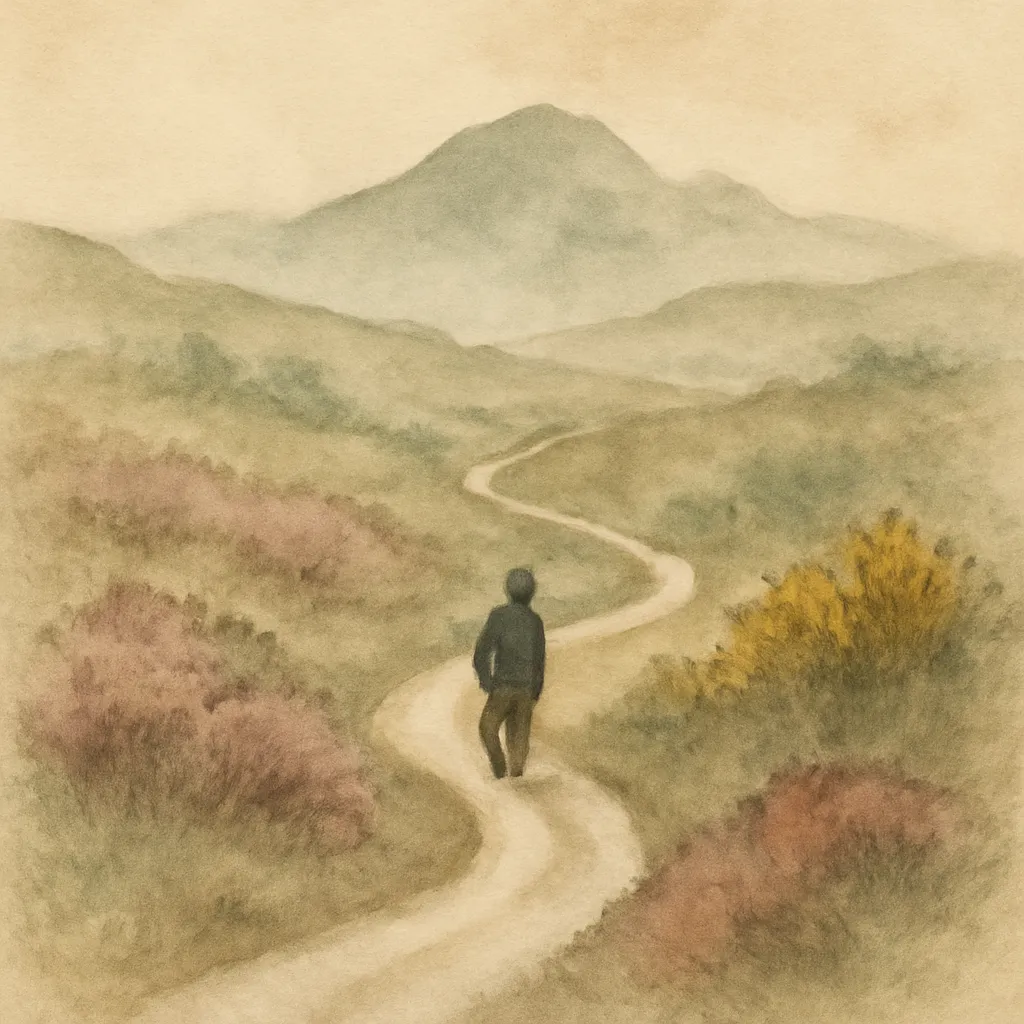
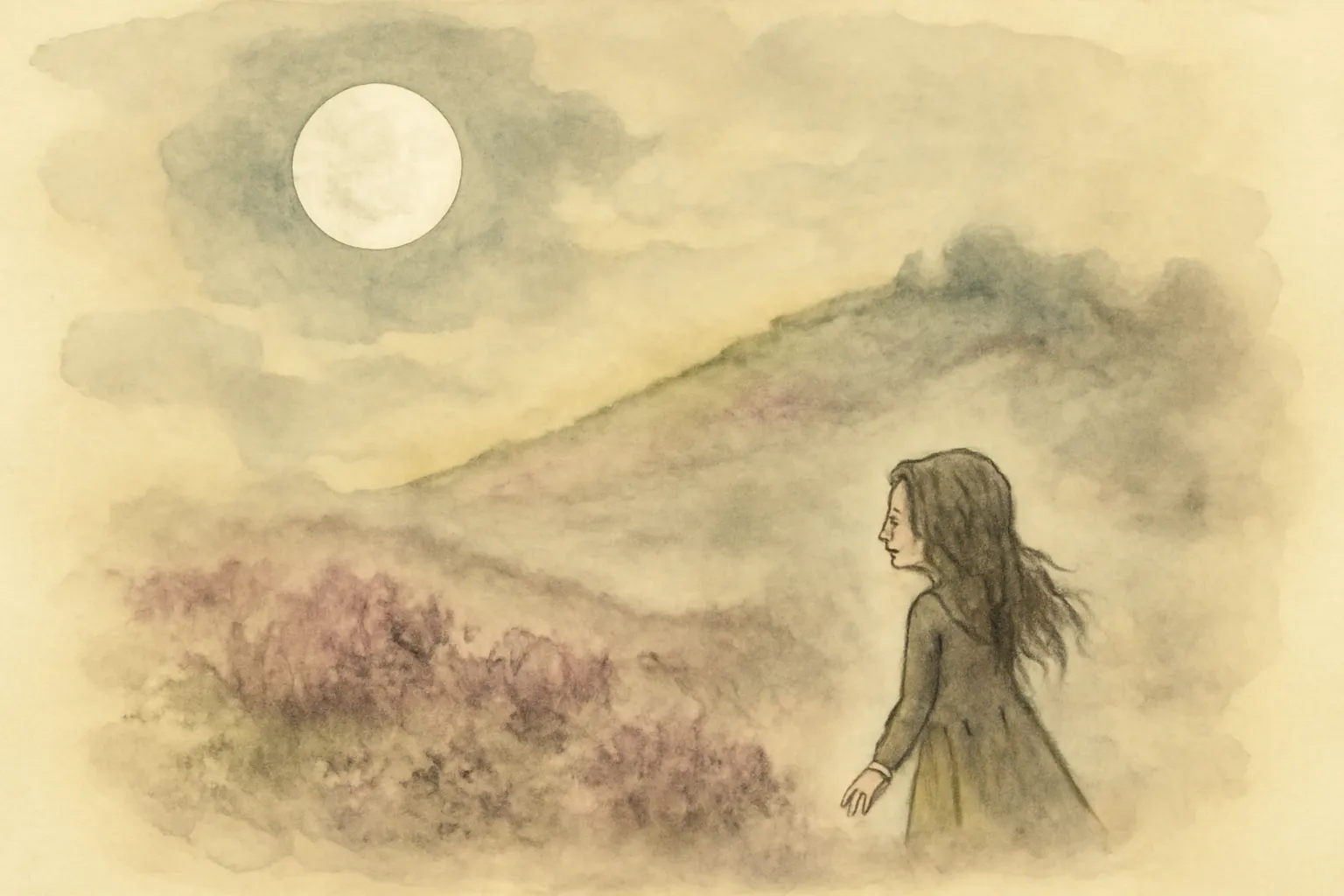
As Barrie embarks on her adventures, she undergoes significant self-discovery. Her travels through the Scottish landscape serve as a backdrop for her exploration of identity and belonging. The vibrant descriptions of moors, mountains, and valleys not only create a picturesque setting but also mirror Barrie's emotional landscape. Each experience shapes her understanding of herself and her desires, encouraging her to embrace her individuality. The contrasts between her idyllic visions of adventure and the harsh realities of life further enhance her character development. Through encounters with various characters, Barrie learns valuable life lessons that contribute to her growth. The narrative underscores the notion that self-discovery is an ongoing process, one that is fraught with uncertainty yet infinitely rewarding. Williamson effectively illustrates that the journey toward understanding oneself is as important as the destination, inviting readers to reflect on their own paths to self-realization.
6.The Role of Mentorship
Mr. Norman's mentorship plays a crucial role in Barrie's development as a writer and an individual. His genuine interest in her thoughts and feelings contrasts sharply with the dismissive attitudes of her family. This dynamic fosters a sense of validation in Barrie, empowering her to pursue her passions without fear of judgment. Mr. Norman serves as both a mentor and a catalyst for Barrie's creative awakening, guiding her to explore her potential. The relationship illustrates the profound impact that positive mentorship can have on a young person’s life. Through their interactions, Williamson emphasizes that mentors are not merely teachers but also guides who inspire and encourage their mentees to seek out their unique voices. This theme resonates with readers, as it highlights the importance of seeking out relationships that nurture creativity and self-expression, revealing how such connections can foster resilience and confidence.
7.Exploring the Theme of Home
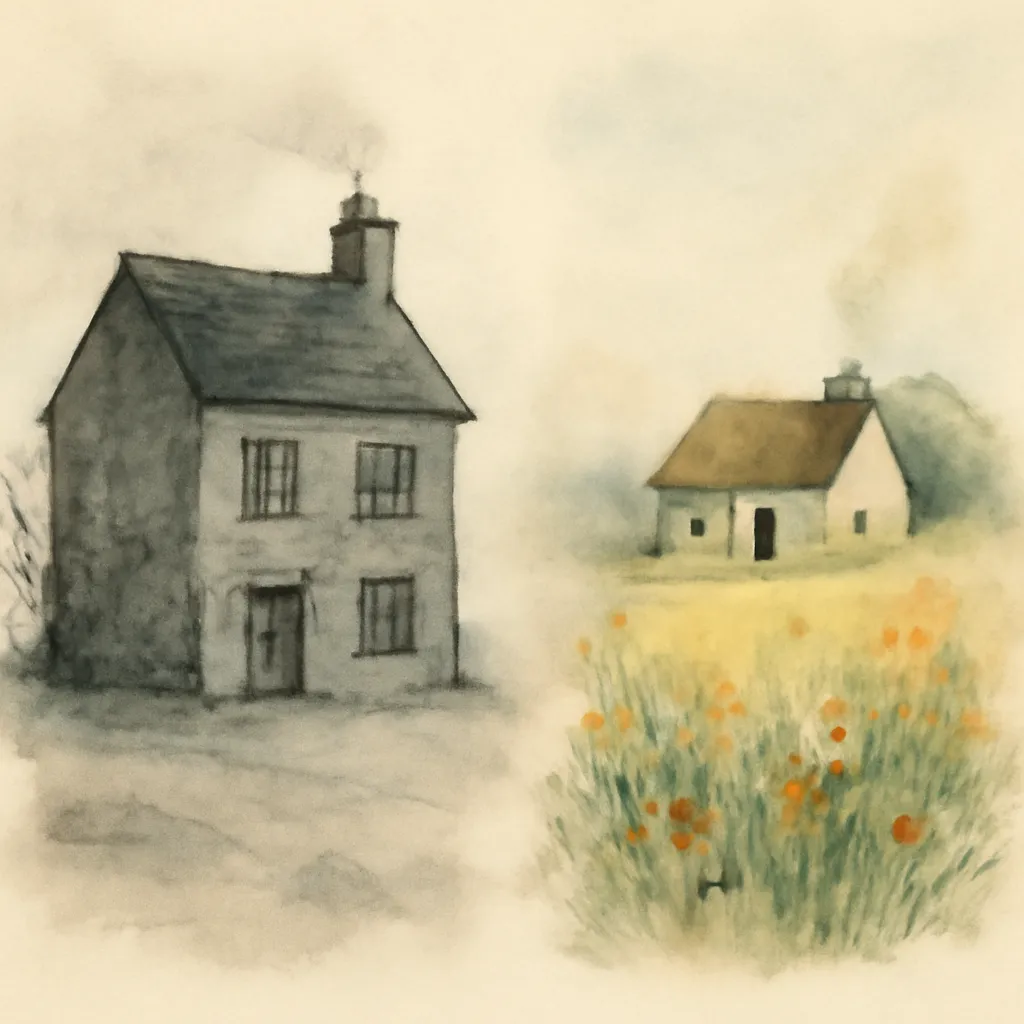
The concept of home is intricately woven throughout Barrie's journey. Initially, her home with her grandmother is depicted as stifling and devoid of warmth, a place where dreams are suppressed. However, as Barrie travels through Scotland, she begins to redefine what home means to her. The landscapes she encounters become symbolic of her evolving identity, challenging her initial perceptions of belonging. Instead of a physical space, home transforms into a feeling of connection and acceptance that she finds in various encounters. Williamson uses these transitions to illustrate how personal growth often requires re-evaluating one’s roots and understanding what truly makes a place feel like home. This theme resonates deeply, inviting readers to reflect on their own definitions of home and the emotional ties that bind them to places and people. Barrie's journey highlights that home is not necessarily where one comes from but where one feels most authentic and alive.
8.Navigating Societal Expectations
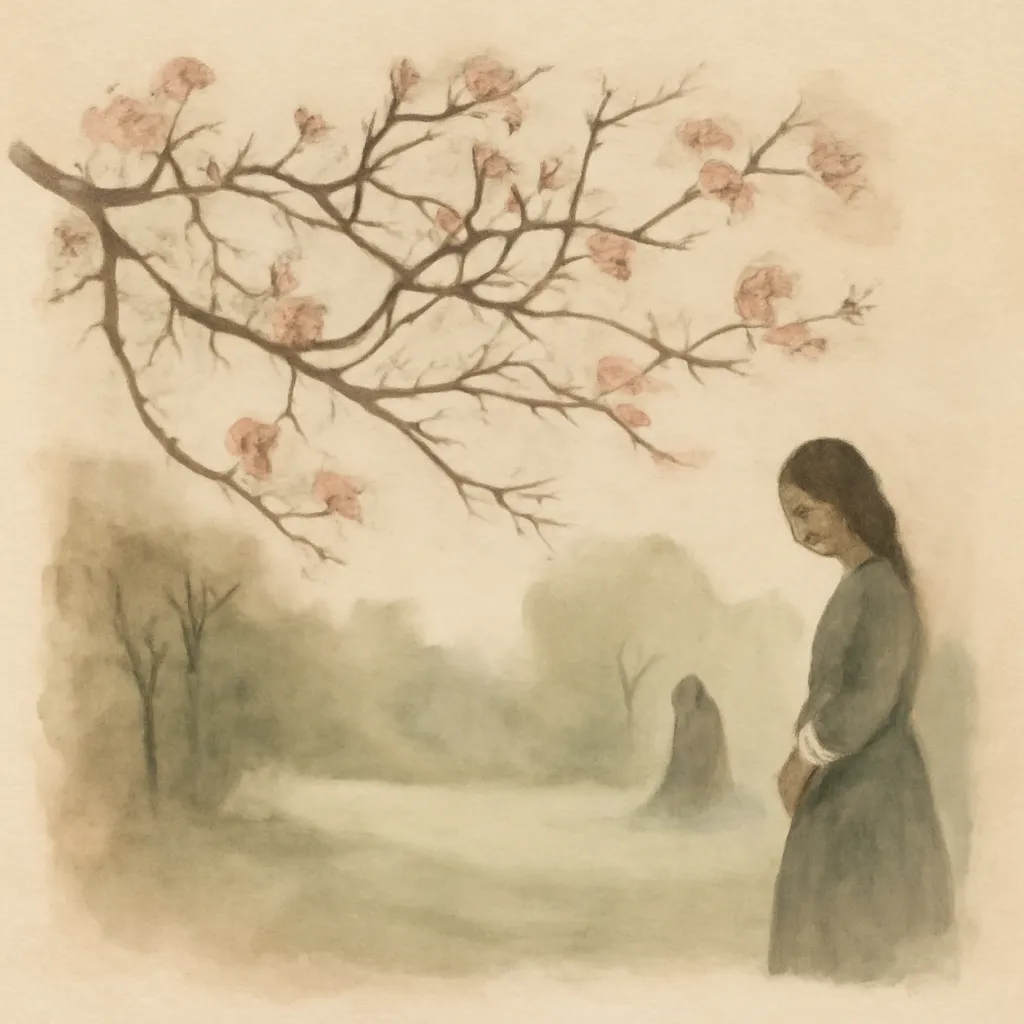
Barrie's internal conflict is largely shaped by the societal expectations imposed upon her as a young woman. Her grandmother embodies the traditional values that dictate how a girl should behave, leaving little room for individuality or self-expression. This societal pressure creates tension in Barrie's life as she grapples with her desires for adventure and romance. The narrative highlights the struggles faced by women in a patriarchal society, where their aspirations are often stifled by rigid norms. Williamson critiques these constraints through Barrie's rebellion against societal expectations, demonstrating the courage it takes to pursue one's dreams despite disapproval. The clashes between Barrie's aspirations and societal norms serve as a critical commentary on the limitations placed on women, emphasizing the importance of self-advocacy and the pursuit of one’s passions. Through Barrie’s journey, readers are inspired to challenge societal expectations in their own lives and embrace their unique paths.
9.The Beauty of Nature as a Catalyst

Nature plays a significant role in shaping Barrie's journey and self-discovery. The stunning Scottish landscapes serve not only as a backdrop but also as a catalyst for her emotions and experiences. Each new setting evokes a sense of wonder and possibility, encouraging Barrie to reflect on her life and aspirations. Williamson's rich descriptions create an immersive experience, allowing readers to feel the magic of the landscapes alongside Barrie. The beauty of nature contrasts with her earlier life, symbolizing freedom and the potential for growth. By immersing readers in these vivid scenes, the narrative reinforces the idea that nature can inspire creativity and introspection. Barrie's connection to the natural world becomes a source of strength, reminding her that there is beauty and adventure to be found beyond the confines of her grandmother’s home. This connection to nature invites readers to reflect on their own relationships with the world around them and how it influences their personal journeys.
10.The Impact of Friendship
Friendship emerges as a vital theme in Barrie's life, shaping her experiences and providing support in her quest for identity. Her interactions with Mr. Norman and Mrs. James illustrate the significance of companionship in navigating life's challenges. These friendships offer Barrie a sense of belonging and understanding, contrasting with the isolation she feels at home. The narrative emphasizes that true friends encourage one another to pursue their passions and dreams, fostering an environment where creativity can flourish. The dynamics of friendship explored in the book highlight the importance of reciprocity, trust, and emotional support. Barrie's friendships are instrumental in her emotional development, providing her with the confidence to explore new ideas and experiences. This theme resonates with readers, reinforcing the notion that meaningful relationships can profoundly impact one’s journey toward self-discovery.