1.The Awakening of Dark Forces
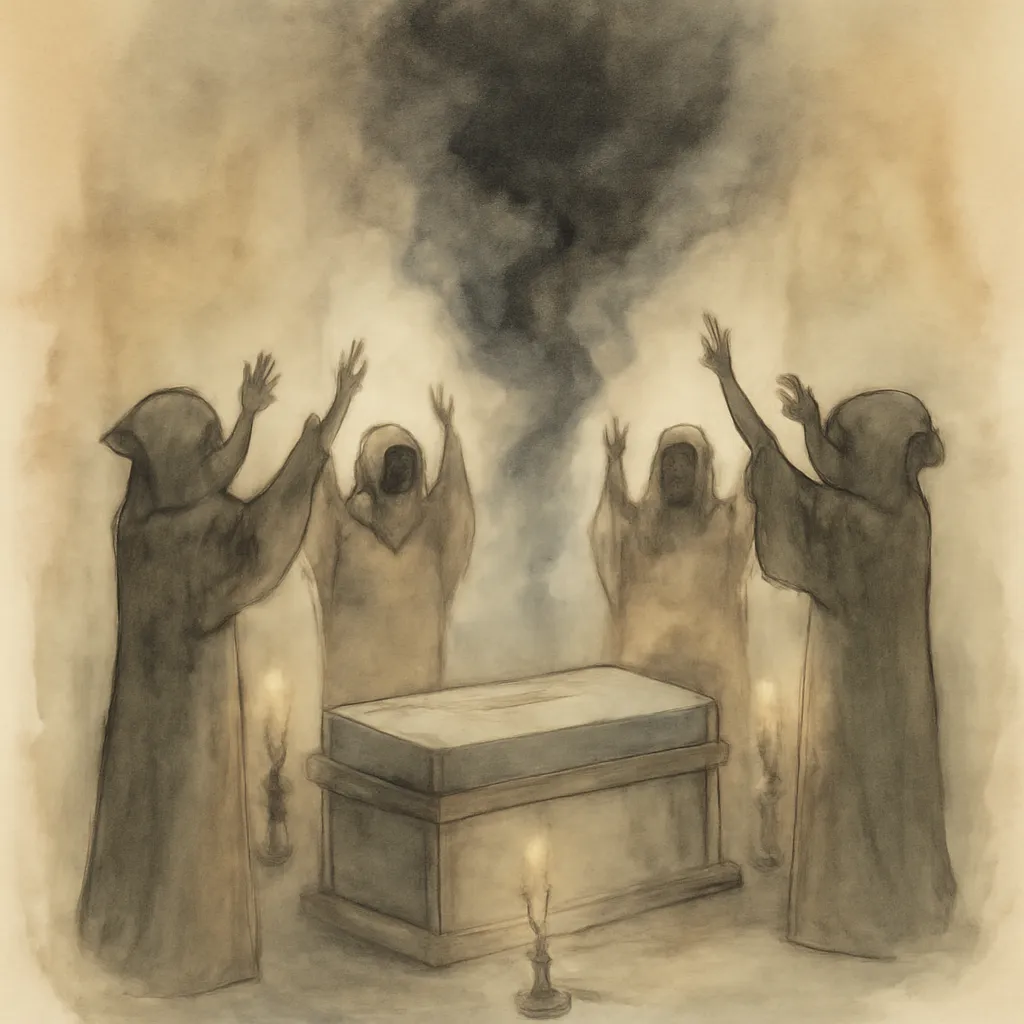
The story begins with a dark ritual that resurrects the sorcerer Xaltotun, who had been entombed for centuries. Four men, motivated by their ambition and thirst for power, invoke ancient magic to bring him back to life. This act serves as a catalyst for chaos, as Xaltotun seeks to reclaim his former glory and the throne of Aquilonia. The scene is set with eerie imagery, from the flickering candles to the ominous presence of the green sarcophagus, emphasizing the theme of dark forces at play. The resurrection of Xaltotun not only introduces a formidable antagonist but also sets the tone for the supernatural elements that will permeate the narrative. As the sorcerer’s dark magic spreads, it becomes a metaphor for corruption, showcasing how power can cause decay both in the individual and the society at large.
2.The Plague and the Fall of a King
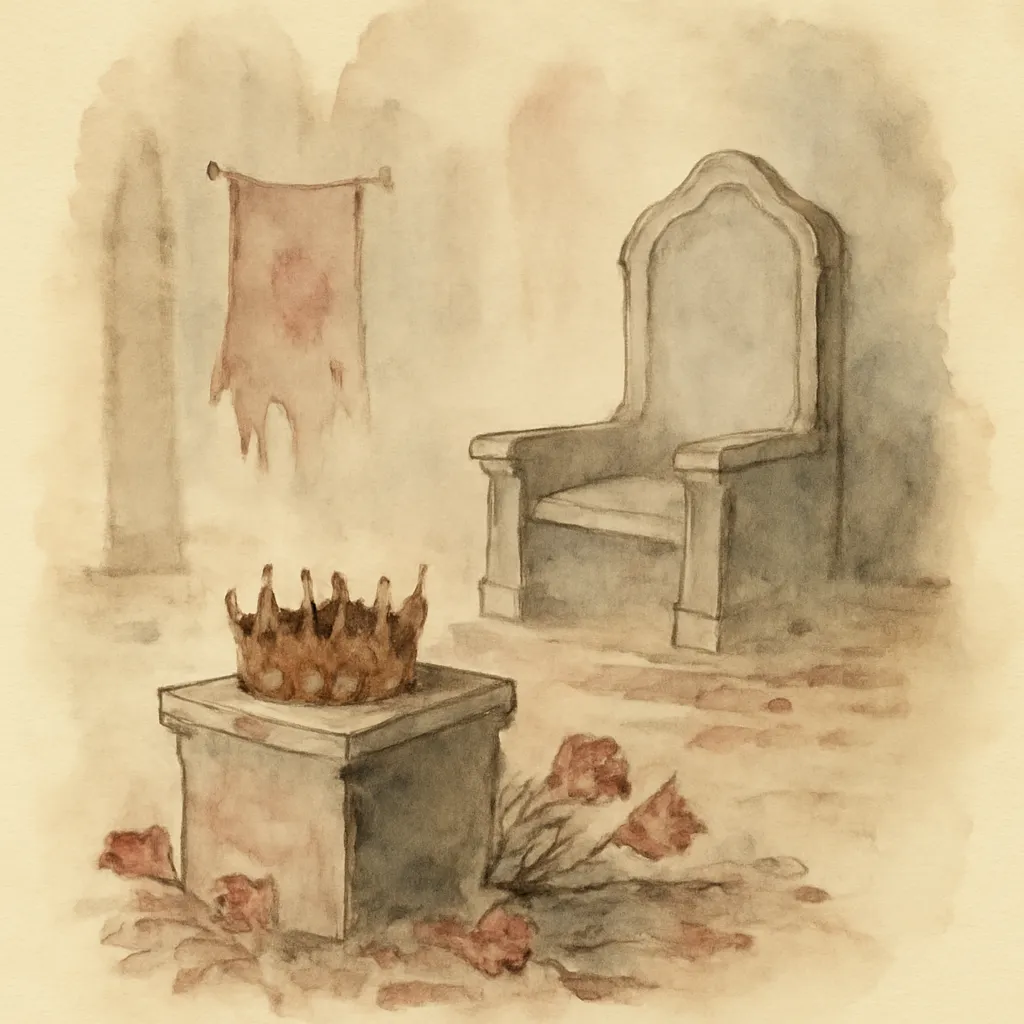
As the story unfolds, the kingdom of Aquilonia is beset by a devastating plague, believed to be a punishment from the gods for the sins of King Numedides. This catastrophic event reflects the fragility of power and the fickle nature of public favor. With the king and his sons dead, the throne falls to Tarascus, who is eager to exploit the chaos for his own gain. This transition of power highlights the theme of corruption and moral decay within leadership. The plague serves as a metaphor for the consequences of unchecked ambition and the moral failings of those in power, setting the stage for Conan's rise amidst the ruins of a fallen kingdom. Howard underscores that mere lineage does not guarantee a ruler’s fitness, as the populace is quick to turn against leaders who fail to uphold their responsibilities.
3.Conan's Transformation from King to Fugitive
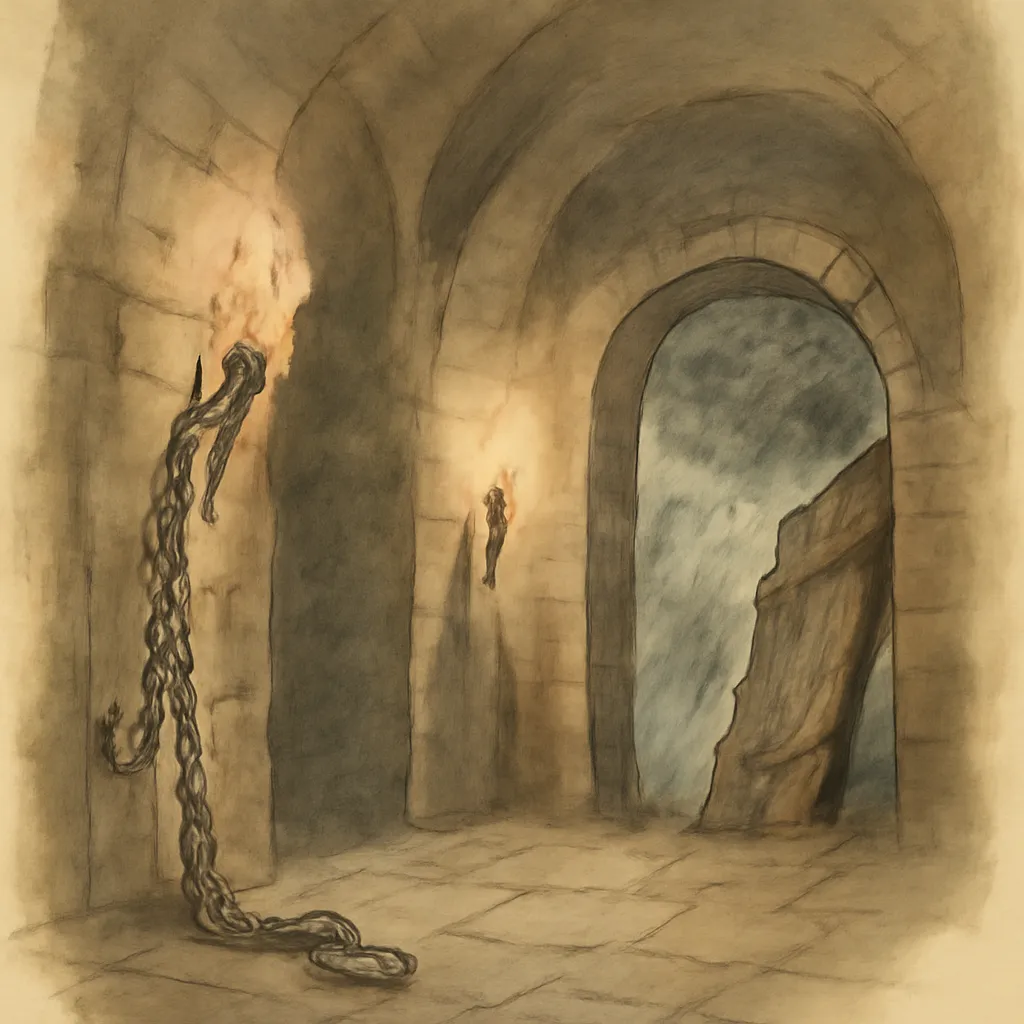
After the chaos of the plague and the subsequent power shift, Conan finds himself betrayed and imprisoned by those he once trusted. The narrative captures his transformation from a powerful king to a hunted fugitive, emphasizing the precariousness of power. As he navigates the treacherous landscape of betrayal, Conan's resilience and cunning come to the forefront. His imprisonment in the dark pits below the palace symbolizes the depths of despair he must overcome. This fall from grace not only adds depth to his character but also serves as a commentary on the volatility of power and the ever-present threat of betrayal. Howard effectively portrays Conan's internal struggle as he transitions from a ruler with authority to a man fighting for survival. His experiences remind readers that the journey to reclaim dignity and purpose is often fraught with peril, and that true leadership requires perseverance and adaptability in the face of adversity.
4.The Role of Women in Conan's Journey
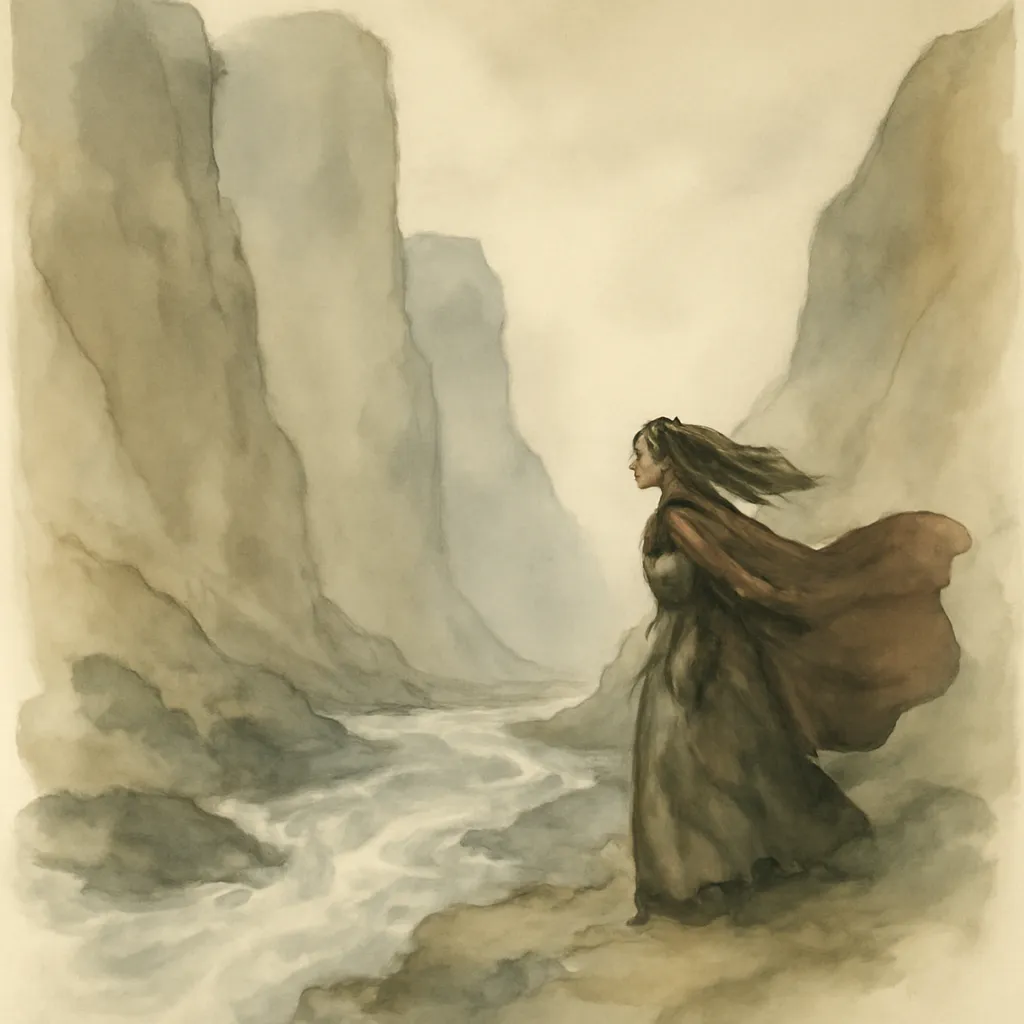
Throughout the narrative, women play pivotal roles in Conan's journey, notably the character of Zenobia, who aids him in his escape from captivity. Her strength and resourcefulness challenge traditional gender roles, showcasing women as active participants in the struggle for power. Zenobia’s character adds complexity to the narrative, as she embodies both vulnerability and strength. This dynamic between Conan and Zenobia illustrates the theme of partnership in the face of adversity. Their relationship is not merely one of dependence but rather a collaboration that highlights the necessity of allies in a world fraught with danger. Howard's depiction of female characters in positions of influence, such as Zenobia's cunning actions in the face of peril, transforms the narrative from a simple hero's quest into a multifaceted exploration of strength and cooperation. Zenobia’s determination and tactical acumen play a significant role in aiding Conan, further emphasizing that heroism is not limited to traditional male archetypes.
5.The Nature of Evil: Xaltotun and Dark Sorcery
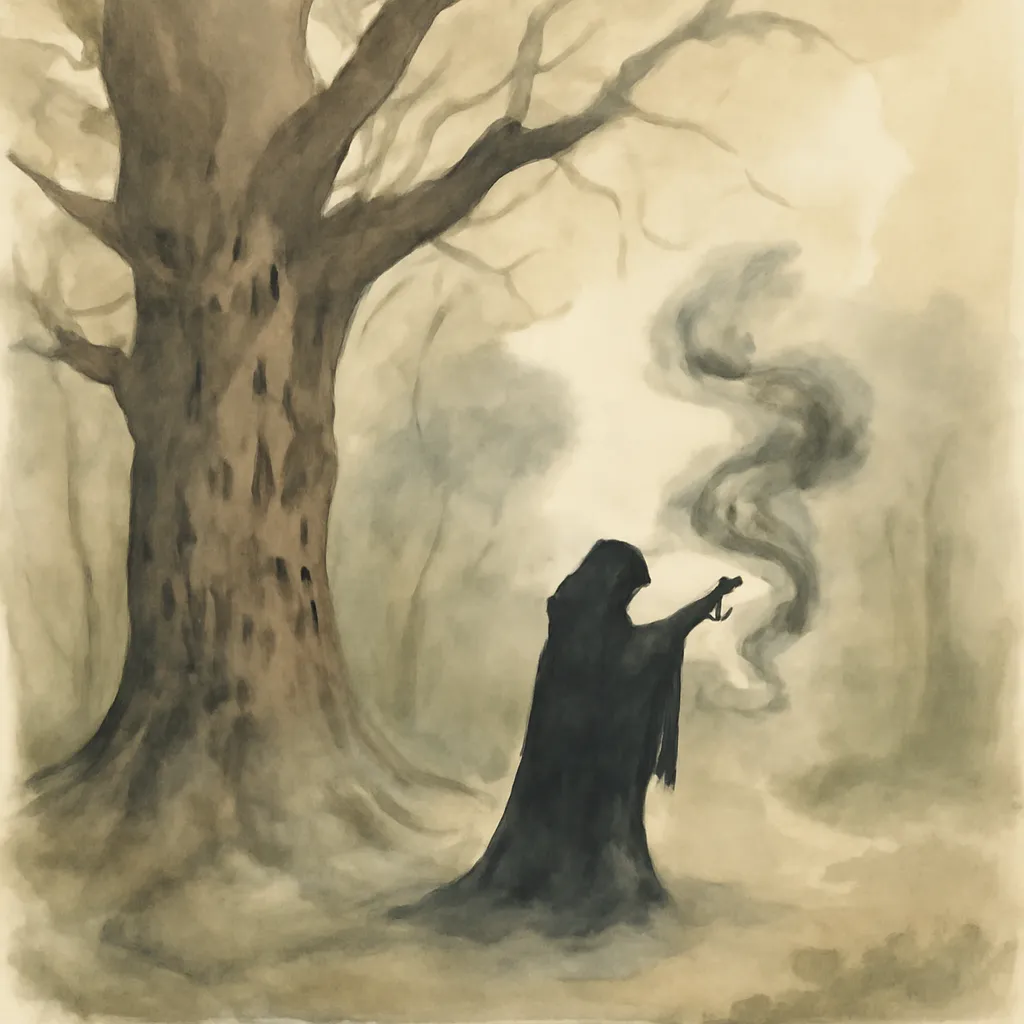
Xaltotun represents the embodiment of evil, wielding dark magic that threatens to engulf Aquilonia. His character serves as a reminder of the destructive potential of unchecked ambition and the allure of power. The sorcerer’s machinations are not merely personal but have far-reaching consequences for the kingdom and its people. Howard's portrayal of Xaltotun's dark sorcery emphasizes the theme of good versus evil, where Conan must confront not only a physical adversary but also the insidious nature of corruption. This battle against dark forces underscores the moral complexities of power and the constant struggle against tyranny. The sorcerer's ability to manipulate events from the shadows illustrates how evil can infiltrate society, leading to devastating consequences for those who are not vigilant against such forces. Howard deftly illustrates that the greatest threats often come not just from swords and armies, but from the darkness that resides within individuals seeking power at any cost.
6.The Epic Battles: Strategy and Valor
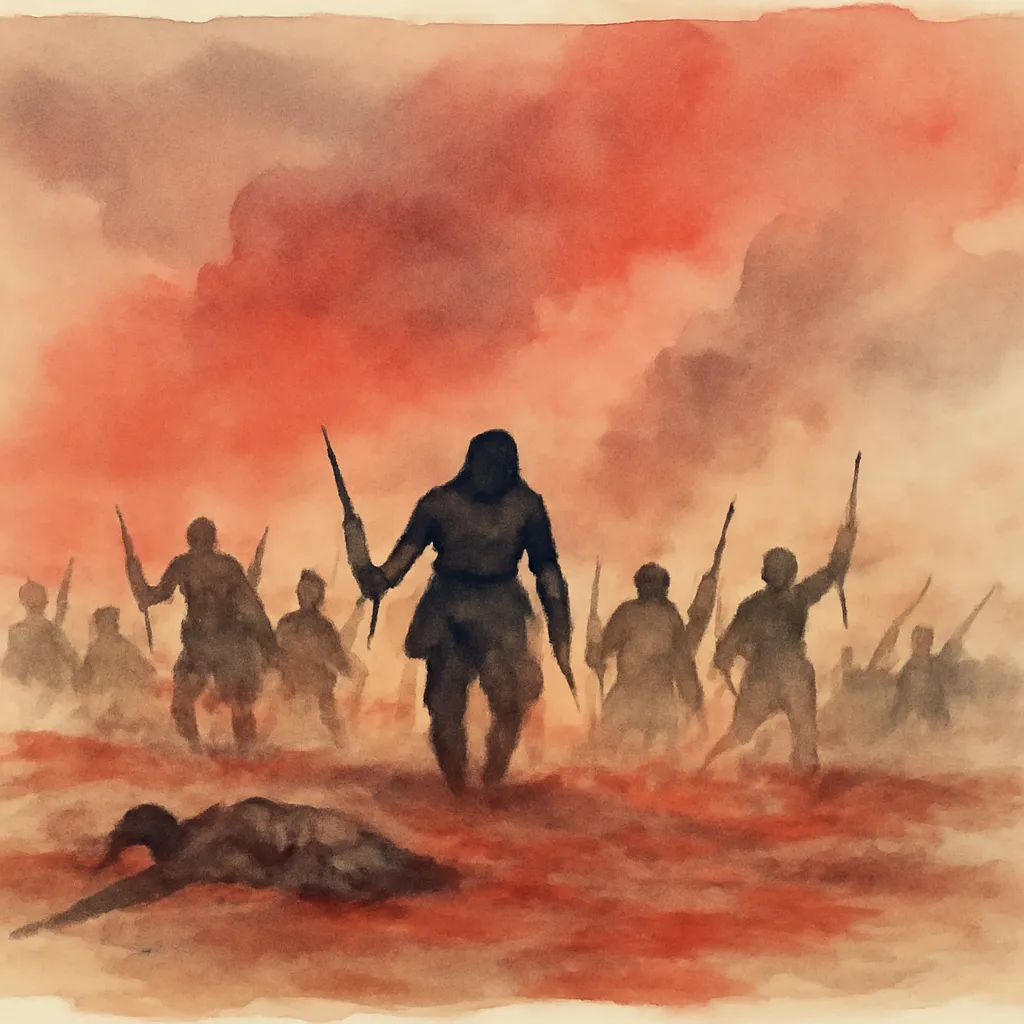
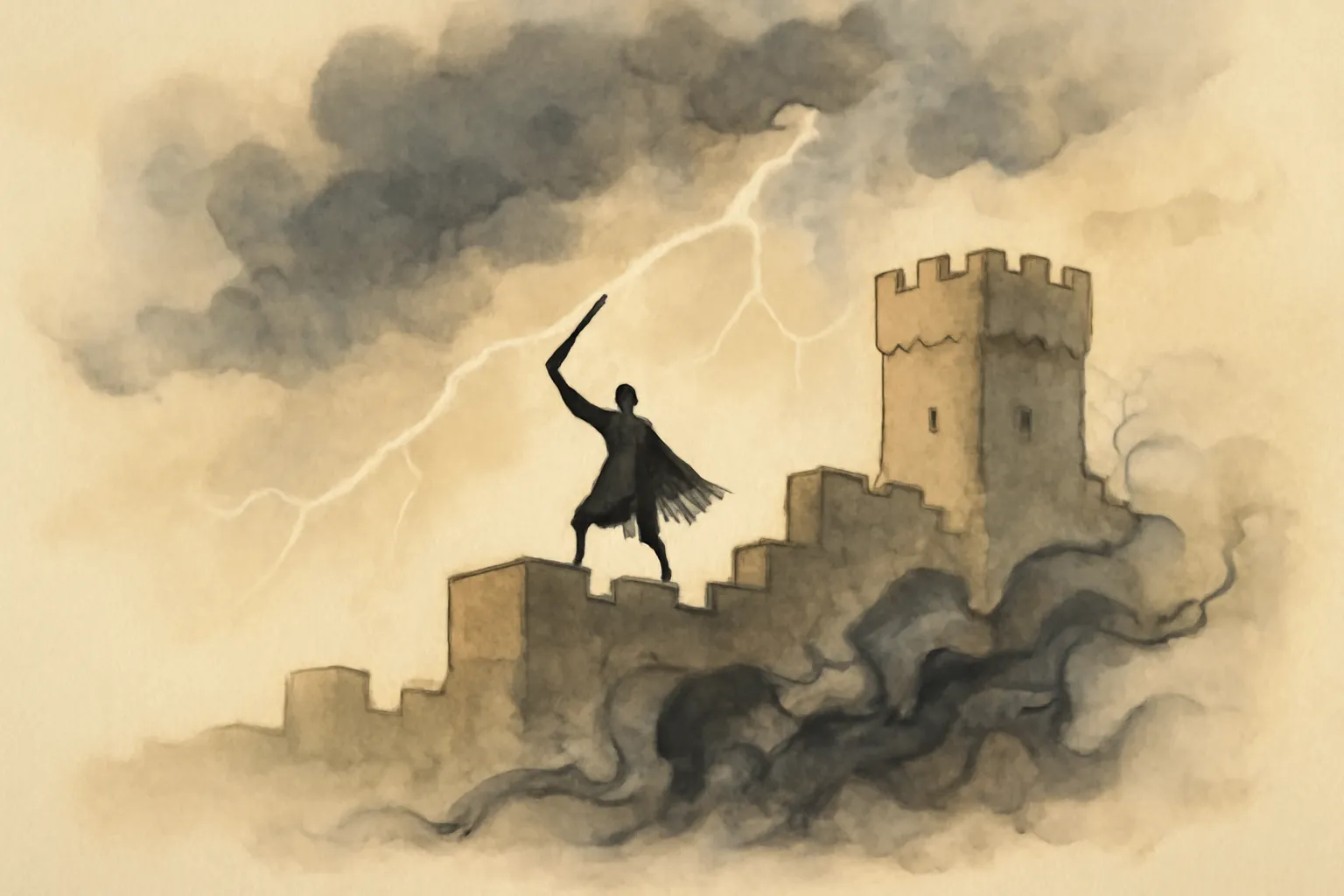
The narrative features several epic battles that highlight Conan's strategic prowess and combat skills. From the initial clash with Tarascus's forces to the final confrontation with Xaltotun, these battles are characterized by their intensity and the stakes involved. Howard meticulously details the formations, the clash of steel, and the chaos of war, immersing readers in the visceral experience of battle. Conan's leadership and tactical decisions reflect his growth as a character, transitioning from a lone warrior to a king rallying his people against a common foe. These battles are not merely physical confrontations but symbolize the larger struggle for justice and freedom. The way in which Conan adapts to the evolving battlefield conditions and utilizes the strengths of his allies underscores the importance of unity and collaboration in achieving victory. Howard’s vivid depictions of battle scenes serve to reinforce the idea that valor is often found in the most desperate of circumstances, as Conan leads his troops with both instinct and intellect, ensuring that brute strength is complemented by strategic thinking.
7.The Power of Loyalty and Betrayal
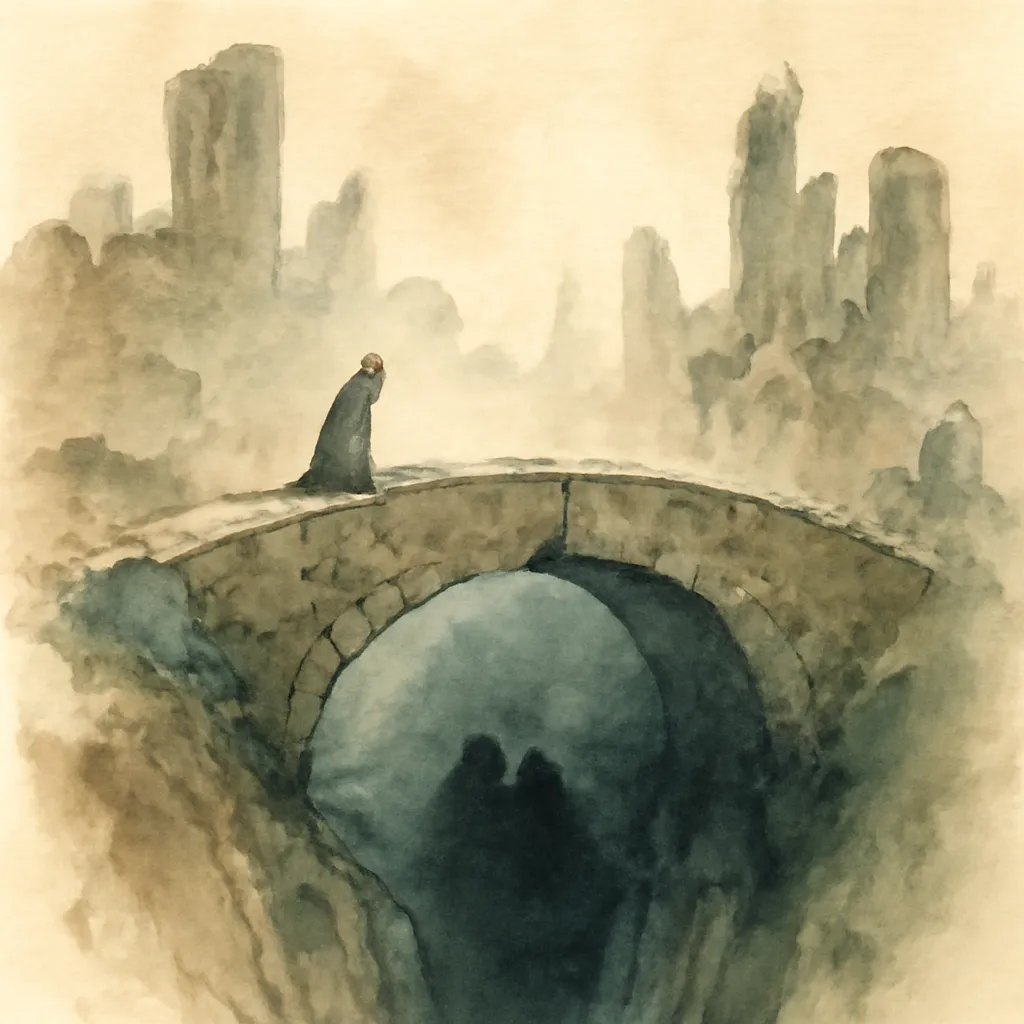
Loyalty and betrayal are central themes that permeate the narrative, affecting the fate of characters and the kingdom itself. Conan's relationships with his allies, such as Servius and Zenobia, are tested by treachery and shifting allegiances. The narrative illustrates how loyalty can be both a source of strength and a vulnerability. Betrayals often come from unexpected sources, highlighting the unpredictable nature of trust in a world filled with ambition and greed. The tension between loyalty and betrayal is exemplified during pivotal moments, such as when trusted allies turn on Conan, forcing him to continuously reassess who he can trust. Howard weaves these themes throughout the story, demonstrating that loyalty is a double-edged sword that can lead to either triumph or ruin, and ultimately shapes the destinies of the characters involved. This exploration of trust within the framework of power dynamics reinforces the idea that in times of upheaval, loyalties are tested and can shift with alarming speed, reinforcing the theme of survival amidst chaos.
8.The Quest for Identity and Legacy
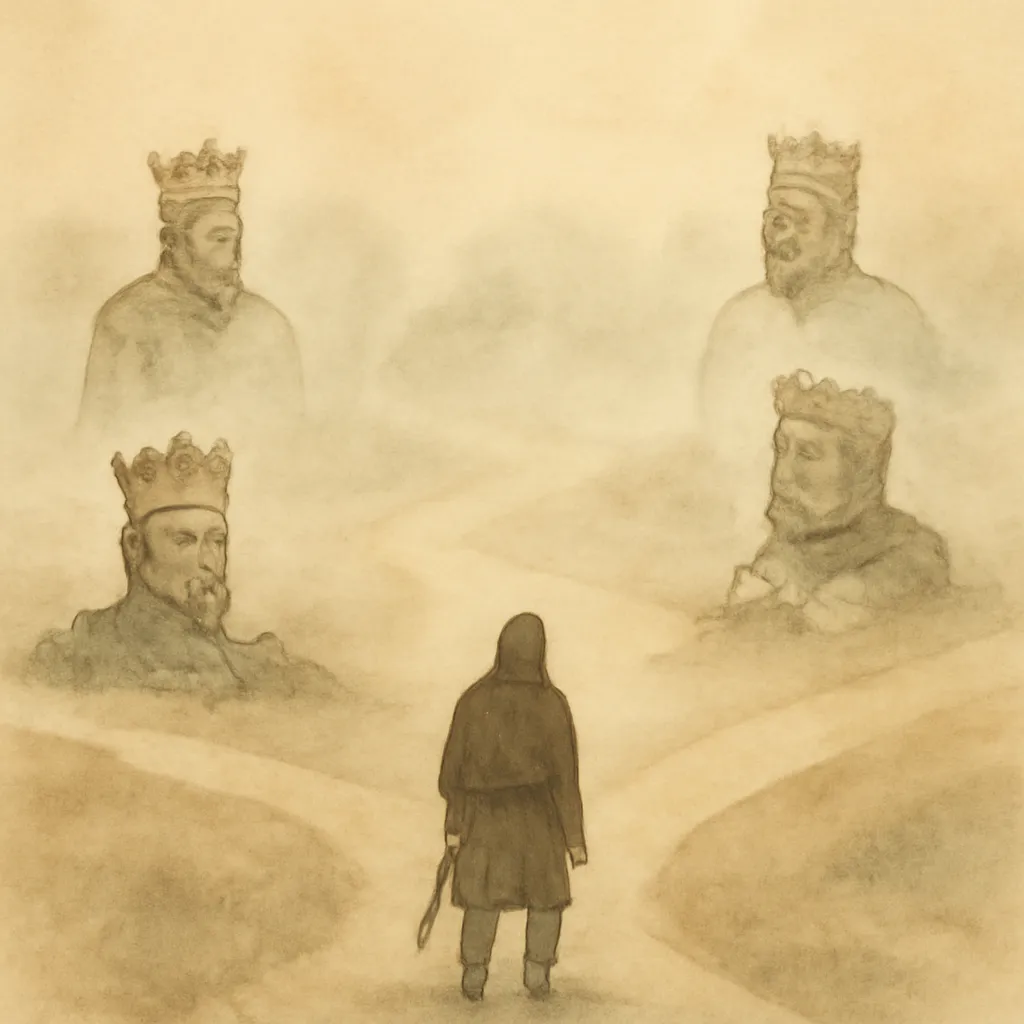
As Conan navigates the treacherous waters of politics and warfare, he grapples with questions of identity and legacy. His journey reflects a search for meaning beyond mere survival; it is about reclaiming his place in a world that has changed dramatically. The narrative explores the complexities of leadership and the burden of legacy, as Conan must confront the expectations placed upon him as a king. This quest for identity is not just personal but also symbolic of the broader struggles faced by those in power. Howard's exploration of these themes adds depth to Conan's character, making him relatable to readers who understand the weight of their own legacies. The interplay between Conan's personal aspirations and the need to fulfill his role as a ruler reveals the profound internal conflict that accompanies leadership, resonating with anyone who has faced the pressures of responsibility. This aspect of the narrative underscores the importance of self-discovery in the journey toward self-actualization, suggesting that true leadership involves understanding one’s own values and principles.
9.The Final Confrontation: Triumph and Sacrifice
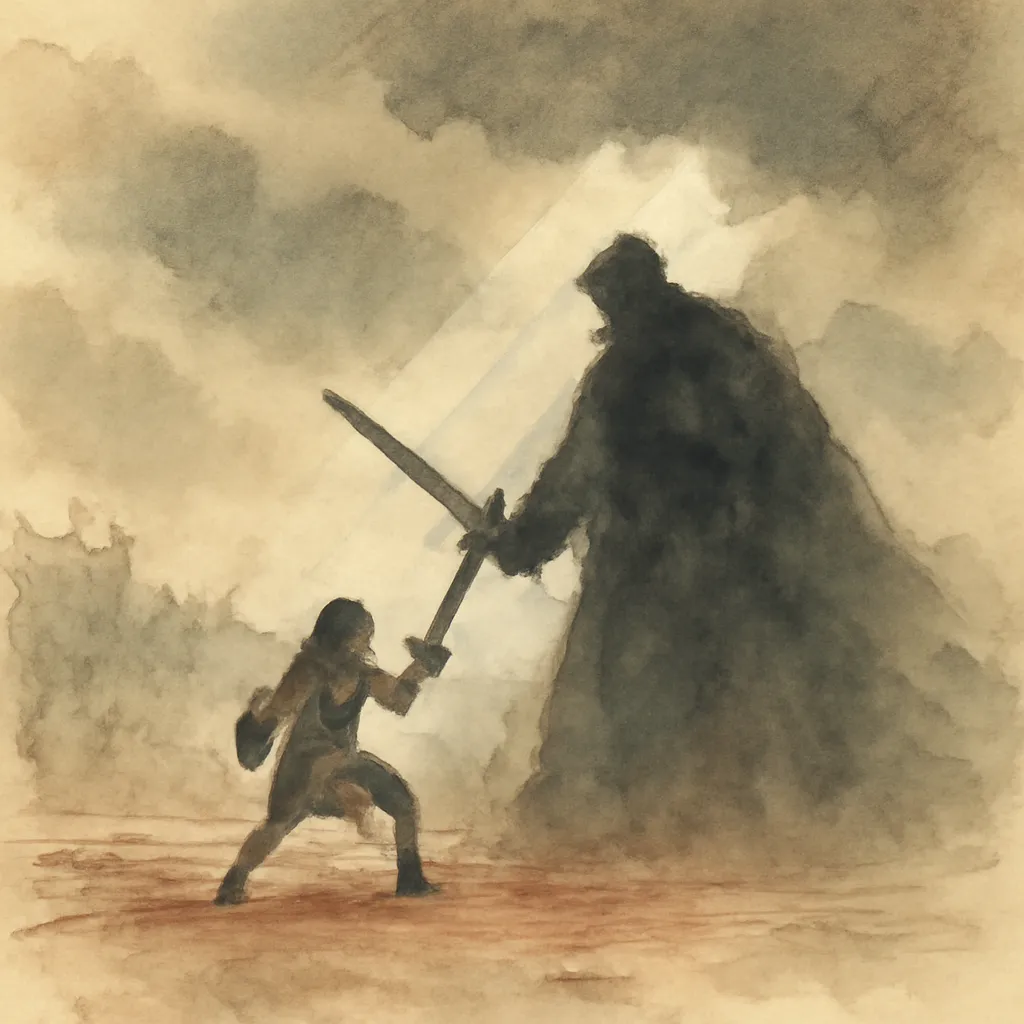
The climax of the story culminates in a final confrontation between Conan and Xaltotun, where themes of sacrifice and redemption come to the forefront. This battle is not just a physical struggle but a test of Conan's resolve and character. The stakes are raised as the fate of Aquilonia hangs in the balance, forcing Conan to confront not only his enemy but also his own fears and doubts. The resolution of this conflict serves as a powerful commentary on the nature of heroism, where triumph comes at a cost. Howard masterfully blends action with emotional depth, creating a satisfying conclusion that resonates with readers. The sacrifices made by characters throughout the narrative underscore the idea that true heroism is often accompanied by personal loss, highlighting that the path to victory is fraught with hardship. This final confrontation encapsulates the essence of the struggle between light and darkness, reminding readers that redeeming one's self and one's kingdom often requires great personal sacrifices, and that true strength lies in the willingness to fight for what is right.