1.The Power of Premonition
The narrative begins with John Trenholme experiencing an unsettling premonition on a seemingly ordinary June morning in 1912. This foreshadowing hints at the darker events to come, suggesting that premeditated crime can indeed cast a shadow on the minds of those sensitive to its presence. Trenholme's awakening to the sun's rays symbolizes a moment of innocence that is soon to be shattered by the harsh realities of murder. This theme of premonition resonates throughout the story, as characters grapple with their own forebodings and the consequences of their actions. The notion that we can sometimes sense impending doom adds a layer of psychological depth to the narrative, inviting readers to consider how intuition can guide or mislead us. The exploration of premonition sets the stage for a story that weaves through various perspectives, ultimately questioning the very fabric of human foresight and its implications on personal responsibility.
2.A Murder Unfolds
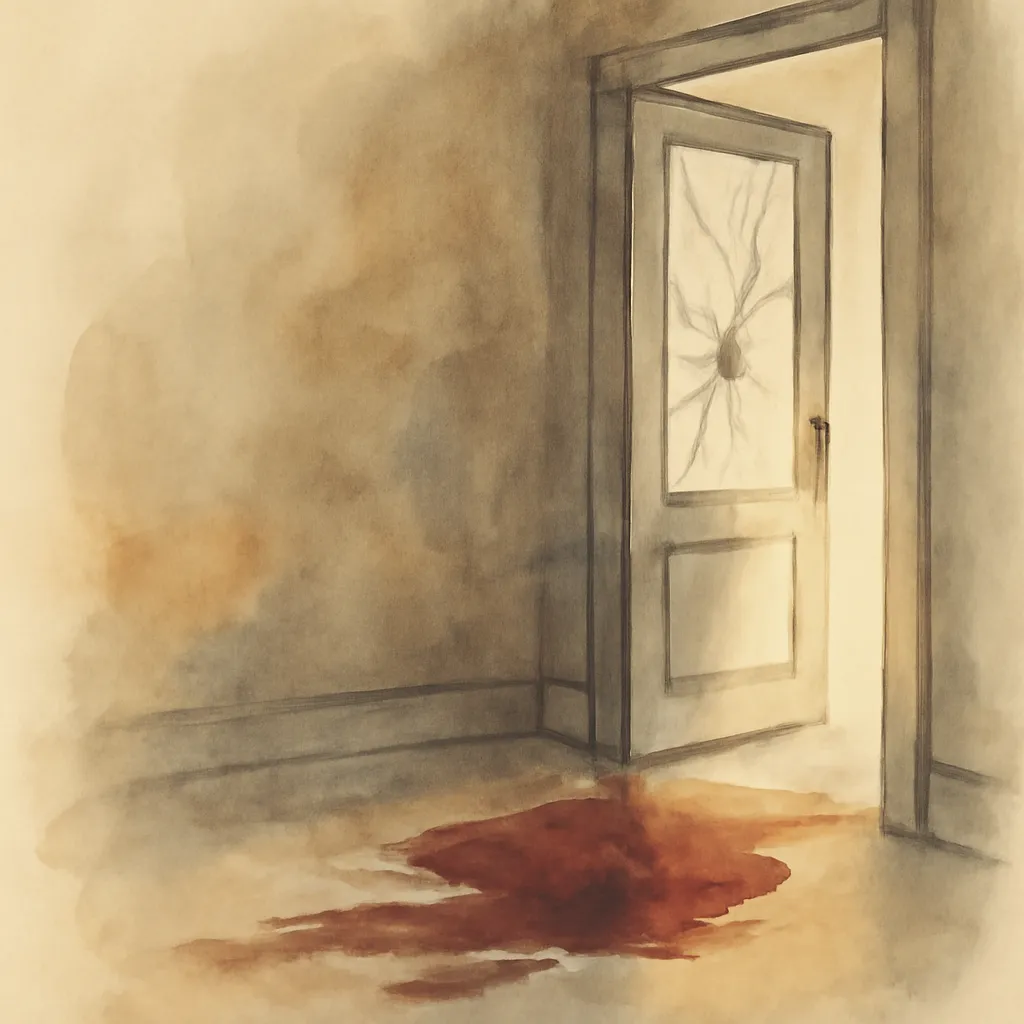
Mortimer Fenley’s murder at his doorstep is the catalyst that sets the story in motion. The shock of his death reverberates through the community, and the initial reaction of those present is a mix of confusion and disbelief. The police investigation, led by Superintendent James Leander Winter, showcases the procedural aspects of crime-solving during this era, highlighting the challenges of gathering evidence and piecing together the timeline of events. The fact that the murder weapon—a rifle—was fired from a nearby wood complicates matters, as the suspect could have easily escaped unnoticed. This initial chaos reflects the broader theme of how violence disrupts the fabric of society, forcing individuals to confront uncomfortable truths about themselves and their relationships. Tracy's depiction of the immediate aftermath underscores the psychological impact of sudden violence on witnesses and loved ones, compelling readers to reckon with the fragility of life and the unpredictable nature of human existence.
3.Family Secrets and Rivalries
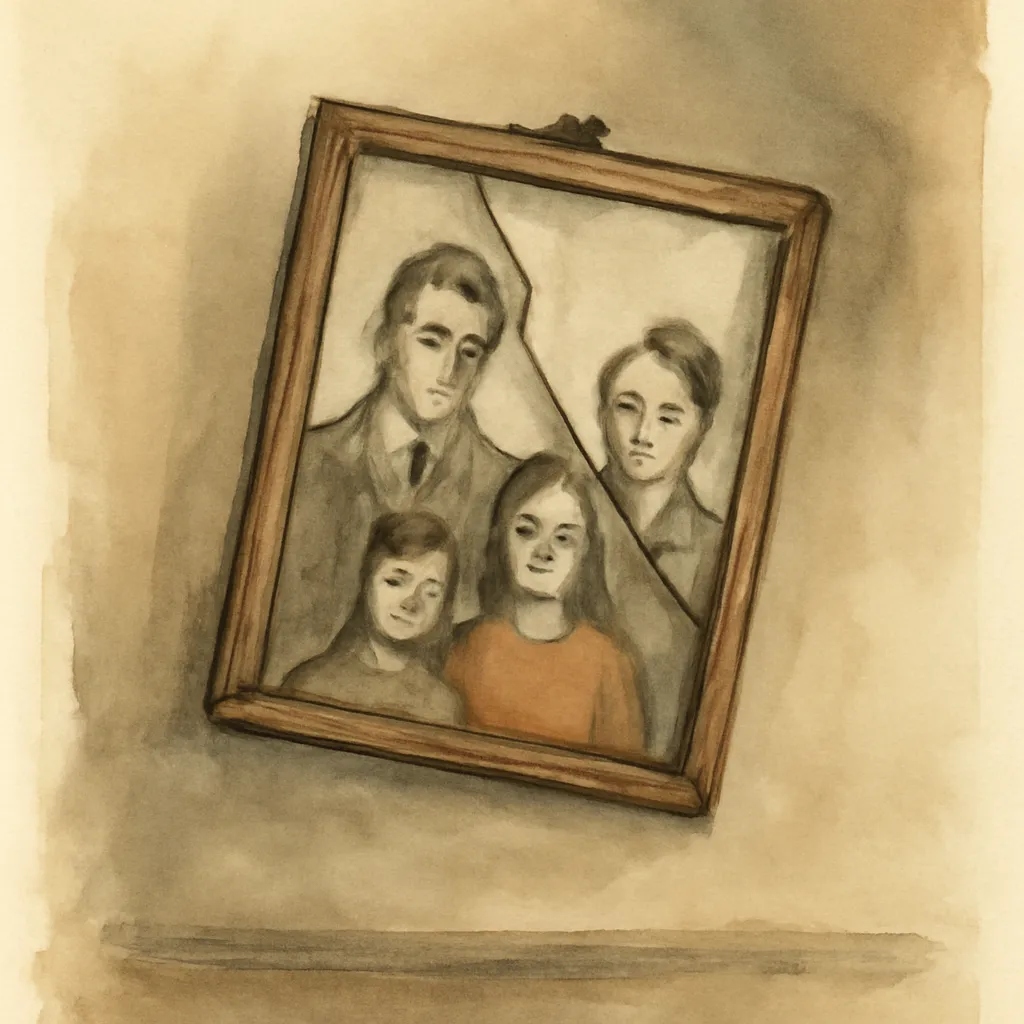
As the investigation unfolds, the Fenley family dynamics come to the forefront, revealing deep-seated rivalries and secrets that complicate the murder case. Hilton Fenley, Mortimer's son, is portrayed as a fragile and neurotic character, struggling with the weight of his father's legacy and the implications of the crime. The revelation of a dispute between Mortimer and his other son, Robert, adds layers to the story, suggesting that familial tensions may have played a role in the murder. Robert's entanglement with a married woman and Hilton’s mental state serve as critical points of conflict, illustrating how unresolved issues can lead to tragic outcomes. The exploration of family secrets highlights how hidden resentments and the pressure of familial expectations can spiral into violence. This complexity encourages readers to reflect on the nature of loyalty and betrayal, prompting a broader examination of how familial bonds shape individual identities and life choices, often with dire consequences.
4.The Role of Art in Truth-Seeking

John Trenholme, an artist by profession, finds himself drawn into the investigation not only as a witness but also as a participant in a larger narrative about truth and perception. His artistic sensibilities allow him to perceive details that others might overlook, and his sketches become a pivotal part of the evidence. The interplay between art and crime in the story underscores the idea that creativity can serve as a lens through which to view reality. Trenholme's sketches, especially one of Sylvia Manning, serve as both a literal and metaphorical representation of the beauty and tragedy intertwined in the lives of the characters. The artist's perspective invites readers to consider how art can reveal deeper truths about human nature and the world around us. Additionally, art becomes a means of emotional expression, highlighting the need for individuals to grapple with their circumstances through creative outlets. Tracy's integration of art within the narrative illustrates its power to bridge the gap between perception and reality, challenging characters and readers alike to seek their truths in a world rife with deception.
5.The Investigation Process

The procedural elements of the investigation are meticulously detailed, showcasing the methods employed by Scotland Yard detectives. Superintendent Winter and Inspector Furneaux represent the diligent pursuit of justice, navigating the complexities of evidence collection and witness testimony. Their interactions with local law enforcement and the Fenley family illustrate the challenges faced by detectives in piecing together a coherent narrative from fragmented accounts. The investigation process serves as a reflection of societal norms and expectations of the time, emphasizing the importance of discretion and professionalism in handling high-profile cases. The detectives’ strategic approach to gathering evidence and interviewing suspects underscores the often tedious and methodical nature of criminal investigations, revealing how patience and perseverance are crucial to uncovering the truth. Tracy’s depiction of the detectives’ methods lends authenticity to the narrative, immersing readers in the world of early 20th-century crime-solving while also critiquing the limitations of contemporary investigative techniques.
6.The Intersection of Class and Crime

Tracy's narrative also delves into the themes of class and privilege, particularly in how the Fenley family navigates their societal status in the wake of tragedy. Mortimer Fenley, as a banker, represents the upper echelons of society, and his murder exposes the vulnerabilities that come with wealth and power. The reactions of the community, as well as the media's portrayal of the crime, reflect the class dynamics at play. The tension between the Fenleys and the local constabulary underscores the often fraught relationship between the elite and law enforcement. This exploration of class distinctions adds a layer of social commentary, prompting readers to reflect on how privilege can both protect and isolate individuals in times of crisis. Tracy illustrates that crime does not discriminate; it can infiltrate the lives of the wealthy just as easily as those of the impoverished, challenging the notion that social status can safeguard one from the darker aspects of human nature. This commentary on class further invites readers to contemplate the moral implications of wealth and how it can distort perceptions of justice and accountability.
7.Psychological Depth of Characters
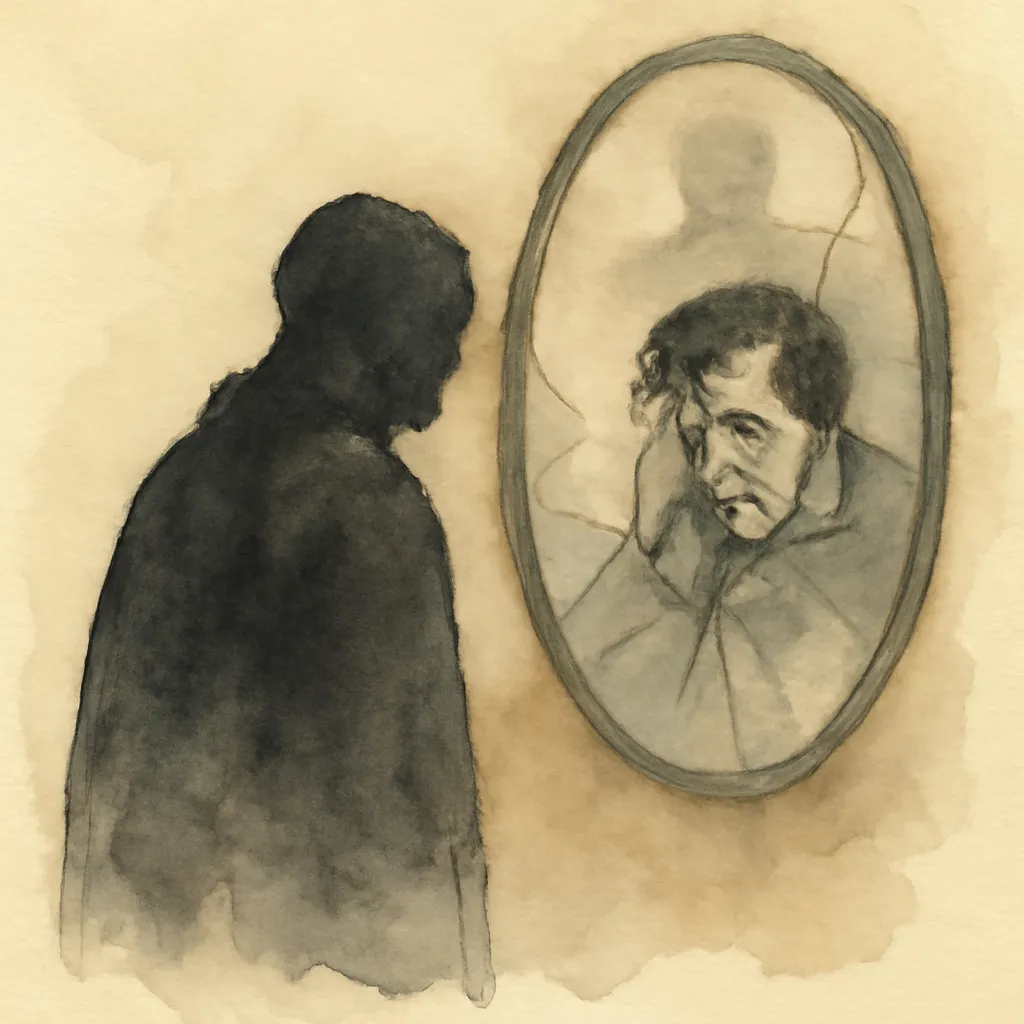
The characters in 'The Strange Case of Mortimer Fenley' are richly drawn, with psychological complexities that elevate the narrative beyond a simple whodunit. Robert Fenley, for instance, is portrayed as a man grappling with his own demons, torn between familial expectations and personal desires. His infatuation with a married woman reveals the internal struggles that plague him, making him a more sympathetic character despite his flaws. Similarly, Hilton's neurotic tendencies provide insight into the impact of parental relationships on mental health. The characterization of Sylvia Manning also adds depth, as her interactions with Trenholme reveal her own vulnerabilities and desires. Tracy's ability to weave psychological depth into his characters enriches the narrative, allowing readers to connect with their struggles and motivations on a more profound level. This exploration of character psychology not only enhances the emotional stakes of the story but also raises questions about the nature of influence and the ways in which our relationships shape our identities. The intricacies of character development invite readers to empathize with their journeys, fostering a greater understanding of the human experience.
8.The Complexity of Guilt

Guilt is a pervasive theme throughout the novel, manifesting in various forms among the characters. John Trenholme grapples with feelings of impotence after witnessing the crime yet being unable to intervene. This emotional turmoil reflects a broader exploration of how individuals respond to guilt—whether through action, inaction, or denial. The Fenley family, too, is burdened by guilt stemming from their complicated relationships and the secrets they harbor. Each character’s relationship with guilt reveals their moral compass and the weight of their decisions, influencing their actions as the investigation progresses. For example, Robert’s guilt over his affair and the potential implications it has on his family dynamics adds layers to his character. Tracy’s portrayal of guilt invites readers to consider the moral implications of their choices and the weight of conscience in the face of wrongdoing. The exploration of guilt not only serves as a psychological undercurrent but also enhances the narrative’s tension, as characters confront their pasts while seeking redemption in a world fraught with moral ambiguity.
9.The Climactic Confrontation
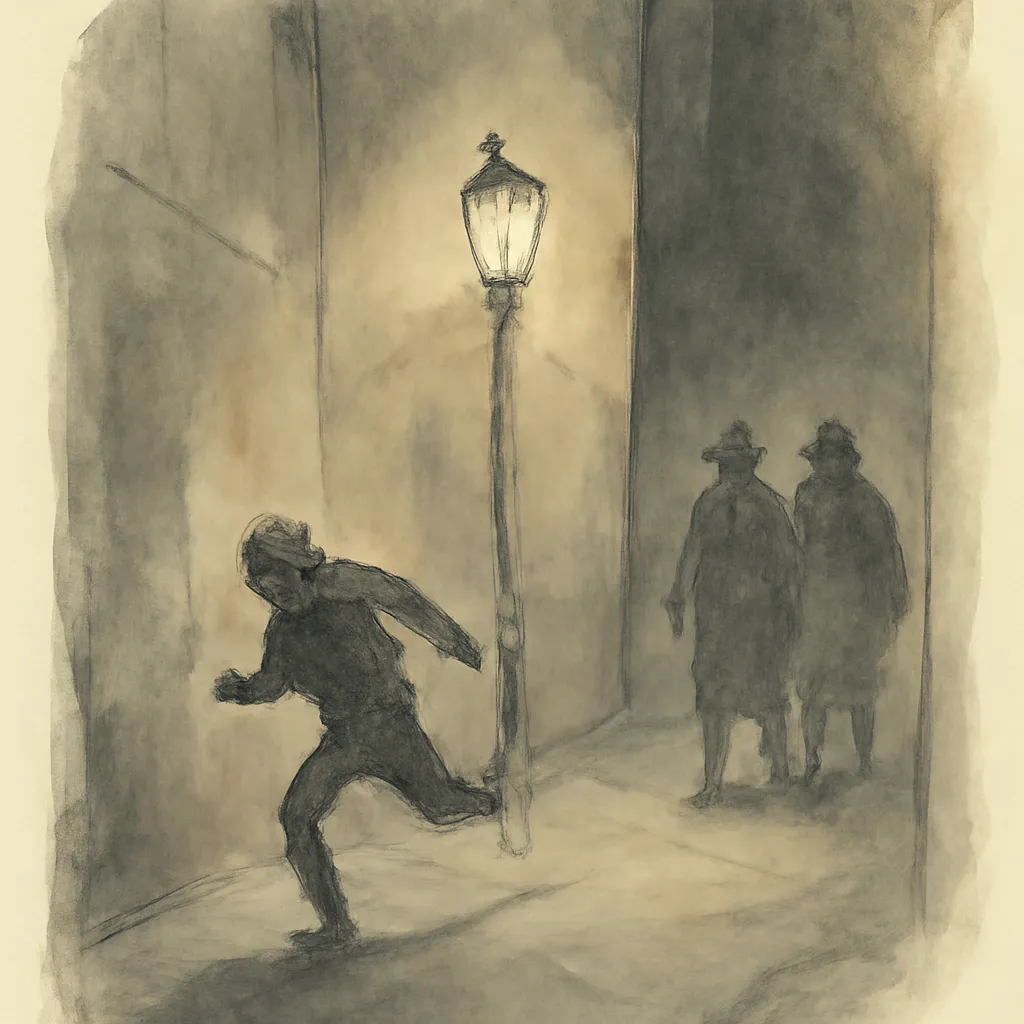
The climax of the story builds towards a tense confrontation between the detectives and the fleeing suspect, Robert Fenley. The chaotic scene unfolds as Robert attempts to evade capture, showcasing the desperation that accompanies guilt and fear. This moment serves as a culmination of the narrative's tension, revealing the lengths to which individuals will go to protect themselves when confronted with the consequences of their actions. The physical struggle between Robert and the detectives symbolizes the broader conflict between justice and evasion, illustrating how crime can lead to a cycle of violence and retribution. As the tension escalates, the characters’ motivations and fears come to light, allowing readers to witness the moral and ethical dilemmas they face. Tracy's masterful pacing and suspenseful writing keep readers on the edge of their seats, culminating in a resolution that is both satisfying and thought-provoking. The confrontation not only serves as a critical turning point in the narrative but also forces the characters—and readers—to confront the consequences of their choices, ultimately framing justice in a complex and nuanced light.
10.Resolutions and New Beginnings

As the dust settles after the investigation, the characters are left to grapple with the aftermath of the events that transpired. For Trenholme, the experience transforms him from a carefree artist into a man shaped by the realities of crime and human frailty. The resolution of the murder case brings closure to some, yet leaves others with lingering questions about morality and justice. Sylvia Manning, in particular, faces a crossroads, as her connection to the Fenleys forces her to confront her own desires and aspirations. The story concludes with a sense of ambiguity, as characters must navigate their futures in the wake of loss and turmoil. Tracy’s exploration of resolutions emphasizes the idea that while justice may be served, the emotional and psychological scars of the past remain, urging characters—and readers—to reflect on the complexities of life and the choices that define them. The narrative leaves an impression that endings are rarely clean-cut, and the specter of the past will always influence the paths we choose moving forward, inviting readers to ponder their own lives and the resolutions they encounter.