1.The Duality of Identity
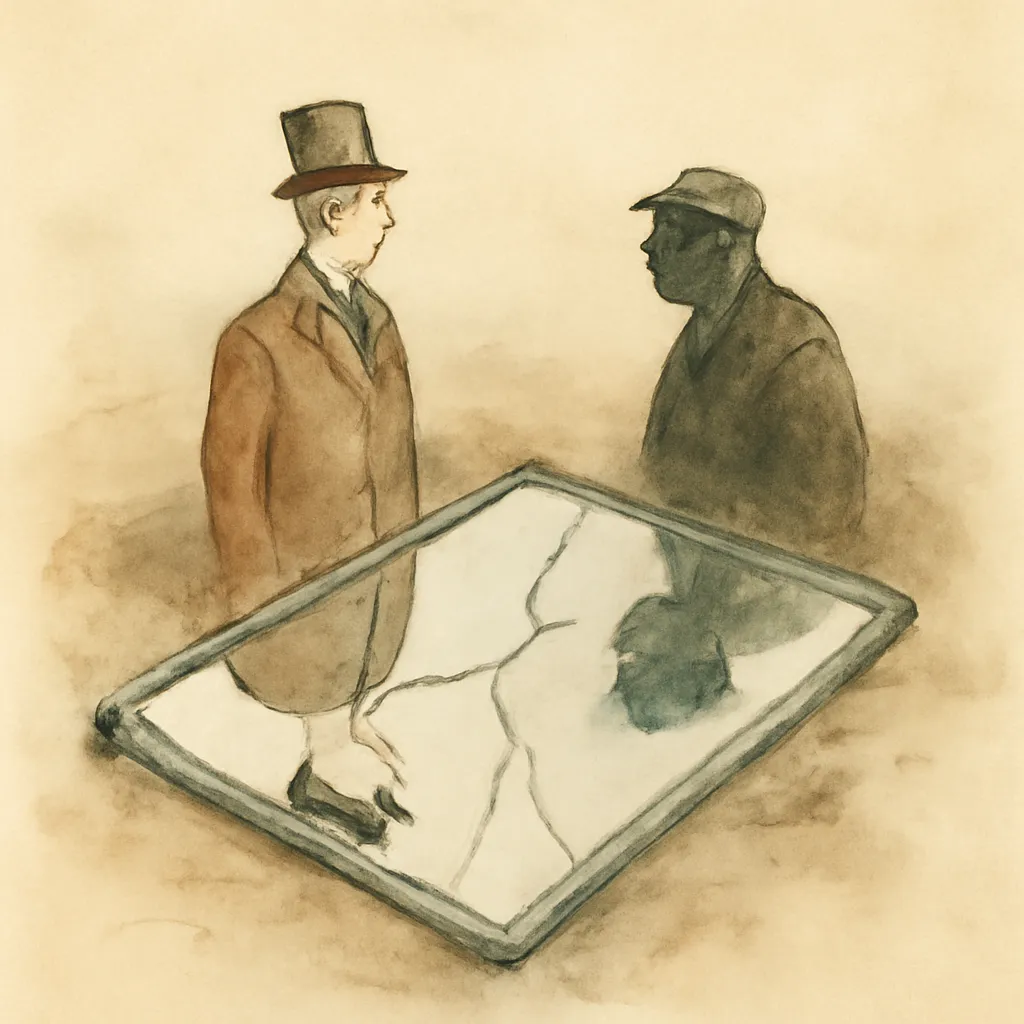
The protagonist, John Douglas, embodies the theme of duality, living a life that straddles two very different worlds. In England, he is a respected gentleman, while in America, he has a shadowy past connected to a criminal organization. This duality raises questions about the nature of identity and how one's past can shape their present circumstances. Douglas's life illustrates the struggle between personal ambition and the weight of one's history. The beginning of the story reveals how he has constructed a new identity in Birlstone, yet remnants of his former life haunt him, culminating in his murder. This tension between identities forces the reader to ponder the extent to which we can escape our past and what happens when it catches up with us. The tragic outcome of Douglas's life serves as a poignant reminder that one cannot simply erase their history, and the duality of existence can lead to devastating consequences.
2.The Role of the Detective

Sherlock Holmes, as the quintessential detective, plays a crucial role in unraveling the mystery surrounding Douglas's murder. His methods—keen observation, logical deduction, and a deep understanding of human nature—highlight the importance of intellect in solving crimes. Holmes’s character is portrayed as almost superhuman, capable of piecing together clues that most would overlook. The dynamics between Holmes and Dr. Watson also serve to illuminate his character, as Watson often acts as a foil, providing a more human perspective on the events at hand. Holmes's detachment can be both a strength and a weakness; while it allows him to remain objective, it sometimes distances him from the emotional realities of the people involved. The contrast between Holmes's rational approach to crime-solving and the violent methods of the secret society reveals critical insights about the pursuit of justice. His character embodies the idea that reason and rationality can prevail over chaos and violence, offering a hopeful perspective on the potential for understanding and resolution in a world filled with darkness.
3.Secrets and Betrayal
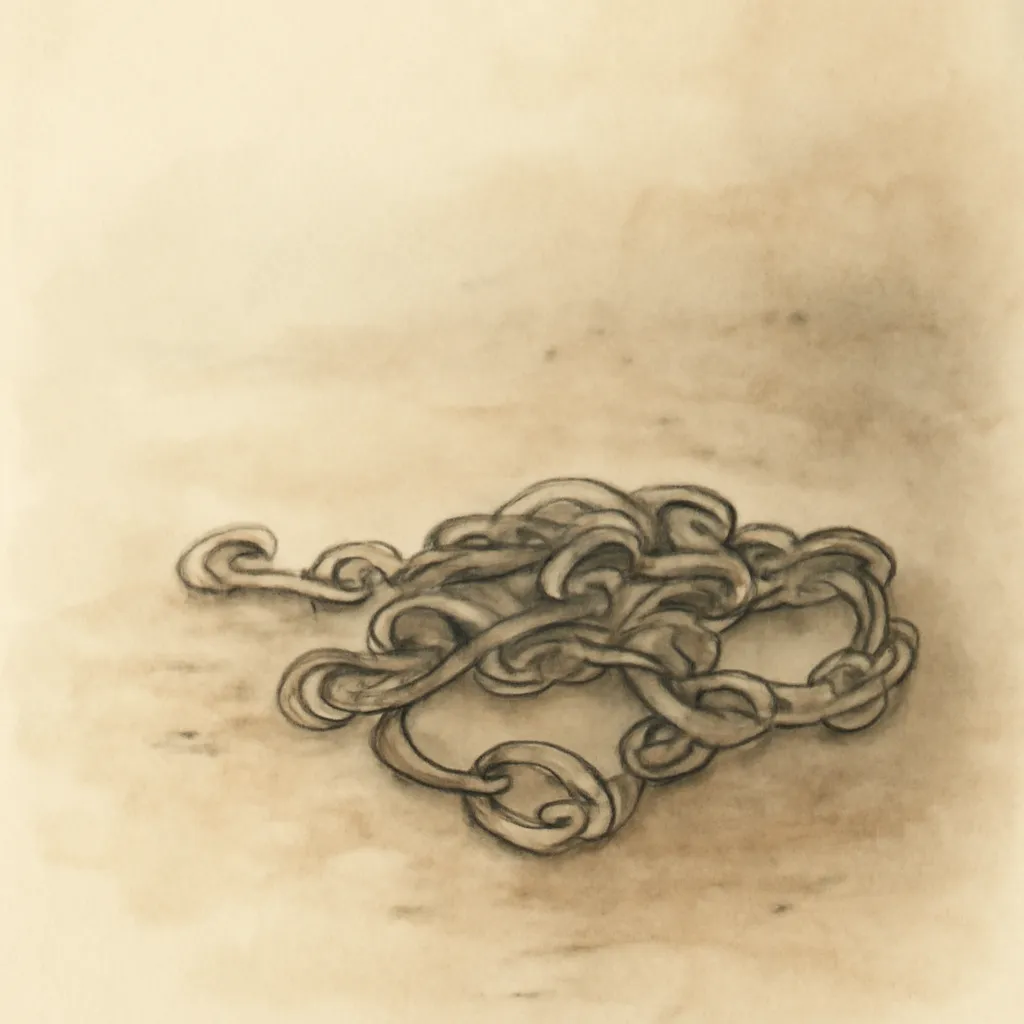
At the heart of 'The Valley of Fear' lies a web of secrets and betrayals that ultimately lead to tragedy. The society that Douglas is entangled with operates under a strict code, where loyalty is paramount, yet betrayal can lead to dire consequences. This tension reflects the broader societal issues of trust and betrayal, emphasizing how personal loyalties can conflict with moral obligations. Douglas's hidden past, including his connections to the secret society, serves as a critical catalyst for the events that unfold. Characters are continually faced with choices that test their loyalty and resolve, and the consequences of these choices echo throughout the narrative. The betrayal of trust within the society is not merely personal but serves as a commentary on the fragility of human relationships in a world steeped in deceit. The revelation of secrets serves as a catalyst for the unfolding drama, illustrating how hidden truths can have devastating effects not only on individuals but on entire communities as well. This exploration of betrayal invites readers to consider the psychological toll of living with secrets and the moral implications of choices made under pressure.
4.The Influence of the Past

The narrative structure of the novel reveals how the past continuously influences the present. Through flashbacks and character backstories, readers gain insight into how previous actions and decisions reverberate through time. Douglas's past in America is not just a backdrop; it is an active force that shapes his fate and the lives of those around him. The careful plotting of the narrative allows readers to see how the past manifests in the present, emphasizing that unresolved issues can fester and lead to catastrophic results. Moments in the story suggest that the true resolution lies not in merely solving the murder but in confronting the ghosts of the past that haunt the characters. This theme resonates deeply, prompting readers to reflect on their own histories and the legacies they carry. The characters' struggles with their pasts serve as a reminder that confronting one’s history is essential to moving forward. Doyle's exploration of memory and its influence on identity invites readers to ponder the ways in which our past experiences shape our perceptions and decisions in the present.
5.The Setting as a Character
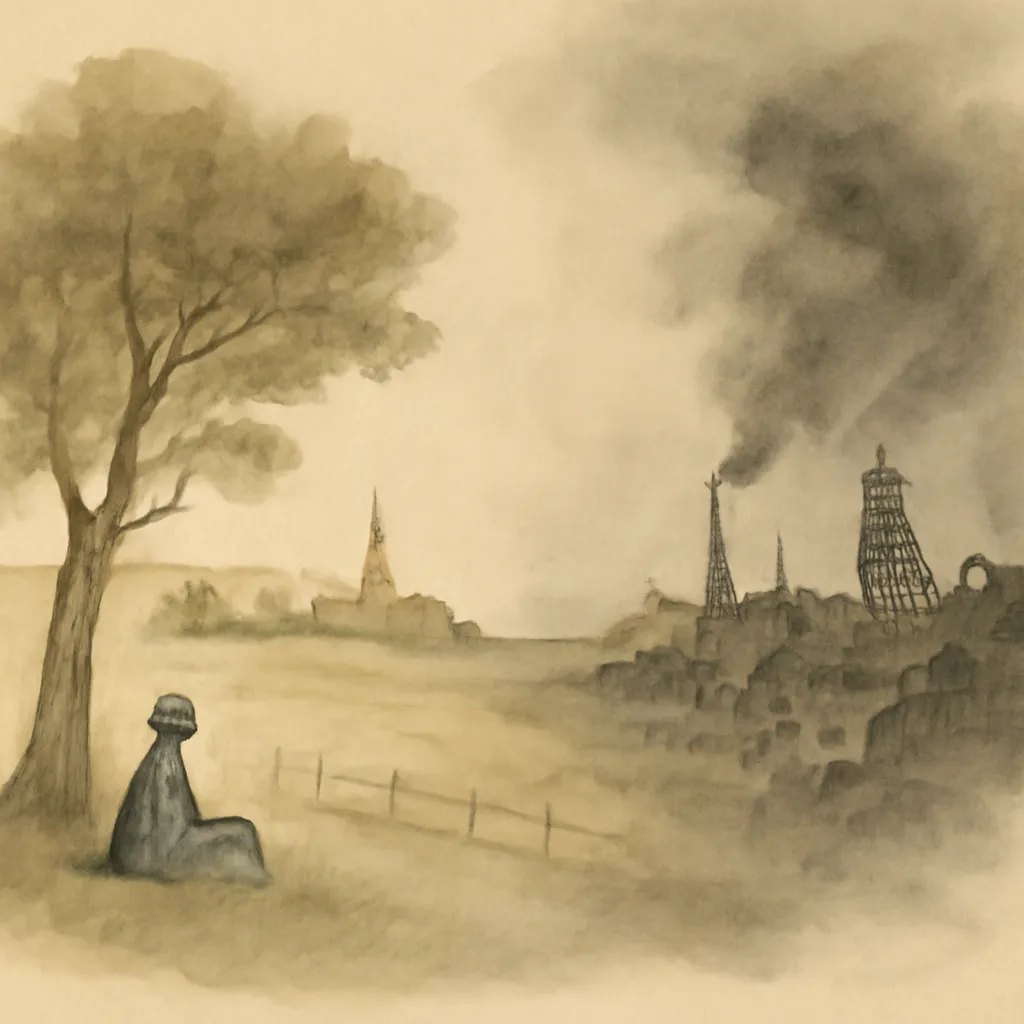
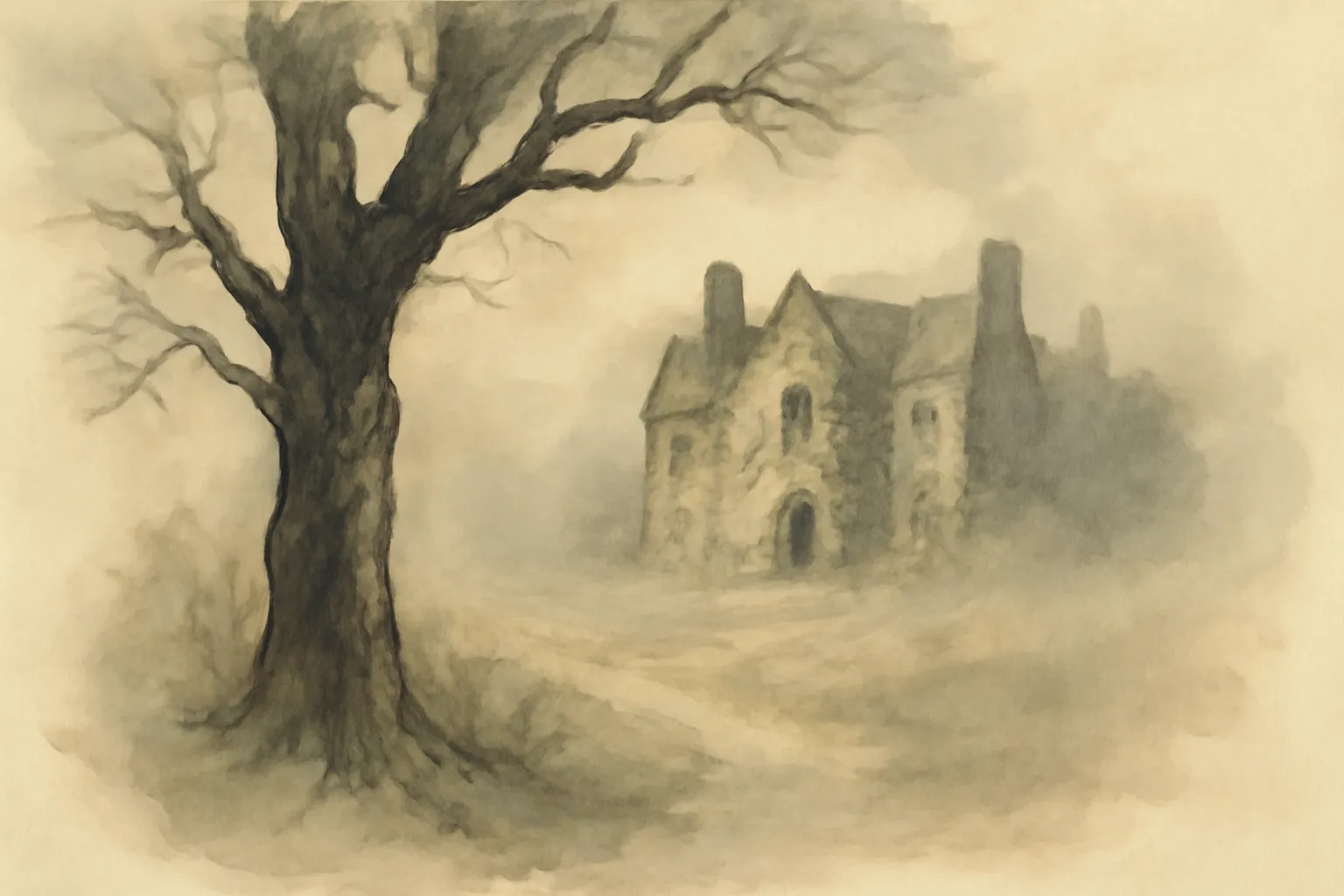
Doyle skillfully uses the contrasting settings of the English countryside and the American mining town to enhance the narrative. Birlstone, with its picturesque cottages and ancient manor, represents a world of tradition and respectability, while the Vermissa Valley is depicted as a harsh, unforgiving environment rife with danger and vice. These settings are not merely backdrops but act as characters in their own right, influencing the actions and decisions of the protagonists. Birlstone serves as a façade of normalcy and peace, which is shattered by the violent events that take place within its walls. The mining town, on the other hand, reflects the struggles of the working class and the moral decay that can accompany industrialization. The stark differences between these locations highlight the societal divisions and the complexities of human nature, reinforcing the idea that environment significantly shapes individual choices and moral dilemmas. The atmospheric descriptions immerse readers in the contrasting worlds, making the settings integral to the unfolding drama and adding depth to the story's themes.
6.The Nature of Evil
Doyle delves into the nature of evil through the character of Professor Moriarty and the secret society that Douglas is involved with. Moriarty is portrayed as the mastermind behind a vast network of crime, embodying the darker aspects of human ambition and intellect. His presence adds a layer of menace to the narrative, suggesting that evil is not always overt but can be calculated and insidious. This portrayal raises questions about the nature of evil: is it inherent in individuals, or is it cultivated by circumstances? The novel suggests that evil can manifest in various forms, from calculated schemes to violent acts, challenging readers to consider the moral complexities that underpin human behavior. The presence of Moriarty as a shadowy antagonist adds a layer of suspense and intrigue, making the pursuit of justice all the more compelling. Through the exploration of evil, the story addresses the themes of power, corruption, and the impact of societal conditions on moral choices, urging readers to reflect on the complexities of human nature.
7.The Power of Deduction

Holmes's method of deduction is a central theme in the novel, showcasing the power of logical reasoning in uncovering the truth. His ability to piece together seemingly unrelated clues into a coherent narrative exemplifies the importance of critical thinking and observation. Doyle illustrates Holmes’s deductive reasoning through several key moments in the story, where small details lead to significant revelations. For example, Holmes's analysis of the bloodstains and the positioning of the body reveals crucial information about the murder and the events leading up to it. This theme resonates with readers, encouraging them to adopt a more analytical approach to problem-solving in their own lives. Holmes’s deductions not only reveal the mystery behind Douglas's murder but also serve as a metaphor for the quest for knowledge and understanding in a complex world. The interplay between intuition and intellect in Holmes's character reinforces the idea that true insight often requires both observation and imagination, positioning Holmes as a figure of enlightenment in an otherwise dark narrative.
8.Loyalty and Morality
The conflict between loyalty to friends and moral righteousness is a recurring theme in 'The Valley of Fear.' Characters are often faced with difficult choices that test their allegiances. For instance, Douglas's ties to the secret society demand loyalty, yet these ties lead to morally questionable actions. This tension between loyalty and morality forces characters to confront their values and the implications of their choices. The novel suggests that unwavering loyalty can sometimes lead individuals down a dark path, prompting readers to reflect on the balance between loyalty to others and the moral compass that guides their own actions. The struggles of characters like Douglas illustrate that loyalty can be a double-edged sword, one that can bind individuals to paths of violence and betrayal. In exploring these moral dilemmas, Doyle challenges readers to consider the costs of loyalty and the extent to which one should go to uphold their allegiances.
9.Gender Dynamics

The female characters in 'The Valley of Fear' are often portrayed within the confines of their societal roles, yet they exhibit strength and complexity. Mrs. Douglas, for example, navigates the expectations placed upon her as a wife while grappling with her own desires and emotions. Although she does not take center stage, her character serves as a crucial element in the unfolding drama, illustrating how women are affected by the actions of the men around them. The novel subtly critiques the patriarchal structures that limit women's agency, showcasing how these dynamics influence the narrative. Ettie, Douglas's love interest, represents the struggle for autonomy in a male-dominated society, where her choices are heavily influenced by the men in her life. Doyle's exploration of the roles of women within the context of the male-dominated world of crime and investigation adds depth to the characters and enriches the story’s themes. This focus on female characters invites readers to consider the impact of societal norms on personal identity and the struggle for empowerment amidst adversity.
10.The Complexity of Justice

Throughout the novel, the concept of justice is portrayed as complex and multifaceted. Holmes’s pursuit of truth is driven by a desire for justice, yet the means by which he seeks it often blur ethical lines. The secret society’s violent methods contrast sharply with Holmes's analytical approach, raising questions about the morality of their actions. The narrative challenges readers to consider the nature of justice in a world where the law may not always serve the truth. The story suggests that true justice may sometimes require stepping outside the boundaries of legality and morality. This exploration of justice invites reflection on the ethical dilemmas faced by individuals in pursuit of what they believe to be right, ultimately underscoring that justice is not a one-size-fits-all concept. Doyle's nuanced portrayal of justice compels readers to examine their own beliefs about right and wrong and the complexities involved in seeking retribution in an imperfect world.