
Hugo Award Winner · American Science fiction · apocalypse
A Canticle for Leibowitz by Walter M. Miller Jr. — Summary, Key Ideas & Quotes
1959320 pages✦ 3-min Big ideas★ 3.9 (81)
Rate it
Highly unusual After the Holocaust novel. In the far future, 20th century texts are preserved in a monastery, as "sacred books". The monks preserve for centuries what little science there is, and have saved the science texts and blueprints from destruction many times, also making beautifully illuminated copies. As the story opens to a world run on a basically fuedal lines, science is again becoming fashionable, as a hobby of rich men, at perhaps 18th or early 19th century level of comprehesion. A local lord, interested in science, comes to the monastery. What happens after that is an exquisitely told tale, stunning and extremely moving, totally different from any other After the Holocaust story
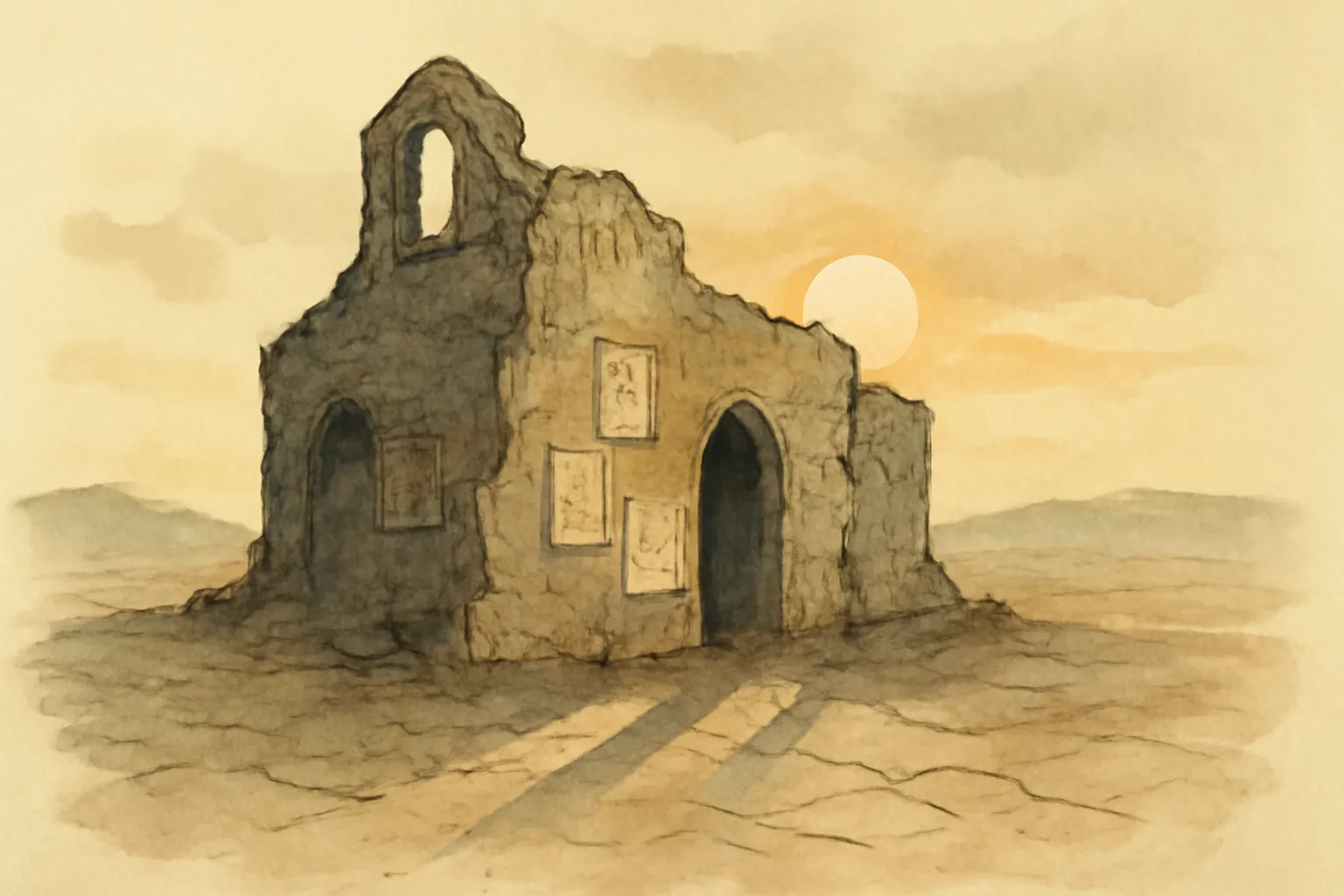
At the heart of the novel is the monastery of the Albertian Order of Leibowitz, whose monks painstakingly preserve scraps of scientific knowledge after a nuclear holocaust. The book explores how fragile civilization’s accumulated wisdom can be, and how easily it can be lost or misunderstood. The monks’ reverence for pre-apocalypse texts—sometimes without understanding their content—raises questions about what it means to value knowledge, and whether preservation alone is enough to prevent humanity from repeating its mistakes.
Miller sets up a deep tension between religious faith and scientific rationality. The monks’ devotion to their sacred task is both a spiritual calling and an act of hope for the future. The novel does not pit faith and science as simple opposites; instead, it shows how they intertwine, sometimes harmoniously, sometimes in conflict, as humanity struggles to rebuild. This dynamic invites readers to consider whether faith and reason can coexist, and what happens when either is taken to extremes.
“Listen, are we helpless? Do we have to do it again and again and again?”
“Bless me, Father, for I have sinned. It has been six hundred years since my last confession.”
“To minimize suffering and to maximize security were natural and proper ends of society and government, but they were not the only ends.”