1.The Preservation and Loss of Knowledge
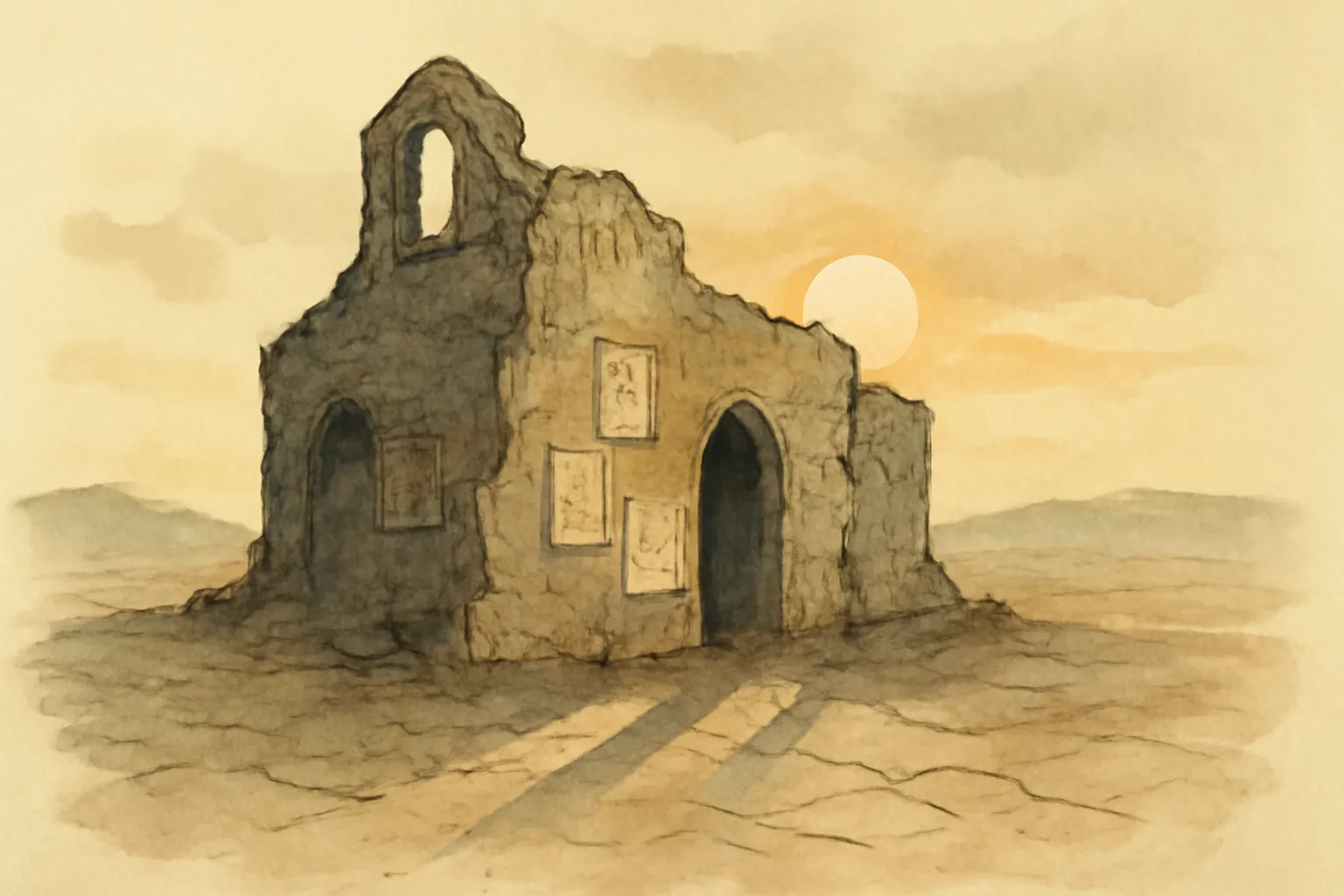
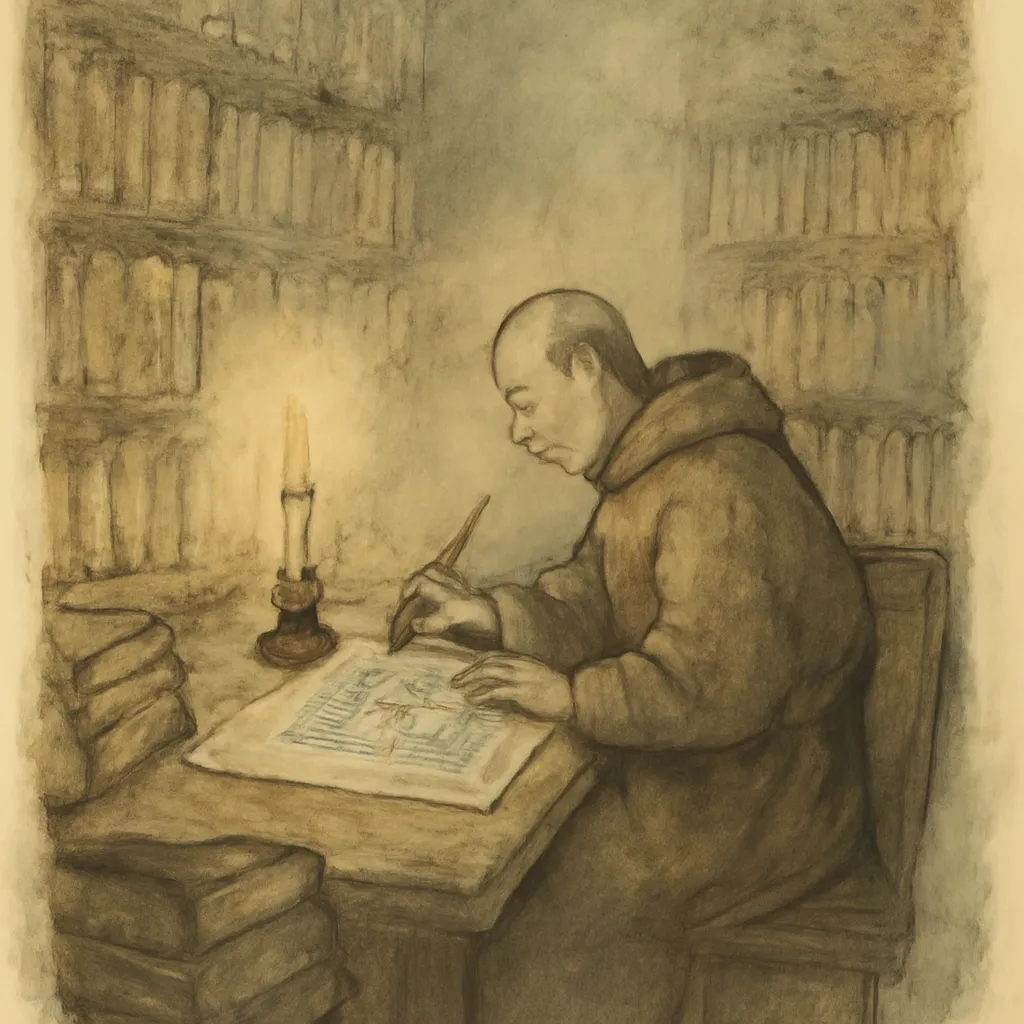
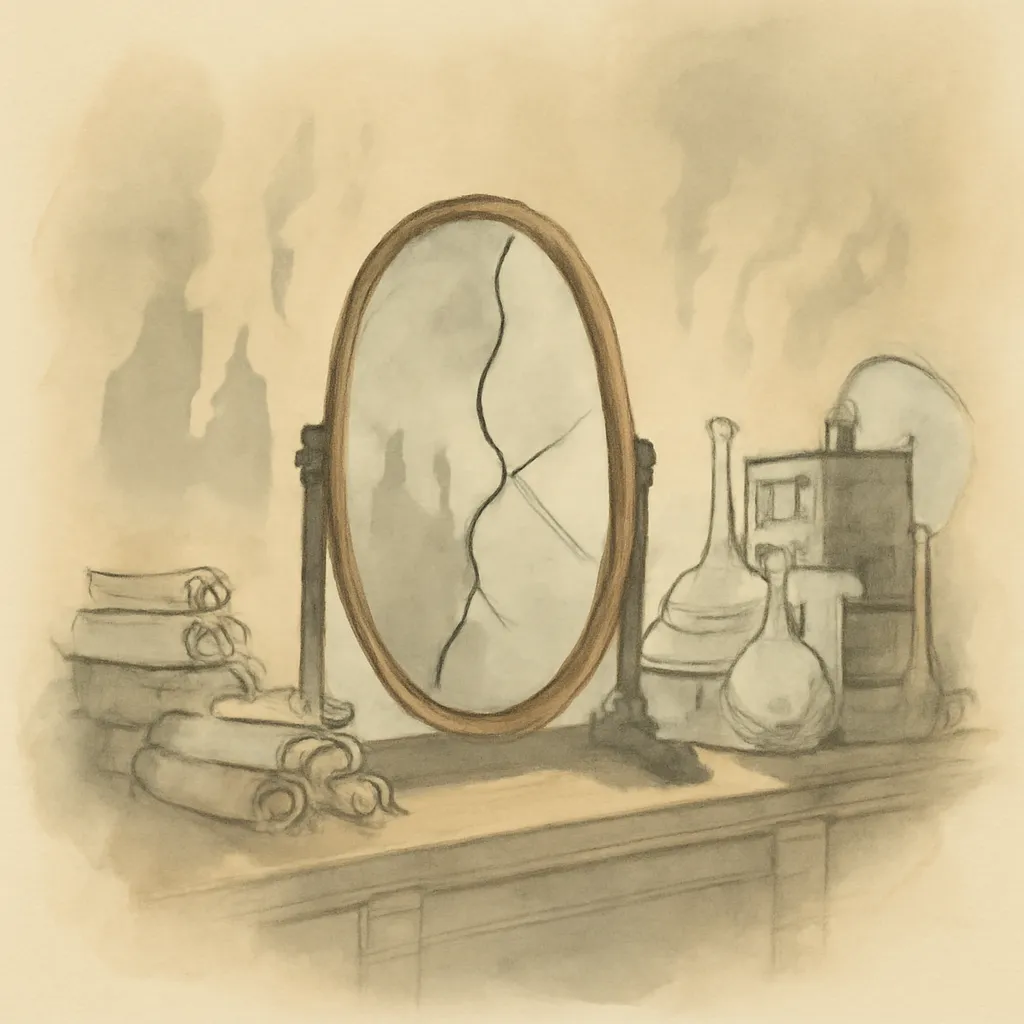
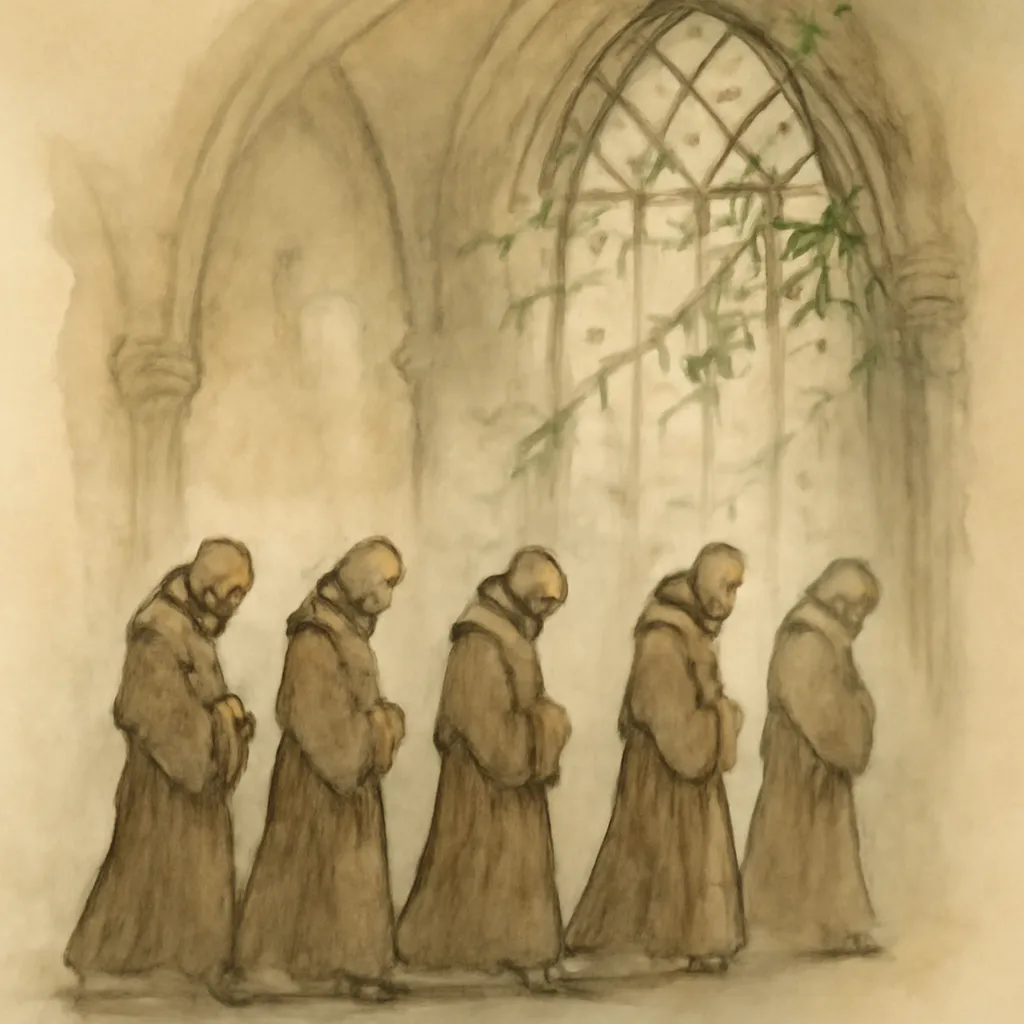
At the heart of the novel is the monastery of the Albertian Order of Leibowitz, whose monks painstakingly preserve scraps of scientific knowledge after a nuclear holocaust. The book explores how fragile civilization’s accumulated wisdom can be, and how easily it can be lost or misunderstood. The monks’ reverence for pre-apocalypse texts—sometimes without understanding their content—raises questions about what it means to value knowledge, and whether preservation alone is enough to prevent humanity from repeating its mistakes.
2.Faith Versus Reason
Miller sets up a deep tension between religious faith and scientific rationality. The monks’ devotion to their sacred task is both a spiritual calling and an act of hope for the future. The novel does not pit faith and science as simple opposites; instead, it shows how they intertwine, sometimes harmoniously, sometimes in conflict, as humanity struggles to rebuild. This dynamic invites readers to consider whether faith and reason can coexist, and what happens when either is taken to extremes.
3.The Cyclical Nature of History
A Canticle for Leibowitz is structured in three parts, each centuries apart, yet echoing similar themes and events. Miller suggests that history is not a linear march of progress, but a cycle in which humanity repeatedly rises, falls, and rebuilds—often making the same mistakes. This cyclical view challenges the optimism of technological progress and asks whether we are doomed to repeat our errors, or if redemption is possible.
4.Moral Ambiguity in Human Progress
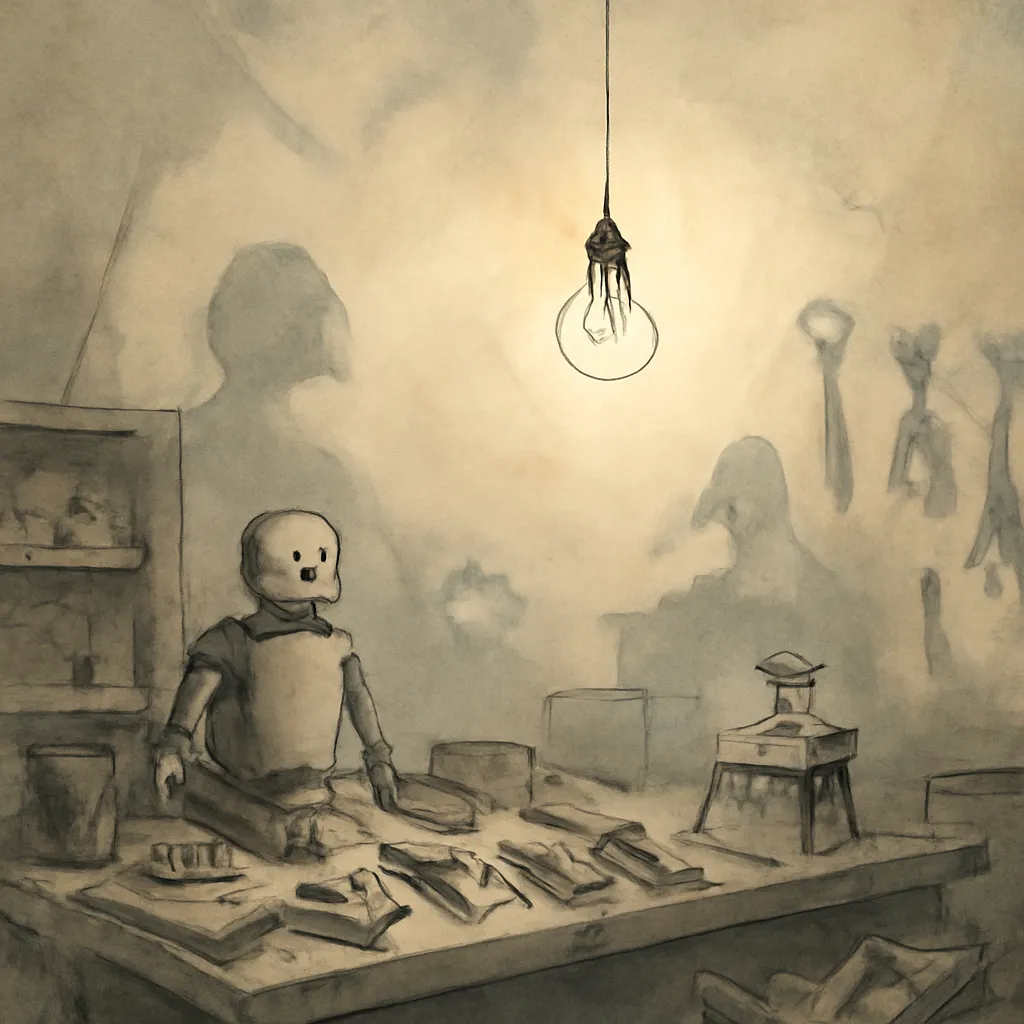
The novel questions whether scientific and technological advancement is inherently good. As knowledge is rediscovered, so too are the dangers that led to the original apocalypse. Miller refuses to offer easy answers about the value of progress, instead presenting its double-edged nature: the same knowledge that can heal and uplift can also destroy. This ambiguity forces readers to grapple with the ethical responsibilities that come with power.
5.The Endurance of Faith and Ritual
Despite centuries of upheaval, the rituals, symbols, and traditions of the Catholic Church endure in the world of Leibowitz. These rituals provide continuity and meaning in a world otherwise marked by chaos and loss. Miller explores how faith traditions can become vessels for memory and hope, even when their original context is lost or transformed.
6.The Tragic Irony of Human Nature
Throughout the novel, Miller uses irony and dark humor to highlight humanity’s capacity for both greatness and folly. The monks’ reverent copying of blueprints they cannot read, or the rediscovery of destructive technologies, underscores the tragic absurdity of human striving. This irony deepens the novel’s impact, making its warnings about pride, ignorance, and hubris all the more poignant.