

A Room of One's Own by Virginia Woolf — Summary, Key Ideas & Quotes
201596 pages✦ 3-min Big ideas
Rate it
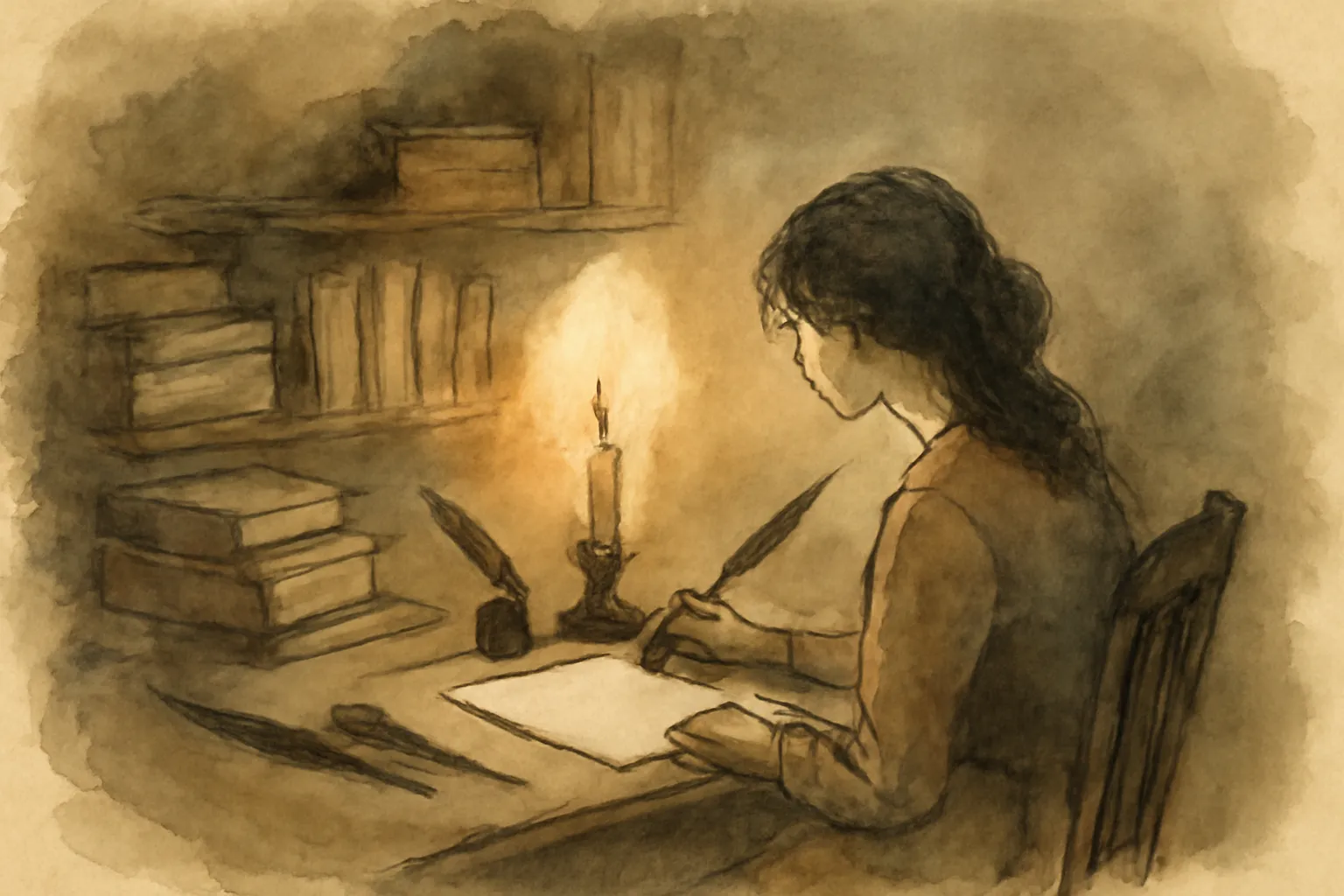
Woolf famously argues that for a woman to write fiction, she must have money and a room of her own. This is not just literal but symbolic: creative work requires privacy, autonomy, and financial stability. Woolf highlights how women’s lack of economic freedom and personal space has historically stifled their artistic potential, making the case that social and material conditions are as important as talent for creative achievement.
Woolf examines the historical absence of women from the literary canon, questioning why so few women wrote or were published. She traces this to systemic barriers—educational, economic, and cultural—that kept women from pursuing intellectual work. By imagining the tragic fate of Shakespeare’s fictional sister, Woolf illustrates how even the most gifted women were denied opportunities to develop their gifts.
“A woman must have money and a room of her own if she is to write fiction.”
“Lock up your libraries if you like; but there is no gate, no lock, no bolt that you can set upon the freedom of my mind.”
“For most of history, Anonymous was a woman.”