Back to A Room of One's Own

Conversation brief · 10 min

A Room of One's Own Summary

by Virginia Woolf

Listen & read along · 10 min
0:0010:20

Why genius needs rent money, not just talent

The book in three sentences

  1. 1.Virginia Woolf argues that women’s literary “lack” is mostly a material problem: money, privacy, education, and time were withheld.
  2. 2.She makes the case through a witty, staged walk-and-think essay, mixing invented scenes, history, and sharp jokes about institutions.
  3. 3.It still matters because the modern conversation about representation often forgets the plain infrastructure that decides who gets to create.

4 ideas

Ideas worth remembering

1.Money first, then art
What the book says

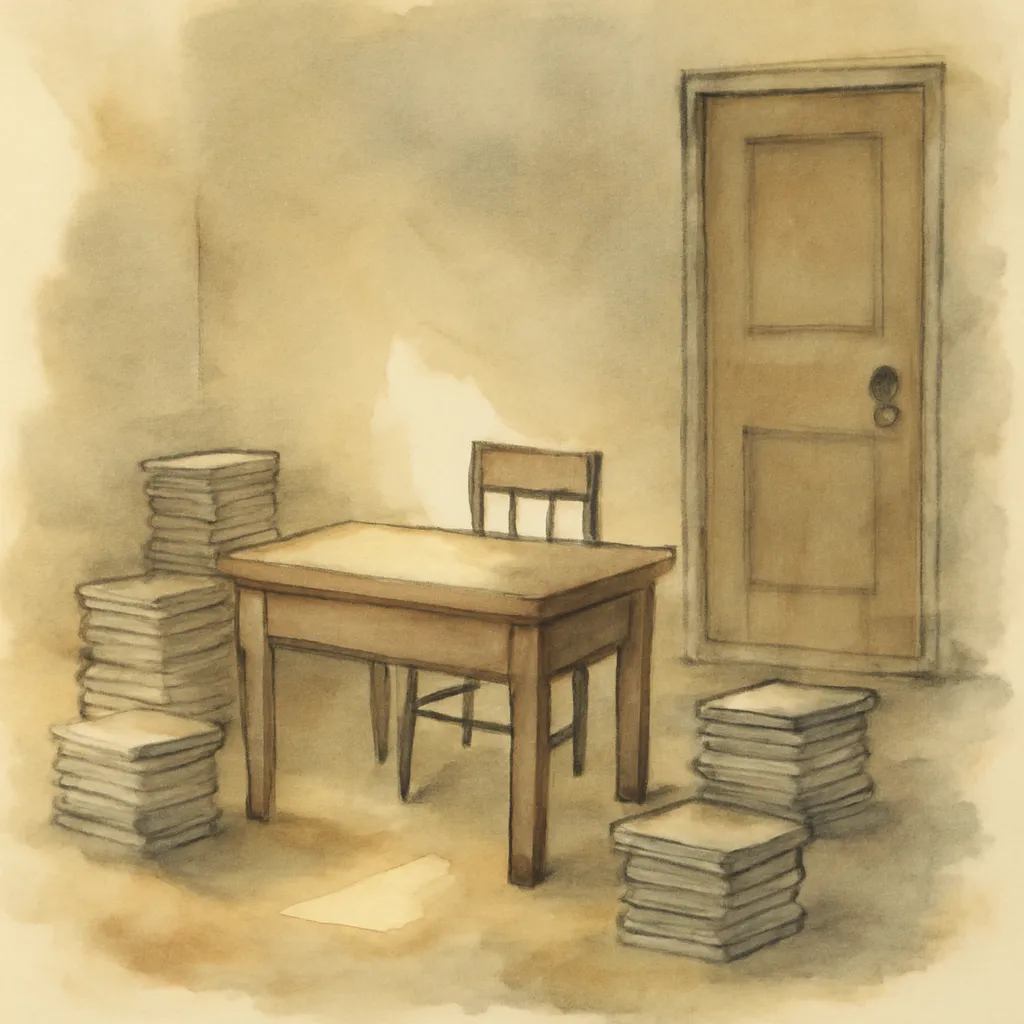
Women will not produce great literature in large numbers without financial independence and uninterrupted space. Talent is real, but it cannot survive constant dependence and interruption.

Woolf treats literature as work, not magic. Work needs time, calm, and a mind not locked in daily fear. If your rent depends on being pleasing, you self-censor before you begin. If your day is broken into errands, childcare, and vigilance, your attention never gathers. She contrasts the steady incomes and inherited leisure of many male writers with the stop-start, supervised lives most women had.

Something to retell

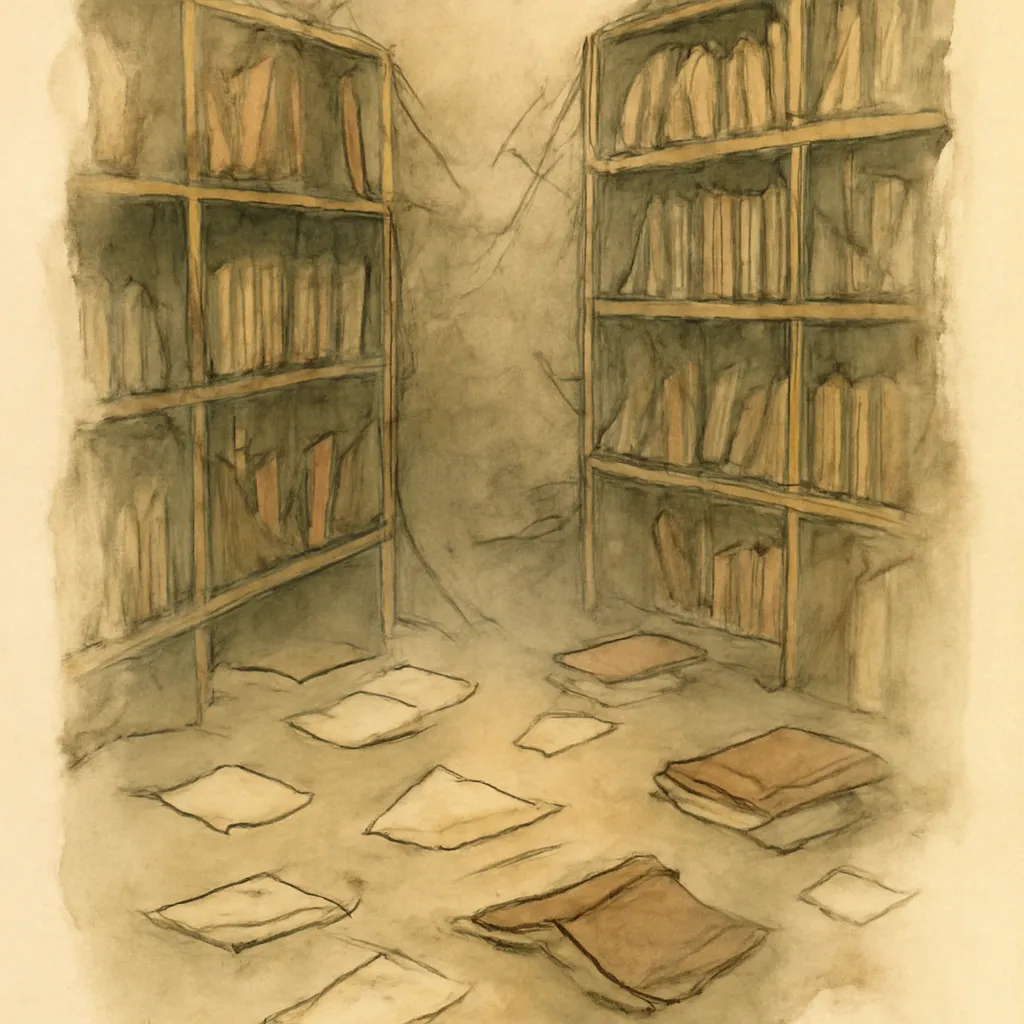
Her narrator tries to stroll across an Oxbridge lawn and is shooed away by a beadle, then later is blocked from a library without a male escort or letter. These small humiliations do the argument’s heavy lifting. They show that culture is guarded by rules that feel trivial to insiders, yet keep outsiders from the very rooms where ideas and books are made.
2.The invented sister of Shakespeare

What the book says

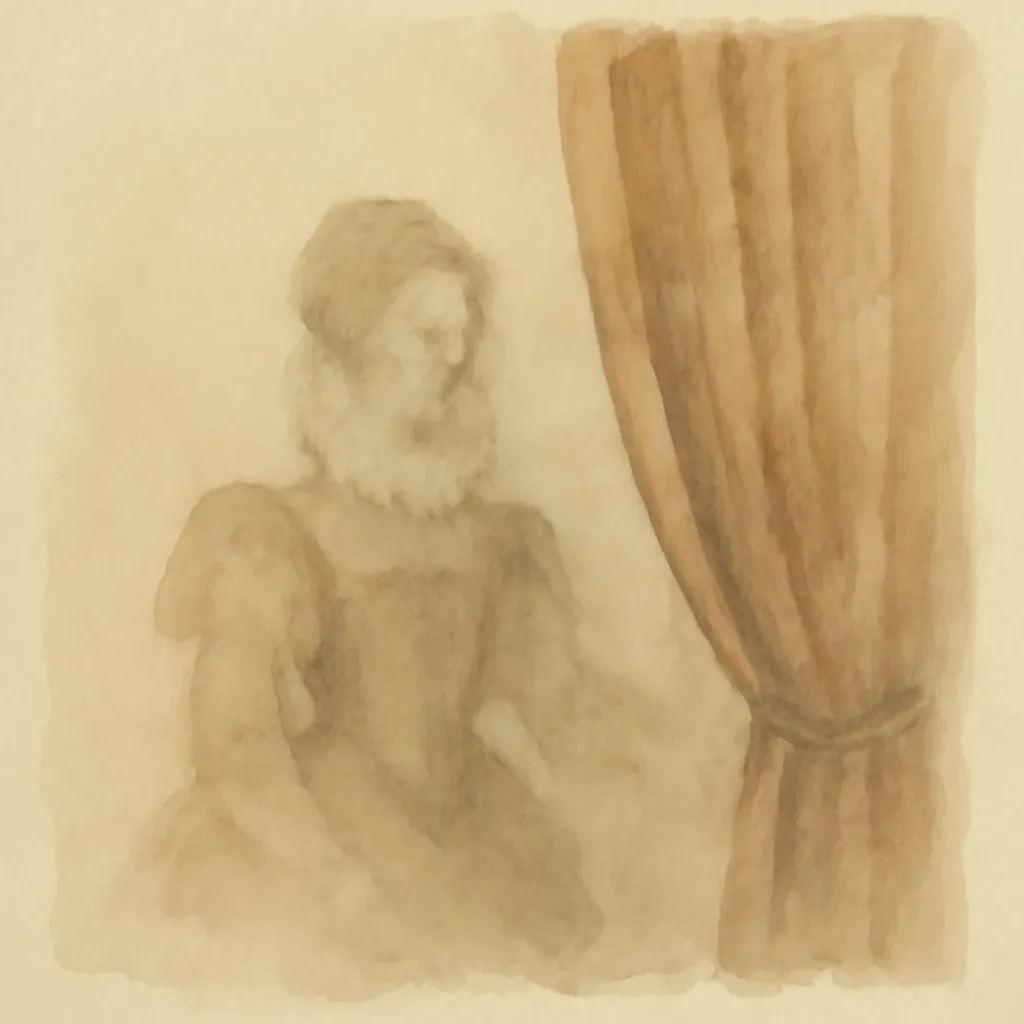
If a woman with Shakespeare’s gifts had been born in his time, she would almost certainly have been prevented from becoming Shakespeare. Social facts would crush her genius long before the stage could test it.

Woolf builds a thought experiment to expose how people confuse outcomes with merit. The barriers are not subtle: denied schooling, pushed toward marriage, mocked for ambition, shut out of theatres and apprenticeships. Even if she runs away, she faces economic desperation and sexual danger. The point is not that women lacked imagination, but that their lives were designed to turn imagination into a liability.

Something to retell

Judith Shakespeare, her imagined sister, is as quick and eager as William, but is laughed out of learning, trapped by family authority, and blocked by the male-controlled world of actors and managers. Woolf ends her story in disaster, not to be melodramatic, but to make you feel the dead weight of “respectability” and dependence when it meets artistic hunger.

3.A history written in gaps

What the book says

The absence of women from the literary canon is also an absence of records: diaries, letters, education, and criticism were thinner, scattered, or ignored. So women writers appear as exceptions instead of a continuous tradition.

Woolf reads the shelves like an archaeologist. She notices how often women are discussed as bodies or morals rather than minds, and how male anger and fantasy fill the space where women’s real voices should be. She also spots the practical problem: when you have no property, you leave fewer traces. That makes later readers think women were silent, when many were simply undocumented or unpublished.

Something to retell

She imagines browsing the British Museum for facts about women and finding either sermons, medical scolding, or jokes, but very little ordinary testimony from women themselves. Then she turns to the few who did break through, like Austen and the Brontës, as proof of ability under pressure, and as proof of how unusual the conditions had to be for a woman to write at all.

4.Write beyond resentment

What the book says

Woolf warns that anger at injustice can warp writing, and that women (and men) should aim for a freer, less defensive mind when they create. She calls for a style that is not trapped by grievance or imitation.

Her target is not anger as a feeling, but anger as a permanent posture. If every page is written to prove men wrong, men still set the terms. She praises writers who found ways around the social trap: they wrote from daily life, irony, and interior thought, instead of copying the public, combative voice rewarded in male institutions. She also hints that good art holds more than one point of view at once.

Something to retell

She describes reading male writers who rant about women with a strange heat, and she treats that heat as a clue: patriarchy is not calm confidence, it is anxious self-justification. Then she contrasts that with the cool control of Austen, who could write sharp social truth from a drawing room, without turning the novel into a courtroom speech.

Why it matters

Lumina's take

A Room of One’s Own landed in 1929, after women in Britain had only recently gained equal voting rights (1928). Woolf used the freedom of an essay to say what was still hard to say in polite debate: that culture is not a pure merit contest. It is built from property laws, school access, wages, and who is allowed to be alone without being judged.

Lumina's take

Its influence is huge because it gave feminism a portable formula: stop arguing about whether women are “as good,” and start asking who has the conditions to practice. That frame travels well. You can apply it to poetry, film, science, startups, or politics. It also models a voice that is playful while being deadly serious, which helped later writers argue without sounding like they were begging for entry.

Lumina's take

The smart objection

Virginia Woolf makes women’s freedom feel like a matter of rooms and income, but she soft-pedals how collective power changes those facts.

Woolf’s great strength is her insistence on material reality: cash, privacy, time. The weakness is that her solution can sound private and individual too. Get a small income. Get a quiet room. Then write. That fits Woolf’s class position and her faith in art as the main battlefield. But it can shrink politics into lifestyle: a clever person in a rented room, leaving the larger machinery mostly untouched.

A tougher reader can also push on whose room counts. Woolf gestures at class and at the labor that makes leisure possible, but she does not stay there. Domestic workers, colonial subjects, and the poorest women appear at the edge of the frame. If the argument is that institutions gatekeep genius, then the strongest version should dig harder into wage work, race, empire, and who gets exploited so someone else can think in peace.

Another way to read it

Read the essay less as a personal prescription and more as a blueprint for public investment. The room stands for libraries, scholarships, safe workplaces, childcare, and legal rights. On that reading, Woolf is quietly arguing for structural change, using the polite mask of an essay to smuggle in radical demands.

Connections

Other books

  • The Second Sex · Simone de BeauvoirDe Beauvoir explains how woman is made into an “other,” while Woolf shows the everyday mechanisms that keep that otherness funded and enforced.
  • The Feminine Mystique · Betty FriedanFriedan names the misery of the mid-century suburban role; Woolf supplies the earlier economic logic of why so many women’s ambitions were redirected indoors.
  • We Should All Be Feminists · Chimamanda Ngozi AdichieAdichie updates the argument into plain contemporary speech; Woolf offers the deeper dive into how institutions train taste and confidence.
  • Nickel and Dimed · Barbara EhrenreichEhrenreich shows what life looks like without financial cushion, which sharpens Woolf’s point that art and thought require stability most people are denied.

Today

  • AI and creative workWoolf’s question becomes: who gets time to learn, experiment, and own their output when platforms and models vacuum value upward?
  • Childcare, paid leave, and the “motherhood penalty”Her room is basically uninterrupted time, and modern policy fights are still about whether society will fund that time for caregivers.
  • Culture-war fights over school reading listsWoolf shows that “taste” is built by gatekeepers, so today’s canon battles are also battles over who counts as fully human.

Say this

Conversation starters

Woolf’s big claim is that talent isn’t enough; you need money and privacy to write.

Likely follow-ups and what to say ↓
  • ?Is that still true in the internet age?
  • ?What would count as a modern room of one’s own?

What to say

Push the group to name concrete constraints: rent, debt, childcare, harassment, algorithmic visibility. Then ask who gets protected time now: grad students, trust-fund kids, salaried professionals, artists with patrons. Woolf is best when you treat her like an economist of attention, not a poet of vibes.

The Judith Shakespeare thought experiment is brutal: genius can be wasted by social design.

Likely follow-ups and what to say ↓
  • ?Do you buy that, or does it romanticize genius?
  • ?Who is today’s Judith Shakespeare?

What to say

Steer away from “hidden geniuses everywhere” and toward testable barriers: who gets training, auditions, venture capital, or publishing deals. You can compare sports academies and music conservatories to writing: we already accept that talent needs institutions. Woolf asks why we pretend literature is different.

Woolf also warns that anger can deform art, even when anger is justified.

Likely follow-ups and what to say ↓
  • ?Is she policing tone, or giving good craft advice?
  • ?Can great political art be angry and still great?

What to say

Offer examples: James Baldwin can be furious and precise; some social media writing is furious and thin. Woolf’s point is about who sets the agenda in your head while you write. Debate whether “calm” is a luxury, and whether demanding calm from the oppressed is another form of control.

Should you read the whole thing?

Read the full essay if you like ideas delivered with personality: jokes, scenes, and sharp turns that stay quotable for years. It is short but dense with arguments you will reuse. Also read it if you care about writing, academia, or who gets to be “a genius.” You can stop at this brief if you only need the headline claim for conversation, or if you want a more intersectional, policy-heavy account than Woolf offers.

This brief is Lumina's original explanation, analysis and criticism of the book, not a substitute for it. Paragraphs marked “What the book says” report the author's claims; “Lumina's take” is our interpretation.

Get the full book

Liked the ideas? Read A Room of One's Own in full.

The summary is free on Lumina. The complete book is available from:

More briefs to explore