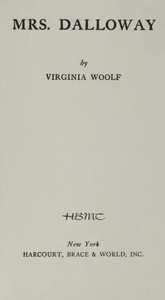

Mrs. Dalloway intricately weaves the delicate threads of time, memory, and identity, illustrating how the past continuously shapes our present lives
Read full overviewShow less›
Virginia Woolf's 'Mrs. Dalloway' is a groundbreaking narrative that unfolds over the course of a single day in post-World War I London, encapsulating the complexities of human experience through its richly developed characters. Central to the novel is Clarissa Dalloway, who, while preparing for a party, reflects on her past, relationships, and the transient nature of life. The novel also delves into the life of Septimus Warren Smith, a war veteran grappling with the trauma of his experiences. Woolf’s exploration of themes such as mental illness, the passage of time, social class, and the intricate web of human connection invites readers to engage deeply with the characters' inner lives. This summary will illuminate the key ideas, themes, and character dynamics that anchor this seminal work, revealing its enduring relevance and emotional depth.
Virginia Woolf's 'Mrs. Dalloway' is a profound exploration of the intricacies of human experience, artfully weaving together themes of memory, time, mental illness, and social dynamics. Through the lives of its richly developed characters, the novel illuminates the connections that shape our identities and relationships amid the tumult of existence. Woolf's innovative narrative style invites readers to delve deep into the psyche of her characters, offering a rich tapestry of emotions and insights. Ultimately, 'Mrs. Dalloway' serves as a timeless reflection on the complexities of life, challenging us to find meaning and connection in a world that often feels disjointed and overwhelming.
Ratings at a glance
- 1The Interplay of Memory and Identity
- 2Temporal Experience: The Nature of Time
- 3Mental Illness: Isolation and Understanding
- 4Gender Roles and Expectations
- 5Social Class and Connection
Notable quotes
“Mrs. Dalloway said she would buy the flowers herself.”
“For having lived in Westminster—how many years now? over twenty,—one feels even in the midst of the traffic, or waking at night, Clarissa was positive, a particular hush, or solemnity; an indescribable pause; a suspense (but that might be her heart, affected, they said, by influenza) before Big Ben strikes.”
“There was his hand; there the dead.”
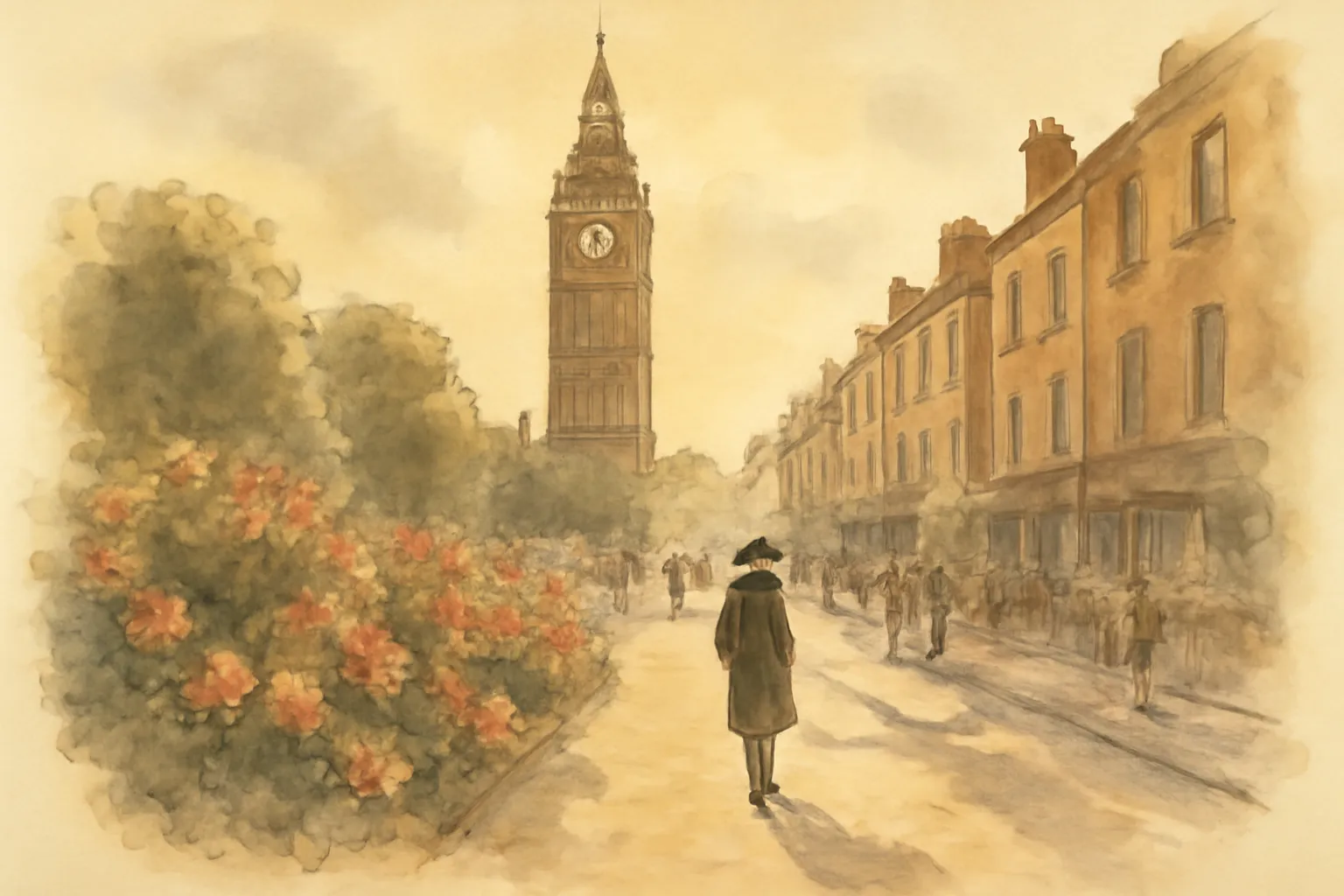
A glimpse inside

Memory plays a fundamental role in shaping the identities of the characters in 'Mrs. Dalloway.' For Clarissa, memories of her youth and her relationships influence her un… Read moreMemory plays a fundamental role in shaping the identities of the characters in 'Mrs. Dalloway.' For Clarissa, memories of her youth and her relationships influence her understanding of herself and her choices in adulthood. As she navigates through London, particular moments from her past resurface, particularly her connection with Peter Walsh and her vivid recollection of a transformative kiss with Sally Seton. These memories are not merely nostalgic; they shape Clarissa’s current emotional landscape, revealing her longing for the intensity of those experiences amid her present life’s constraints. Woolf emphasizes that our identities are not static; they are formed through a continuous dialogue with our past. The fluidity of memory allows Clarissa to reflect on the paths she has taken, while also grappling with feelings of regret and unfulfilled desires. This theme serves as a reminder that our past is an integral part of who we are, influencing our perceptions and choices in the present. Furthermore, the interplay of memory is not one-sided; it also affects how others perceive Clarissa, as her past associations and choices leave lasting impressions on those around her. Show less
Woolf's exploration of time within 'Mrs. Dalloway' reveals its dual nature as both an external reality and an internal experience. Read moreWoolf's exploration of time within 'Mrs. Dalloway' reveals its dual nature as both an external reality and an internal experience. The narrative unfolds in real-time, yet it is punctuated by flashbacks and reflections that transport readers into the characters’ memories, blurring the lines between past and present. Clarissa’s preparations for her party coincide with the chiming of Big Ben, which serves as a constant reminder of the relentless march of time, emphasizing life’s fleeting nature. The way characters perceive time is profoundly impacted by their experiences; for example, Septimus, who struggles with the aftermath of war, perceives time as fragmented and chaotic. His hallucinations and disconnection from reality symbolize a deeper existential crisis, reflecting the trauma that can distort one's experience of time. Woolf invites readers to consider how time influences our lives and relationships, highlighting the weight of past experiences and the urgency of the present moment. This exploration of time aligns with the modernist narrative style, where Woolf captures the essence of character consciousness in a fluid, stream-of-consciousness format that mimics the natural flow of thoughts. Show less
Read the full text — free
About the author
Read Virginia Woolf's work free on Lumina — the complete text plus an 8-minute summary and key ideas, no account needed