1.The Interplay of Memory and Identity
Memory plays a fundamental role in shaping the identities of the characters in 'Mrs. Dalloway.' For Clarissa, memories of her youth and her relationships influence her understanding of herself and her choices in adulthood. As she navigates through London, particular moments from her past resurface, particularly her connection with Peter Walsh and her vivid recollection of a transformative kiss with Sally Seton. These memories are not merely nostalgic; they shape Clarissa’s current emotional landscape, revealing her longing for the intensity of those experiences amid her present life’s constraints. Woolf emphasizes that our identities are not static; they are formed through a continuous dialogue with our past. The fluidity of memory allows Clarissa to reflect on the paths she has taken, while also grappling with feelings of regret and unfulfilled desires. This theme serves as a reminder that our past is an integral part of who we are, influencing our perceptions and choices in the present. Furthermore, the interplay of memory is not one-sided; it also affects how others perceive Clarissa, as her past associations and choices leave lasting impressions on those around her.
2.Temporal Experience: The Nature of Time

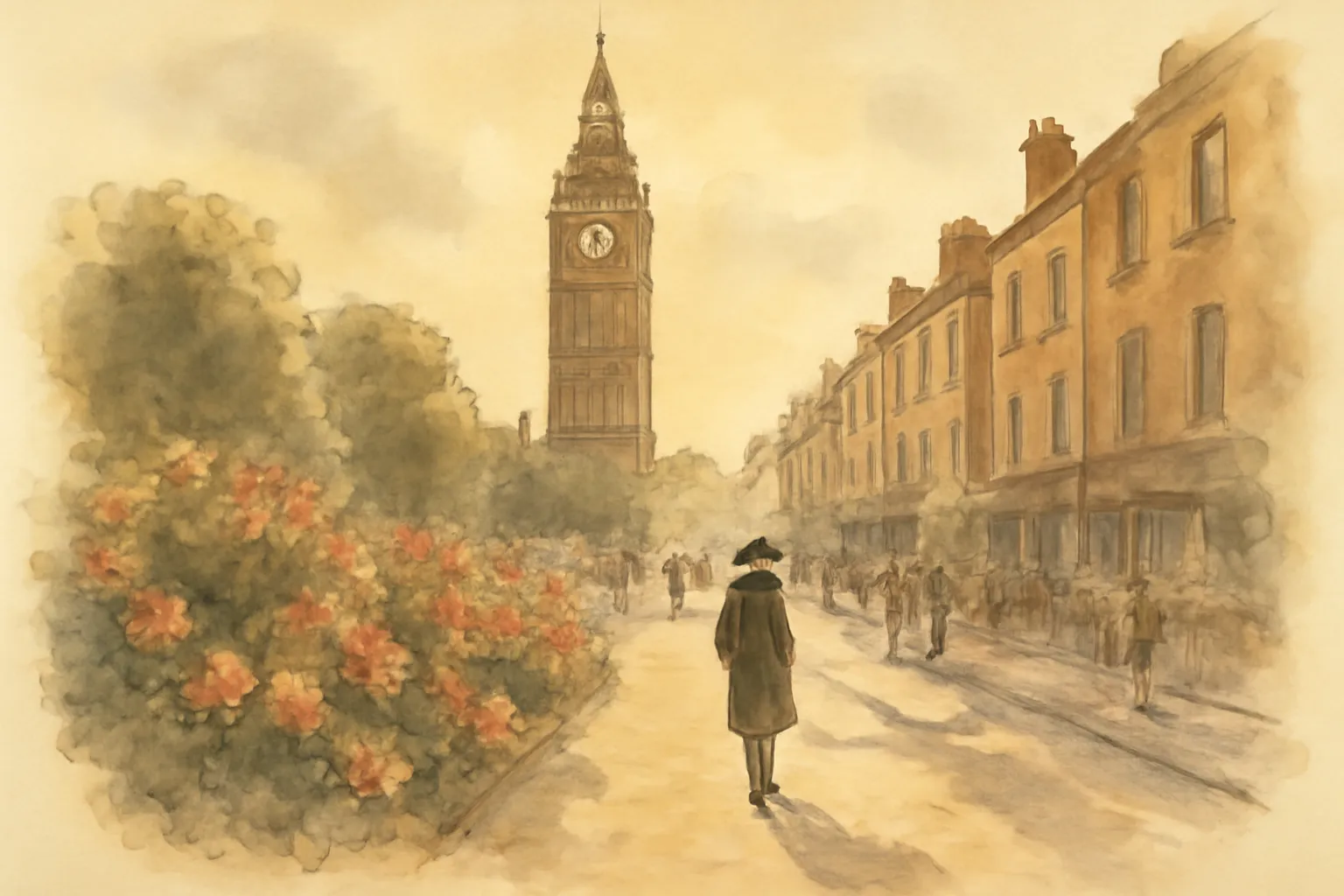
Woolf's exploration of time within 'Mrs. Dalloway' reveals its dual nature as both an external reality and an internal experience. The narrative unfolds in real-time, yet it is punctuated by flashbacks and reflections that transport readers into the characters’ memories, blurring the lines between past and present. Clarissa’s preparations for her party coincide with the chiming of Big Ben, which serves as a constant reminder of the relentless march of time, emphasizing life’s fleeting nature. The way characters perceive time is profoundly impacted by their experiences; for example, Septimus, who struggles with the aftermath of war, perceives time as fragmented and chaotic. His hallucinations and disconnection from reality symbolize a deeper existential crisis, reflecting the trauma that can distort one's experience of time. Woolf invites readers to consider how time influences our lives and relationships, highlighting the weight of past experiences and the urgency of the present moment. This exploration of time aligns with the modernist narrative style, where Woolf captures the essence of character consciousness in a fluid, stream-of-consciousness format that mimics the natural flow of thoughts.
3.Mental Illness: Isolation and Understanding
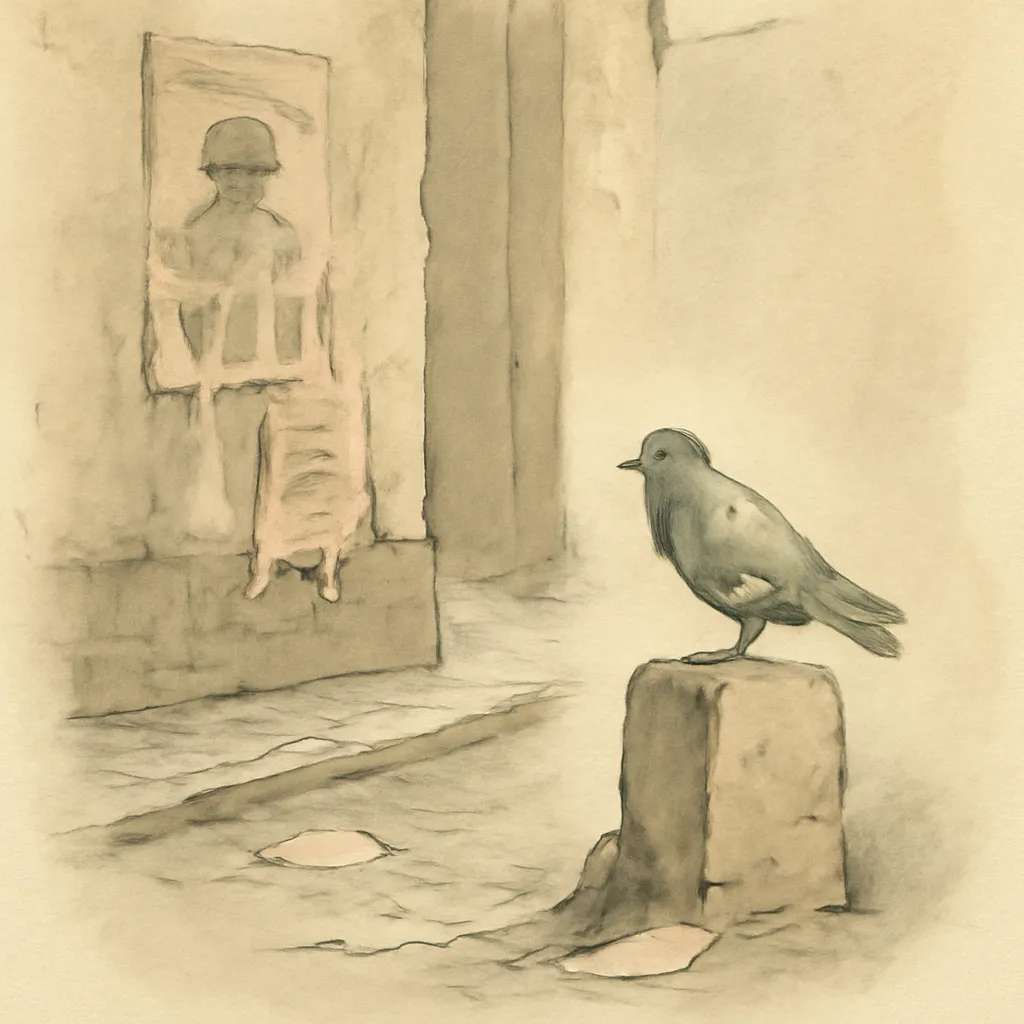
Septimus Warren Smith’s character embodies the exploration of mental illness and societal neglect in 'Mrs. Dalloway.' As a war veteran suffering from PTSD, Septimus grapples with profound psychological trauma that alienates him from the vibrant world of London. His experiences illustrate the inadequacy of societal responses to mental health, as shown by the condescending attitudes of medical professionals like Dr. Bradshaw, who prioritize conformity over compassion. Woolf portrays Septimus's isolation poignantly; he exists in a parallel reality where he hears voices and struggles with the presence of the dead, particularly of his friend Evans. This disconnect emphasizes the necessity for empathy in a society that often stigmatizes mental illness. Septimus's tragic fate serves as a critique of societal indifference and the need for greater understanding of mental health issues, underscoring the importance of listening to those who suffer in silence. By contrasting Septimus's turbulent inner world with Clarissa's seemingly stable life, Woolf highlights how mental illness can manifest in isolation, revealing the broader implications for society's treatment of individuals struggling with psychological distress.
4.Gender Roles and Expectations

Woolf critiques the constraints of early 20th-century gender roles through Clarissa’s experiences and relationships. As a woman of privilege, Clarissa is expected to fulfill societal norms of marriage and motherhood, yet she yearns for autonomy and self-expression. Her marriage to Richard Dalloway, while comfortable, leaves her feeling constrained and unfulfilled, as she grapples with the expectations placed upon her. In contrast, her relationships with women, particularly Sally Seton, highlight a longing for deeper connections that transcend societal norms. Sally’s boldness and defiance of convention resonate with Clarissa’s own desires, creating a bond that reflects the complexity of female relationships. Woolf's portrayal of gender dynamics emphasizes the tension between societal expectations and personal fulfillment, advocating for women's right to carve their own identities beyond the limitations imposed by society. Moreover, the novel suggests that women can find empowerment through friendship and shared experience, thereby challenging the patriarchal standards that confine them.
5.Social Class and Connection
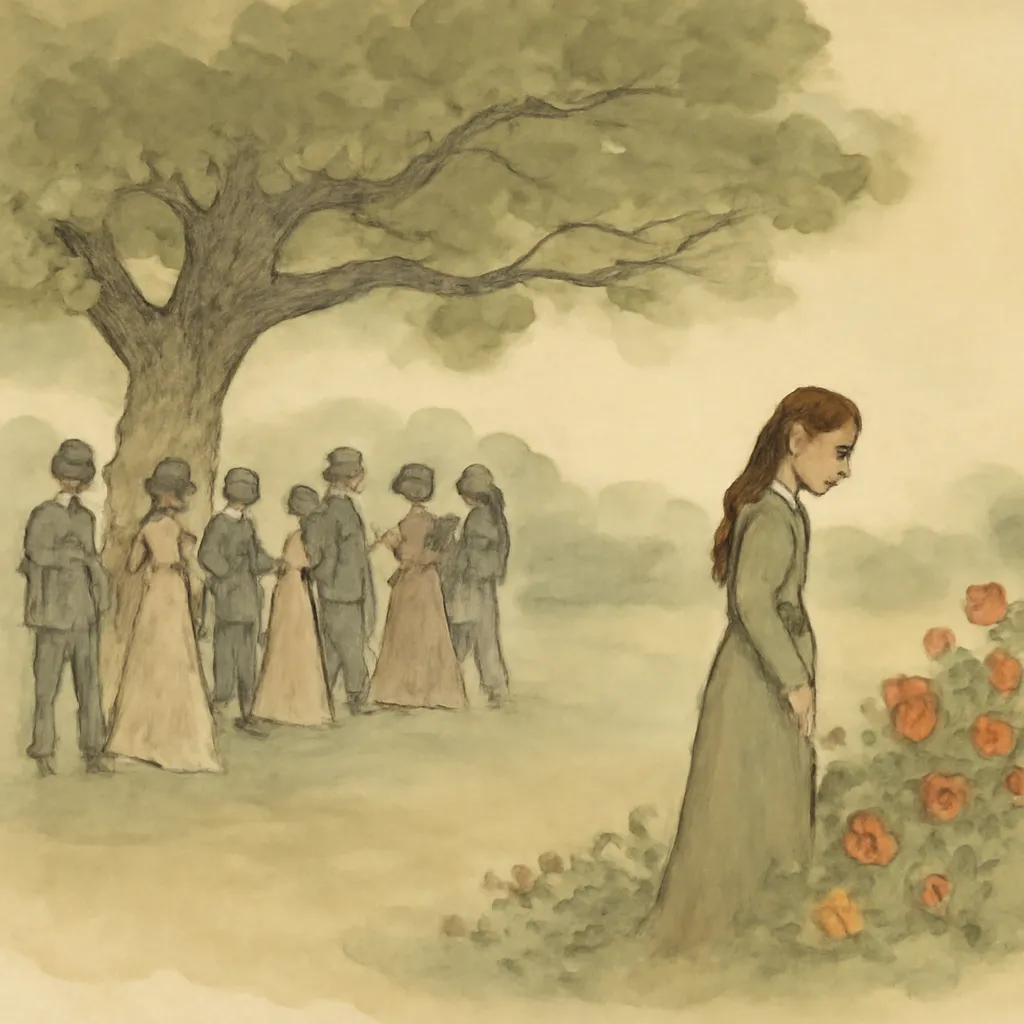
The theme of social class permeates 'Mrs. Dalloway,' as Woolf examines the intricacies of class dynamics and their impact on human relationships. Clarissa’s social status affords her certain privileges, yet it also isolates her from those who do not belong to her circle. Her interactions with characters like Septimus and Rezia reveal the stark divisions created by social stratification. While Clarissa hosts her grand party, she grapples with the superficiality of social interactions, often feeling disconnected from the people around her. Conversely, Septimus represents the struggles of those outside the upper class, revealing the harsh realities faced by individuals in a post-war society. Woolf uses these contrasts to illustrate that authentic human connection transcends social boundaries. Through shared experiences and empathy, individuals can forge deeper ties, thus challenging the rigid structures of class that often dictate personal relationships. The novel demonstrates that, regardless of class, the human experience is filled with joys, sorrows, and the quest for understanding, echoing the sentiment that social barriers can be dismantled through shared emotional truths.
6.The Complexity of Love and Relationships

Woolf intricately explores the various dimensions of love and relationships in 'Mrs. Dalloway,' portraying both the joys and complications that arise in human connections. Clarissa's relationships with Peter Walsh and Richard Dalloway exemplify the contrasting nature of romantic love and companionship. Her past with Peter is imbued with passion and intensity, yet their paths diverged due to societal expectations and their personal choices. In contrast, her marriage to Richard, while stable, lacks the emotional depth that Clarissa craves. Woolf also highlights the significance of platonic relationships, as seen in Clarissa’s bond with Sally Seton, which represents a deep, abiding connection that defies conventional norms. The novel suggests that love, in its myriad forms, is essential for human fulfillment, yet it is often fraught with challenges stemming from societal expectations and personal insecurities. Woolf illustrates that while romantic love can be transformative, the bonds of friendship can often provide a more profound sense of identity and belonging, allowing individuals to express their true selves without the constraints of societal judgment.
7.War and Its Aftermath
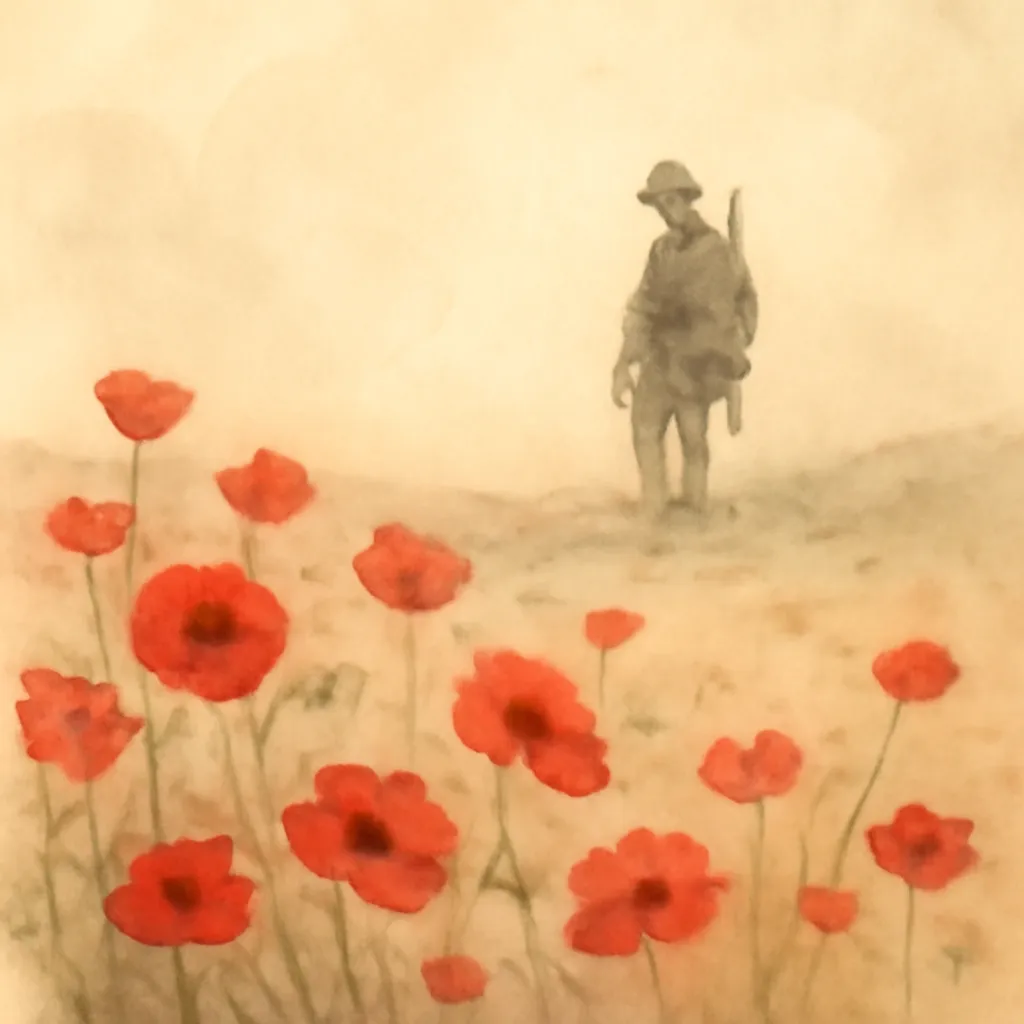
The impact of World War I looms large over 'Mrs. Dalloway,' shaping the lives of its characters, especially Septimus, whose experiences underscore the psychological scars left by conflict. Septimus’s struggle with trauma not only highlights the individual toll of war but also reflects the broader societal implications of violence and loss. His existential crisis serves as a reminder of the countless lives affected by the war, revealing the deep emotional wounds that remain unacknowledged. Woolf juxtaposes Septimus's painful reality with the seemingly mundane concerns of characters like Clarissa, inviting readers to confront the often-ignored consequences of societal conflict. This portrayal emphasizes the importance of addressing the psychological effects of war, advocating for a more compassionate understanding of those who suffer from its aftermath. Through Septimus's experiences, Woolf critiques the romanticized notions of heroism associated with war, shedding light on the true cost of conflict and the urgent need for society to recognize and support those who bear its burdens.
8.The Significance of Art and Beauty

In 'Mrs. Dalloway,' art and beauty emerge as vital themes that provide solace and meaning to the characters' lives. Clarissa's appreciation for flowers, nature, and beautiful moments reflects her desire to find joy amid the chaos of daily existence. These moments of beauty serve as a counterbalance to the darker aspects of life, offering brief escapes from the pressures of society and personal struggles. For Septimus, nature acts as a refuge, a place where he can reconnect with the world around him and seek solace from his internal turmoil. Woolf suggests that art and beauty hold the power to transcend the mundane, inviting individuals to experience life more fully. This exploration reinforces the idea that finding beauty in everyday moments can provide profound meaning and a sense of connection to the world. Through the celebration of art and beauty, Woolf encourages readers to cultivate an appreciation for life's fleeting moments, suggesting that such experiences are essential for emotional well-being and personal fulfillment.
9.The Complexity of Human Experience
Ultimately, 'Mrs. Dalloway' presents a rich and nuanced exploration of the complexities of human experience, weaving together the themes of memory, time, love, and loss. Woolf's characters navigate their inner worlds, revealing the myriad ways in which individuals seek connection and understanding amidst the chaos of life. The innovative narrative structure, characterized by stream-of-consciousness, allows readers to delve into the characters' thoughts and emotions, creating a profound sense of intimacy with their struggles and aspirations. Through the lives of Clarissa, Septimus, and others, Woolf illustrates the interconnectedness of human experiences, emphasizing that despite the differences in background and circumstance, shared emotions and desires bind us together. This exploration invites readers to reflect on their own lives, ultimately revealing the universal threads that connect us all. Furthermore, Woolf’s ability to capture the subtleties of everyday life and the profound significance of seemingly trivial moments invites a deeper understanding of the human condition, encouraging readers to appreciate the complexity and richness of their own experiences.