

Teenagers · Comic books, strips · Science fiction
Akira by Katsuhiro Ōtomo — Summary, Key Ideas & Quotes
1987288 pages✦ 3-min Big ideas★ 4.4 (10)
Rate it
"Tetsuo, an unstable youth with immense paranormal abilities of his own, has done the unthinkable: he has released Akira and set into motion a chain of events that could once again destroy the city and drag the world to the brink of Armageddon. Resistance agents and an armanda of government forces race against the clock to find the child with godlike powers before his unstoppable destructive abilities are unleashed!"--P. [4] of cover.
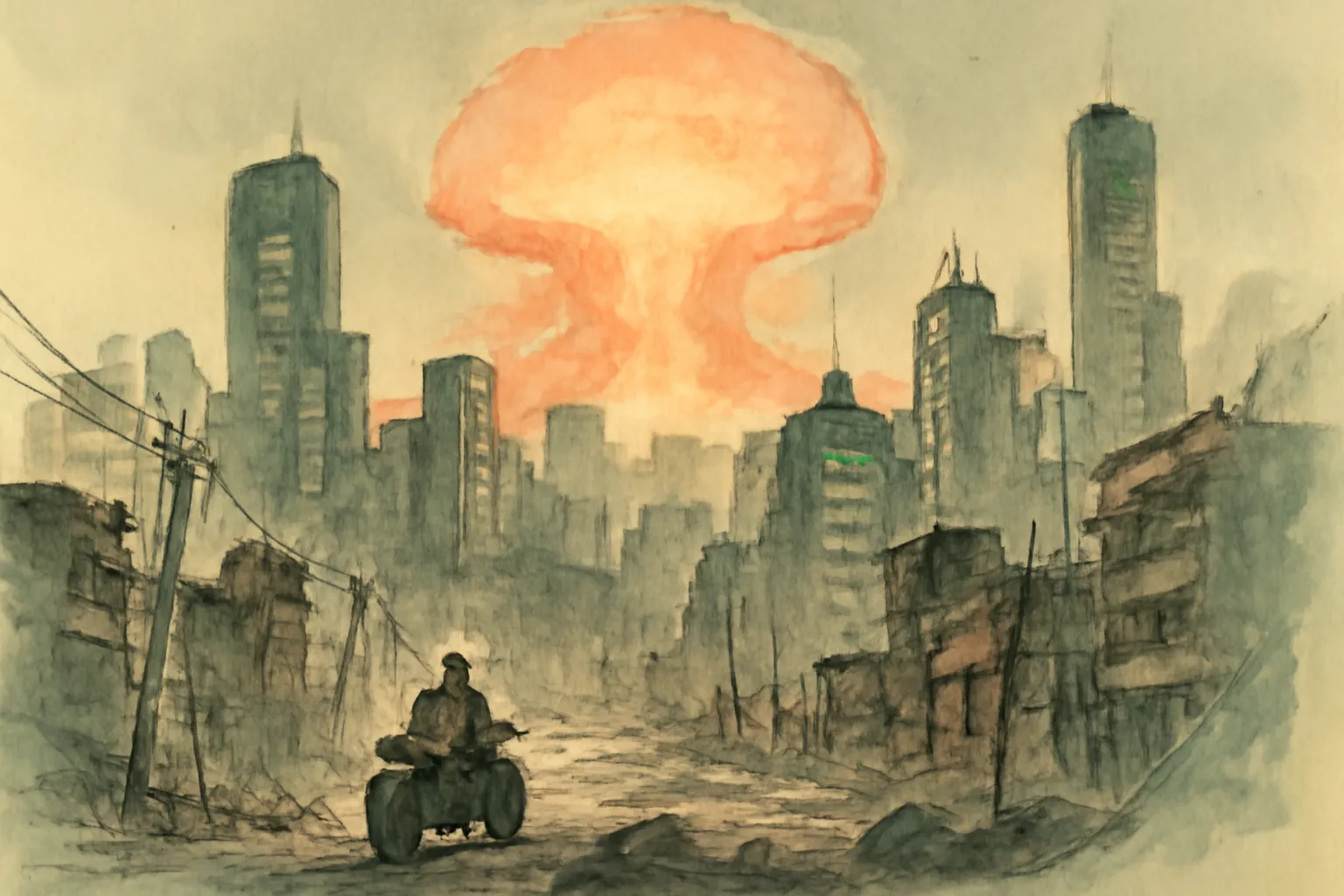
Akira explores how the acquisition of immense power—whether psychic, political, or military—inevitably leads to corruption and catastrophe. Tetsuo's transformation from a bullied teenager to a godlike being mirrors the dangers of unchecked ambition and the inability of individuals or institutions to control forces beyond their comprehension. The narrative suggests that power reveals and amplifies existing flaws, leading to personal and societal breakdown.
Set in a post-apocalyptic Neo-Tokyo, Akira presents a society constantly on the brink of collapse. The city is a vivid metaphor for the fragility of order in the face of chaos—whether from government overreach, revolutionary violence, or supernatural events. Ōtomo uses the city’s repeated destruction and rebirth to question whether humanity can ever truly learn from its mistakes or if it is doomed to repeat cycles of ruin.
“The future is not a straight line. It is filled with many crossroads.”
“You’re just a kid, Tetsuo! You don’t have the power to control this!”